
Kumano Kodo and Camino de Santiago Strengthen New Global Pilgrimage Tourism

Published
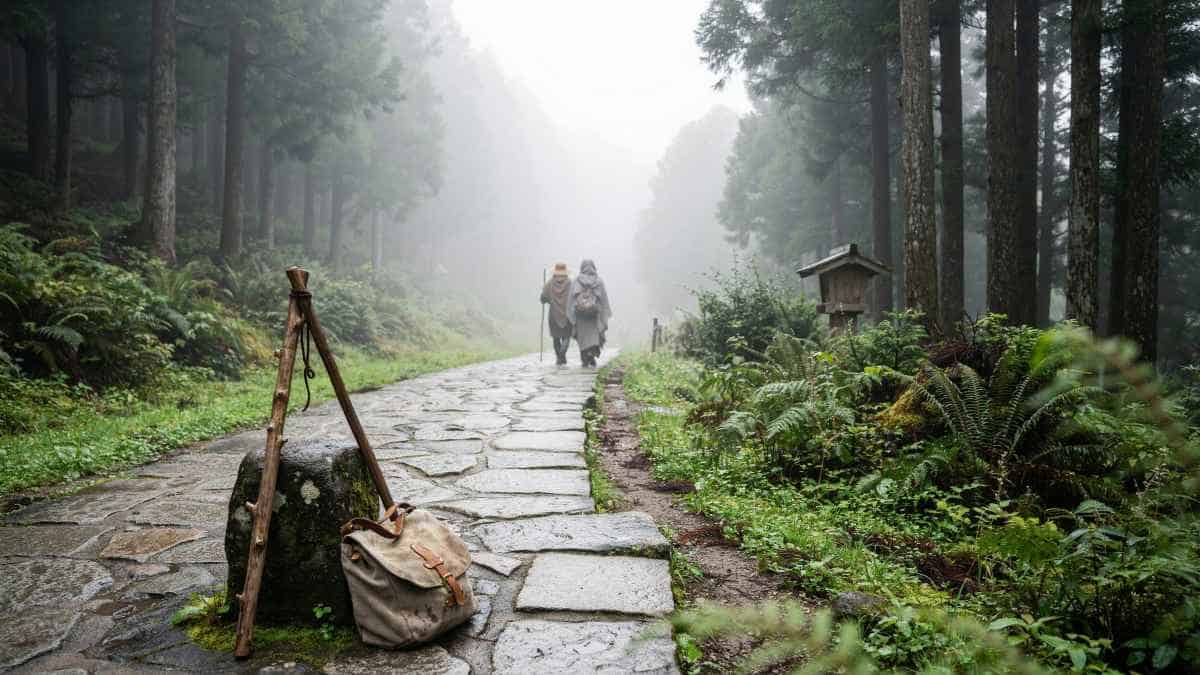
Image generated with Ai
Kumano Kodo and the Camino de Santiago are strengthening their connection as international interest in pilgrimage, cultural heritage and slower forms of travel continues to expand across Japan and Europe. The latest development comes from the Dual Pilgrim programme linking Tanabe City in Wakayama with Santiago de Compostela in Spain. On September 24, 2026, the Tanabe City Kumano Tourism Bureau confirmed that the programme received two awards at the European Cultural Tourism Network’s 2026 awards, including the Public Choice Award and second prize in the Transnational Thematic Tourism Products category. The recognition places the two historic routes within a wider international tourism discussion around cultural heritage, walking holidays and sustainable destination development.
Dual Pilgrim Programme Gains International Recognition
The Dual Pilgrim initiative connects two long-distance pilgrimage traditions separated by more than 10,000 kilometres.
Travellers who complete both the Kumano Kodo and the Way of St. James can qualify as Dual Pilgrims. The programme was developed by Tanabe City and Santiago de Compostela to connect the two pilgrimage destinations through a shared cultural tourism experience.
Advertisement
Advertisement
The initiative has now received recognition within the 2026 European Sustainable Cultural Tourism Awards. The European Travel Commission confirmed that Dual Pilgrim was one of the finalists in the transnational thematic tourism category, which focuses on cultural and heritage tourism involving multiple destinations.
This makes the programme particularly relevant to travellers planning multi-country walking journeys.
Advertisement
Advertisement
Kumano Kodo Brings Pilgrims Into Rural Japan
The Kumano Kodo stretches across the mountainous Kii Peninsula, connecting sacred sites, forest routes, rural communities and historic pilgrimage destinations.
Advertisement
Advertisement
The trail network includes the Nakahechi, Kohechi, Ohechi and Iseji routes. Visitors can choose shorter walks or undertake multi-day journeys through forests and mountain landscapes.
The Japan National Tourism Organisation describes the Kumano Kodo as a UNESCO World Heritage pilgrimage route with around 1,100 years of history. Its routes pass through forested landscapes and connect with religious sites including Kumano Hongu Taisha, Kumano Nachi Taisha and Nachisan Seigantoji Temple.
For tourism, the route offers a different experience from Japan’s major urban destinations. Walking itineraries can combine hiking with temples, shrines, traditional accommodation, hot springs and rural food experiences.
Visitor Management Is Becoming More Important
Advertisement
Advertisement
The briefing supplied for this report describes an updated conservation arrangement involving stricter digital management of visitor volumes on heavily eroded sections and efforts to direct walkers toward less-developed rural trail networks.
However, the specific September 24, 2026 claim that a new zero-trace digital passport has been formally mandated could not be independently verified through the latest official tourism and destination sources reviewed for this article.
What can be verified is that visitor management and access are active issues on the Kumano Kodo.
Tanabe City has introduced additional public transport services for the autumn 2026 hiking season. From September 19 through December 10, additional services are being operated to improve access to Kumano Kodo routes and nearby tourism attractions.
The city has also introduced a range of experimental tourism transport services from September 19 through November 30, including rapid buses, hot-spring connections and shuttle services linked with riverboat tourism.
These measures are significant for travellers because transport availability can influence how visitors distribute themselves across different trailheads and rural communities.
Advertisement
Advertisement
Rural Trails Become Part of the Tourism Experience
The Kumano Kodo is closely connected with smaller settlements across Wakayama Prefecture.
Rather than functioning solely as a linear hiking attraction, the pilgrimage network brings visitors into villages, traditional inns, hot-spring areas and local transport networks.
The Tanabe City Kumano Tourism Bureau currently promotes self-guided pilgrimage experiences combined with Zen retreats, showing how the destination is developing longer and slower travel products for international visitors.
For travellers, this creates opportunities to build itineraries around several days of walking rather than a single attraction.
Travel Planning for Kumano Kodo
Advertisement
Advertisement
The Kii Peninsula can be reached through regional transport connections from major Japanese cities. The Japan National Tourism Organisation notes that the region is approximately 70 minutes by air from Tokyo Haneda Airport or around two hours by train from Osaka, depending on the specific destination and service used.
Tanabe serves as an important gateway for Kumano Kodo travel. From there, visitors can connect with different trail sections and surrounding attractions.
Travellers should check route conditions before departure. Sections can close temporarily because of maintenance, weather or other local circumstances. The Tanabe tourism bureau currently lists an extended closure affecting part of the Ohechi Route between Wabuka Station and Tako Station, with the closure estimated to continue until April 30, 2027.
Pilgrimage Tourism Enters a More Connected Phase
The newest Dual Pilgrim designation brings international attention to a walking, spiritual, heritage, and rural tourism model. In Japan, the Kumano Kodo represents an already established way for tourists to have a travel experience beyond the big cities. The connection between the Camino de Santiago and the Kumano Kodo in Europe establishes a cross-continental pilgrim experience from two cultural landscapes designated by UNESCO. At present, information about the international recognition of the partnership is increasing; however, there are some statements about the mandate of a digital passport and numeric limitations on trails that need official verification. For tourists who are considering visiting the Kumano Kodo in 2026 and 2027, the trail conditions, transportation and access are important aspects of planning.
Advertisement
