

Japan Faces a Historic Travel Emergency With Taiwan and China as Super Typhoon Bavi Roars Across East Asia With Catastrophic Power, A Giant Storm Forces Hundreds of Flight Cancellations, Disrupts Tourism Corridors and Creates Massive Transportation Chaos in 2026

Published
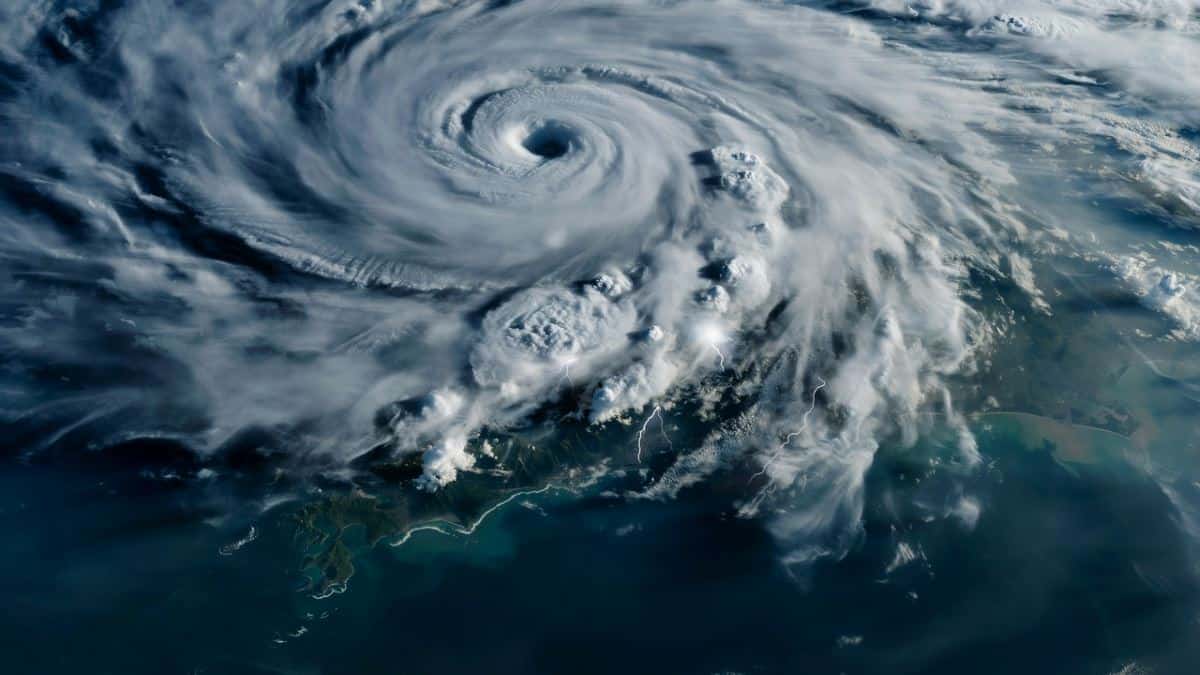
Japan, Taiwan and China are facing one of the most severe travel disruptions of 2026 as Super Typhoon Bavi sweeps across East Asia with extraordinary strength, forcing airlines to cancel hundreds of flights, suspending ferry networks and creating major challenges for travellers across some of the region’s most popular destinations. The enormous storm is threatening Japan’s Okinawa and Sakishima Islands, Taiwan’s major cities and airports, and China’s eastern coastline, creating widespread disruption during the peak summer travel season.
Super Typhoon Bavi has developed into one of the largest and most powerful storms to affect the western Pacific in decades. At its peak intensity, the system reached Category 5-equivalent strength with maximum one-minute sustained winds of around 285 kilometres per hour. Although the storm has weakened slightly while moving towards East Asia, it remains a dangerous and highly organised typhoon with sustained winds estimated between 162 and 173 kilometres per hour.
The storm’s enormous physical size has become one of its most alarming characteristics. Covering nearly 940,000 square kilometres, Bavi has created an impact zone stretching across a vast section of the western Pacific. Meteorologists have identified the system as one of the largest storms to threaten these waters since the late 1980s, with its influence extending far beyond the storm’s centre.
For the travel industry, the impact has been immediate. Airports, airlines, ferry companies and tourism authorities across Japan, Taiwan and China have activated emergency measures as they prepare for dangerous winds, extreme rainfall and hazardous sea conditions.
Advertisement
Advertisement
Super Typhoon Bavi Creates One of the Largest Weather Threats to Hit East Asia in Years
Super Typhoon Bavi strengthened rapidly after developing over the Pacific Ocean, transforming into a powerful storm system capable of affecting multiple countries at the same time. Its massive circulation has brought intense weather conditions across thousands of kilometres, creating challenges for international and domestic transportation networks.
The storm’s movement through the Philippine Sea placed several major tourism markets directly in its path. Japan’s southern islands became the first major destination area affected, followed by Taiwan and China’s eastern coastal regions. The combination of extreme winds, heavy rainfall and dangerous ocean conditions has forced authorities to prioritise passenger safety over normal travel operations.
Advertisement
Advertisement
The storm has also highlighted the vulnerability of island destinations, where aviation and maritime connections are essential for tourists and local communities. When airports and ferry routes close, thousands of visitors can become temporarily stranded or face significant changes to their travel plans.
Japan’s Okinawa and Sakishima Islands Hit by Violent Winds, Heavy Rain and Airport Shutdowns
Japan’s southwestern islands are among the regions experiencing the strongest impact from Super Typhoon Bavi. The storm moved directly through the Sakishima Islands, affecting popular tourist destinations including Ishigaki Island and Miyako Island, which attract visitors for their beaches, marine activities and tropical landscapes.
The Japan Meteorological Agency issued severe weather warnings as the storm approached. Forecast conditions included violent wind gusts reaching up to 252 kilometres per hour, rainfall exceeding 300 millimetres, and ocean waves rising above 10 metres. The dangerous conditions created major aviation disruptions across Okinawa. Japan Airlines and All Nippon Airways suspended numerous flights as airports prepared for unsafe weather conditions.
ANA cancelled all flights operating to and from Miyako Airport and Painushima Ishigaki Airport throughout Friday and Saturday. Naha Airport, Okinawa’s main transportation hub, also experienced extensive disruption, with most flights cancelled except for limited operations during safer weather windows. The impact on aviation has affected thousands of domestic and international travellers planning summer holidays in Okinawa. Tourists visiting the islands faced delays, cancellations and extended stays as airlines adjusted schedules.
Maritime travel also experienced a complete shutdown in several areas. Ferry services connecting Okinawa Prefecture with Kagoshima on mainland Japan were suspended due to dangerous waves. Smaller inter-island ferry routes were also stopped, cutting off important transport links between remote communities and tourism destinations.
Taiwan Faces More Than 400 Flight Cancellations as Typhoon Disrupts Major Aviation Network
Taiwan has experienced some of the most significant travel disruption from Super Typhoon Bavi as the storm’s massive outer bands moved close to the island. Although Bavi was not expected to make direct landfall on Taiwan’s main island, the storm’s huge size brought severe weather conditions across northern and eastern regions. Heavy rainfall forecasts created serious concerns about flooding, landslides and mountain hazards.
Advertisement
Advertisement

Authorities prepared for rainfall totals between 250 and 800 millimetres in mountainous areas, increasing the risk of dangerous landslides and flash flooding. Taiwan introduced precautionary closures, including the shutdown of financial markets, schools and offices. Thousands of military personnel were placed on standby, while hundreds of fishing vessels moved into ports for protection.
The aviation sector suffered major disruption, with more than 400 flights cancelled across Taiwan. According to aviation authorities, the cancellations included at least 154 domestic flights and 261 international or cross-strait services.
Major airports affected included:
- Taiwan Taoyuan International Airport
- Taipei Songshan Airport
- Kaohsiung International Airport
EVA Air cancelled almost all operations from Taoyuan and Songshan airports during the storm period. Only selected long-haul flights connecting Taiwan with destinations including New York, Toronto, Washington and Dallas continued operating. China Airlines suspended flights from Taipei Songshan and Taichung airports. Both China Airlines and EVA Air temporarily halted arrivals and departures during the most severe weather conditions.
Starlux Airlines and Tigerair Taiwan cancelled Saturday operations, while Tigerair also adjusted Friday flights connecting Taiwan with Japan, South Korea and Vietnam. Domestic carriers Mandarin Airlines and UNI Air suspended domestic services, creating further disruption for travellers relying on internal connections. The storm also affected international airlines operating through the region. Carriers including Cathay Pacific, Singapore Airlines, AirAsia, Thai Vietjet and Etihad adjusted flights connected with Taiwan and routes approaching eastern China.
Taiwan Maritime Transport Suspended as Dangerous Seas Affect Island Connections
Beyond aviation, Taiwan’s maritime network faced severe disruption due to dangerous ocean conditions. Ferry services connecting mainland Taiwan with offshore destinations were suspended. Routes linking Taiwan with Green Island, Orchid Island and Matsu were halted as authorities warned of unsafe sea conditions.
Advertisement
Advertisement
The closures affected both local residents and tourists travelling to Taiwan’s island destinations during the summer holiday period. High-speed rail services continued operating under close monitoring, but operators warned that speed restrictions could be introduced if wind conditions exceeded safety limits. Public transportation in northern Taiwan was also reduced as government offices and schools closed during the storm period.
China Issues Orange Alert as Super Typhoon Bavi Approaches Eastern Coast
China is preparing for a direct impact as Super Typhoon Bavi moves towards the eastern coastline. The country’s National Meteorological Center issued an Orange Alert, representing the second-highest level in its warning system. The storm was forecast to make landfall on Saturday night, July 11, between Xiapu in Fujian Province and Wenling in Zhejiang Province.
Eastern China faces additional risks because some areas are already recovering from previous severe weather events. Authorities have increased preparations in low-lying river valleys and coastal communities to prevent flooding emergencies. Emergency teams have focused on evacuation plans, infrastructure protection and transport management as the storm approaches. Airports, rail services and coastal transport operators remain on alert, with possible delays expected depending on the storm’s final intensity and path.
Super Typhoon Bavi Leaves Damage Trail Before Reaching East Asia
Before threatening Japan, Taiwan and China, Super Typhoon Bavi caused significant destruction in the Northern Mariana Islands after crossing the region on July 6. The storm made landfall directly on Rota Island, damaging around half of the island’s structures. The power network suffered extensive destruction, with authorities estimating that full electricity restoration could take up to three months.
The earlier destruction demonstrates the scale of Bavi’s strength and explains why East Asian authorities have taken extensive precautions.
East Asia Travel Faces Continued Disruptions as Authorities Monitor Storm Movement
Super Typhoon Bavi has become a major challenge for East Asia’s tourism and transportation networks, affecting airlines, airports, ferry services and travellers across three major destinations. From Okinawa’s island resorts to Taiwan’s international airports and China’s eastern coastline, the storm has created widespread travel uncertainty.
Airlines and transport operators continue monitoring conditions while preparing for gradual recovery once weather conditions improve. Travellers across Japan, Taiwan and China are advised to check official airline and transport updates before beginning journeys. The scale of Super Typhoon Bavi highlights the growing importance of weather preparedness for tourism destinations across Asia, where extreme storms can rapidly transform travel conditions and impact millions of passenger movements.
Advertisement
