
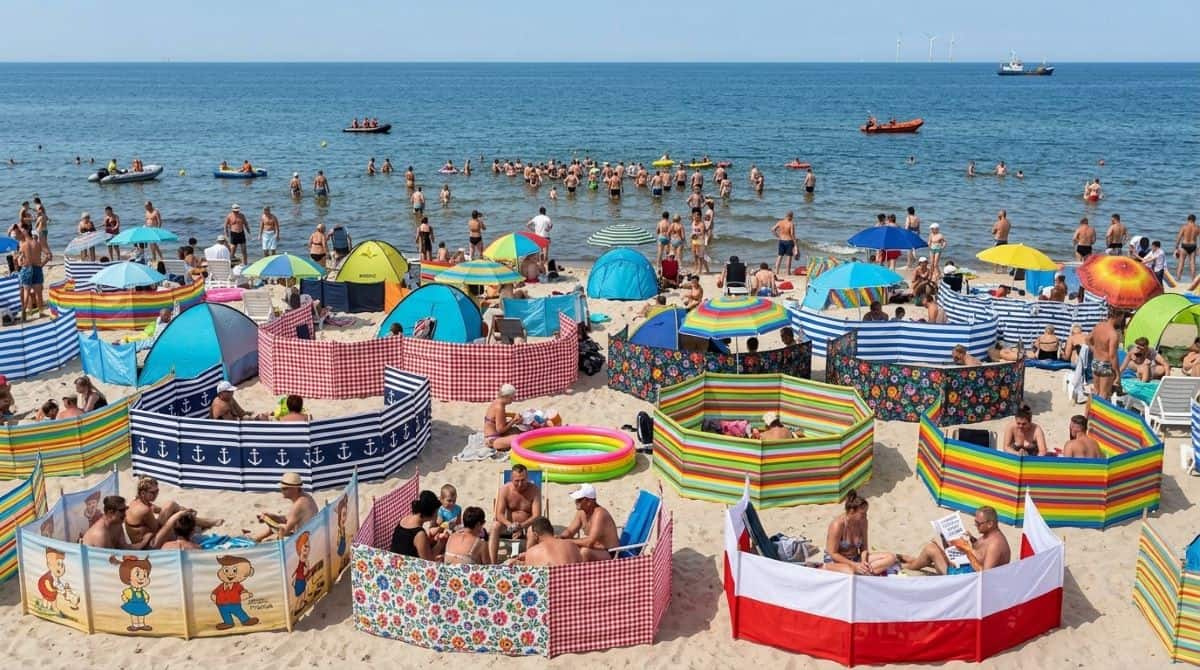
Image generated with Ai
An unprecedented regulatory shift is rewriting the rules of summer travel as massive tourist waves collide with strict local environmental policies across Greece, Italy, Spain, France, Portugal, and Croatia. Driven by a wave of anti-overtourism backlash and coastal conservation initiatives, these primary holiday hotspots have launched comprehensive regulatory crackdowns. Travelers entering these regions face an intricate web of restrictions that include sweeping beach loudspeaker bans, strict natural space zoning laws, smoke-free sand ordinances, and zero-tolerance urban dress codes enforced by heavy administrative penalties. According to data provided by the European Commission, the United Nations World Tourism Organization (UNWTO), and local municipal ministries, individual financial liabilities for non-compliance range from an on-the-spot €35 fine for minor clothing infractions up to an astonishing €36,000 corporate penalty for group noise violations.
This comprehensive report analyzes the exact statutory changes, territorial limits, behavior criteria, and financial penalty brackets tourists must navigate across Southern Europe’s primary resort destinations this summer. Read on for all the information you need for your beach vacation in Europe this summer.
Advertisement
For travelers seeking a direct breakdown of the current legislative environment, the following core parameters define the updated compliance landscape across major Mediterranean destinations:
| Environmental Protections | Civic Decency Rules |
| • Sand preservation towel mat rules | • Dress codes in city centers |
| • Smoke-free coastlines | • Strict noise level caps |
| • Natural zoning, zero sunbeds | • Public sanitation fines |
| Fine Amount | Why (Criteria for Fine) | Location It Applies To |
| Asset Confiscation & License Revocation | Unauthorized installation of commercial umbrellas, sunbeds, or private structures. | 251 ecologically protected “immovable beaches” (including Natura 2000 preserves). |
| Administrative Prosecution & Fines | Encroaching past the 50% public sand allocation or violating the mandatory 4-meter water’s edge clearance boundary. | All commercialized public sand zones across mainland Greece and its islands. |
| Fine Amount | Why (Criteria for Fine) | Location It Applies To |
| €200 to €4,000 | Individual use of portable speakers blasting music at high volumes. | All public maritime beach zones across the nation. |
| €2,000 to €36,000 | Collective or group audio disruption, including commercial sound violations. | All public maritime beach zones across the nation. |
| €300 to €1,500 | Walking or transiting in standard swimwear outside designated beach, pool, or hotel areas. | Public streets, roads, and urban zones of Albufeira. |
| Fine Amount | Why (Criteria for Fine) | Location It Applies To |
| €750 | Physiological evacuation (urinating) on the sand or directly inside the sea water. | All municipal coastlines and waters in Vigo (Galicia). |
| Local Administrative Fine | Underwater urination or biological contamination of swimming zones. | 25 designated municipal beaches in the Marbella municipality. |
| Up to €300 | Wearing a bikini, swimming trunks, or going bare-chested inside local shops, public buildings, and restaurants. | Urban zones and city centers of Barcelona and Majorca. |
| Variable Municipal Fines | Consuming tobacco products or using electronic vaping devices on the sand. | Over 600 designated smoke-free beaches (including Barcelona, San Sebastián, Balearic Islands, and Canary Islands). |
| Fine Amount | Why (Criteria for Fine) | Location It Applies To |
| €100 (On-the-spot) | Placing fabric beach towels directly onto the sand without using a solid protective mat underneath. | Pelosa Beach in Stintino (Sardinia). |
| Up to €500 | Wandering around town streets, historic plazas, or public roads in swimwear, bikinis, or bare-chested. | Town center and urban roadways of Sorrento. |
| Up to €200 | Inappropriate attire away from the water, including walking the promenade in swimwear. | Lakeside promenades and municipal streets of Varenna (Lake Como). |
| Asset Confiscation | Deploying more than one sunshade per group or placing gear outside steward-allocated zones. | Punta Molentis in Villasimius (Sardinia). |
| Local Police Fine | Smoking or lighting traditional cigarettes on the sand. | Designated smoke-free beaches across Veneto, Puglia, Emilia-Romagna, and Sardinia. |
| Fine Amount | Why (Criteria for Fine) | Location It Applies To |
| €135 (On-the-spot) | Smoking tobacco products on the sand within public beach limits. | All public beaches bordering active bathing waters nationwide. |
| €35 (On-the-spot) | Going topless, walking bare-chested, or wearing beachwear outside the immediate maritime perimeter. | City center boulevards and urban zones of Nice. |
| Administrative Fines | Permitting elephants to enter or bathe within public maritime zones. | Coastal boundaries of Granville (Normandy). |
| Fine Amount | Why (Criteria for Fine) | Location It Applies To |
| Up to €150 | Walking around historic stone centers, public walkways, or old town sites bare-chested or in swimwear. | Protected old town centers of Split, Dubrovnik, and Hvar. |
| Variable Local Fine | Bringing domestic dogs or horses onto public beaches or high-traffic Blue Flag zones during peak summer hours. | Coastlines and designated high-density public beaches nationwide. |
To ensure a seamless, respectful, and fine-free travel experience across Southern Europe’s coastlines, travelers can use this operational checklist before leaving their accommodation:
Advertisement
Advertisement
1.Verify Destination-Specific Ordinances:Before Departure.
Consult the official municipal website (Ayuntamiento, Comune, or Muncipality) of your target destination. Local coastal rules are updated annually and are typically published under the civic security or environmental protection tabs.
2.Evaluate Gear Configurations:Packing Phase.
If traveling to highly sensitive areas like Sardinia, ensure you possess a rigid, non-porous mat to place underneath your textile towels. Check if your destination limits personal sunshades, and never pack high-wattage external audio equipment.
Advertisement
Advertisement
3.Analyze Sand Cover Map Boundaries:Arrival Phase.
Upon reaching the coast, visually identify the boundary markers. In regions like Greece, confirm you are setting up outside protected natural zones and at least four meters back from the high-tide mark to maintain the mandatory public transit lane.
4.Locate Approved Sanitation Infrastructures:On-Site Orientation.
Identify the positions of municipal restrooms, recycling hubs, and designated smoking zones. Avoid consuming tobacco or electronic vaping devices directly on the sand unless explicit signage designates the area as a permitted zone.
5.Execute Transition Dress Protocols:Departure Phase.
Before exiting the sandy perimeter or entering boardwalks, commercial shops, or transport hubs, fully change into appropriate urban attire. Ensure your torso is entirely covered and standard shirts or dresses are worn over swimwear.
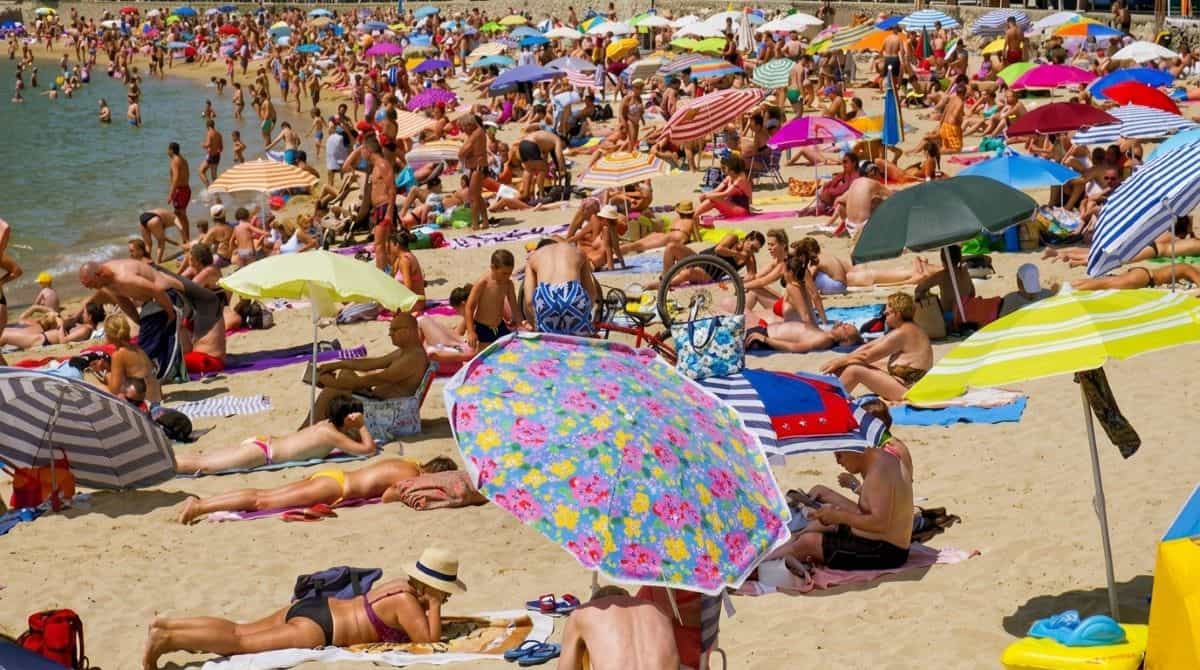
Image generated with Ai
The shift toward highly regulated coastlines marks a turning point in how European nations manage their natural resources. For decades, tourism strategy focused almost exclusively on growth and increasing visitor volumes. However, the sheer scale of modern global travel has forced a transition toward active crowd management and resource protection.
Local councils are no longer treating beaches purely as commercial assets; instead, they are viewing them as fragile ecosystems that require active protection. The laws introduced across the Mediterranean are designed to protect these destinations so they remain viable for future generations. By understanding these rules not as arbitrary restrictions, but as necessary tools for environmental and cultural preservation, travelers can enjoy Europe’s historic coastlines responsibly while avoiding heavy fines.
For a deeper dive into the ground reality of these anti-noise crackdowns, you can watch this report on Portugal’s beach noise restrictions, which provides vital context regarding how maritime authorities identify noise violations and enforce the stiff financial penalties against tourists.
In conclusion, Greece stands with Italy, Spain, France, Portugal and others by enforcing strict new travel restrictions this summer to protect local ecosystems and historic urban centers. Driven by an intense overtourism backlash, municipal authorities are rolling out aggressive coastal conservation initiatives designed to curb crowd density and environmental damage. Holidaymakers will encounter heavy fines, complete loudspeaker bans, and rigid beach rules if they refuse to adhere to local ordinances. These coordinated actions across Europe’s premier resort destinations demonstrate a firm commitment to transforming seasonal travel, ensuring that vulnerable shorelines are preserved for the future through uncompromising administrative regulation.
Advertisement
Tags: beach rules, europe travel, overtourism, travel fines
Advertisement
Advertisement













Saturday, September 5, 2026

Friday, September 4, 2026

Saturday, September 5, 2026

Saturday, September 5, 2026

Thursday, September 3, 2026

Wednesday, September 2, 2026

Saturday, September 5, 2026

Saturday, September 5, 2026


