
Hawaii Adjoins Puerto Rico, Mississippi and Few Others as Hurricane Nolo Reveals US Destinations Vulnerable to Winds and Flooding

Published
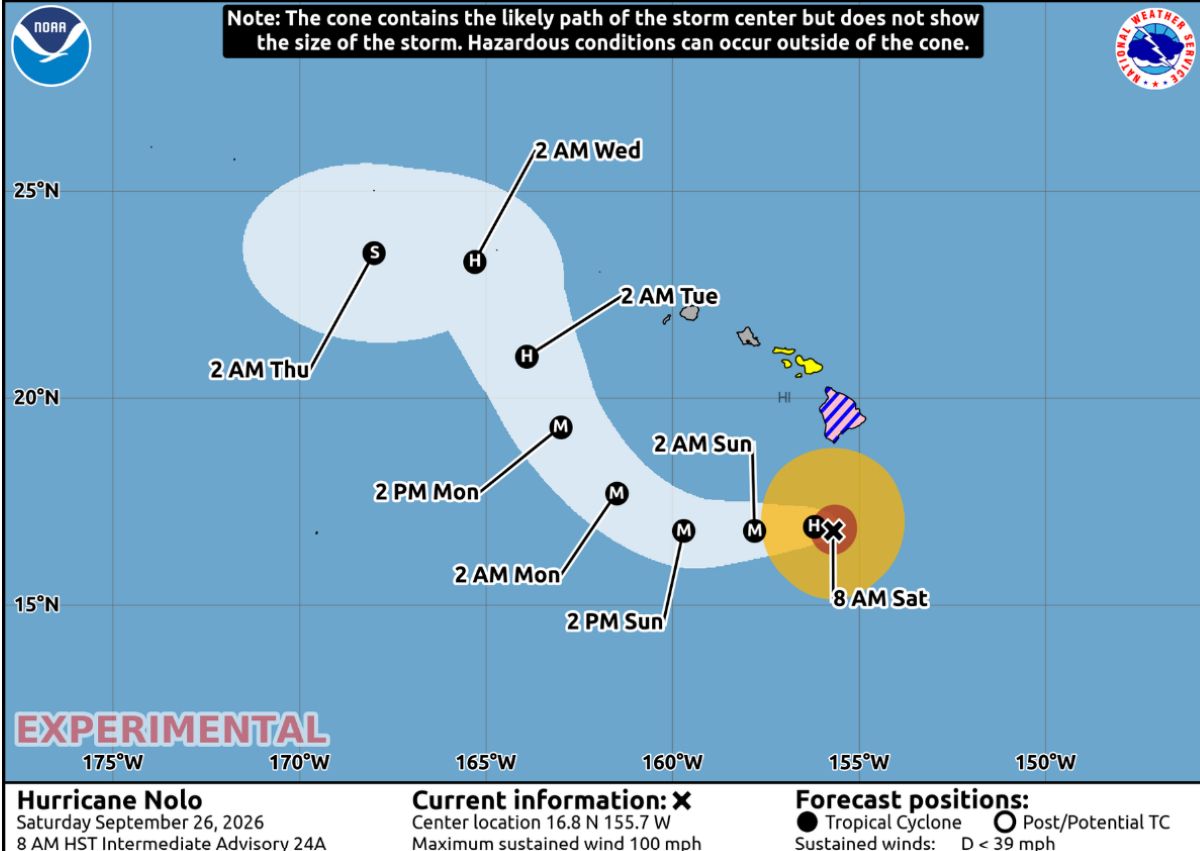
Image Credit: NHC.NOA.GOV
Hawaii adjoins Puerto Rico, Mississippi and few others as Hurricane Nolo reveals US destinations vulnerable to winds and flooding because powerful tropical weather events continue to highlight the risks faced by island and coastal tourism regions across the United States. Hurricane Nolo has placed Hawaii under close weather monitoring due to strong winds, heavy rainfall and possible flooding concerns, while other locations such as Puerto Rico and Mississippi remain examples of areas that can experience similar hurricane-related challenges. These extreme weather events can affect flights, beaches, outdoor activities and visitor experiences. As hurricane risks increase during storm seasons, travellers and tourism operators are focusing on preparation, safety updates and flexible travel planning.
What is the latest situation with Hurricane Nolo in Hawaii?
Hurricane Nolo has become a major weather concern for Hawaii due to its combination of strong winds, intense rainfall and coastal hazards. Forecast information from the National Hurricane Center highlighted the potential for dangerous conditions as the storm moved south of the Hawaiian Islands.
The storm reached maximum sustained winds of around 105 mph (165 km/h), creating risks for communities and visitors across affected areas.
Advertisement
Advertisement
| Weather Risk | Expected Impact |
|---|---|
| Maximum winds | Around 105 mph (165 km/h) |
| Heavy rainfall | Potentially significant rainfall totals |
| Flooding | Life-threatening flash flooding possible |
| Terrain risks | Mudslides in steep areas |
| Coastal conditions | Dangerous surf and storm surge |
The Big Island faces particular concern because mountainous landscapes can increase the risk of rapid flooding and landslides. Maui is also vulnerable due to heavy rainfall and possible travel disruptions.
For visitors, the storm could affect beaches, hiking areas, marine activities and outdoor attractions.
Advertisement
Advertisement
Which Hawaii tourism areas are most vulnerable to Hurricane Nolo?
Hawaii’s tourism industry depends heavily on outdoor experiences, making weather conditions a major factor for visitors. Several islands could experience different levels of disruption depending on rainfall, wind and coastal conditions.
| Hawaii Area | Main Risk |
|---|---|
| Hawaii Island (Big Island) | Highest flooding, wind and landslide concerns |
| Maui County | Heavy rainfall and possible flooding |
| Oahu | Strong winds and rainfall impacts |
| Kauai | Coastal hazards and weather disruptions |
| Molokai | Possible travel and outdoor activity impacts |
The Big Island is considered one of the most vulnerable locations because intense rainfall can quickly create flooding in valleys and mountainous regions.
Advertisement
Advertisement
Tourism operators may need to adjust activities such as boat tours, hiking excursions and outdoor attractions during severe weather periods. Visitors should check local advisories before travelling between islands or planning outdoor experiences.
Which US states could face similar hurricane risks during storm seasons?
Although Hurricane Nolo is affecting Hawaii, several other US states regularly face similar hurricane-related threats. Coastal regions are particularly vulnerable because hurricanes can bring storm surge, flooding, destructive winds and travel disruption.
| US State | Main Hurricane Risks | Tourism Areas at Risk |
|---|---|---|
| Florida | Storm surge, flooding, strong winds | Miami, Florida Keys, Gulf Coast beaches |
| Louisiana | Coastal flooding, heavy rainfall | New Orleans, coastal destinations |
| Texas | Wind damage, flooding, storm surge | Houston, Galveston |
| North Carolina | Coastal flooding, high winds | Outer Banks |
| South Carolina | Storm surge and rainfall | Charleston, Myrtle Beach |
| Mississippi | Coastal flooding | Gulf Coast tourism areas |
| Alabama | Wind and flooding | Gulf Shores |
| Georgia | Tropical storm impacts | Coastal communities |
| Puerto Rico | Hurricanes, flooding and landslides | San Juan and island destinations |
These states have large tourism industries that depend on beaches, cruises and outdoor attractions, making hurricane preparedness important.
How can hurricanes affect tourism across the United States?
Hurricanes can create widespread challenges for tourism because severe weather affects transportation, accommodation and outdoor activities.
Advertisement
Advertisement
| Tourism Sector | Possible Impact |
|---|---|
| Airlines | Flight delays and cancellations |
| Hotels | Temporary closures or operational changes |
| Cruises | Route changes and port disruptions |
| Beaches | Safety closures due to dangerous conditions |
| National parks | Trail and road restrictions |
| Road travel | Flooding and unsafe conditions |
In Hawaii, storm-related conditions can directly affect flights, island transfers and popular visitor activities. Similar impacts occur in Florida and Gulf Coast states when hurricanes approach.
Tourism businesses often prepare emergency plans, while travellers may need flexible bookings and updated information before departure.
What should travellers do when visiting hurricane-prone destinations?
Travellers can reduce risks by preparing before visiting areas affected by tropical weather. Official updates should always be monitored because storm forecasts can change quickly.
Important steps include:
- Checking National Hurricane Center forecasts.
- Monitoring airline notifications.
- Following local emergency guidance.
- Keeping flexible travel arrangements.
- Reviewing accommodation policies.
Weather conditions can change rapidly, especially in coastal and island destinations. Staying informed allows visitors to make safer decisions and adjust plans when necessary.
Conclusion
Hawaii adjoins Puerto Rico, Mississippi and few others as Hurricane Nolo reveals US destinations vulnerable to winds and flooding as tropical storms continue shaping travel decisions across vulnerable tourism regions. The cause is the combination of powerful winds, intense rainfall, coastal hazards and flooding risks that can disrupt popular destinations. The answer is stronger preparation, real-time weather monitoring and responsible travel planning. The reason this matters is that Hawaii, Puerto Rico, Mississippi and other coastal areas depend heavily on tourism while facing seasonal weather challenges. By following official alerts and travel guidance, visitors can better manage risks while exploring America’s diverse destinations.
Advertisement
Advertisement
Image Credit: NHC.NOA.GOV
Advertisement
