
Panama Travel Sees Eased Unrest Warnings as Level 2 Advice Covers Tourist Corridors

Published
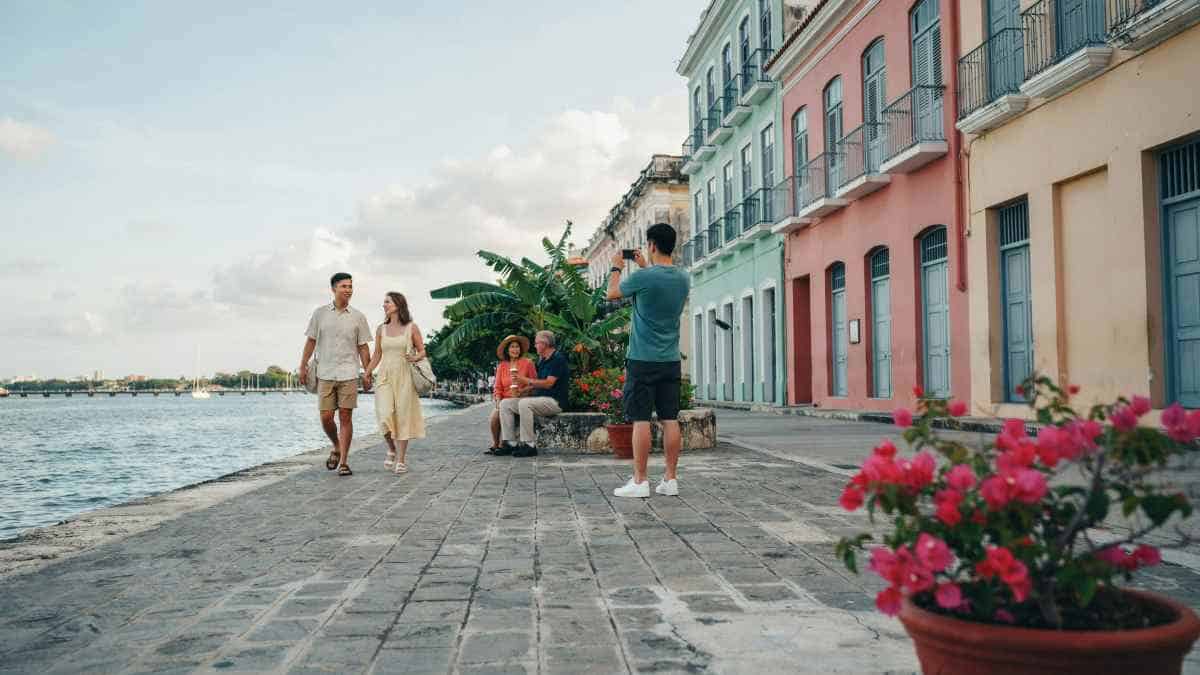
Image generated with Ai
There is an increasing trend towards differentiation of the level of security in Panama between well-developed tourist corridors and remote areas with higher levels of security limitations, after the recent amendments in the guidelines regarding international travel. The U.S. Department of State advises Panama as a whole country to exercise increased caution, which is a Level 2 alert according to the U.S. Department of State’s advice. However, there are certain areas in Panama in which travellers have to be careful or avoid travelling at all. There are no recent incidents of civil unrest stated in the guidelines regarding the Level 2 advisory issued by the U.S. Department of State. There is still Level 4 “Do Not Travel” advice in certain areas of Panama, including some areas in the Mosquito Gulf coastline and the Darién region bordering Colombia.
Panama Maintains Level 2 Travel Guidance
The U.S. Department of State currently places Panama at Level 2, advising travellers to exercise increased caution. The advisory identifies crime as a nationwide concern and notes that certain areas carry substantially higher risks.
The Level 2 classification covers the country as a whole but does not mean that security conditions are identical across every destination.
For tourists, this distinction is important when planning itineraries. Popular urban, coastal and canal-related destinations operate within a different travel environment from remote areas near international borders.
Advertisement
Advertisement
Travellers can therefore assess their itinerary geographically rather than applying the same level of caution to every part of Panama.
Panama City Remains a Major Tourism Gateway
Panama City continues to serve as the principal urban gateway for international visitors and a major centre for accommodation, dining, business and sightseeing.
Advertisement
Advertisement
The city provides access to attractions including the Panama Canal and historic districts, alongside shopping, restaurants and modern urban areas.
Under the current U.S. advisory, travellers should exercise increased caution because of crime, but the city is not included in the specific Level 4 “Do Not Travel” zones identified in the guidance.
For international visitors, this means standard travel precautions remain relevant, particularly in areas where theft and other forms of crime can affect tourists.
Popular Tourist Corridors Remain Accessible
Panama’s established tourism corridors include major destinations and transport routes serving international visitors.
The current advisory distinguishes these areas from several remote regions where the U.S. government recommends avoiding travel.
This distinction is relevant to visitors planning holidays around Panama City, established Caribbean and Pacific destinations, and recognised tourism routes.
Advertisement
Advertisement
Travellers can continue to build itineraries around mainstream attractions while monitoring official guidance for any changes affecting particular regions.
The country’s geographical diversity means that a holiday can involve several different environments, making it important to check the security status of each destination rather than relying only on a general country-level advisory.
Darién Region Remains Highly Restricted
The Darién region continues to represent one of Panama’s most significant travel-restriction zones.
The U.S. Department of State advises against travel to parts of the Darién because of criminal activity and other security risks. The advisory specifically identifies areas east of a designated boundary and certain communities and routes within the region.
The region’s proximity to the Colombian border and its remote geography create a different security environment from Panama’s established tourism centres.
For tourists, this means that independent exploration into restricted areas should not be treated as an extension of conventional Panama travel.
Advertisement
Advertisement
Mosquito Gulf Coast Carries Level 4 Advice
The U.S. advisory also maintains a Level 4 “Do Not Travel” recommendation for portions of Panama’s Mosquito Gulf coast.
The restricted area includes the coastline east of Punta Carreto, extending towards the Colombian border.
The remote character of the region and security concerns distinguish it from Panama’s better-established coastal tourism destinations.
Travellers considering coastal or expedition-style journeys therefore need to establish exactly where an itinerary will operate before making arrangements.
Crime Remains the Main Nationwide Concern
Although recent civil unrest indicators are no longer listed as a nationwide reason for the U.S. Level 2 advisory, crime remains an important consideration for visitors.
The U.S. guidance identifies risks including theft and other criminal activity, with some areas presenting higher levels of concern.
Advertisement
Advertisement
Tourists can reduce exposure to common travel-related risks through standard precautions such as safeguarding valuables, remaining aware of their surroundings and using established transport arrangements.
The distinction between general crime precautions and the more severe restrictions applied to remote regions is central to understanding the current advisory landscape.
Border Areas Require Additional Attention
Panama’s border regions require particular attention because security conditions can differ considerably from those in major tourism centres.
The Darién’s proximity to Colombia is a major factor in the travel restrictions affecting parts of the region.
Visitors planning travel near international borders should therefore consult the latest official guidance before travelling and confirm whether their proposed route enters a restricted area.
This is particularly important for travellers interested in remote nature experiences, overland travel or expeditions that move beyond conventional tourism corridors.
Advertisement
Advertisement
Travel Planning Should Remain Destination-Specific
The latest advisory situation demonstrates why Panama travel planning should be based on individual destinations rather than the country-wide classification alone.
A traveller visiting Panama City, the Panama Canal or established tourism areas faces a different advisory environment from someone attempting to travel through remote parts of the Darién or along restricted sections of the Mosquito Gulf coast.
Checking the latest government guidance before departure can help travellers identify areas subject to special restrictions.
It is also important to review conditions again during the trip, particularly when travelling between regions.
Panama Offers a Broad Tourism Network
Panama continues to provide international visitors with a broad tourism portfolio covering urban attractions, canal tourism, beaches, islands, nature and cultural experiences.
The country’s established visitor infrastructure remains concentrated in areas outside the specific Level 4 zones.
Advertisement
Advertisement
This allows travellers to build holidays around recognised destinations while taking account of the higher restrictions affecting remote areas.
The contrast between accessible tourist corridors and restricted border regions is therefore an important feature of Panama’s current travel environment.
Panama Travel Advisories Remain Geographically Differentiated
The most recent guidance issued by Panama concerning travel highlights a picture that is geographically divided in terms of security and not a blanket national restriction. While the U.S. Department of State advises travel with increased caution to Panama as a whole, a Level 4 “Do Not Travel” advice applies only to remote regions, such as the coast of Mosquito Gulf as well as the Darién region. To international tourists, the well-known tourist spots, like Panama City, as well as the tourism highways, differ from these remote areas. This means that any person who wishes to travel in Panama needs to find out where every destination on his or her itinerary is located.
Advertisement
