
Abu Dhabi Tourism Enters a New Era as Saleh Al Geziry Drives a Broader Visitor Experience

Published
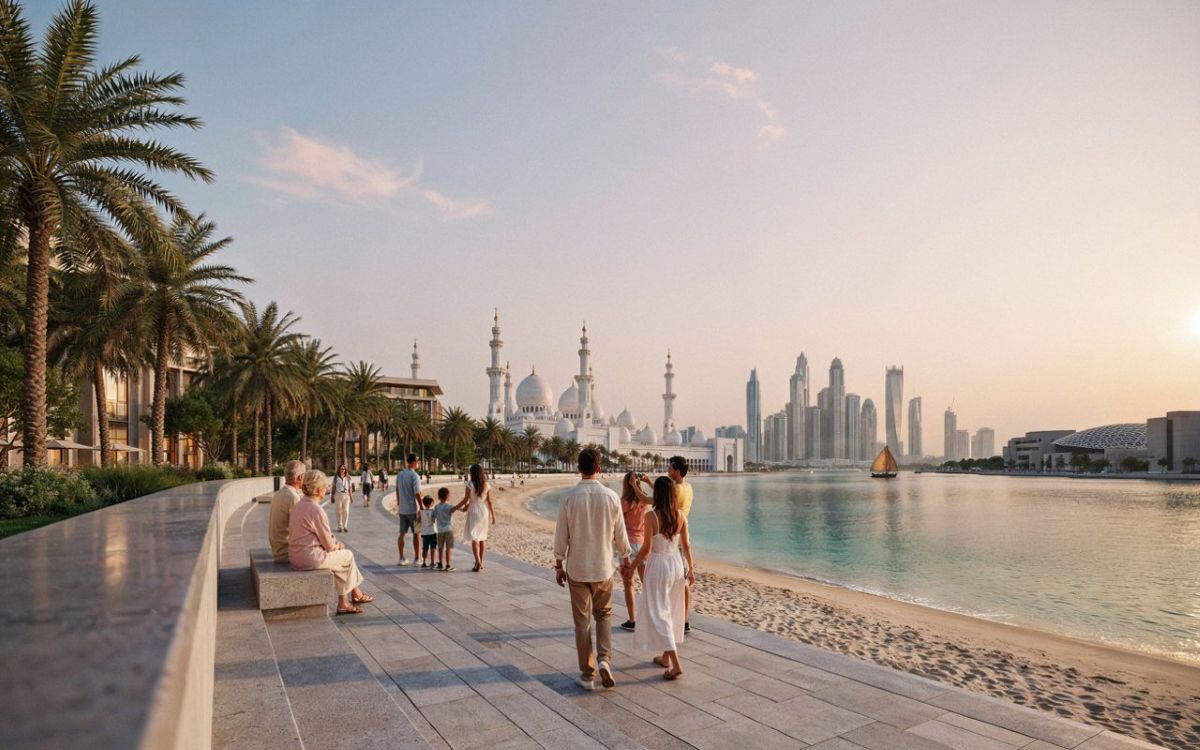
Image generated with Ai
For travellers arriving in Abu Dhabi today, the emirate is becoming much more than a place to spend a few nights between flights. Across its museums, islands, entertainment districts, cultural attractions, hotels and expanding outdoor experiences, Abu Dhabi is steadily assembling a tourism ecosystem designed to give visitors more reasons to arrive, explore and stay longer.
At the centre of this transformation is the Department of Culture and Tourism – Abu Dhabi (DCT Abu Dhabi), where Saleh Mohamed Al Geziry serves as Director General for Tourism. His work comes as Abu Dhabi pursues an ambitious Tourism Strategy 2030 aimed at increasing visitor numbers and broadening the experiences available to international travellers.
Advertisement
Advertisement
A tourism strategy built around longer and richer stays
Abu Dhabi’s Tourism Strategy 2030 targets 39.3 million visitors annually by 2030, compared with nearly 24 million in 2023. The plan also aims to increase the tourism sector’s annual contribution to the UAE economy from approximately AED 49 billion to AED 90 billion, while almost doubling international overnight visitors to around 7.2 million.
The strategy is organised around four areas: expanding the visitor offering, strengthening international promotion, improving infrastructure and mobility, and streamlining tourism-related regulations. That means the emirate’s tourism expansion is not dependent on a single attraction or market.
Advertisement
Advertisement
For travellers, the practical effect is an increasingly diverse holiday proposition, spanning cultural attractions, theme parks, events, hotels, dining, outdoor activities and improved mobility.
Advertisement
Advertisement
Visitor numbers show the strategy gaining traction
The latest figures suggest that Abu Dhabi’s tourism expansion is already producing measurable results.
The emirate recorded 26.6 million visitors across its culture and tourism sectors in 2025. Hotel revenues increased 19.5% year-on-year to AED 9.1 billion, while the number of MICE delegates climbed 40% to 2.2 million.
Abu Dhabi also welcomed 5.9 million hotel guests during the year. International hotel guests increased 10%, with India standing out as an important growth market after arrivals from the country rose 22% compared with 2024.
Advertisement
Advertisement
The figures indicate that the emirate is attracting demand from both leisure and business travellers while strengthening its appeal across international source markets.
Culture is becoming a major reason to visit
One of the most visible changes is taking place on Saadiyat Island, where Abu Dhabi is developing a major cultural cluster.
Advertisement
Advertisement
Louvre Abu Dhabi has been joined by new cultural attractions, while the wider district is being positioned as an international destination for art, history and immersive experiences. The development is particularly important for tourism because it gives visitors additional reasons to build an itinerary around Abu Dhabi rather than treating the emirate as a short stop.
DCT’s 2025 results recorded more than 8.6 million visits to cultural sites and libraries, demonstrating the growing role of culture within the emirate’s tourism economy.
Yas Island adds another dimension
While Saadiyat is strengthening Abu Dhabi’s cultural identity, Yas Island continues to expand its position as the emirate’s entertainment and family-tourism hub.
Theme parks, water attractions, sporting events, concerts and other leisure experiences give visitors another reason to extend their stay. The combination allows travellers to build very different itineraries within the same emirate — from museums and heritage sites to theme parks and major international events.
This diversification fits directly into the Tourism Strategy 2030 approach of expanding Abu Dhabi’s overall tourism offering rather than relying on a narrow holiday proposition.
Advertisement
Advertisement
Al Ain is becoming part of the wider travel story
Abu Dhabi’s tourism ambitions are also moving beyond the capital city.
Al Ain was named the Capital of Arab Tourism for 2026, recognising its heritage, natural landscapes and cultural attractions. DCT has said the designation will support efforts to develop an integrated tourism ecosystem in the Al Ain region.
This gives international visitors another dimension to explore. Rather than concentrating tourism entirely around Abu Dhabi’s urban coastline, the emirate can increasingly connect city experiences with heritage, nature and regional destinations.
The focus is shifting to the entire visitor journey
Perhaps the clearest indication of Abu Dhabi’s next tourism phase is the attention being paid to what happens between attractions.
DCT recently introduced Visitor Experience Guidelines covering 11 major touchpoints, including airports, hotels, museums, attractions, mobility, events, cruise terminals, tour operators and shopping destinations.
Advertisement
Advertisement
The objective is to create greater consistency throughout the visitor journey, from planning a trip to leaving the emirate.
DCT has also launched a Visitor Experience Academy. According to the department, the programme has already enrolled 38,643 learners from 260 organisations, including hotels, attractions and cultural institutions.
For tourists, the emphasis is significant: destination quality is increasingly being measured not only by what they can see, but also by how easily and comfortably they can experience it.
Abu Dhabi is opening the door to its maritime side
The emirate’s tourism expansion is also reaching its coastline.
DCT has launched an Abu Dhabi Islands and Water Sports Guide, highlighting activities such as sailing, island hopping, kayaking and mangrove experiences. The guide connects visitors with licensed operators and provides information intended to help travellers explore the emirate’s marine environment responsibly.
Advertisement
Advertisement
The initiative adds another layer to Abu Dhabi’s tourism proposition, giving travellers alternatives to traditional city sightseeing and resort-based holidays.
A destination designed for the next generation of travellers
The broader transformation suggests that Abu Dhabi’s tourism story is becoming less about attracting visitors to a handful of famous landmarks and more about creating an interconnected destination.
With cultural districts, entertainment hubs, heritage destinations, business events, marine experiences and an expanding hospitality network, the emirate is building an itinerary that can change depending on the traveller — whether they arrive for a family holiday, a cultural trip, a business event or a short stopover.
For Saleh Al Geziry and DCT Abu Dhabi, the challenge now is turning that expanding collection of experiences into a seamless destination for international visitors. With 26.6 million visitors already recorded in 2025 and the 2030 target set at 39.3 million, the next phase will be about making sure travellers do not simply visit Abu Dhabi — but find enough reasons to discover more of it.
Advertisement
