
Germany Aligns With Croatia And More As Europe’s Hidden Gems Gain Fresh Travel Appeal

Published
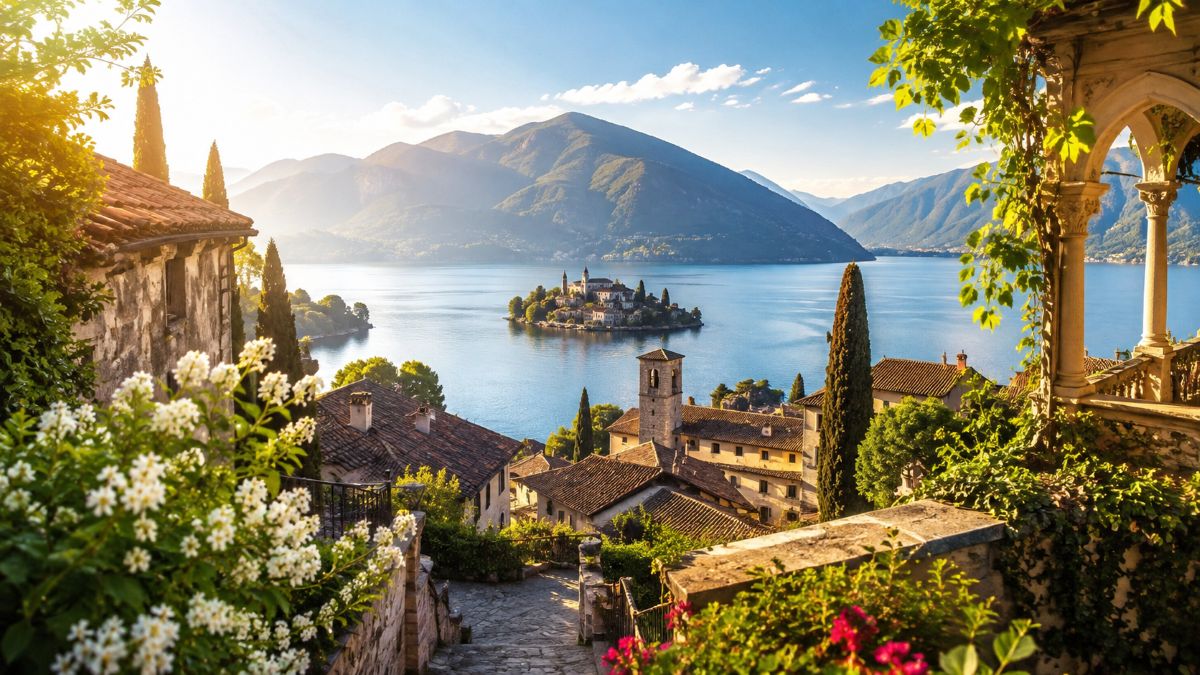
Image generated with Ai
Germany aligns with Croatia and more as a new European travel ranking highlights 12 lesser-known destinations that could reshape how travellers explore the continent, bringing medieval towns, peaceful islands, dramatic mountain landscapes and atmospheric villages into sharper focus. The 2026 selection from European Best Destinations reflects growing interest in places that offer cultural depth and distinctive scenery without relying on Europe’s most heavily visited city breaks.
The ranking stretches across nine countries, with Italy appearing four times and Germany’s Tübingen taking the top position. Croatia’s Motovun follows in second place, while Isola San Giulio on Lake Orta ranks third. The wider selection includes Meteora in Greece, Fiskardo, the Kravice Waterfalls in Bosnia and Herzegovina, Monsaraz in Portugal, Lago di Resia in Italy, Pérouges in France, Gásadalur in the Faroe Islands and Craco in southern Italy. Together, these destinations show that Europe’s appeal extends well beyond its familiar capitals and famous resorts.
Advertisement
Advertisement
Why Europe’s Hidden Destinations Are Attracting Travellers
The latest ranking arrives as travellers increasingly look beyond conventional European itineraries. Rather than concentrating trips around the continent’s busiest cities, visitors are showing greater interest in historic villages, smaller communities, natural landscapes and destinations where local character remains central to the experience.
European Best Destinations, a Brussels-based travel organisation, says its rankings are based on votes from more than 1.3 million travellers across 154 countries. That scale gives the list considerable relevance as an indicator of international travel interest, although a ranking should be viewed as a guide rather than an objective measure of destination quality.
Advertisement
Advertisement
The 2026 hidden-gems selection is particularly notable because it combines different forms of travel appeal. Some destinations are suited to history and architecture, others to hiking, gastronomy, photography, island escapes or slow travel.
Advertisement
Advertisement
| Rank | Destination | Country | Main Travel Appeal |
|---|---|---|---|
| 1 | Tübingen | Germany | University culture, historic centre and Neckar River |
| 2 | Motovun | Croatia | Medieval heritage, truffles and Istrian scenery |
| 3 | Isola San Giulio | Italy | Lake escape, spirituality and Romanesque architecture |
| 4 | Alberobello | Italy | Trulli architecture and Puglian cuisine |
| 5 | Meteora | Greece | Monasteries, rock formations and hiking |
| 6 | Fiskardo | Greece | Ionian waterfront and traditional village character |
| 7 | Kravice Waterfalls | Bosnia and Herzegovina | Nature, waterfalls and outdoor recreation |
| 8 | Monsaraz | Portugal | Hilltop heritage and Alentejo landscapes |
| 9 | Lago di Resia | Italy | Alpine scenery and submerged village history |
| 10 | Pérouges | France | Medieval streets and historic architecture |
| 11 | Gásadalur | Faroe Islands | Remote landscapes and dramatic waterfalls |
| 12 | Craco | Italy | Abandoned village and cinematic atmosphere |
Tübingen Leads Europe’s 2026 Hidden-Gem Ranking
Tübingen in south-west Germany takes the number-one position, offering an alternative to the country’s better-known city destinations. Located near Stuttgart, the university town combines colourful half-timbered buildings with a lively academic atmosphere.
The Neckar River is central to the visitor experience, with traditional boat trips providing views of the historic waterfront. Travellers interested in culture can explore Hölderlin Tower, associated with German poet Friedrich Hölderlin, while Hohentübingen Castle houses a museum of ancient cultures. The university’s botanical garden adds another dimension to a city where education, history and everyday local life overlap.
Motovun Brings Medieval Croatia Into Focus
Croatia’s Motovun occupies second place, offering a very different interpretation of a European escape. Perched above the Mirna River valley in Istria, the medieval settlement is surrounded by vineyards and woodland.
Its stone streets, old defensive walls and elevated viewpoints create a strong sense of place. Food is another major attraction, particularly during the autumn truffle season associated with the nearby Motovun Forest. Regional wine and traditional Istrian cuisine further strengthen its appeal for travellers seeking a combination of heritage and gastronomy.
Isola San Giulio Offers A Quiet Italian Lake Escape
Third-ranked Isola San Giulio sits on Lake Orta in Piedmont. Known as the “Island of Silence”, the small destination appeals to travellers seeking a slower experience away from the more famous Italian lakes.
Advertisement
Advertisement
The 12th-century Basilica di San Giulio provides the island’s principal historic attraction, while a peaceful walking route known as the Way of Silence encourages visitors to explore at an unhurried pace. The short boat journey from Orta San Giulio makes the island particularly suitable for a day trip or a quiet addition to a northern Italy itinerary.
Alberobello And Meteora Deliver Two Dramatic Travel Experiences
Alberobello, in Italy’s Puglia region, ranks fourth and is instantly recognisable for its trulli, traditional stone dwellings with conical roofs. The Rione Monti and Aia Piccola districts provide the heart of the visitor experience, while Trullo Sovrano offers a distinctive look at this architectural tradition.
Puglian food adds another reason to visit, with orecchiette, burrata and focaccia forming part of the regional culinary identity.
At number five, Meteora in central Greece combines natural drama with religious heritage. Monasteries appear to rise directly from enormous rock formations, creating one of Europe’s most recognisable landscapes. Six monasteries remain active, including Great Meteoron and Varlaam, while surrounding trails make the area attractive to walkers and outdoor travellers.
Greece, Bosnia And Portugal Expand The Hidden-Gem Map
Fiskardo, on Kefalonia, represents the island category within the ranking, bringing together colourful waterfront architecture, Ionian scenery and a more intimate alternative to Greece’s busiest destinations.
Advertisement
Advertisement
The Kravice Waterfalls in Bosnia and Herzegovina shift the focus towards nature. Cascading water, limestone formations and surrounding greenery create strong potential for swimming, photography and outdoor exploration.
Portugal’s Monsaraz offers another kind of escape. Its elevated position and historic character provide broad views across the Alentejo landscape, making it well suited to travellers interested in heritage, rural scenery and slower-paced journeys. The destination’s appeal illustrates how smaller historic settlements can become significant travel experiences without the scale of major urban centres.
Alpine Italy And Medieval France Add Further Variety
Lago di Resia in northern Italy is among the ranking’s most visually distinctive destinations. The submerged settlement of Curon is remembered through the church bell tower that rises from the reservoir, creating an unusual landscape against the surrounding mountains. The lake’s history adds depth to what might otherwise be viewed simply as an Alpine scenic stop.
France’s Pérouges, meanwhile, represents traditional medieval Europe. Its preserved streets and historic architecture offer travellers an atmospheric alternative to France’s major tourist centres.
The inclusion of both destinations reinforces the diversity of the 2026 list, where cultural history and landscape are repeatedly placed alongside opportunities for slower exploration.
Advertisement
Advertisement
Gásadalur And Craco Complete The Most Unusual Choices
Gásadalur in the Faroe Islands brings a remote North Atlantic experience to the ranking. Dramatic mountains, open landscapes and waterfalls give the settlement a particularly strong appeal for photographers and outdoor travellers.
At number 12, Craco in Basilicata provides perhaps the most unusual Italian experience on the list. The abandoned hilltop settlement has an eerie atmosphere created by empty streets and deteriorating historic buildings. Its distinctive appearance has also attracted filmmakers, adding a cinematic dimension to its tourism appeal.
What The Ranking Means For European Travel In 2026
The significance of the list extends beyond the 12 destinations themselves. It reflects a broader travel preference for authenticity, manageable scale and experiences rooted in local culture and landscape.
For travellers planning European holidays, these places can also complement established destinations rather than necessarily replacing them. A trip to Germany could combine Stuttgart with Tübingen, while an Italian itinerary could move beyond major cities towards Lake Orta, Puglia, South Tyrol or Basilicata.
The key advantage is variety. These destinations offer architecture, food, nature, history and community life in combinations that are difficult to replicate in large tourist centres. Responsible visitors should nevertheless remember that “hidden gem” status can change quickly when international attention increases. Respecting local communities, protecting natural environments and travelling outside peak periods can help preserve the qualities that made these destinations attractive in the first place.
Advertisement
Advertisement
Frequently Asked Questions
1. What is the best hidden gem in Europe for 2026?
Tübingen in Germany ranks number one in the 2026 European Best Destinations hidden-gems selection.
2. Which Croatian destination ranks among Europe’s best hidden gems?
Motovun in Istria ranks second and is known for its medieval setting, vineyards and truffle-producing surroundings.
3. Which Italian destination ranks third?
Isola San Giulio on Lake Orta ranks third and is known as the Island of Silence.
4. How many Italian destinations appear in the top 12?
Italy has four destinations in the ranking: Isola San Giulio, Alberobello, Lago di Resia and Craco.
5. Why is Alberobello popular with travellers?
Alberobello is famous for its distinctive trulli houses, historic districts and Puglian culinary traditions.
Advertisement
Advertisement
6. What makes Meteora special?
Meteora combines enormous rock formations with historic Eastern Orthodox monasteries and hiking opportunities.
7. Is Motovun suitable for food-focused travellers?
Yes. The surrounding Istrian region is particularly associated with truffles and regional wines, making Motovun attractive for culinary travel.
8. What is unusual about Lago di Resia?
The bell tower of the former church at Curon rises from the reservoir, recalling the settlement that was submerged during the creation of the lake.
9. Which destination is best suited to remote landscape experiences?
Gásadalur in the Faroe Islands stands out for its dramatic mountain and waterfall scenery.
10. What does the 2026 ranking suggest about European travel?
It suggests that travellers are increasingly interested in smaller destinations offering distinctive culture, nature, heritage and slower experiences beyond Europe’s busiest tourist centres.
Advertisement
