
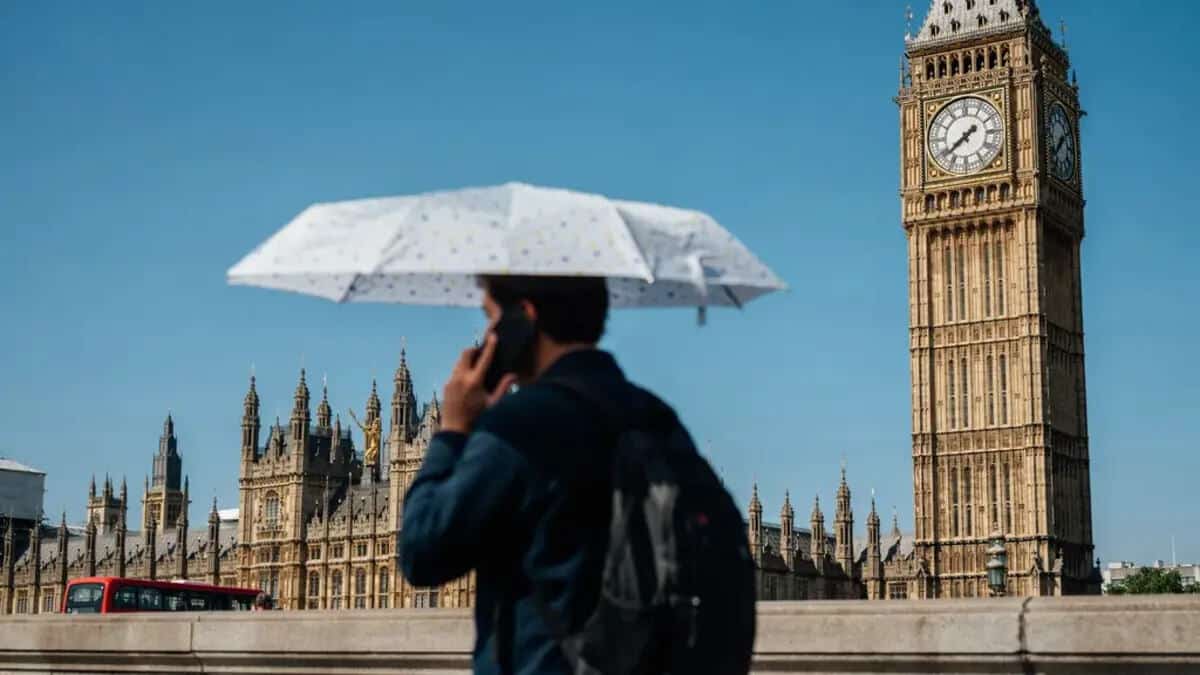
Image generated with Ai
UK Stands With Spain and More as Extreme Heat Impacts Europe’s Tourism Future. Europe’s tourism industry is entering a new climate era as extreme summer heat, prolonged drought and rising environmental risks threaten some of the continent’s most popular destinations. The United Kingdom’s hottest summer on record in 2026 has seen a wider regional crisis as Spain, France, Italy, Greece, Portugal and other major travel markets are also facing intense heatwaves, water stress and wildfire threats.
The changing climate pattern is creating new challenges for destination managers, hospitality businesses and tourism authorities. Traditional peak-season travel models built around hot Mediterranean summers are increasingly being questioned as temperatures rise, outdoor attractions become vulnerable and travellers begin adjusting their holiday preferences.
The UK recorded its warmest summer since national records began, with the June–August 2026 period reaching a provisional average temperature of 16.5°C. The record-breaking summer followed another record year in 2025 and was marked by repeated heatwaves, limited rainfall and widespread drought conditions.
Climate analysis indicated that human-driven greenhouse gas emissions had significantly increased the likelihood of such extreme temperatures. The event demonstrated how rapidly weather patterns are changing across Europe, affecting not only communities but also tourism infrastructure, visitor behaviour and destination planning.
Advertisement
For the UK tourism sector, the impact extends beyond weather discomfort. Countryside destinations, heritage attractions, national parks and outdoor experiences are increasingly facing risks from:
The shift is encouraging tourism planners to focus more heavily on spring and autumn travel seasons, when temperatures are becoming more attractive for visitors seeking outdoor experiences.
Spain, one of Europe’s leading tourism destinations, has been among the countries most affected by extreme summer temperatures. Repeated heatwaves have placed pressure on cities, coastal resorts and rural destinations that depend heavily on summer visitor spending.
The country’s tourism economy has traditionally benefited from long sunny summers, attracting millions of international visitors to beaches, cultural cities and island destinations. However, rising temperatures are changing the perception of summer travel.
Advertisement
Advertisement
Major challenges facing Spain tourism include:
Spain is increasingly expected to strengthen climate adaptation strategies, including sustainable water management, heat-resilient urban design and tourism diversification beyond traditional summer months.
France has also experienced severe heat conditions, with major cities and tourism regions affected by rising temperatures. Extreme heat has created challenges for outdoor attractions, cultural landmarks and urban tourism experiences.
Paris and other major visitor hubs are particularly vulnerable because many attractions involve outdoor walking routes, historic buildings and open public spaces.
The French tourism sector is responding by focusing on:
France’s experience shows how climate change is affecting not only nature-based tourism but also Europe’s iconic cultural travel markets.
Italy’s tourism industry is facing growing climate challenges as extreme heat affects cities, coastal areas and rural landscapes. Popular destinations such as historic cities, Mediterranean islands and countryside regions are experiencing increased environmental pressure.
The risks include:
Italy’s tourism future is expected to rely increasingly on climate adaptation measures, including sustainable city management, improved water systems and promotion of alternative travel seasons.
Greece remains one of Europe’s most popular summer destinations, but rising temperatures are creating challenges for its island and mainland tourism markets.
The country’s tourism economy depends heavily on warm-weather travel, making climate resilience a key priority.
Major concerns include:
Greek destinations are increasingly exploring strategies such as extending shoulder seasons, promoting lesser-known regions and improving sustainability standards across hotels and resorts.
Portugal’s coastal destinations have experienced increasing climate-related challenges, particularly during periods of extreme heat and dry conditions.
Tourism authorities are focusing on:
The country’s appeal as a mild-weather destination may remain strong, but climate adaptation will become essential as summer temperatures continue rising.
Climate impacts are also spreading beyond Mediterranean countries. Germany and parts of Central Europe have experienced drought conditions, low river levels and increased environmental stress.
These changes affect tourism activities linked to:
Lower water levels in major rivers and stressed ecosystems demonstrate that climate change is influencing tourism markets across Europe, not only traditional hot-weather destinations.
Mountain destinations are also being affected by changing climate patterns. Warmer temperatures are influencing Alpine landscapes, water availability and seasonal tourism patterns.
The impacts include:
While cooler Alpine destinations may benefit from travellers seeking relief from extreme summer heat, they must also manage environmental pressures caused by rising visitor numbers.
The climate crisis is forcing European tourism destinations to rethink how travel is managed. The traditional model of concentrating millions of visitors during the hottest months is becoming increasingly challenging.
Tourism authorities and businesses are now focusing on:
A growing number of destinations are also positioning themselves around “cooler travel” opportunities, encouraging visitors to explore northern regions and alternative seasons.
The UK’s record-breaking summer has become a symbol of a wider European climate challenge. From Spain’s Mediterranean resorts to France’s cultural cities, Greece’s islands and Italy’s heritage destinations, extreme heat is reshaping how tourism operates.
Europe’s leading tourism economies are not facing the end of summer travel, but they are entering a period where adaptation will determine long-term competitiveness. Destinations that successfully manage heat, water shortages and environmental risks will be better positioned to attract future travellers.
UK backs Spain and More in the Face of Extreme Weather Threatening Europe’s Tourism Future. Record-breaking heat, drought and the risk of wildfires are forcing major travel destinations to adapt as climate change impacts visitor patterns, tourism operations and summer travel demand across Europe.
How the region’s tourism industry evolves as climate change progresses will have a significant impact on future visitor numbers and the ability to offer unique and unforgettable experiences for years to come.
Advertisement
Advertisement
Advertisement













Saturday, September 5, 2026

Friday, September 4, 2026

Saturday, September 5, 2026

Friday, September 4, 2026

Thursday, September 3, 2026

Wednesday, September 2, 2026

Saturday, September 5, 2026



