

France Links Up With UK And Other Countries In Experiencing A Major Energy Relief Wave As Oil Prices Tumble Over 5% After US Halts Night Strikes On Iran, Triggering Powerful Hope For Airlines, Tourism Growth And Economic Recovery Across Europe

Published
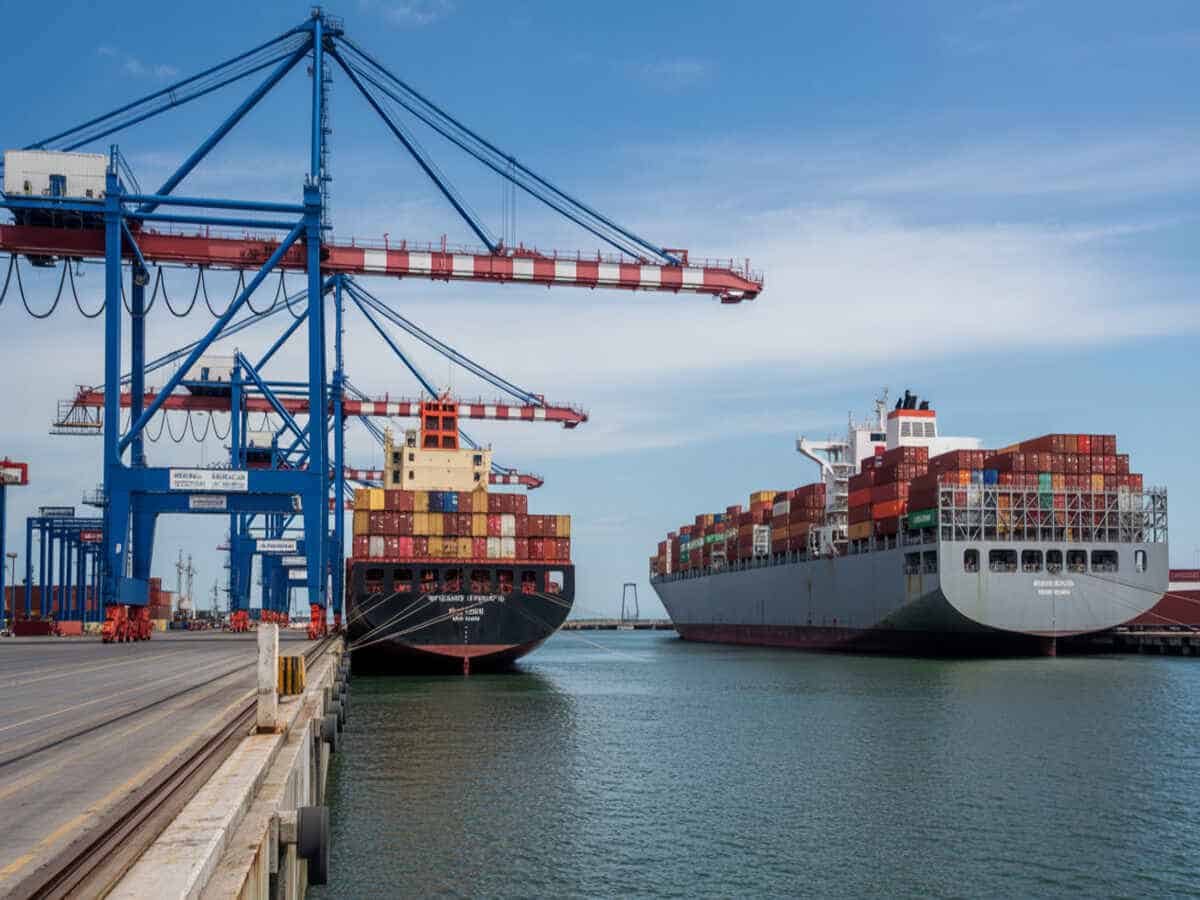
France, the UK and other European nations are experiencing a major energy relief wave after oil prices tumbled more than 5% following the US halt on night strikes against Iran, as reduced fears of a wider conflict ease fuel cost pressures, strengthen airline confidence, support tourism recovery and bring fresh economic optimism across Europe. The sudden market shift has provided much-needed relief to energy-dependent economies, with lower crude prices offering potential benefits for aviation, transportation, businesses and travellers while creating hopes for a more stable travel and economic environment.
France, the UK and other European countries are experiencing a major energy relief wave as oil prices tumble more than 5% after the US halted night strikes on Iran, reducing fears of a wider Middle East conflict, easing global fuel pressure and creating fresh hopes for airlines, tourism growth and economic recovery across Europe. The sudden market shift has brought optimism to energy-dependent economies, with lower crude prices expected to support aviation, transportation, consumer spending and travel demand while providing temporary stability to businesses facing prolonged cost challenges. As investors respond positively to the possibility of regional de-escalation, European tourism destinations, airlines and industries are watching closely for a new period of energy stability and stronger economic momentum.
Advertisement
Advertisement
France, the United Kingdom and several other European countries are experiencing a major energy relief wave after oil prices dropped more than 5% following the US decision to pause night strikes on Iran, reducing fears of a wider Middle East crisis and creating fresh optimism for airlines, tourism businesses and economic recovery across the continent.
The sudden decline in crude prices marked a major shift in market sentiment after weeks of uncertainty. Investors had previously pushed oil prices higher because of fears that continued military escalation could threaten energy supplies, disrupt shipping routes and increase fuel costs worldwide.
Advertisement
Advertisement
The pause in US strikes created expectations that tensions could ease and that diplomatic channels may reopen. This reduced the geopolitical risk premium added to oil prices and brought immediate relief to European economies that depend heavily on imported energy.
For Europe’s travel industry, the development has created new optimism. Airlines, airports, cruise operators, hotels and tourism businesses have been watching fuel markets closely because energy costs directly influence operating expenses, ticket prices and traveller confidence.
Advertisement
Advertisement
Although uncertainty remains, the temporary calm has provided a crucial breathing space for businesses and consumers facing years of energy price pressure.
Why Oil Prices Fell More Than 5% After US Paused Night Strikes On Iran
The sharp decline in oil prices was mainly driven by reduced fears of a major supply disruption from the Middle East.
Before the pause, markets were worried that continued US-Iran military confrontation could affect critical energy routes, especially the Strait of Hormuz, one of the world’s most important oil transit corridors.
Any serious disruption in this region could have affected crude shipments from Gulf producers, increased insurance costs for tanker operators and created another global energy shock.
However, after the US announced a pause in night strikes, traders began removing some of the risk premium from oil prices. The market reaction reflected expectations that supply disruptions might be avoided and that diplomatic efforts could prevent further escalation.
Brent crude and West Texas Intermediate (WTI) both recorded significant declines, with oil prices falling more than 5% as investors reacted positively to the possibility of regional stabilisation.
Advertisement
Advertisement
The decline provided relief not only to energy markets but also to industries directly connected to fuel consumption, including aviation, tourism, logistics and transportation.
France Leads European Relief As Lower Energy Costs Support Tourism And Travel Confidence
France is among the European countries receiving major relief from falling oil prices because energy costs have a direct impact on its transport sector, aviation industry and tourism economy.
The country is one of the world’s leading tourism destinations, attracting millions of international visitors every year. Lower fuel costs could support airlines operating flights to major French destinations, including Paris, Nice, Lyon and other tourism hubs.
French airlines and aviation companies may benefit from reduced pressure on jet fuel expenses, which remain among the largest operating costs for carriers.
A more stable energy environment could also encourage travel demand by reducing concerns about rising ticket prices and transportation expenses.
For French consumers, lower fuel costs could improve household confidence and create more opportunities for domestic travel, road tourism and leisure spending.
Advertisement
Advertisement
The country’s hospitality sector, including hotels, restaurants and attractions, could also gain from improved economic sentiment.
United Kingdom Gains Relief As Airlines And Travellers Benefit From Energy Market Stability
The United Kingdom is another major European economy receiving relief after the oil price decline.
The UK aviation sector has remained highly sensitive to fuel costs because airlines operate extensive international networks connecting London and other cities with global destinations.
Lower crude prices could help reduce pressure on airline operating budgets and support more competitive ticket pricing.
Airports such as London Heathrow, Gatwick and Manchester could benefit from improved airline confidence if fuel costs remain stable.
The tourism sector may also receive a boost. Cheaper transportation costs can encourage travellers to plan holidays, increase domestic tourism activity and support international visitor demand.
Advertisement
Advertisement
For British households, lower petrol prices could provide additional financial relief by reducing daily transport expenses.
Germany Experiences Industrial And Economic Relief From Falling Oil Prices
Germany, Europe’s largest economy, is also expected to benefit significantly from lower energy costs.
The country’s manufacturing sector depends heavily on stable energy prices. Industries including automotive production, engineering, chemicals and logistics have faced pressure from higher operating expenses.
A decline in oil prices can help German businesses manage costs and improve competitiveness.
Lower transportation expenses can also support supply chains across Europe because Germany plays a central role in regional trade networks.
The travel industry could also benefit. German travellers represent one of Europe’s largest outbound tourism markets, and improved consumer confidence can support stronger holiday demand.
Advertisement
Advertisement
Airlines serving Germany’s major airports, including Frankfurt and Munich, may also experience reduced fuel-related pressure.
Spain Sees Tourism Opportunity As Cheaper Energy Supports Travel Growth
Spain is one of Europe’s biggest tourism economies and could experience significant benefits from falling oil prices.
The country welcomes millions of international visitors every year, making aviation and transport costs extremely important for tourism growth.
Lower fuel prices could support airlines flying to Spanish destinations such as Madrid, Barcelona, the Balearic Islands and the Canary Islands.
Cheaper aviation costs could help maintain affordable fares and encourage more international visitors.
Spain’s hospitality sector could also benefit as travellers feel more confident about spending on flights, accommodation, restaurants and experiences.
Advertisement
Advertisement
The decline in energy costs may also support Spain’s wider economy by reducing pressure on businesses and consumers.
Italy Receives Tourism Boost As Energy Pressure Begins To Ease
Italy is another country where lower oil prices could create positive effects, especially for tourism.
The country’s tourism economy depends heavily on transportation, including flights, trains, cruise operations and road travel.
Lower fuel costs could support airlines connecting Italy with international markets and help cruise operators manage operational expenses.
Popular destinations such as Rome, Venice, Milan, Florence and Mediterranean islands could benefit from stronger travel confidence if energy markets remain stable.
Italian businesses, particularly hotels, restaurants and tourism operators, may experience improved conditions as consumers face fewer concerns about rising travel costs.
Advertisement
Advertisement
Netherlands Benefits Through Shipping, Logistics And Aviation Sectors
The Netherlands is also gaining relief because it is a major European transport and energy hub.
The Port of Rotterdam plays a vital role in international trade and energy distribution. Lower oil prices can support shipping companies, logistics operators and businesses connected to global supply chains.
The aviation sector, including operations at Amsterdam Schiphol Airport, could also benefit from reduced fuel pressure.
For the Dutch economy, lower energy costs could improve business confidence and reduce inflation concerns.
Greece Gains Hope For Tourism And Maritime Recovery
Greece is another European country where falling oil prices could create important benefits.
Tourism is one of the strongest pillars of the Greek economy, with millions of visitors travelling to islands and coastal destinations every year.
Advertisement
Advertisement
Energy costs influence airlines, ferries, cruise operators and tourism businesses across the country.
Lower oil prices could support more affordable transportation and encourage greater travel demand.
The Greek shipping industry may also benefit because fuel costs represent a major expense for maritime operations.
Nordic Countries Welcome Greater Energy Stability
Northern European countries, including Sweden, Denmark, Finland and Norway, are also expected to benefit from calmer energy markets.
Although each country has a different energy structure, lower oil prices can support consumers, businesses and transportation networks.
Reduced fuel costs can help control inflation pressure and improve economic confidence.
Advertisement
Advertisement
For tourism, cheaper transportation expenses can support both domestic travel and international visitor movement.
How US-Iran Strike Halt Creates New Hope For Airlines And Global Tourism
The biggest travel impact from the oil price decline could come through aviation.
Fuel is one of the largest expenses for airlines, and sudden increases in crude prices can quickly affect ticket prices and profitability.
A sustained reduction in oil prices could provide airlines with:
- Lower fuel expenses
- More stable operating costs
- Greater pricing flexibility
- Stronger international connectivity
- Improved passenger confidence
European airlines have faced years of cost challenges, including fuel volatility, inflation and operational disruptions.
The US-Iran pause offers temporary relief by reducing one of the biggest geopolitical risks affecting global energy markets.
Advertisement
Advertisement
Tourism businesses could also benefit because cheaper transportation often encourages more people to travel.
Hotels, airports, attractions and local economies could experience stronger demand if travellers feel more confident about future costs.
Economic Recovery Hopes Grow Across Europe But Risks Remain
Europe is gaining a major economic and energy boost as oil prices fall more than 5% after the US pause on Iran strikes, easing fears of fuel shortages, rising costs and wider regional disruption while creating fresh optimism for airlines, tourism and businesses.
However, the relief remains fragile as markets continue watching US-Iran developments, with any renewed military escalation capable of pushing oil prices higher again and reviving energy security concerns across Europe. For now, the temporary calm has delivered a powerful confidence boost to European economies, travel industries and global energy markets.
France, the UK and other European countries are using this moment of stability to strengthen expectations for lower energy costs, stronger aviation performance and renewed tourism growth.
France, the UK and other European countries are gaining a major energy relief boost as oil prices fall more than 5% after the US halted night strikes on Iran, reducing fears of supply disruptions and creating fresh optimism for airlines, tourism growth and economic recovery across Europe. The drop in crude prices has eased fuel cost pressures, improved market confidence and offered temporary support to businesses, travellers and aviation industries.
Advertisement
Advertisement
The US decision to pause night strikes on Iran has therefore created a powerful ripple effect far beyond the battlefield, offering relief to global energy markets and opening new possibilities for Europe’s travel and economic recovery.
FAQs
1. Why did oil prices fall more than 5% after the US paused strikes on Iran?
Oil prices dropped more than 5% because the pause in US strikes reduced fears of a wider Middle East conflict that could disrupt global energy supplies. Traders lowered the risk premium attached to crude oil as hopes increased for diplomatic progress and safer shipping conditions through important energy routes.
2. How is the US-Iran strike pause benefiting European countries?
The US-Iran strike pause is providing relief to European countries by reducing concerns over rising fuel costs, energy shortages and inflation pressure. Lower oil prices can support industries, transportation networks, airlines and tourism businesses that depend heavily on stable energy markets.
3. Which European countries are receiving the biggest energy relief from falling oil prices?
France, the UK, Germany, Spain, Italy and the Netherlands are among the European countries expected to benefit significantly. These nations have large aviation markets, major tourism industries, extensive transport networks and energy-dependent businesses that can gain from lower fuel costs.
4. How could falling oil prices help European airlines and travellers?
Lower oil prices can reduce airline fuel expenses, which are among the biggest operating costs for carriers. If the decline continues, airlines may experience improved cost stability, while travellers could benefit from more affordable ticket pricing and stronger international connectivity.
5. Will lower oil prices boost tourism growth across Europe?
A sustained decline in oil prices could support tourism growth by making air travel, road journeys and transportation more affordable. Lower energy costs may encourage more travellers to plan holidays while helping hotels, attractions, airports and tourism businesses manage operating expenses.
6. How does the Middle East situation affect global travel and aviation?
The Middle East plays a crucial role in global aviation and energy markets. Rising tensions can affect flight routes, airspace availability, fuel prices and passenger confidence. A calmer situation can improve airline operations and strengthen travel demand worldwide.
Advertisement
