

Rio de Janeiro, Foz do Iguaçu and More Lead Brazil Into a New Era of Accessible Adventure Travel

Published
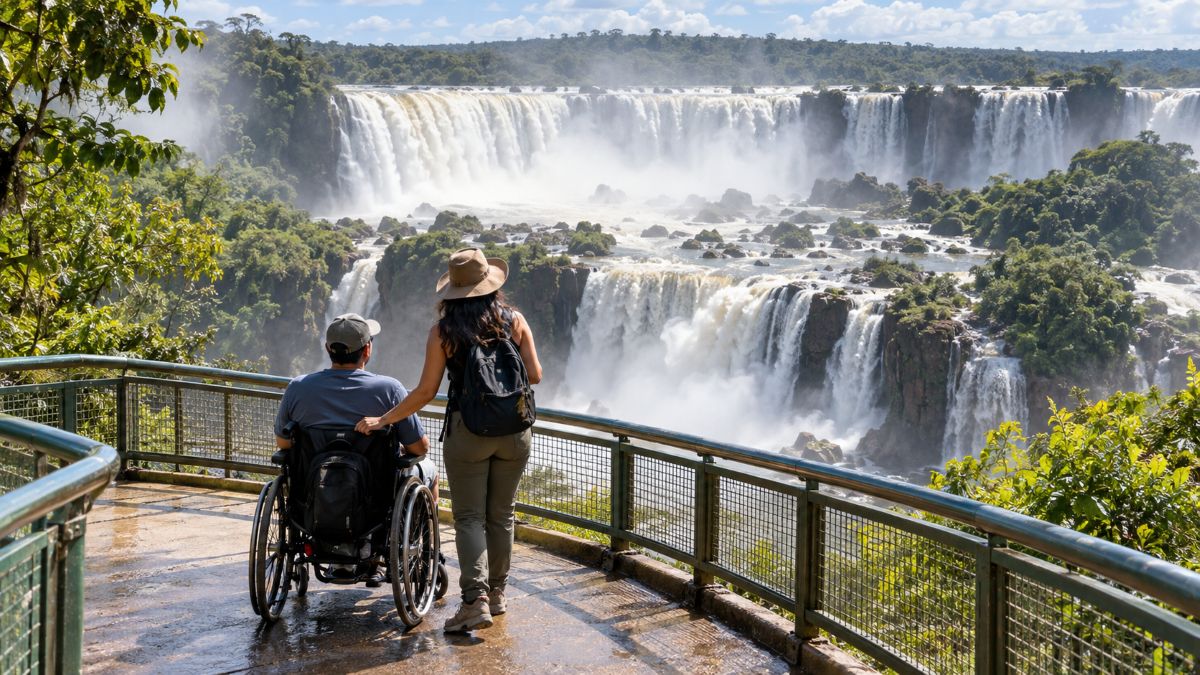
Brazil is opening more travel experiences to disabled visitors and people with reduced mobility. The change is important. Travel should not belong only to people who can climb steep paths, walk long distances or use stairs without help.
Across Brazil, some destinations are improving access to beaches, parks, museums, forests and water-based activities. The progress is not the same everywhere. A ramp at one attraction does not mean an entire city is easy to explore. Yet real changes are taking place.
Rio de Janeiro, Foz do Iguaçu, Bonito, São Paulo and Recife show how travel can become more open. These destinations offer different experiences. One has famous beaches. Another has huge waterfalls. One brings visitors into clear rivers. Another gives people access to art and history. Together, they show that adventure can include more people.
Brazil does not have major alpine ski resorts. It should not be promoted as a skiing destination. Its stronger story is accessible nature, beach access, adapted transport, forest trails, cultural spaces and outdoor activities.
Rio de Janeiro Opens Famous Views and Nature Experiences
Rio de Janeiro is one of Brazil’s best-known cities. It has beaches, mountains, forests and major landmarks. It is also making more of these places easier to visit for people with disabilities.
Sugarloaf Mountain offers platforms, ramps and lifts to help wheelchair users reach key viewing areas. This means more visitors can enjoy the city’s wide ocean and mountain views. Christ the Redeemer also has wheelchair spaces on its train service. Escalators help visitors move through parts of the upper area.
Rio also brings nature into the accessible travel story. Tijuca Forest has accessible trails and waterfalls in selected areas. This is important because forests are often difficult for wheelchair users and people with limited movement. The Botanical Garden has a sensory garden where visitors with visual impairments can touch plants and enjoy different smells.
The city also has strong museum access. The Museum of Tomorrow provides ramps, tactile floors, adapted toilets, Braille material, models and audio guides. The Museum of Art of Rio offers Braille texts, captioned videos and tactile models.
Rio’s progress does not stop at buildings. Accessible travel services in the city include adapted vehicles, wheelchair hire, amphibious chairs for beach and water access, and audio-description guides. This gives travellers more choice when planning a city break.
Advertisement
Advertisement
Foz do Iguaçu Makes Waterfall Adventure More Inclusive
Foz do Iguaçu is home to one of the world’s great natural sights. The Iguaçu Falls are powerful, loud and surrounded by rainforest. For many years, visitors with mobility needs faced major limits when trying to see them closely. The destination is now showing what accessible nature travel can look like.
Iguaçu National Park has adapted buses for wheelchair users. It also provides wheelchairs at the Visitor Centre and Porto Canoas. Accessible toilets are available at visitor support areas. Ramps and lifts help visitors reach important viewpoints and sections of the waterfall route.
The park has also improved access to the Falls Walkway and the famous Devil’s Throat viewing area. These changes matter because they bring visitors closer to the sound, mist and force of the falls. A person should not have to watch Brazil’s natural wonders only from far away.
Foz do Iguaçu also offers adaptive hand bikes and tandem bicycles. These facilities add an active outdoor option for visitors with disabilities. They help turn a sightseeing trip into an adventure experience.
Still, travellers should plan carefully. Not every route in the park is suitable for every wheelchair or mobility level. Some forest paths are long or uneven. Visitors should ask the park which areas fit their personal needs before arriving.
Bonito Faces the Tough Challenge of Accessible Ecotourism
Bonito is famous for crystal-clear rivers, caves, waterfalls, fish and forest. It is one of Brazil’s leading nature destinations. It is also one of the most interesting places in the country for accessible adventure travel.
The challenge is clear. Nature does not come with lifts and smooth floors. Paths may be wet, rocky or steep. Rivers can be deep. This means Bonito cannot promise the same access at every attraction.
However, local tourism bodies, guides and attractions are working to improve inclusion. Some experiences have been adapted for visitors with disabilities and reduced mobility. Accessible options have included floating experiences in the Rio Sucuri and Aquário Natural. Nascente Azul has also introduced a floating chair.
At Refúgio da Barra, a riverside day-use area has been planned with accessibility in mind. Visitors can enjoy decks, shallow and deeper water areas, and a natural setting beside the Rio Formoso.
Bonito’s real strength is not a claim that every activity is accessible. Its strength is the growing effort to make nature travel possible through trained guides, adapted equipment and better planning. Visitors should contact each operator directly before booking a cave, trail, river float or water activity.
Advertisement
Advertisement
São Paulo Makes Culture More Open to Every Visitor
São Paulo offers a different kind of accessible adventure. It is Brazil’s biggest city and a major centre for museums, parks, food and culture. It is especially important for disabled travellers who want access to art, history and public spaces.
The city has an Accessible Services Network map. It helps visitors find public places with accessibility resources. This is useful because it gives travellers practical information before they leave their hotel.
Pinacoteca is one of São Paulo’s leading museums. It offers accessible entry, lifts, adapted toilets, Brazilian Sign Language support, Braille and enlarged information material. It also has audio resources, tactile sculpture galleries and inclusive guided visits.
São Paulo also offers outdoor spaces. Ibirapuera Park gives visitors room for leisure, cycling and walking. The city’s museums, parks and cultural venues make it possible to build a holiday with shorter journeys and flexible rest breaks.
This is important for disabled travellers, older visitors and families. Accessibility is not only about entering a building. It is also about having enough information, clear routes, trained staff and a choice of experiences.
Recife Takes Accessible Beach Travel Into the Sea
Recife offers one of Brazil’s strongest accessible beach stories. Its Praia Sem Barreiras programme helps people with disabilities and reduced mobility reach the sand and enter the sea at Boa Viagem.
The service uses amphibious wheelchairs that can move across sand and into the water. Removable beach mats create a firmer route from the promenade to the shore. Trained staff support users during the experience.
This is a major step. Many beaches may have a level path nearby, but soft sand remains a serious barrier. Recife’s programme goes further by helping visitors enjoy the sea itself.
The city has continued work on waterfront access, while the programme has become a lasting part of Recife’s inclusion efforts. However, the service operates at set points and times. It is not available at every beach or all day. Visitors should always confirm the current timetable, weather conditions and support arrangements.
Brazil’s Accessible Travel Story Is Growing
Brazil is not yet a country where every adventure attraction is accessible. That would be an unrealistic claim. But the progress in these five destinations is clear.
Rio de Janeiro is opening its famous sights, forests and museums. Foz do Iguaçu is making rainforest adventure more possible. Bonito is testing new ways to include people in ecotourism. São Paulo is improving access to culture. Recife is helping more people enter the sea.
The next stage is simple but vital. Attractions must keep improving facilities, training staff and sharing clear information. For travellers, advance planning remains essential. When destinations listen to disabled visitors, adventure travel becomes richer, fairer and more exciting for everyone.
Advertisement
Advertisement
Advertisement
