

South Africa Rises Alongside Kenya, Seychelles and More as African Cruise Tourism Shifts Beyond Coastal Ports to Unlock New Safari Travel Opportunities in 2026

Published
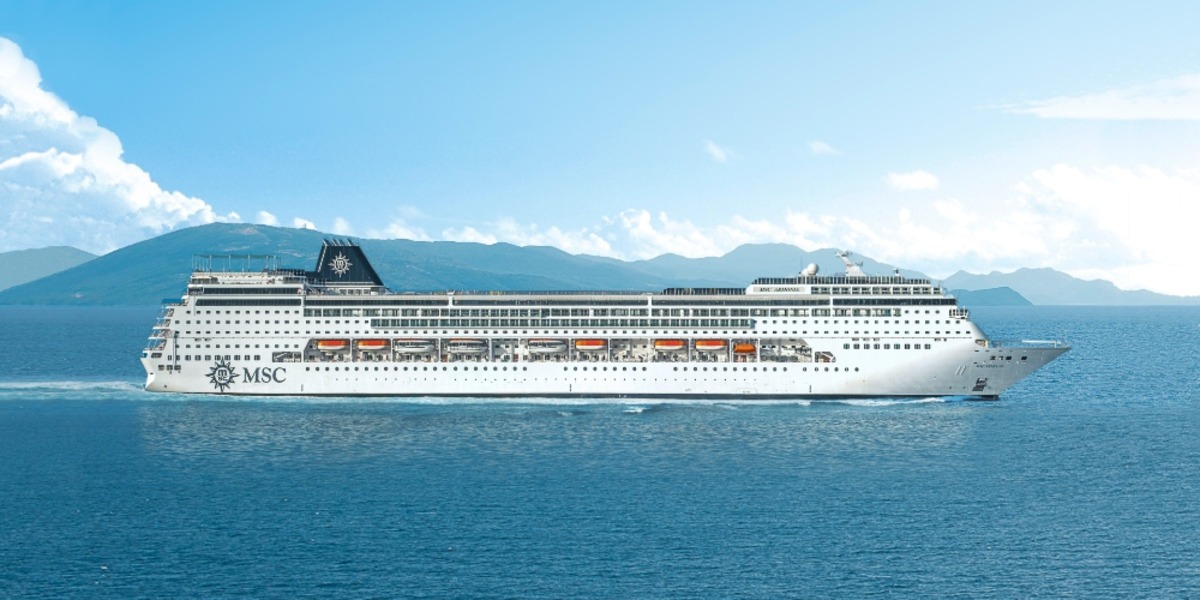
South Africa, Kenya, Seychelles, Namibia, Cape Verde and other African destinations are increasingly connecting cruise tourism with safari adventures, cultural attractions and inland travel opportunities in 2026, aiming to turn short port visits into broader economic benefits for regional businesses and local communities. As cruise operators adjust international routes and travellers seek experiences beyond traditional coastal sightseeing, African tourism authorities are placing greater emphasis on wildlife excursions, local spending, improved visitor access and sustainable destination management. From Cape Town’s expanding cruise economy to Kenya’s national parks and Seychelles’ premium expedition market, the continent is developing a more diversified cruise tourism model that extends well beyond its major harbours.
South Africa Sets the Pace as Cape Town Cruise Tourism Delivers Major Economic Gains
South Africa has emerged as one of the strongest examples of how cruise tourism can contribute to a wider regional visitor economy. The Western Cape’s latest published cruise impact study reveals considerable growth in vessel arrivals, passenger spending and employment. According to Wesgro’s 2024/25 cruise season assessment, Cape Town received approximately 127,000 cruise passengers, an increase of 16% compared with the preceding season’s 110,000. The study recorded 79 qualifying cruise vessel visits, alongside 83 total vessel arrivals at the terminal.
The season generated approximately R1.99 billion in expenditure, up 32% year on year. Its contribution to Western Cape GDP reached R1.79 billion, while the wider national GDP contribution was approximately R2.34 billion. Employment benefits also extended beyond the waterfront. Cruise activity supported 1,234 direct full-time equivalent jobs in the Western Cape, rising to 2,345 when wider economic effects were included. The national employment contribution reached 2,959 jobs.
Over the three seasons from 2022/23 to 2024/25, the combined regional GDP contribution was approximately R4.34 billion, demonstrating how repeat cruise activity can build significant economic value over time. The industry is no longer measured simply through the number of ships arriving at Cape Town. Its economic contribution includes restaurants, transport operators, accommodation providers, shops, tour companies and attractions that serve international visitors.
Advertisement
Advertisement
The latest seasonal development came on 17 September 2026, when Pacific World opened Cape Town‘s 2026/27 cruise season with 1,397 passengers, predominantly from Japan. The economic impact assessment for 2025/26 had not yet been released in Wesgro’s September announcement, making the 2024/25 study the latest confirmed seasonal benchmark.
South Africa’s Wider Tourism Recovery Creates Fresh Opportunities for Cruise Destinations
Cape Town’s cruise growth forms part of a larger recovery in South Africa’s international tourism market. The country’s Department of Tourism reported that international arrivals reached approximately 10.48 million in 2025, representing growth of 17.6% compared with 2024. The upward trend continued into 2026. Between January and August, South Africa welcomed 7,581,455 international tourists, an increase of 11.7% compared with the same eight months in 2025.
Advertisement
Advertisement
August alone recorded 1,005,286 international arrivals, representing annual growth of 7.4%. These numbers cover South Africa’s wider international tourism market and should not be confused with cruise passenger statistics. Nevertheless, they provide an important indication of the growing market in which cruise businesses are operating.
For destination management companies, the connection between cruising and conventional holidays creates opportunities to sell pre-cruise accommodation, post-cruise regional tours and longer inland experiences. Cape Town passengers can combine their coastal itinerary with visits to Stellenbosch and Franschhoek, where established wine tourism businesses offer food experiences, cellar visits and countryside excursions. Cultural attractions in Bo-Kaap, Langa and Khayelitsha add further possibilities for locally guided tourism. These experiences can help distribute spending across neighbourhoods and businesses that do not directly benefit from cruise terminal operations.
Advertisement
Advertisement
Smaller Western Cape Ports Share Cruise Benefits as Regional Spending Expands
One of South Africa’s most important cruise developments is the gradual distribution of visitor spending beyond its principal port cities. Mossel Bay, Hermanus and Saldanha Bay collectively welcomed approximately 32,000 cruise passengers across 26 vessel visits during the 2024/25 season. These visits generated an estimated R47.5 million in local passenger spending, according to Wesgro.
Mossel Bay accounted for much of this activity, benefiting from its coastal tourism attractions and its position along the Garden Route. The figures illustrate how smaller destinations can participate in cruise tourism without developing the same infrastructure scale as Cape Town.
Saldanha Bay’s potential development as a more accessible cruise gateway also highlights the importance of port-entry arrangements and passenger-processing infrastructure. However, the existence of port facilities does not automatically establish unrestricted international passenger entry. Customs, immigration and official port designation remain important requirements. The regional model creates an opportunity to spread cruise-related earnings towards smaller towns, where tourism demand can be more seasonal.
Kenya Connects Mombasa Cruise Passengers With National Parks and Safari Tourism
Kenya is seeking greater economic value from its combination of Indian Ocean coastline and world-renowned wildlife attractions. Mombasa serves as a gateway for international cruise passengers, while nearby and inland destinations offer opportunities for safari tourism. Tsavo East, Tsavo West and Amboseli national parks are important elements of this wider tourism proposition. Their wildlife attractions can support organised excursions when vessel schedules allow sufficient travel time.
Advertisement
Advertisement
Kenya Wildlife Service has introduced group pricing measures that could also support organised tourism products, although the officially published structure requires careful interpretation. Under KWS’s applicable group arrangements for meetings, incentives, conferences and events, discounts are available on park entry fees for qualifying pre-booked groups.
The published 2026 structure includes:
| Eligible group size | Published discount |
|---|---|
| 10–29 participants | 5% |
| 30–49 participants | 10% |
| 50–99 participants | 20% |
| 100 or more participants | 30% |
These discounts are part of the qualifying MICE programme and cannot automatically be described as a blanket 30% reduction for cruise passengers. A separate cruise-to-safari proposal described in the supplied industry briefing targets an increase in safari participation from 20% to 40%, alongside potential tourism receipts of KSh2 billion from 12,000 visitors. Those targets have not been independently confirmed in the official KWS material reviewed.
Seychelles Builds a More Selective Cruise Market Around Expedition Travel and Sustainability
Seychelles is developing a contrasting cruise strategy focused on higher-value tourism, smaller vessels and environmental management. Tourism Seychelles confirmed that its 2025/26 cruise season concluded on 27 June 2026 with the departure of Viking Yi Dun from Port Victoria. The season recorded 41 cruise ship calls, compared with 35 during the preceding season, and included eight maiden calls.
Although the destination had initially anticipated 47 calls, the final count reflected the continuing influence of geopolitical disruptions and itinerary changes. The increased participation of premium and expedition vessels is particularly significant. Smaller ships may place less pressure on port facilities and sensitive tourism attractions, although their environmental and economic performance still depends on operating practices and passenger behaviour. Seychelles’ visitor experiences include island excursions, marine attractions, cultural heritage and guided nature tourism.
Seychelles Economic Research Exposes the Challenge of Keeping Cruise Revenue Local
An economic assessment supported by the United Nations Economic Commission for Africa provides a longer-term perspective on Seychelles’ cruise market. The study covers the period from 2026 to 2033 and examines the sector’s potential economic, social and environmental effects. The supplied assessment identifies projected direct GDP contributions of approximately US$531 million over the eight-year period, with wider multiplier effects potentially increasing the total impact to approximately US$1.247 billion.
Advertisement
Advertisement
These figures represent modelling projections rather than income already received. The precise values should be checked against the complete published cost-benefit study before being presented as independently verified outcomes. The broader analysis highlights a problem affecting numerous cruise destinations: economic leakage.
As a result, a destination can receive thousands of visitors without capturing an equivalent share of their total holiday spending. Seychelles’ approach places greater attention on these commercial links while considering environmental and community costs. The United Nations Economic Commission for Africa has confirmed that the findings were presented to the Seychelles Cabinet in June 2025 and helped establish the basis for a dedicated cruise tourism strategy.
Cape Verde Strengthens Atlantic Cruise Connections as Mindelo Gains Importance
Cape Verde is developing its position as an Atlantic cruise destination, supported by its island geography, cultural attractions and established port network. The supplied 2024 industry figures indicate 110,554 cruise passenger movements across 250 ship calls during that calendar year. For comparison, official port operator ENAPOR recorded 90,852 passengers and 220 calls during the earlier 2023/24 cruise season. These figures cover a different reporting period and should not be treated as directly comparable annual totals.
Mindelo, on São Vicente, plays an important role in the country’s cruise network. Its music heritage, waterfront, local businesses and nearby landscapes provide opportunities for cultural and sightseeing excursions. The wider development of cruise management services, including the reported expansion of Global Ports Holding’s involvement in Mindelo during 2025, reflects commercial interest in West African cruise operations. Cape Verde’s cruise prospects also benefit from its position on Atlantic itineraries linking Europe, Africa and other international markets.
Benin and Ghana Explore the Potential of Heritage Tourism and Easier Cruise Access
West Africa offers cruise experiences centred on history, cultural attractions and coastal heritage. Benin’s tourism proposition includes historic sites, cultural experiences and excursions linked to the country’s wider heritage tourism sector. The supplied briefing identifies a proposed or reported visa exemption for cruise visitors staying less than 72 hours, alongside plans for a dedicated cruise quay in 2027.
However, an official government confirmation of the specific cruise-related exemption and infrastructure delivery timetable was not established during this review. Ghana offers another distinctive cruise tourism product through the historic coastal destinations of Cape Coast and Elmina. Heritage excursions can connect visitors with museums, historic forts, local guides, markets and cultural programmes. For West African cruise ports, passenger-processing efficiency is also essential. Longer immigration procedures and limited onward transport can reduce the time available for excursions during short vessel calls.
Advertisement
Advertisement
Namibia Turns Walvis Bay Into a Gateway for Desert and Coastal Experiences
Namibia’s cruise tourism proposition is built around the meeting of the Atlantic Ocean and the Namib Desert. Walvis Bay provides access to coastal landscapes, marine wildlife activities, desert excursions and the dramatic surroundings of Sandwich Harbour. The Namibian Ports Authority has established major port infrastructure at Walvis Bay, including facilities intended to accommodate cruise activity. The destination’s appeal lies in experiences that differ substantially from conventional urban sightseeing.
The availability of specialist guides and suitable vehicles is particularly important for excursions involving protected or difficult terrain. Long-distance destinations such as Etosha National Park offer strong appeal for extended Namibia holidays. However, their distance from Walvis Bay means they are generally more appropriate for longer land-based itineraries rather than routine same-day cruise excursions. The reported establishment of African Cruise Service in Walvis Bay during late 2025 also indicates interest in specialist destination handling, although its operational details were not independently verified through an official authority.
Tanzania and Mozambique Connect Coastal Arrivals With Wildlife and Cultural Attractions
Tanzania and Mozambique provide further examples of destinations where cruise tourism can connect maritime arrivals with established land-based experiences. In Tanzania, Dar es Salaam and Zanzibar offer different opportunities for international passengers. Zanzibar’s cultural heritage, historic streets and coastal tourism facilities are particularly relevant to shorter sightseeing itineraries. Mainland wildlife destinations such as Mikumi and Nyerere national parks offer additional safari opportunities, although their inclusion in cruise excursions depends on transfer times, vessel schedules and available transport services.
Mozambique’s capital, Maputo, provides access to heritage attractions, food experiences, markets and cultural tourism. The supplied industry outlook suggests approximately 16,000 cruise visitors across 15 calls during 2026. This should be regarded as an indicative forecast because corresponding official confirmation of the full-year schedule was not established. Markets such as FEIMA offer opportunities to connect international visitors with local craft producers.
Red Sea Security Disruptions Reshape Cruise Planning Around Africa
Security concerns affecting the Red Sea and Suez Canal route have influenced international cruise planning and created additional interest in alternative passages around southern Africa. Operators adjusting world cruise and repositioning itineraries may incorporate stops in destinations such as Durban, Cape Town and Walvis Bay, alongside Indian Ocean and Atlantic island ports. The supplied industry examples include route changes involving MSC Cruises and other international operators.
However, individual 2026 vessel itineraries require confirmation against current operator schedules, since ports of call may change. Longer international itineraries can introduce new passenger markets to ports that previously received fewer calls. These visitors may subsequently return for extended holidays, although repeat-visit conversion requires separate measurement.
Advertisement
Advertisement
Africa Cruise Tourism in 2026: The Regional Opportunities at a Glance
| Destination | Latest data or development | Main inland or local tourism opportunity |
|---|---|---|
| South Africa | 127,000 Western Cape cruise passengers in 2024/25; R1.79bn regional GDP contribution | Winelands, cultural tourism, coastal towns |
| Kenya | KWS published qualifying group-entry discounts of up to 30% | Tsavo, Amboseli and organised wildlife tourism |
| Seychelles | 41 cruise calls during 2025/26, including eight maiden calls | Expedition cruising, nature tourism, local excursions |
| Cape Verde | Supplied 2024 figures indicate 110,554 passenger movements and 250 calls | Mindelo culture, coastal sightseeing, local markets |
| Namibia | Walvis Bay supports cruise and specialist tourism access | Sandwich Harbour, marine wildlife, desert excursions |
| Ghana | Heritage excursion opportunities along the coast | Cape Coast, Elmina and cultural experiences |
| Benin | Reported short-stay visa facilitation and cruise infrastructure plans require confirmation | Heritage tourism and coastal cultural routes |
| Tanzania | Dar es Salaam and Zanzibar offer access to varied tourism products | Zanzibar heritage, mainland safaris |
| Mozambique | Supplied 2026 outlook indicates around 16,000 visitors across 15 calls | Maputo heritage, craft markets and local excursions |
Figures relate to different reporting periods. Forecasts and industry-reported developments are not directly comparable with officially recorded passenger totals.
Expedition Cruising and Longer Itineraries Could Increase the Value of Each Port Visit
A further development is the growing importance of expedition ships and combined land-and-sea holidays. Cape Town’s 2024/25 cruise assessment recorded 16 expedition vessel visits, compared with five during the preceding season. This increase indicates stronger activity in a segment that often focuses on specialist destinations, nature-based experiences and smaller-scale travel programmes.
However, smaller vessels do not necessarily deliver higher spending per passenger. Actual returns depend on excursion purchases, local supplier participation and operating arrangements. The supplied industry overview also identifies interest in travel products combining river cruising, coastal voyages and inland safari experiences. Such packages can extend the duration of visits and connect different tourism sectors within a single holiday.
Economic Leakage Becomes the Critical Issue as African Ports Seek More Visitor Spending
The industry’s next challenge is not simply attracting cruise ships. It is ensuring that international visitor expenditure supports local economies. Large vessels can bring thousands of passengers into a destination, but a considerable proportion of their holiday spending may already have been paid to overseas operators.
African destinations are responding through several commercial approaches:
- Locally supplied excursions: Guided cultural visits, food experiences and wildlife tours create opportunities for resident businesses.
- Improved passenger access: Efficient transport and border procedures can increase usable time ashore.
- Regional tourism distribution: Calls at smaller ports can extend visitor spending beyond capital cities.
- Specialist itineraries: Nature, adventure and heritage products can connect cruise demand with existing inland attractions.
- Local procurement: Greater use of domestic transport, food suppliers and service providers can retain more economic value.
These measures require coordination between port authorities, immigration agencies, tourism boards, cruise operators and private businesses. South Africa’s cruise economic impact studies and Seychelles’ cost-benefit analysis provide examples of how destinations can measure more than passenger volume.
Advertisement
Advertisement
African Cruise Tourism Enters a New Phase as Port Cities Look Beyond the Shoreline
Africa’s cruise tourism industry is increasingly being shaped by the relationship between maritime connectivity and the wider visitor economy. South Africa’s confirmed passenger growth and economic results show how cruises can support accommodation, retail, cultural tourism and employment. Kenya’s national parks offer opportunities to combine coastal arrivals with wildlife experiences, while Seychelles is pursuing a more selective approach centred on premium vessels and environmental management. Cape Verde, Namibia, Ghana, Tanzania, Mozambique and Benin demonstrate the variety of products that can support regional cruise development, from desert landscapes and Atlantic island culture to coastal heritage and inland attractions.
The emerging model does not depend entirely on attracting larger ships or increasing the number of port calls. It also depends on improving the commercial connection between arriving passengers and businesses operating away from the waterfront. As the 2026/27 cruise season develops in southern Africa, reliable infrastructure, practical excursion schedules, locally owned tourism services and measurable economic returns will remain central to the continent’s cruise tourism strategy. The resulting opportunity is a broader visitor economy in which cruise arrivals support not only ports and maritime operators, but also conservation areas, cultural attractions, independent enterprises and communities across Africa.
Advertisement
