

Luxembourg Witnesses A Surprising Asian Tourism Slump As European Travel Demand Continues To Rise And Hotels Face Growing Pressure, Find Out Now

Published
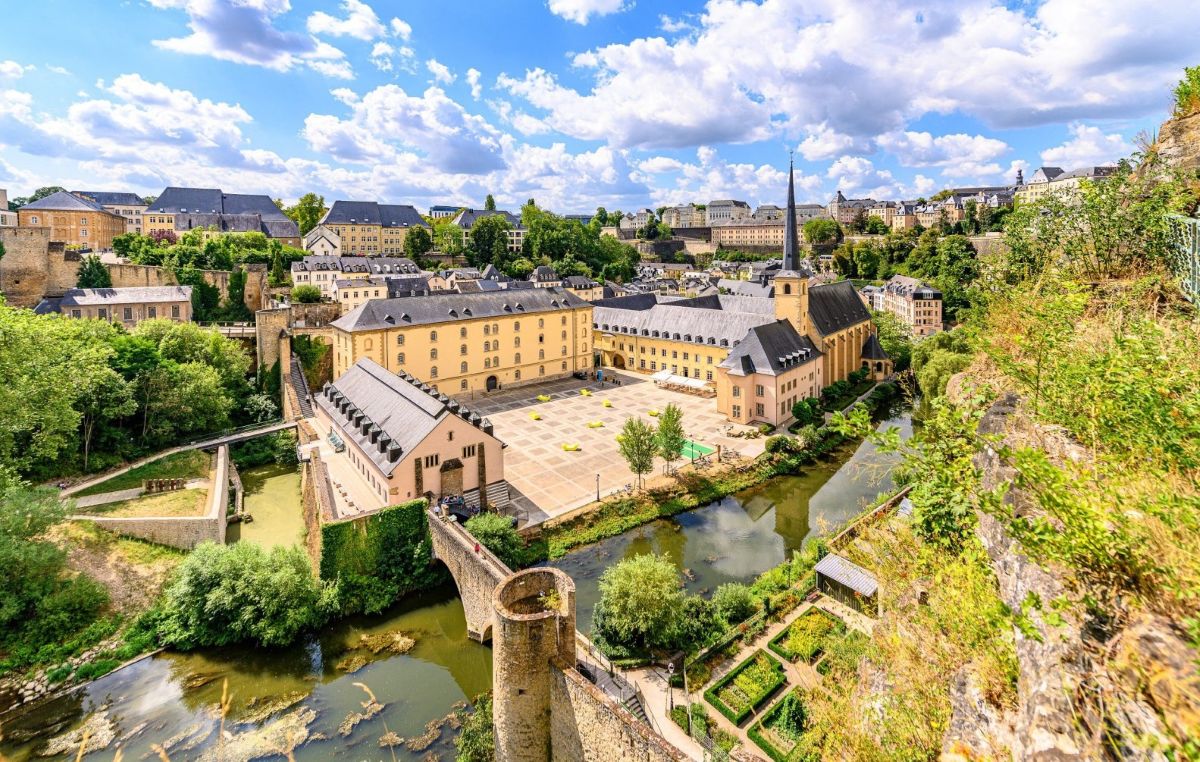
Why are Asian tourists suddenly disappearing from Luxembourg? Even as European travel numbers are rising this surprising drop in 2026 has left hotels shocked causing big concerns about global connections and changes, in the economy.
How Do Macro-Level Tourism Statistics Refine the Grand Duchy’s Overall Visitor Economy Performance in Luxembourg?
Official data frameworks outline the broader performance of accommodation sectors and visitor volumes across the territory. The Grand Duchy recorded approximately 1.60 million visitor arrivals in paid accommodations, reflecting a stable year-on-year increase of roughly 2% and remaining comfortably above historical baseline thresholds. This aggregate resilience is heavily propelled by proximate European source markets, including Germany, France, Belgium, the Netherlands, and the United Kingdom, which collectively anchor over 75% to 80% of total overnight stays.
Despite this solid European foundation, regional hoteliers note that aggregate numbers mask underlying vulnerabilities in specific long-haul niches. Regional tourism authorities observe that while short-haul weekend breaks and business travel segments maintain steady momentum, broader geographical diversification is lagging behind expectations. Consequently, the heavy reliance on neighboring European catchments leaves the hospitality ecosystem acutely sensitive to continental economic fluctuations.
Advertisement
Advertisement
What Aviation Bottlenecks and Hub Competition Disrupt Direct Asian Connectivity into Luxembourg Findel Airport?
The structural mechanics of long-haul aviation present immediate barriers for inbound travelers originating from major Asian markets such as China, Japan, South Korea, and Southeast Asia. Major European aviation hubs prioritize high-yield trunk routes and capacity optimization, leaving direct long-haul flight connectivity into Luxembourg Findel Airport vastly restricted compared to mega-hubs like Frankfurt Airport, Paris Charles de Gaulle, or Amsterdam Schiphol. Asian travelers frequently enter Luxembourg merely as secondary day-trip extensions from surrounding nations rather than primary destination arrivals.
Advertisement
Advertisement
Consequently, regional tourism boards highlight that this lack of direct long-haul gateway access deters multi-night itineraries. Travelers originating from eastern long-haul hubs prefer landing in primary Western European metropolises, transforming Luxembourg into an afterthought rather than a central anchor. This structural transit disadvantage directly suppresses extended stays and high-spending leisure tourism metrics from the continent of Asia.
How Do Currency Valuations and Economic Pressures Dampen Outbound Long-Haul Leisure Spending Across Luxembourg City?
Advertisement
Advertisement
Macroeconomic volatility across various Asian economies, coupled with fluctuating exchange rates against the Euro, has markedly constrained outbound long-haul leisure travel budgets. Tourists from key Asian economies are increasingly opting for regional Asian destinations or tighter, multi-city Western European itineraries that completely bypass smaller, high-cost markets like Luxembourg City. The escalating cost of accommodation and daily on-site expenditures within the Grand Duchy further deters budget-conscious long-haul visitors.
Furthermore, post-pandemic inflationary pressures have redefined travel financing for international households, prompting a prioritization of closer-to-home getaways or high-value alternative destinations. Industry analysts point out that smaller European principalities lack the massive marketing budgets required to offset these currency disparities. As a result, discretionary spending allocations from Asian markets bypass local hospitality providers entirely.
In What Ways Are Post-Pandemic Travel Preferences and Shifting Demographic Trends Altering Visitor Itineraries Around the Mullerthal Trail?
Post-pandemic behavioral shifts among Asian demographics have skewed heavily toward slower, highly immersive travel styles, favoring extended stays in major cultural capitals or nature-heavy primary corridors like the Mullerthal Trail. This structural shift has inadvertently reduced the frequency of stopovers and niche cultural excursions to smaller European principalities like Luxembourg. Modern long-haul tourists increasingly seek deep, single-destination engagements rather than whirlwind multi-country bus tours.
Advertisement
Advertisement
In addition, changing generational preferences emphasize experiential tourism, wellness retreats, and localized cultural immersion over traditional sightseeing checklists. Because Luxembourg’s tourism marketing historically relied on brief stopovers and corporate-led weekday occupancy, it struggles to capture these independent, leisure-driven long-haul cohorts. This mismatch between local product offerings and evolving Asian travel desires exacerbates the current arrival deficit.
What Is the Broader Impact of Travel and Tourism on Luxembourg’s Economic Landscape and Regional Heritage?
The contraction of long-haul visitor segments carries notable economic implications for the wider Luxembourgish service sector, affecting everything from boutique hospitality providers to high-end retail and cultural institutions. While European neighbors sustain baseline occupancies, high-spending Asian tourists historically contributed significantly to luxury retail, fine dining, and specialized cultural heritage tourism. A reduction in these lucrative visitor demographics impacts high-yield revenue streams across Luxembourg City and surrounding scenic regions.
Beyond direct commercial revenue, inbound tourism acts as a vital catalyst for regional employment, cultural exchange, and international visibility. When long-haul arrivals plunge, local tourism stakeholders face increased pressure to diversify marketing strategies and enhance value propositions. Addressing these structural gaps remains essential for maintaining a balanced, resilient visitor economy capable of weathering global macroeconomic shocks.
How Changing Accommodation Preferences Across Luxembourg Hotels and Short-Term Rentals Alter Inbound Visitor Dynamics Throughout the Grand Duchy
Luxembourg’s hospitality landscape is undergoing a silent transformation as travelers rethink where they sleep. Traditional hotels continue to dominate the sector, capturing an impressive one million one hundred thirty-nine thousand four hundred eighty-two arrivals and over two million twenty-one thousand overnight stays. However, short-term rentals have surged by sixteen percent, accounting for one hundred forty-eight thousand two hundred and two arrivals. This structural shift away from traditional lodging heavily impacts long-haul tourists who traditionally rely on full-service hotel amenities. Consequently, the hospitality market must adapt to these shifting consumer choices while managing capacity across different accommodation types.
Advertisement
Advertisement
What Are the Core Economic Consequences of Slower Stay Durations and Decreasing Overnight Metrics Across the Territory?
The overall duration of guest stays has experienced a noticeable compression across the region. The average duration of stay dropped to two point two four nights, marking a decline of zero point one one nights compared to previous cycles. Total overnight stays fell by three percent down to three million five hundred eighty-six thousand two19, even though overall arrivals rose by two percent to nearly one point six zero million. This demonstrates that visitors are packing schedules tighter and cutting out secondary excursions, which directly affects local spending patterns and hotel revenue generation.
Why Are Urban Hubs Like Luxembourg City Outperforming Rural Regions in Captivating Modern International Travelers?
Urban and regional recovery remains uneven across the territory, with the capital region of Luxembourg City and the Moselle Region reporting stellar growth of three percent and six percent respectively in overnight stays. In contrast, peripheral nature regions face lower visibility among long-haul demographic segments looking for dense cultural footprints. Urban centers offer immediate access to major transit links and international dining, making them the primary choice for time-constrained international visitors. Meanwhile, rural tourism stakeholders face the challenge of marketing their scenic assets more effectively to reverse this geographical disparity.
How Do Leisure Holidays and Corporate Travel Motivations Shape the Overall Hospitality Landscape in Luxembourg?
Official data indicates that sixty percent of trips with overnight stays were for holidays, twenty-seven percent were dedicated to business purposes, and twelve percent involved visiting friends or relatives. The heavy corporate baseline explains why weekday dips affect properties differently than mid-week long-haul business pipelines. Business travelers provide steady year-round occupancy for urban hotels, whereas leisure tourism fluctuates heavily depending on seasonal holidays and international flight schedules. Balancing these two distinct motivators remains a vital strategy for regional hoteliers seeking stable long-term yields.
Advertisement
Advertisement
What Psychological Factors Drive First-Time Explorers to Choose Luxembourg Over Traditional European Mega-Destinations?
An overwhelming sixty percent of leisure visitors were first-time travelers to the country. Surveys reveal that the primary driver was the desire to discover an unfamiliar destination, followed closely by appreciation for Luxembourg’s nature and landscapes. These first-time explorers are often seeking authentic, uncrowded European experiences that stand apart from congested major capitals. Understanding this discovery mindset allows local tourism boards to tailor their promotional campaigns toward curiosity-driven global travelers.
How Do High Visitor Satisfaction Indexes Contrast With the Isolated Slumps Experienced by Specific International Markets?
Luxembourg maintains exceptional quality metrics, earning an average online review score of eight point five out of ten, with nine point one specifically for local attractions. Furthermore, only three percent of overnight leisure visitors felt their experience was negatively affected by overcrowding, proving that infrastructure capacity is not the root cause of any regional slumps. High satisfaction scores confirm that once international visitors arrive, they thoroughly enjoy the cleanliness, safety, and hospitality of the region. The core issue lies in attracting them initially rather than retaining them once they step foot in the country.
To What Extent Does the Travel and Tourism Industry Anchor Domestic Employment and Macroeconomic Stability in Luxembourg?
Tourism directly contributes roughly zero point eight percent to one point two percent of Luxembourg’s total GDP and historically secures tens of thousands of direct jobs representing over eight percent of total national employment. When long-chain international segments contract, niche service providers and high-end retail sectors feel the pinch on value-added tax revenues. A robust visitor economy is essential for sustaining small businesses, cultural venues, and hospitality staff across the entire grand duchy. Therefore, protecting inbound visitor flows is a matter of significant economic priority for national policymakers.
Advertisement
Advertisement
Can Modernized Digital Ecosystems Bridge the Gap for Long-Haul Independent Travelers Across the Grand Duchy?
To combat long-haul fragmentation, tourism authorities are leaning heavily on digital tools and regional passes to package attractions seamlessly. These platforms aim to simplify trip-planning friction for independent tourists who bypass traditional group tour packages, which have seen a steep decline across Asian source markets. By offering consolidated digital itineraries and real-time transit information, local agencies hope to attract tech-savvy travelers seeking effortless exploration. Embracing modern digital infrastructure is crucial for remaining competitive in an increasingly digitized global travel market.
The Final Horizon
As long‑haul flights bypass the heart of Europe flights bring a quiet, to local boutique hotels. The sudden lack of faces leaves a heavy sad empty space across old cobblestones. Behind macroeconomic reports a dark truth takes hold, vibrant Asian markets are quietly fading, leaving pretty squares longing for the lively travelers who once filled them with endless energy.
Frequently Asked Questions
Why are Asian tourist arrivals dropping in Luxembourg this year 2026?
Advertisement
Advertisement
Asian tourist arrivals are declining due to limited direct flight connectivity at Luxembourg Findel Airport, unfavorable exchange rates against the Euro, and a post-pandemic shift toward slower, single-destination travel in major European capitals.
How do European markets impact Luxembourg’s overall tourism data?
Proximate European countries such as Germany, France, and Belgium anchor over 75% to 80% of total overnight stays, driving overall aggregate growth despite long-haul declines.
What role does STATEC play in tracking tourism trends?
STATEC serves as the official National Institute of Statistics and Economic Studies of the Grand Duchy of Luxembourg, providing verified data on visitor arrivals, hotel occupancies, and economic indicators.
Advertisement
