
Victoria Sets a New Tourism Benchmark as Record AU$48.6 Billion Visitor Spending Fuels Melbourne, Coastal Escapes and Alpine Adventures

Updated
Published
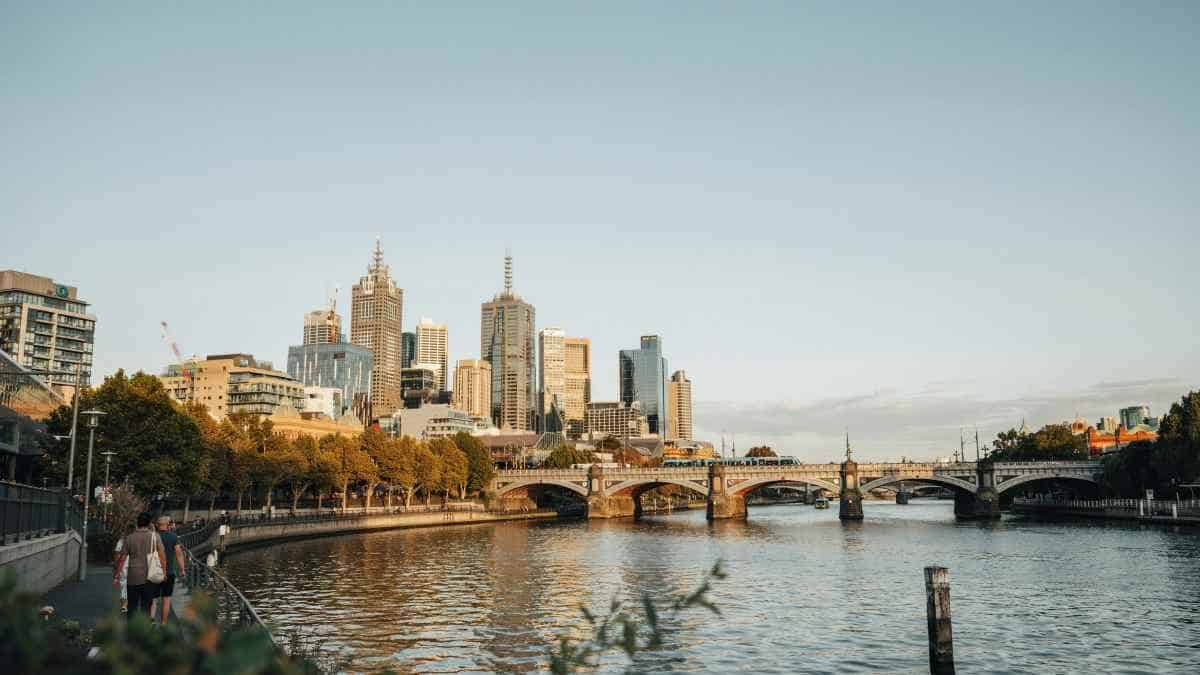
Victoria has reached a historic milestone in Australia’s tourism industry, with visitor expenditure climbing to a record AU$48.6 billion, underscoring the state’s growing appeal among both domestic and international travellers. The latest figures from Victoria’s state tourism board highlight how a combination of world-class events in Melbourne, sustained investment in regional tourism and diverse travel experiences across coastal, wine and alpine destinations has created one of the country’s strongest visitor economies.
Rather than relying on a single attraction, Victoria has built a tourism model that balances the global appeal of Melbourne with the unique experiences offered across the state’s regions. From internationally recognised sporting tournaments and cultural festivals to scenic coastal drives and snow-covered mountain resorts, the state continues to attract travellers seeking a wide variety of experiences throughout the year.
The record visitor spending also demonstrates a broader shift in Australian tourism, where travellers are increasingly extending their stays, exploring beyond capital cities and contributing more to regional economies.
Melbourne Continues to Drive International Tourism
At the heart of Victoria’s tourism success is Melbourne, widely recognised as Australia’s sporting, cultural and events capital.
Advertisement
Advertisement
The city’s year-round calendar includes internationally renowned events such as the Australian Open, the Formula 1 Australian Grand Prix, the Melbourne Cup Carnival, major concerts, theatre productions and international exhibitions. These events consistently attract visitors from across Australia and around the world, generating significant spending on accommodation, dining, retail and entertainment.
Melbourne’s reputation for world-class restaurants, vibrant laneways, multicultural neighbourhoods and thriving arts scene further strengthens its position as one of the Southern Hemisphere’s most attractive city-break destinations.
Advertisement
Advertisement
The steady flow of international visitors created by these events has played a central role in pushing Victoria’s visitor expenditure to record levels.
Regional Victoria Shares the Tourism Boom
While Melbourne remains the primary gateway, regional destinations are contributing an increasingly important share of Victoria’s tourism growth.
Tourism campaigns promoting coastal escapes, alpine adventures, food and wine experiences and nature-based travel have encouraged visitors to venture beyond the city.
Popular destinations include:
- Great Ocean Road, home to the iconic Twelve Apostles.
- Phillip Island, famous for its Penguin Parade.
- Yarra Valley, one of Australia’s premier wine regions.
- Mornington Peninsula, known for beaches, wineries and hot springs.
- The Grampians, offering hiking trails, waterfalls and Indigenous cultural experiences.
- High Country alpine resorts, attracting visitors during both winter snow seasons and summer outdoor adventures.
These destinations benefit from longer visitor stays, increased regional spending and stronger year-round tourism activity.
Major Events Continue to Deliver Strong Economic Returns
Victoria’s sustained investment in international events remains one of its greatest competitive advantages.
Advertisement
Advertisement
Large-scale sporting events, music festivals, business conferences and cultural celebrations generate significant economic activity beyond ticket sales.
Visitors attending these events spend on hotels, transport, restaurants, shopping and local attractions, creating widespread benefits for businesses across the tourism supply chain.
The continued success of Melbourne’s event calendar has reinforced Victoria’s reputation as a destination capable of hosting globally significant occasions while delivering memorable visitor experiences.
Coastal and Alpine Tourism Create Year-Round Demand
Unlike destinations that experience sharp seasonal fluctuations, Victoria benefits from a diverse tourism portfolio that supports travel throughout the year.
Summer attracts visitors to the Great Ocean Road, Mornington Peninsula and Gippsland coastline, while winter brings thousands of skiers and snowboarders to alpine resorts including Mount Buller, Falls Creek, Mount Hotham and Lake Mountain.
Spring and autumn offer ideal conditions for wine tourism, regional festivals and outdoor recreation, helping distribute visitor demand across all four seasons.
Advertisement
Advertisement
This balanced tourism model allows regional businesses to operate more consistently while reducing dependence on peak holiday periods.
Growing International Confidence in Victoria
The record visitor expenditure reflects increasing international confidence in Victoria as one of Australia’s leading travel destinations.
Improved international flight connectivity, strategic tourism marketing and investment in visitor infrastructure have made the state more accessible to overseas travellers.
International students, business travellers and visiting friends and relatives also contribute significantly to the visitor economy, particularly in Melbourne, where major universities and multinational companies continue attracting global audiences.
As Australia strengthens its international aviation network, Victoria is expected to remain one of the country’s primary beneficiaries.
Sustainable Growth Through Regional Development
Victoria’s tourism strategy increasingly focuses on spreading visitor demand across the state rather than concentrating activity solely within Melbourne.
Advertisement
Advertisement
By promoting regional experiences alongside major city events, tourism authorities aim to support local businesses, encourage longer visitor stays and create more sustainable economic growth.
This approach also helps preserve visitor experiences by reducing pressure on individual attractions while introducing travellers to lesser-known destinations that offer authentic Australian landscapes, local cuisine and cultural heritage.
The record AU$48.6 billion visitor expenditure demonstrates that this balanced strategy is delivering measurable results.
Practical Travel Information
Location
Victoria is located in southeastern Australia, bordered by New South Wales, South Australia and the Bass Strait.
Nearest Major Airport
Melbourne Airport (MEL) – Approximately 23 kilometres northwest of Melbourne’s city centre and Victoria’s principal international gateway.
Major Railway Connections
- Southern Cross Station (Melbourne)
- V/Line regional rail network connecting Geelong, Ballarat, Bendigo, Albury, Warrnambool, Shepparton and Gippsland.
Nearby Attractions
- Great Ocean Road
- Twelve Apostles
- Phillip Island Penguin Parade
- Yarra Valley
- Mornington Peninsula
- Grampians National Park
- Mount Buller
- Sovereign Hill
- Dandenong Ranges
Local Currency
Australian Dollar (AUD)
Advertisement
Advertisement
Travel Tips
Victoria experiences four distinct seasons. Summer (December to February) is ideal for coastal holidays, while winter (June to August) is best for alpine snow experiences. Visitors planning to attend major sporting events or festivals in Melbourne should book accommodation well in advance, as hotel demand rises significantly during peak event periods.
Key Stats
- Victoria recorded a historic AU$48.6 billion in visitor expenditure.
- Melbourne’s international events continue to drive high-value tourism.
- Regional destination marketing has strengthened visitor growth across coastal, wine and alpine regions.
- Coastal and alpine tourism support year-round travel demand.
- Victoria remains one of Australia’s leading destinations for domestic and international visitors.
FAQ
Why has Victoria recorded record visitor spending?
A combination of Melbourne’s major international events, strong regional tourism marketing and diverse year-round attractions has significantly increased visitor expenditure.
Which destinations are driving regional tourism?
Popular regional destinations include the Great Ocean Road, Phillip Island, Yarra Valley, Mornington Peninsula, the Grampians and Victoria’s alpine resorts.
How much did visitors spend in Victoria?
Advertisement
Advertisement
Visitor expenditure reached a record AU$48.6 billion, the highest ever recorded for the state.
Timeline and Events
2026
- Victoria reports record visitor expenditure of AU$48.6 billion.
Throughout the Year
- Melbourne hosts international sporting events, cultural festivals and major entertainment experiences.
Ongoing
- Regional tourism campaigns continue promoting coastal, alpine, wine and nature-based destinations across Victoria.
Conclusion
Victoria’s record AU$48.6 billion in visitor expenditure reflects the success of a tourism strategy that combines Melbourne’s global event appeal with the growing popularity of regional destinations. By encouraging travellers to explore everything from vibrant city precincts to coastal drives, wine regions and alpine landscapes, the state has created a resilient, year-round visitor economy that benefits communities across Victoria. As international connectivity improves and demand for authentic Australian experiences continues to rise, Victoria is well positioned to strengthen its status as one of the country’s premier tourism destinations, setting a benchmark for sustainable growth in Australia’s visitor economy.
Advertisement
