

Philippines Eyes Tourism Beyond Numbers as Eastern Visayas Plans Its Next Phase of Travel Growth

Published
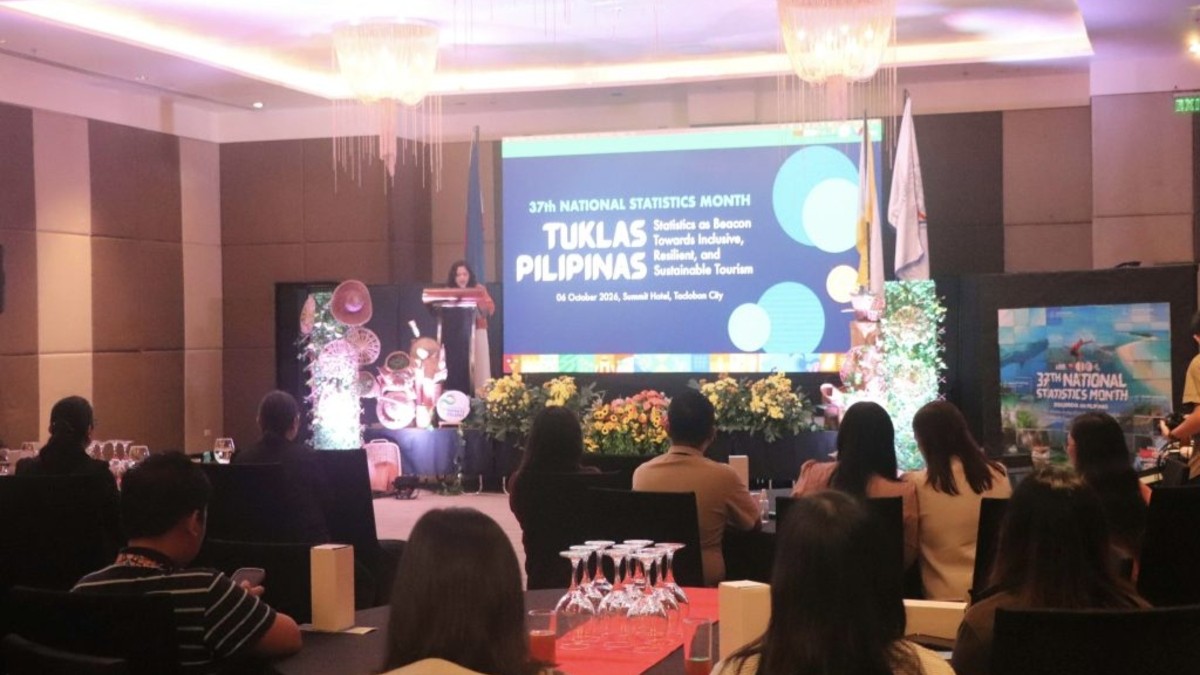
Philippines tourism growth is being measured against more than visitor totals as officials in Eastern Visayas place greater emphasis on how tourism data is used. During the 2026 National Statistics Month opening ceremony, the Department of Tourism in Eastern Visayas outlined an approach in which reliable figures are translated into decisions on destinations, investment and community support.
The region’s 2025 results showed rising visitor activity and substantial tourism receipts. However, attention is also being directed towards environmental conditions, local participation and long-term resilience. The shift matters because regional tourism success is being assessed through benefits delivered, not numbers recorded alone.
Eastern Visayas Visitor Figures Point to Stronger Tourism Activity
Figures from the Department of Tourism (DOT) showed that Eastern Visayas generated PHP 39 billion in tourism receipts in 2025. Some 2.81 million overnight guests and 6.51 million same-day visitors were recorded across the region.
Compared with 2024, overnight guests increased by 73 per cent, while same-day visitors rose by 17 per cent. The department also reported recovery rates, measured against the pre-pandemic period, of 161 per cent for overnight guests and 138 per cent for same-day visitors.
Advertisement
Advertisement
These results provide context for discussions about Eastern Visayas tourist arrivals and future regional planning. Rather than being treated as isolated achievements, the figures are being positioned as evidence that can support future decisions.
Eastern Visayas tourism performance was presented during the National Statistics Month programme, which focused on the role of statistics in inclusive, resilient and sustainable tourism. The event’s theme linked statistical evidence with the direction of national tourism development.
Advertisement
Advertisement
DOT-8 Connects Tourism Statistics with Regional Development Priorities
At the ceremony, DOT-8 officer-in-charge regional director Ma. Catherina M. Apostol outlined a data-to-action approach. Information was expected to guide practical decisions rather than remain confined to charts, tables and reports.
Data-driven tourism planning was presented as a way for national agencies, local government units, businesses and other stakeholders to understand visitor demand and identify gaps in provision. Reliable and timely statistics were said to make it easier to assess emerging opportunities and respond to changing conditions.
Advertisement
Advertisement
The department stressed that arrival totals and tourism revenue, although important, could not provide a complete picture of destination performance. Information about expenditure, tourism’s economic contribution and ecotourism was also identified as valuable.
Through this wider assessment, Philippines tourism growth can be examined alongside destination needs. The intention is for programmes to be developed from recorded conditions and visitor behaviour, rather than assumptions about what travellers want or where assistance is most needed.
Visitor Patterns Inform Tourism Services and Investment Decisions
Visitor patterns were identified as central to understanding what tourism destinations require. Statistics can show where travellers originate, which experiences they seek, how long they stay and how much they spend. They can also reveal which attractions and tourism products are receiving greater interest.
For authorities, this information can indicate where infrastructure and services should be improved. Tourism businesses can also be better informed about demand, while communities in need of support can be identified through evidence rather than guesswork.
Advertisement
Advertisement
Tracking Eastern Visayas tourist arrivals alongside spending and preferences provides a broader basis for planning and future investment decisions. Taken together, these measures can help priorities be identified more clearly and interventions be directed towards documented needs.
Data-driven tourism planning was also connected with tourism product diversification in Eastern Visayas, where the department has emphasised the need to balance new opportunities with the protection of established attractions and local assets.
Sustainable Tourism and Community Benefits Remain Central to Growth
Tourism’s environmental and social effects were included in the statistical framework. According to the department, visitor volumes, resource use, waste, ecological conditions, community participation and economic benefits should be considered when the long-term sustainability of destinations is assessed.
This gives practical meaning to sustainable tourism development. Growth is assessed through more than arrivals and spending. Attention is also directed towards whether natural resources, cultural heritage and host communities are being protected as activity expands.
For Eastern Visayas tourism, the approach was linked to efforts to diversify tourism products without compromising the features that make destinations attractive. Evidence was described as essential for determining which areas require investment, which communities need greater support and where improvements should be prioritised.
Sustainable tourism development was consequently presented as a practical planning responsibility, supported by measurable information. In that framework, resilience, inclusion and environmental protection are treated as connected considerations rather than separate goals.
Advertisement
Advertisement
Turning Tourism Statistics into Lasting Benefits
Philippines tourism growth is increasingly being discussed through the decisions that visitor statistics can inform. Eastern Visayas has reported strong 2025 tourism receipts, higher numbers of overnight guests and same-day visitors and recovery rates above pre-pandemic benchmarks.
Yet the Department of Tourism has emphasised that figures become more useful when applied to infrastructure, services, community support and environmental safeguards. Its data-to-action approach places evidence at the centre of future priorities.
Advertisement
