
Romania Joins Indonesia and More Destinations as Uzbekistan’s Lake Tuzkan Eyes Better Travel Access

Published
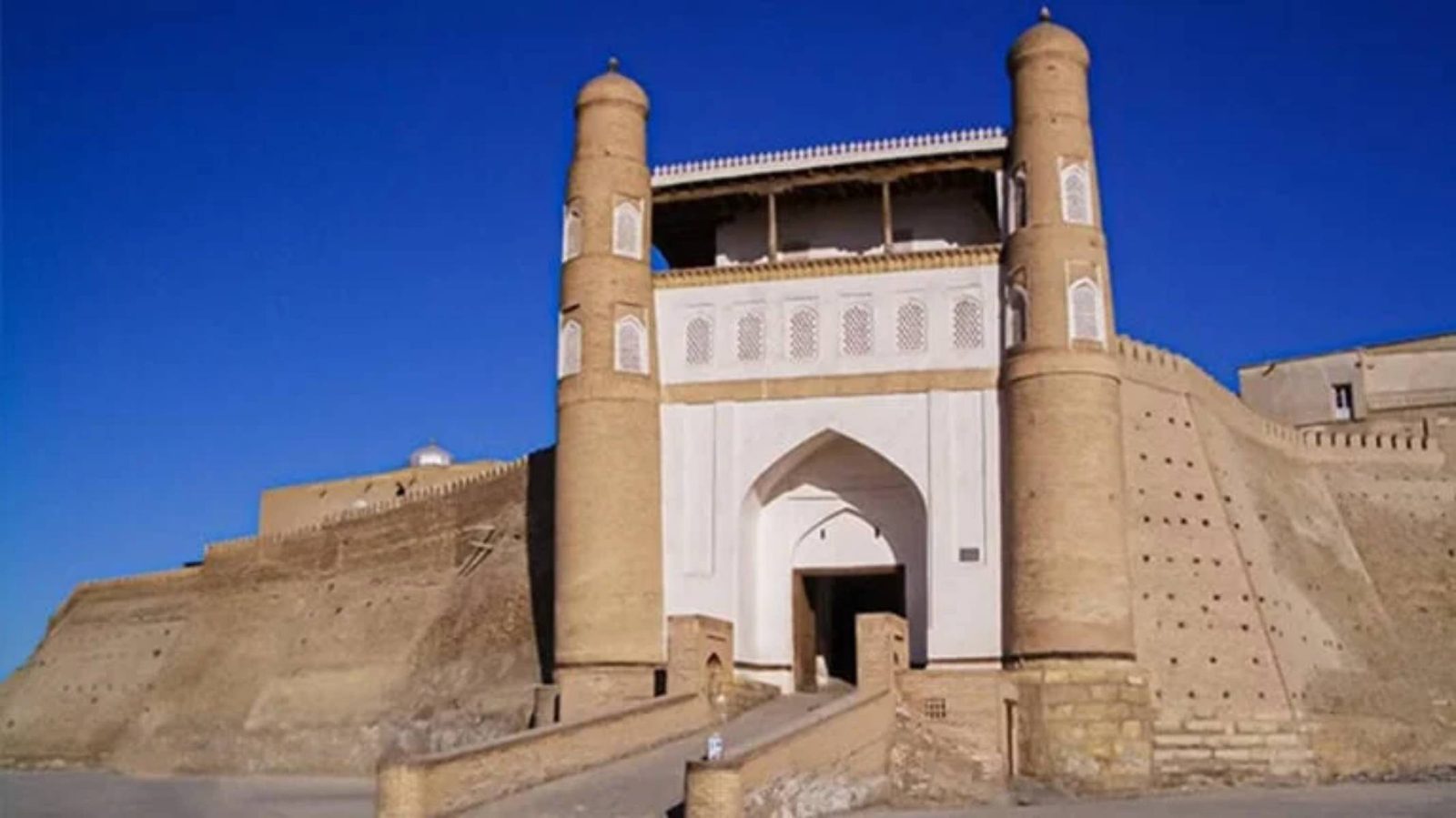
Romania joins Indonesia and other international tourism source markets as Uzbekistan’s Lake Tuzkan expands its appeal through desert landscapes, lakeside recreation and developing transport infrastructure. Travellers from Romania, Indonesia, Egypt and Russia represent increasingly important opportunities for Uzbekistan’s tourism industry as the country diversifies beyond its established cultural attractions. Located in the Jizzakh region, Lake Tuzkan forms part of the Aydar-Arnasay lake system, where resort accommodation, recreational facilities and proposed improvements to regional connectivity support tourism development. These changes could encourage international visitors to extend their journeys beyond Uzbekistan’s historic cities and explore its emerging nature-based destinations.
How Is Uzbekistan’s Tourism Growth Creating New Opportunities for Lake Tuzkan?
Uzbekistan’s international tourism industry has continued expanding in 2026, creating opportunities to introduce lesser-known destinations to a wider audience. According to the Uzbekistan Tourism Committee, the country welcomed 10.3 million foreign tourists between January and September 2026, an increase of 20.4% compared with the corresponding period in 2025. Tourism services exports reached US$5.3 billion, recording 51.2% growth. These nationwide results provide a favourable environment for developing destinations such as Lake Tuzkan. However, they do not establish how many international travellers visited the lake itself. Jizzakh’s tourism prospects depend on turning national visitor interest into practical regional travel opportunities.
Advertisement
Advertisement
What Makes Lake Tuzkan and Jizzakh’s Desert Lakes Attractive to International Travellers?
Lake Tuzkan occupies a distinctive position within Uzbekistan’s natural tourism landscape. Situated between the Hungry Steppe and the Kyzylkum Desert, it forms part of the extensive Aydar-Arnasay lake system. Its saline waters contrast with the surrounding dry terrain, offering a different experience from the architecture and urban heritage associated with traditional Uzbekistan holidays. Recreational fishing, shoreline exploration, photography and relaxation are among the area’s attractions. Nearby Lake Aydarkul provides established resort facilities, enabling visitors to combine accommodation with outdoor activities. The contrast between water and desert gives the region a recognisable identity within Uzbekistan’s emerging nature-based tourism offering.
How Could Tourists from Romania, Indonesia, Egypt and Russia Explore Lake Tuzkan?
International travellers can potentially incorporate the Jizzakh lake district into wider Uzbekistan itineraries that also feature established heritage destinations. Uzbekistan’s improving national air connectivity creates opportunities for visitors entering the country through established airports, followed by onward ground transport arranged according to available services. A new airport has been developed near Arnasoy, while railway construction towards the Aydar-Arnasay area began in 2026. However, published reporting does not establish scheduled passenger flights to Arnasoy or an operational passenger railway connection to the lakes. Visitors from Romania, Indonesia, Egypt and Russia should therefore confirm international entry requirements and practical onward transport before finalising their journeys.
Advertisement
Advertisement
Why Is Romania Becoming a More Promising Source Market for Uzbekistan Tourism?
Romania has emerged as one of Uzbekistan’s faster-growing international tourism source markets during 2026. According to the Uzbekistan Tourism Committee, arrivals from Romania during January–September were 1.8 times the level recorded in the corresponding period of 2025. This represents an increase of approximately 80%, although an absolute Romanian visitor total was not supplied. For Romanian travellers interested in Central Asian heritage and natural landscapes, Lake Tuzkan could provide an additional experience alongside established cultural itineraries. The potential benefit would be a more diversified Uzbekistan
How Could Indonesia’s Growing Tourism Connections Support Lake Tuzkan?
Indonesia represents another expanding market for Uzbekistan’s international tourism sector. The Uzbekistan Tourism Committee reported that arrivals from Indonesia during January–September 2026 reached 1.7 times the comparable 2025 level. Uzbekistan has also introduced measures to develop pilgrimage travel from Indonesia and Malaysia, alongside tourism cooperation discussions concerning possible direct flights to Samarkand and Bukhara. Such initiatives could support combined cultural and recreational itineraries, including optional excursions to Jizzakh’s desert lakes. However, the proposed flights should not be treated as confirmed operational routes, and the available evidence does not establish Indonesian visitor numbers specifically for Lake Tuzkan.
Advertisement
Advertisement
Why Is Egypt Emerging as a Relevant Tourism Market for Uzbekistan?
Egypt is attracting attention within Uzbekistan’s international tourism statistics because of a substantial increase in inbound travel. Official January–September 2026 reporting indicates that arrivals from Egypt reached 1.8 times the corresponding 2025 level, equivalent to approximately 80% growth. This suggests greater demand for Uzbekistan as a destination, although the published figures do not establish whether Egyptian visitors are travelling for heritage sightseeing, recreation or other specific experiences. For travellers interested in combining cultural destinations with outdoor environments, Lake Tuzkan offers a potential itinerary extension. Its development could create further opportunities for regional tourism businesses if international connectivity and local travel services improve.
How Does Russia’s Established Tourism Market Strengthen Uzbekistan’s Lakeside Travel Potential?
Russia has an established position among Uzbekistan’s largest inbound tourism markets. According to the National Statistics Committee, 867,757 Russian tourists visited Uzbekistan between January and August 2026, making Russia the country’s fourth-largest source market during that period. Separately, the Tourism Committee reported that arrivals from Russia in January–September were 1.3 times the previous year’s comparable level. Russian travellers were also among the international guests reported at Aydarkul Resort. This gives Russia a more directly evidenced connection to the lake district than Romania, Indonesia or Egypt. Resort accommodation, lakeside recreation and regional transport improvements could support additional travel demand from this market.
How Is Aydarkul Resort Expanding Accommodation and Lakeside Tourism in Jizzakh?
Accommodation development is an important component of the Aydar-Arnasay lake district’s tourism offering. According to Euronews’ October 2026 destination report, Aydarkul Resort has 225 rooms and capacity for up to 600 guests. Its accommodation includes conventional guestrooms and capsule-style units, alongside restaurants, a beach, boats and shaded outdoor seating areas. Swimming, boating, festivals and concerts provide recreational opportunities, while massage and hydromassage treatments contribute to its wellness offering. Separately, Uzbekistan’s Tourism Committee reported plans to prepare a development master plan covering more than 200 hectares along the Aydarkul shoreline. These measures could strengthen the district’s longer-term appeal to international visitors.
Could New Airport and Railway Infrastructure Improve International Access to Jizzakh?
Transport accessibility is among the most important considerations for the future of Lake Tuzkan tourism. The October 2026 Euronews report identifies a newly developed airport at Arnasoy and construction beginning during 2026 on a railway linking Do‘stlik towards the Aydar-Arnasay lake system. Both developments are intended to improve regional accessibility. On a national level, Uzbekistan’s Tourism Committee reported 8.15 million airport passengers during January–June 2026, an increase of 16% year on year. However, these national aviation figures should not be interpreted as traffic at Arnasoy. International visitors will benefit only when practical passenger services and reliable onward connections become available.
What Should Travellers Know About Uzbekistan Visa Rules, Flights and Lake Tuzkan Excursions?
International visitors should consider entry requirements, connecting flights, accommodation and local transport when preparing a Lake Tuzkan itinerary. Uzbekistan’s official government information identifies visa-free entry arrangements for ordinary passport holders from Romania, Indonesia and Russia. Egyptian ordinary passport holders can use the country’s electronic visa system where eligibility conditions are met. Travellers should verify the applicable rules before departure because permitted stays and passport requirements can vary. Visitors should also check operating dates for recreational services, particularly fishing activities that are subject to seasonal restrictions. Resort availability and current road transfers are important considerations for anyone extending a cultural sightseeing itinerary into the Jizzakh lake district.
Why Could Sustainable Tourism Become Essential to Lake Tuzkan’s Future?
Environmental management will be an important consideration as tourism develops around the Aydar-Arnasay lake system. The region’s fishing communities, recreational operators and accommodation businesses all depend on its natural resources. Uzbekistan’s Ministry of Internal Affairs reported an illegal fishing case in January 2026 involving environmental damage estimated at 387 million Uzbek soums. This illustrates the importance of effective protection and enforcement alongside recreational development. Visitors should respect fishing restrictions and local environmental rules. Future investment in waste management, shoreline infrastructure, visitor facilities and responsible outdoor activities could help protect the landscape while supporting regional employment and tourism-related business opportunities.
Advertisement
Advertisement
How Will Lake Tuzkan Tourism Development Affect Regional Travel and the Wider Economy?
Developing tourism outside Uzbekistan’s established heritage centres could distribute travel expenditure across more regions. The Tourism Committee reported 7,364 accommodation facilities nationally, providing approximately 202,300 beds, during the first half of 2026. It also reported 97 tourism-related projects launched during that period, with a combined investment value of US$200.2 million and 2,134 jobs created. These are national indicators rather than Lake Tuzkan-specific results. For Jizzakh, additional accommodation, transport links, recreation and visitor services could support tourism-related employment. The extent of any economic benefit will depend on project delivery, market demand and the ability to maintain an attractive visitor experience.
Tourism Developments Influencing Lake Tuzkan and Uzbekistan in 2026
1. Romania and Egypt recorded substantial tourism growth. Arrivals from both countries reached 1.8 times their January–September 2025 levels, positioning them among Uzbekistan’s faster-growing inbound markets.
2. Indonesia is becoming a more important international market. Arrivals reached 1.7 times the previous year’s comparable level, while government initiatives support expanded tourism cooperation.
3. Russia remains an established visitor market. It ranked fourth among Uzbekistan’s international tourism source markets during January–August 2026, with documented visitors also reported at Aydarkul Resort.
4. Lake Tuzkan and Aydarkul are expanding their recreational appeal. Resort accommodation, lakeside activities and planned regional infrastructure improvements could make the area more accessible to domestic and international travellers.
5. Jizzakh is receiving additional tourism development attention. Regional plans addressing shoreline facilities, roads, electricity infrastructure and future visitor capacity could support the lake district’s longer-term tourism prospects.
Advertisement
Advertisement
Uzbekistan Tourism 2026: Country-Wise Growth, Travel Access and Potential Lake Tuzkan Impact
| Country | Latest verified inbound tourism indicator | Uzbekistan entry considerations | Potential Lake Tuzkan tourism impact |
|---|---|---|---|
| Romania | Arrivals 1.8 times the January–September 2025 level | Visa-free entry available under published rules | Potential expansion of combined heritage and nature itineraries |
| Indonesia | Arrivals 1.7 times the comparable 2025 level | Visa-free entry available under published rules | Opportunities to extend cultural and pilgrimage-focused visits with recreation |
| Egypt | Arrivals 1.8 times the comparable 2025 level | Electronic visa eligibility subject to official conditions | Potential demand for additional nature-based activities during Uzbekistan holidays |
| Russia | Arrivals 1.3 times the comparable 2025 level; 867,757 visitors during January–August 2026 | Visa-free entry under published rules | Established source-market demand could support lakeside accommodation and recreation |
| Uzbekistan overall | 10.3 million inbound tourists, January–September 2026 | International access through established entry points | Greater potential to develop regional tourism products and extend visitor stays |
Conclusion
Romania joins Indonesia and other growing international tourism markets as Uzbekistan’s Lake Tuzkan expands its potential appeal through lakeside recreation, accommodation development and improving transport infrastructure. Egypt and Russia also contribute to the country’s increasingly diverse inbound tourism landscape. The growing interest in Uzbekistan creates opportunities for travellers to explore destinations beyond its established cultural centres. In Jizzakh, the combination of desert scenery, inland lakes and visitor facilities offers a distinctive addition to Central Asian holidays. Lake Tuzkan’s long-term tourism development will ultimately depend on accessible transport, reliable services, environmental protection and the successful delivery of planned infrastructure improvements.
Advertisement
