
Samoa Unleashes Fierce New Investment Controls And Radical Travel Guardrails To Protect Its Sacred Island Paradise Forever

Published
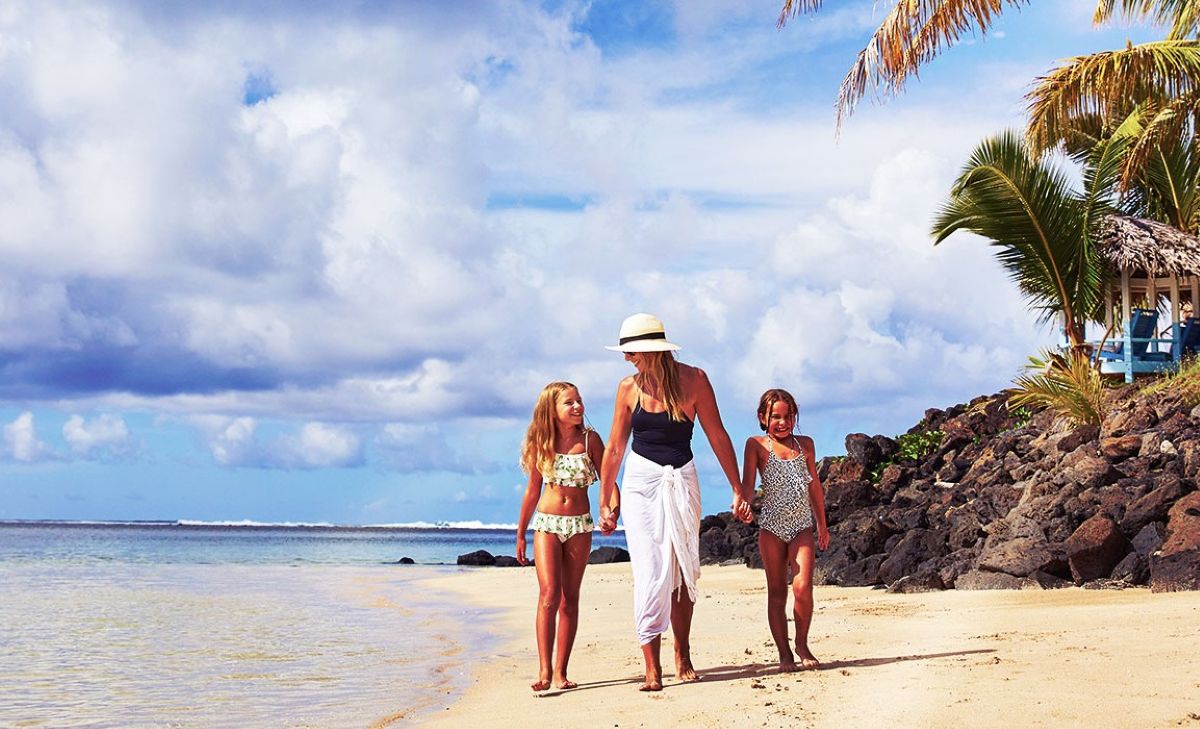
There is something sad about seeing a part of a perfect place slowly lose what makes it special because of buildings loud sounds and too many people.. Right now in the warm blue water area of the South Pacific Samoa is making a very brave choice. From shops in Apia to quiet villages with palm trees, along the coast this amazing island country is changing how people think about going on a vacation. By putting new rules on investing Samoa is not only protecting its coral reefs and old ways of life it is trying very hard to keep its special feeling alive for anyone who is lucky enough to visit.
Why Are Stronger Investment Controls Essential For Samoa?
The Government of Samoa addresses economic expansion by deploying targeted administrative frameworks that prevent environmental degradation and over-commercialization across the islands. Strategic oversight administered by the Ministry of Commerce, Industry, and Labor ensures that commercial projects align seamlessly with national security and ecological preservation objectives. Unchecked mass tourism poses severe risks to fragile island ecosystems, making stringent policy execution an absolute necessity for long-term survival. This protective vision ensures that natural attractions remain pristine for future generations of travelers and local residents alike.
Rigorous regulatory screenings prevent unsustainable developments from overwhelming local resources while simultaneously prioritizing high-yield, eco-conscious initiatives. Sustainable management frameworks successfully protect fragile island environments against the mounting pressures of global commercial expansion. Protecting these delicate ecosystems guarantees the long-term viability of the region’s breathtaking natural landscapes and vibrant biodiversity.
Advertisement
Advertisement
What Regulatory Mechanisms Govern Foreign Investment In Samoa?
Samoa exercises strict legal supervision through the Foreign Investment Act, requiring all foreign-owned enterprises to secure a Foreign Investment Certificate before commencing commercial operations. Specific sectors such as public bus transportation and traditional garment design remain strictly reserved for indigenous citizens to safeguard local livelihoods. These legislative firewalls ensure that outside capital empowers domestic stakeholders rather than marginalizing them within their own homeland.
Advertisement
Advertisement
Restricted industry categories mandate equity caps or mandatory local joint-venture partnerships, particularly within sensitive resource-based processing sectors. Comprehensive legal frameworks empower domestic entrepreneurs to maintain substantial ownership stakes in vital commercial domains. Maintaining these regulatory boundaries preserves economic independence and secures community stability across the nation.
How Are Financial Incentives Tied To High Environmental Standards?
Samoa pairs its stringent investment filters with attractive fiscal incentives under the Tourism and Hotel Development Incentives Act to reward responsible developers. Investors who commit to sustainable construction practices receive valuable customs and tax concessions on capital imports for high-quality infrastructure. These targeted rewards encourage hospitality providers to adopt green-growth methodologies without sacrificing commercial viability.
Mandatory compliance prerequisites require developers to complete rigorous environmental impact assessments overseen by the Ministry of Natural Resources and Environment. Environmental oversight prevents coastal degradation and mitigates disaster vulnerabilities across vulnerable island zones. Rigorous assessments ensure that every new resort addition respects the natural boundaries of the local geography.
What Are The Core Pillars Of A Safer Tourism Economy?
The foundation of Samoa’s safer tourism model rests upon four interconnected pillars: environmental resilience, cultural heritage protection, socio-economic inclusiveness, and financial integrity. Given the country’s high exposure to climate volatility, mandatory coastal setback rules and advanced waste management systems protect vital tourism infrastructure. These multi-faceted standards guarantee that the sector remains robust against external shocks and environmental emergencies.
Advertisement
Advertisement
Cultural safeguarding requires developers to obtain a social license to operate from traditional village councils, honoring customary land rights across the islands. Financial monitoring by the Central Bank of Samoa preserves monetary stability while labour market tests prioritize the upskilling of local workers. Comprehensive safeguards ensure that tourism growth remains genuinely beneficial for every citizen.
How Does International Tourism Drive Samoa’s National Gross Domestic Product and Financial Recovery?
Tourism serves as a foundational pillar of Samoa’s national economy, direct financial contributions generating between 3.6% and 4.4% of the nation’s total Gross Domestic Product (GDP). Over primary monitoring cycles, international travelers injected approximately USD 169 million into domestic commerce, with individual visitors spending an average prepaid amount of USD 2,488 prior to arrival.
To safeguard this economic flow, stringent foreign investment regulations ensure this influx of foreign capital does not provoke domestic inflation or distort local markets. By directing capital toward high-value, low-impact development strategies, national frameworks prevent the resources depletion typically associated with unmanaged mass tourism.
Which Geographic Regions and Core Feeder Markets Supply Traveler Volumes to Apia and Savai’i?
Inbound travel to Samoa is predominantly driven by the Oceania region, which accounts for 81.5% of total visitor arrivals. The Americas constitute 9.0% of incoming volumes, followed by Asia at 5.7% and Europe at 3.3%. On an individual country basis, Australia and New Zealand serve as the primary source markets, collectively generating over 70% of all international visits.
Advertisement
Advertisement
These demographic insights enable the Samoa Tourism Authority (STA) to refine its targeted promotional campaigns. Mapping origin trends allows destination managers to attract traveler segments whose values align with sustainable, eco-conscious tourism, reinforcing long-term environmental stewardship.
Where Do Inbound Travelers Choose to Stay in Upolu and How Do Capital Controls Support Local Lodging?
Data on visitor lodging reveals that 55.9% of international guests select private community-based accommodations, staying directly with host families or relatives. Commercial hotels and motels account for 33.9% of guest stays, with overall trip durations spanning between 7 and 30 days.
Because most travelers reside within village settings rather than isolated mega-resorts, national investment frameworks focus on strengthening local community infrastructure. This distribution ensures that tourism expenditures flow directly to village households, encouraging inclusive financial benefits across the island.
Why Are Foreign Developers Required to Secure Social Licenses from Village Councils Across Samoa?
Approximately 80% of all land across Samoa remains under customary ownership, a constitutional designation that prevents land from being bought or sold outright by non-native individuals or foreign entities. Consequently, any commercial venture must obtain formal consensus from traditional village governance assemblies, known as the fono.
Advertisement
Advertisement
Investment regulations protect this customary tenure system by requiring commercial developers to negotiate long-term leases and earn a social operating license directly from village chiefs (matai). This framework prevents permanent land loss while safeguarding traditional cultural heritage.
What Ecological Assessments and Coastal Setback Limits Standardize Resort Construction?
Supervised by the Ministry of Natural Resources and Environment (MNRE), all proposed commercial resort developments along delicate marine borders must complete comprehensive Environmental Impact Assessments (EIAs). These projects must strictly observe minimum coastal setback lines designed to mitigate the risks of storm surges and rising sea levels.
Given Samoa’s heightened exposure to global climate threats, these statutory environmental boundaries ensure that commercial infrastructure enhances shoreline resilience rather than accelerating coastal degradation.
How Does the Central Bank of Samoa Manage Foreign Exchange Flows to Secure Monetary Balance?
The Central Bank of Samoa (CBS) maintains regulatory authority over cross-border capital transfers, overseas profit remittances, and foreign debt obligations connected to Foreign Direct Investment (FDI) projects exceeding standard domestic capitalization thresholds.
Advertisement
Advertisement
This institutional oversight protects the national financial system against volatile capital flight, maintains the stability of the Samoan Tala, and guarantees that foreign-backed tourism enterprises maintain transparent capital holdings within domestic financial institutions.
How Do Labor Market Policies Prioritize Career Advancement for Samoan Citizens?
Managed through joint oversight by the Ministry of Commerce, Industry, and Labor (MCIL) alongside national immigration authorities, foreign investors are required to demonstrate that specific skill sets cannot be sourced locally before hiring overseas personnel. These regulations mandate a long-term workforce target where local citizens occupy over 85% of executive and managerial positions.
By limiting reliance on foreign labor, employment controls ensure that international tourism enterprises actively transfer operational skills, leadership capabilities, and career progression pathways to the local workforce.
What Do Visitor Surveys Reveal Regarding Destination Sentiment and Sustainable Travel Loyalty?
Post-pandemic traveler surveys reflect strong destination appeal, with 96% of polled visitors indicating they would actively recommend Samoa to others, and 91% expressing a commitment to return. The average post-pandemic expenditure per traveler rose to approximately USD 3,341, underscoring a strong demand for high-value experiences.
Advertisement
Advertisement
These high satisfaction ratings demonstrate that carefully managed commercial growth preserves the authentic cultural and environmental qualities that sustain Samoa’s competitive position in global tourism.
The Final Verdict
In the end keeping a paradise safe is not about forms or figures; it is an act of love for the land and, for the people. Samoa has chosen to protect Samoas soul making sure that the magic of Samoas mountains and clear waters does not get hidden by short-term business desires.
Frequently Asked Questions
What is the primary purpose of Samoa’s stronger tourism investment controls?
The primary purpose is to filter for high-value, environmentally sustainable, and socially inclusive investments that protect local culture, preserve fragile ecosystems, and prevent over-commercialization.
Advertisement
Advertisement
Which government bodies oversee tourism investments in Samoa?
The Ministry of Commerce, Industry, and Labor (MCIL) and the Samoa Tourism Authority (STA) jointly oversee regulatory compliance, business registrations, and sector development.
Are foreign investors allowed to own public transport in Samoa?
No, public transport services such as general buses and public taxis are legally reserved exclusively for Samoan citizens.
How do environmental regulations impact new hotel developments?
Developers must complete thorough environmental impact assessments via the Ministry of Natural Resources and Environment (MNRE) to qualify for fiscal incentives and prevent coastal degradation.
Advertisement
