
Norway Along With France and More Shine as National Geographic Names Europe’s Best Travel Spots for 2027

Published
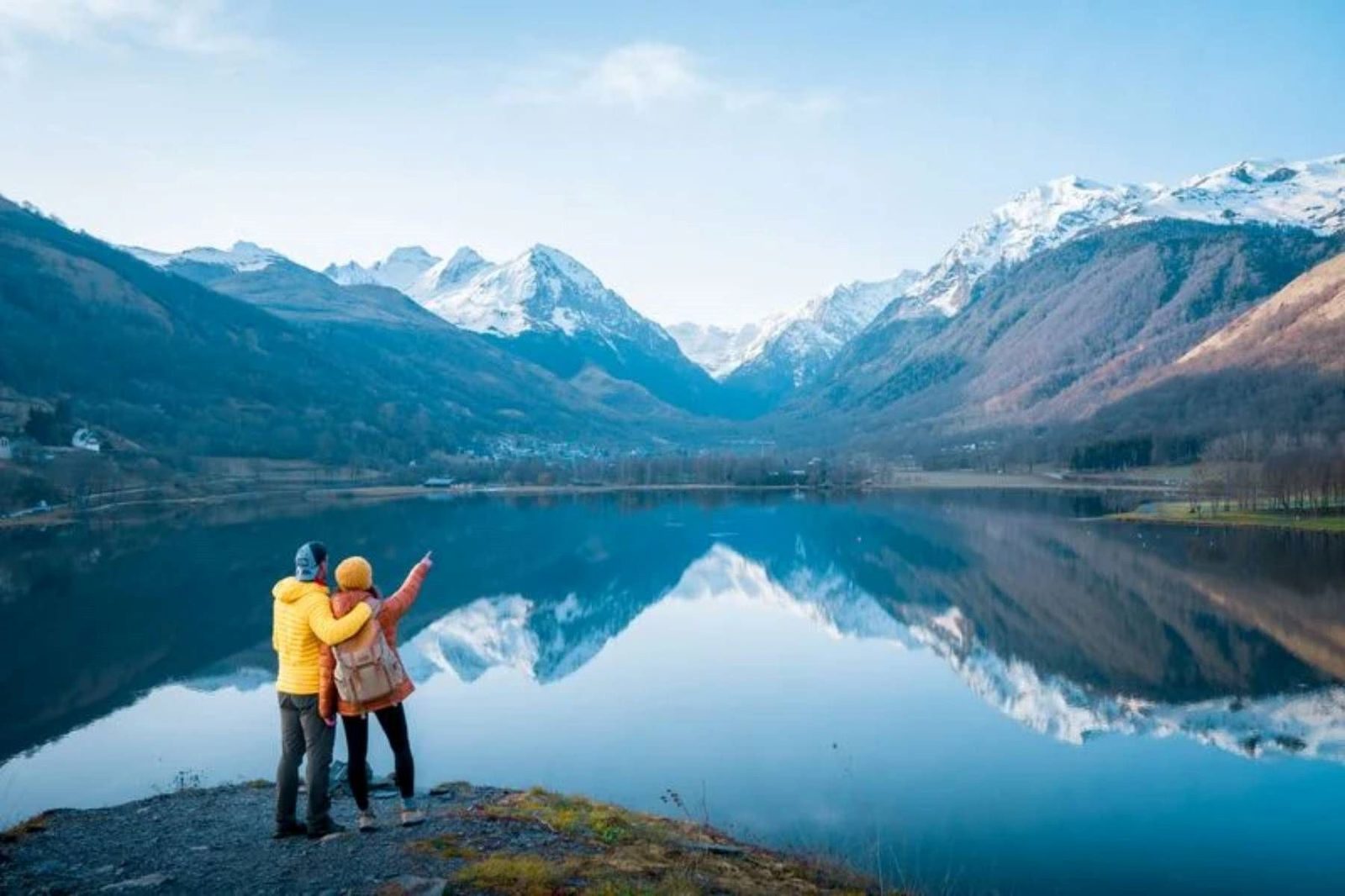
Norway, France and four other European countries are gaining international tourism visibility as National Geographic names Europe’s best travel spots for 2027, highlighting destinations that combine natural beauty, cultural heritage and new visitor experiences. The National Geographic Best of the World 2027 selection includes Vestland in Norway, Normandy in France, Tricity in Poland, Leipzig in Germany, Santander in Spain and Dumfries and Galloway in Scotland. These destinations offer opportunities for international leisure travel, aviation connectivity, coastal holidays, outdoor adventures and cultural exploration. The selection also gives travellers more reasons to explore regional Europe beyond established tourism capitals.
National Geographic Best of the World 2027 Highlights Six European Destinations for International Travellers
National Geographic’s annual Best of the World selection identifies places offering distinctive experiences and timely reasons to travel. Published on 20 October 2026, its 2027 edition includes 25 destinations across six continents. Six of the selected destinations are located in Norway, Poland, Germany, France, Spain and Scotland. Rather than concentrating exclusively on famous European capitals, the selection highlights regional landscapes, maritime cities, historic landmarks and destinations developing new cultural attractions. For international travellers, these choices offer opportunities to combine established tourism activities with experiences connected to local heritage. The selection also provides airlines, tour operators and travel planners with destinations to consider for future European itineraries.
Advertisement
Advertisement
- The European selection covers six destinations across six countries.
- Norway and Scotland stand out for nature-led and outdoor tourism.
- France and Germany offer cultural events and historic attractions.
- Poland and Spain combine coastal tourism with architecture, museums and heritage.
- Several destinations have visitor attractions or cultural programmes planned for 2027.
| Country | Selected destination | Main tourism segment | 2027 travel relevance |
|---|---|---|---|
| Norway | Vestland | Adventure and wellness | Fjord-based exploration |
| France | Normandy | Cultural and heritage tourism | Norman millennium celebrations |
| Poland | Tricity | Coastal and urban tourism | Sailing events and UNESCO heritage |
| Germany | Leipzig | Music and cultural tourism | Music Trail expansion and festivals |
| Spain | Santander | Museum and coastal tourism | New cultural attractions |
| United Kingdom | Dumfries and Galloway | Stargazing and nature tourism | Planned observatory opening |
Norway’s Vestland Strengthens Its Appeal for Fjord Cruises, Adventure Holidays and Wellness Tourism
Norway’s Vestland region stands out among the best European destinations for 2027 because of its dramatic fjords, mountainous landscapes, waterfalls and outdoor experiences. Located in western Norway, Vestland includes internationally recognised attractions such as Hardangerfjord, Nærøyfjord and the historic city of Bergen. Travellers can explore the region through sightseeing cruises, kayaking excursions, mountain walks and nature-focused activities. Bergen also provides an established starting point for journeys into the surrounding fjord country. The combination of exceptional landscapes and relaxation-oriented experiences supports Vestland’s position in adventure and wellness tourism, particularly for visitors seeking alternatives to conventional European city breaks.
- Hardangerfjord: A major attraction for fjord sightseeing, photography and outdoor recreation.
- Nærøyfjord: Offers dramatic landscapes and opportunities for small-vessel excursions and kayaking.
- Bergen: Combines maritime history, cultural attractions and access to western Norway’s fjords.
- Trolltunga: Appeals to experienced hikers seeking demanding mountain adventures.
- Wellness tourism: Scenic accommodation and nature-based experiences support relaxation-focused itineraries.
| Travel category | Vestland tourism information |
|---|---|
| Main destination gateway | Bergen |
| Major natural attractions | Hardangerfjord, Nærøyfjord, Trolltunga |
| Popular experiences | Fjord cruises, hiking, kayaking, sightseeing |
| International travel access | Bergen Airport and connections through other Norwegian gateways |
| Travel planning consideration | Weather, seasonal transport and mountain safety |
France’s Normandy Prepares a Landmark Cultural Tourism Programme for 2027
Normandy in northern France offers a particularly strong cultural travel proposition for 2027. The region will commemorate the millennium of William the Conqueror’s birth through the MILLENIUM – 2027 European Year of the Normans programme. Normandy’s official tourism organisation confirms that the celebrations will extend throughout the year and include exhibitions, historical activities, performances, artistic events and heritage experiences. Important locations associated with Norman history include Falaise, Caen and Bayeux. The programme also connects Normandy with other European territories sharing elements of Norman heritage. For travellers, the celebrations create opportunities to experience medieval history alongside the region’s established coastal attractions, historic towns and cultural landmarks.
Advertisement
Advertisement
- Norman millennium: Celebrations commemorate the birth of William the Conqueror in 1027.
- Cultural programming: More than 1,000 events are planned across participating territories, according to Normandy Tourism.
- Falaise: The birthplace of William the Conqueror and an important medieval heritage destination.
- Caen and Bayeux: Key locations for exploring Norman history and architecture.
- International heritage connections: The programme extends beyond France into other European territories.
| Tourism indicator | Verified information |
|---|---|
| Major programme | MILLENIUM – 2027 |
| Historical anniversary | 1,000 years since William the Conqueror’s birth |
| Programme period | 1 January–31 December 2027 |
| Featured experiences | Exhibitions, medieval heritage, arts and cultural events |
| Official information source | Normandy Tourism |
Poland’s Tricity Gains Global Recognition for Baltic Beaches, Maritime Culture and UNESCO Heritage
Poland’s Tricity region brings together Gdańsk, Gdynia and Sopot along the Baltic Sea, offering three distinctive experiences within one coastal destination. Gdańsk is associated with historic maritime trade, reconstructed streets and important museums. Sopot is known for its beaches, seaside atmosphere and resort traditions. Gdynia represents a different architectural identity, shaped by modernist planning and twentieth-century maritime development. In July 2026, UNESCO inscribed Gdynia Modernist City Centre on the World Heritage List, strengthening the region’s documented cultural significance. The combination of historical landmarks, coastal recreation and local gastronomy makes Tricity suitable for multi-city holidays and heritage-focused tourism.
- Gdańsk: Historic waterfront, Long Market, museums and shipyard heritage.
- Sopot: Baltic beaches, spa traditions and recreational activities.
- Gdynia: Modernist architecture and significant maritime history.
- UNESCO recognition: Gdynia Modernist City Centre was inscribed in 2026.
- 2027 sailing events: Gdynia is scheduled to host major competitions connected with the World Sailing Championships.
| City | Leading tourism attraction | Visitor experience |
|---|---|---|
| Gdańsk | Historic centre and maritime heritage | History, museums and gastronomy |
| Sopot | Baltic beaches and seaside resort | Coastal relaxation and wellness |
| Gdynia | UNESCO-listed Modernist City Centre | Architecture and maritime exploration |
| Tricity region | Connected coastal urban area | Multi-city sightseeing |
| Gdynia in 2027 | Scheduled World Sailing Championships regattas | Sailing and sports tourism |
Germany’s Leipzig Expands Music Tourism with Heritage Trails and Major Cultural Festivals
Germany’s Leipzig has secured a place among National Geographic’s best European travel destinations for 2027 through its longstanding musical heritage and expanding cultural attractions. The city has close historical connections with Johann Sebastian Bach, Felix Mendelssohn and Richard Wagner. Visitors can explore concert venues, churches, museums and cultural walking routes linked to these composers. Leipzig’s tourism organisation confirms that its new Music Arc began opening in September 2026, with further development scheduled for 2027. Alongside classical performances, the city offers jazz, contemporary music and architectural heritage. This combination makes Leipzig attractive for international city breaks centred on music, history and cultural discovery.
Advertisement
Advertisement
- Leipzig Music Trail: An established walking route connects important musical heritage sites.
- Leipzig Music Arc: The approximately seven-kilometre route is being developed in phases, with its southern section planned for 2027.
- Bach heritage: St Thomas Church remains an important location associated with the composer.
- Music festivals: Leipzig’s 2027 cultural calendar includes Bach, Mendelssohn and Beethoven-related programmes.
- Urban tourism: Museums, historic streets and waterways complement its musical attractions.
| Travel component | Leipzig tourism information |
|---|---|
| Main tourism identity | Classical music and cultural heritage |
| Established attraction | Leipzig Music Trail |
| New development | Leipzig Music Arc |
| 2027 milestone | Planned completion of the Music Arc’s southern section |
| Additional experiences | Museums, jazz venues, historical architecture |
Spain’s Santander Moves Towards a Stronger Position in European Museum and Coastal Tourism
Santander, the capital of Cantabria in northern Spain, is gaining recognition for its expanding cultural attractions and coastal setting. The city already offers beaches, historic neighbourhoods, waterfront walks and established cultural institutions. National Geographic highlights important museum developments scheduled for 2027, including a new Museo Reina Sofía presence and the relocation of the Museum of Prehistory and Archaeology. These projects are intended to strengthen Santander’s cultural offer alongside its traditional seaside attractions. Its position on the Bay of Biscay also makes the city relevant to travellers exploring northern Spain. The combination of museums, coastal recreation and regional gastronomy supports varied cultural and leisure itineraries.
- Museo Reina Sofía: A Santander outpost is planned to open in 2027.
- Archivo Lafuente: The planned museum development is associated with an extensive collection of avant-garde material.
- Museum of Prehistory and Archaeology: A new museum location is scheduled to welcome visitors in 2027.
- El Sardinero: Santander’s established beach area supports seaside leisure tourism.
- Bay of Santander: Coastal scenery, waterfront attractions and restaurants complement the city’s cultural institutions.
| Tourism category | Santander tourism information |
|---|---|
| Country and region | Spain, Cantabria |
| Primary city-break appeal | Museums, beaches and gastronomy |
| Planned 2027 cultural opening | Museo Reina Sofía outpost |
| Additional museum development | Relocation of the Museum of Prehistory and Archaeology |
| Coastal attractions | El Sardinero and Santander waterfront |
Scotland’s Dumfries and Galloway Offers Dark Sky Tourism, Nature Trails and Rural Adventures
Dumfries and Galloway in southern Scotland is included in National Geographic’s 2027 selection for its natural landscapes, peaceful walking routes and exceptional stargazing opportunities. The region contains Galloway Forest Park, which VisitScotland identifies as an International Dark Sky Park. Its forests, lochs and rural surroundings provide opportunities for walking, cycling, wildlife observation and astronomy-focused holidays. A new Scottish Dark Sky Observatory is scheduled to open in mid-2027 near Clatteringshaws Loch, according to National Geographic. The attraction is expected to complement the area’s established outdoor tourism offer. The region also contains historic castles, coastal routes and cultural sites linked to Scotland’s literary heritage.
Advertisement
Advertisement
- Galloway Forest Park: An established destination for outdoor activities and dark sky tourism.
- Scottish Dark Sky Observatory: A new observatory is planned to open in mid-2027.
- Clatteringshaws Loch: An important location for observing the night sky.
- Outdoor recreation: Forest trails, mountain biking and coastal walks provide varied daytime activities.
- Historic attractions: Caerlaverock Castle and Robert Burns-related heritage sites offer additional reasons to visit.
| Tourism category | Dumfries and Galloway information |
|---|---|
| Country | Scotland, United Kingdom |
| Main travel appeal | Stargazing, nature and outdoor recreation |
| Recognised landscape | Galloway International Dark Sky Park |
| Planned 2027 development | Scottish Dark Sky Observatory |
| Additional tourism experiences | Walking, cycling, heritage and rural holidays |
European Tourism in 2027: Implications for Airlines, Tour Operators and Regional Travel Demand
The National Geographic Best of the World 2027 selection highlights destinations that can support different forms of international leisure travel. Norway’s Vestland creates opportunities for fjord-based holidays, while Normandy’s millennium programme gives travellers a defined cultural reason to visit France. Poland’s Tricity offers connected coastal cities, Germany’s Leipzig supports music-related city breaks, Spain’s Santander expands its museum attractions, and Scotland’s Dumfries and Galloway develops its nature and astronomy offer. These characteristics are relevant to airlines, accommodation providers and tour operators designing destination-specific products. However, editorial recognition alone cannot establish higher passenger demand, additional flights or increased tourism revenue.
- Airline connectivity: Existing airports and onward transport links influence how international travellers reach these regions.
- Regional tourism: The selection increases visibility for places outside several of Europe’s best-known capital cities.
- Cultural tourism: Museum developments, music routes and historical celebrations provide reasons to plan specialised itineraries.
- Adventure travel: Fjords, walking trails, cycling routes and dark sky experiences support outdoor holiday products.
- Multi-destination holidays: Tour operators can combine regional attractions with established European transport networks.
| Country | Traveller demand segment | Airline and tourism planning relevance |
|---|---|---|
| Norway | Adventure and nature tourism | Access through Bergen and onward regional transport |
| France | Heritage and cultural tourism | Connections with Normandy’s regional and international transport gateways |
| Poland | Coastal and city-break tourism | Access through the Gdańsk area and regional rail |
| Germany | Music and urban cultural tourism | Air and rail connections serving Leipzig |
| Spain | Cultural and coastal leisure | Santander’s airport and ground transport connections |
| United Kingdom | Nature and astronomy tourism | Regional access through rail, road and wider UK aviation networks |
Conclusion
Norway, France and more European destinations shine in National Geographic’s Best of the World 2027 selection because they offer distinctive combinations of nature, culture, heritage and emerging attractions. Vestland showcases fjord adventures, Normandy celebrates centuries of history, Poland’s Tricity connects maritime cities, Leipzig preserves musical traditions, Santander expands cultural experiences and Scotland offers outstanding dark skies. Together, these destinations illustrate the breadth of European tourism beyond familiar holiday routes. For international travellers, the selection provides a useful starting point for planning memorable European holidays. It also highlights how regional attractions and established transport connections contribute to Europe’s diverse tourism offering.–
Advertisement
