
Ladakh Travel Future Shines as Leh Visit Highlights Adventure, Heritage and Tourism Growth

Published
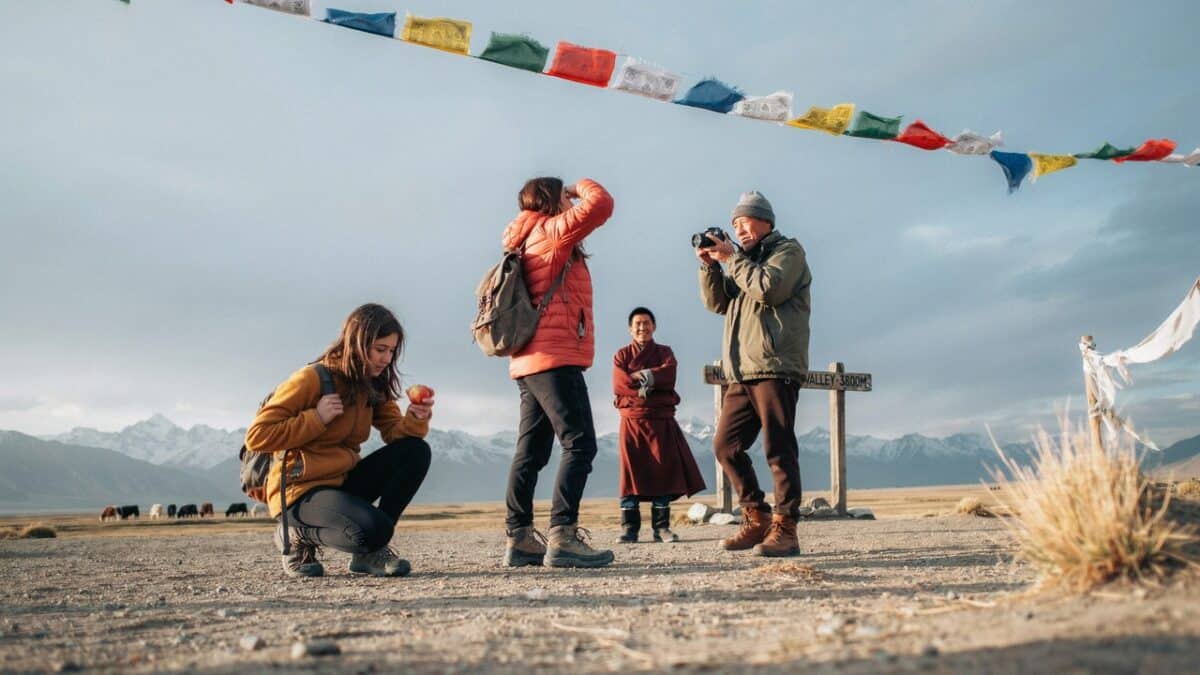
Image generated with Ai
Leh travel is receiving renewed international attention as US Ambassador to India Sergio Gor arrived in Ladakh during a high-profile Himalayan visit that highlighted the region’s growing importance as an adventure and cultural tourism destination. Following his engagements in Jammu and Kashmir, Gor travelled to Leh and visited the iconic Sangam area, where the Indus and Zanskar rivers meet amid dramatic mountain landscapes. The visit has brought fresh focus to Ladakh’s unique tourism appeal, including its high-altitude adventures, Buddhist heritage, remote valleys and breathtaking scenery. As global travellers increasingly seek authentic and less crowded destinations, Ladakh continues strengthening its position as one of India’s most distinctive travel regions.
Sergio Gor’s Leh Visit Brings Fresh International Focus to Ladakh Tourism
US Ambassador to India Sergio Gor arrived in Leh, Ladakh, on 20 August 2026 after completing his visit to Jammu and Kashmir.
The visit formed part of his wider engagement with northern India and followed discussions in Srinagar regarding regional conditions and travel perceptions.
During his Jammu and Kashmir visit, Gor highlighted the importance of the region and indicated that the US travel advisory would be reviewed after considering security developments.
Advertisement
Advertisement
His arrival in Ladakh has created additional attention around the Himalayan territory, particularly as the region continues expanding its reputation as a global adventure tourism destination.
Advertisement
Advertisement
Ladakh attracts visitors from across the world who seek dramatic landscapes, remote experiences and cultural discovery.
The region’s combination of mountains, monasteries and outdoor activities has positioned it as one of India’s most recognisable high-altitude tourism destinations.
Sangam Viewpoint Showcases Ladakh’s Iconic Natural Beauty
A major highlight connected with Gor’s Leh visit was the Sangam area, where the Indus and Zanskar rivers meet near Leh.
The viewpoint is among Ladakh’s most photographed attractions because of its striking natural landscape.
The meeting point of the two rivers creates a dramatic contrast between flowing waters, barren Himalayan mountains and vast open skies.
Advertisement
Advertisement
For travellers, Sangam represents the essence of Ladakh’s natural tourism appeal.
Visitors frequently include the location in their Leh itineraries along with mountain journeys, monastery visits, photography experiences and adventure activities.
The attraction has become a symbol of Ladakh’s unique environment, attracting both domestic and international tourists seeking memorable Himalayan experiences.
The popularity of Sangam demonstrates the growing demand for scenic and nature-based travel experiences.
Leh Strengthens Position as Gateway to Himalayan Adventure Tourism
Leh remains the primary gateway for exploring Ladakh and continues attracting travellers through its combination of adventure, spirituality and natural beauty.
Advertisement
Advertisement
The destination offers experiences that are significantly different from traditional holiday locations.
Travellers visit Leh for high-altitude trekking, mountain biking, motorcycle expeditions, camping, river rafting, wildlife exploration and cultural journeys.
The surrounding landscapes feature some of the world’s most dramatic mountain routes, including access points towards Nubra Valley, Pangong Lake, Tso Moriri and Khardung La.
The region’s remote geography creates a sense of exploration that appeals strongly to modern adventure travellers.
As international visitors increasingly search for unique destinations away from crowded tourism centres, Leh’s untouched landscapes have become one of its biggest strengths.
Advertisement
Advertisement
Ladakh Adventure Tourism Attracts Global Explorers
Adventure tourism remains one of Ladakh’s most powerful tourism assets.
The region’s challenging terrain and high-altitude environment attract travellers seeking experiences that combine physical adventure with spectacular scenery.
Motorcycle tourism has become especially popular, with visitors travelling across some of the world’s highest mountain roads.
Trekking routes provide opportunities to explore remote valleys and Himalayan landscapes, while camping allows travellers to experience Ladakh’s extraordinary natural surroundings.
River rafting and outdoor exploration add further adventure opportunities.
Advertisement
Advertisement
The growth of adventure tourism reflects a broader global travel trend where visitors increasingly prioritise experiences, exploration and personal challenges over traditional sightseeing.
Ladakh’s combination of rugged terrain and cultural depth gives it a strong position within India’s adventure tourism landscape.
Cultural Heritage Strengthens Leh’s International Tourism Appeal
Beyond adventure, Leh and Ladakh offer a rich cultural tourism experience.
The region is home to ancient Buddhist monasteries, traditional festivals and communities with unique Himalayan traditions.
Visitors explore historic attractions including Thiksey Monastery, Hemis Monastery, Diskit Monastery and Alchi Monastery.
Advertisement
Advertisement
These sites provide travellers with insight into Ladakh’s spiritual heritage, architecture and traditional lifestyle.
Cultural tourism has become increasingly important as international visitors look for deeper connections with destinations.
Rather than simply visiting landmarks, travellers now seek meaningful experiences that help them understand local communities and histories.
Ladakh’s combination of living culture and natural landscapes creates a distinctive tourism identity that separates it from other mountain destinations.
Travel Advisory Discussions Could Influence International Visitor Confidence
The timing of Gor’s Ladakh visit has increased attention on international travel perceptions.
Advertisement
Advertisement
Government-issued travel advisories often influence how international visitors plan overseas trips.
Travellers, particularly from markets such as the United States, frequently review official guidance before booking flights, accommodation and tours.
A more positive perception of regional conditions could support visitor confidence and encourage greater interest among international travellers.
For Ladakh’s tourism sector, improved international awareness could benefit hotels, tour operators, local guides, transport companies and adventure businesses.
However, travel decisions depend on several factors, including connectivity, safety, infrastructure, weather conditions and destination promotion.
Advertisement
Advertisement
Maintaining traveller confidence will remain important as Ladakh continues developing its global tourism profile.
Sustainable Tourism Becomes Essential for Ladakh’s Future Growth
As visitor numbers increase, sustainable tourism has become a major priority for Ladakh.
The Himalayan region has a fragile ecosystem that requires careful management.
Growing tourism creates economic opportunities for local communities but also requires responsible planning to protect natural resources.
Future tourism development is expected to focus on environmental protection, responsible travel practices, community participation and conservation-based experiences.
Advertisement
Advertisement
Travellers visiting Ladakh are increasingly encouraged to respect local ecosystems, reduce waste and support local businesses.
Sustainable tourism will be essential for protecting the landscapes that attract visitors from around the world.
What International Travellers Should Know Before Visiting Leh
Travellers planning a Leh-Ladakh journey should prepare carefully because of the region’s high altitude and challenging environment.
Visitors should consider altitude acclimatisation, weather conditions, appropriate clothing, reliable transport arrangements and travel insurance.
Ladakh’s mountain environment can experience sudden weather changes, and some routes remain accessible only during specific seasons.
Advertisement
Advertisement
Visitors should also respect local customs, follow environmental guidelines and choose experienced operators for adventure activities.
Proper preparation allows travellers to enjoy Ladakh’s landscapes safely while contributing to responsible tourism.
Future Outlook for Leh Travel and Ladakh Tourism
Leh continues evolving from a niche adventure destination into a broader tourism hub offering nature, culture, wellness and exploration.
International attention from diplomatic visits and increased destination promotion can support awareness of Ladakh’s tourism potential.
However, long-term success will depend on balancing visitor growth with environmental protection and community benefits.
Advertisement
Advertisement
With its extraordinary mountains, ancient heritage and unique experiences, Ladakh remains one of the world’s most distinctive high-altitude destinations.
As travellers increasingly search for remote and meaningful journeys, Leh and the wider Ladakh region have significant potential to strengthen their position on the global tourism map.
Conclusion
Leh travel is entering a new phase of international recognition as US Ambassador Sergio Gor’s Ladakh visit highlights the region’s extraordinary tourism potential. His arrival in Leh and visit to the Sangam area have drawn attention towards Ladakh’s Himalayan landscapes, adventure opportunities and cultural heritage. While discussions around international travel perceptions continue, the region’s true appeal remains rooted in its mountains, monasteries, traditions and unforgettable experiences. As travellers increasingly seek authentic destinations away from crowded tourism centres, Ladakh has the opportunity to emerge as a leading global adventure and cultural destination. Protecting its fragile environment will be essential for ensuring sustainable tourism growth.
Advertisement
