
Palau Stands Alongside Fiji and Others to Transform Island Tourism With Sustainable Climate Planning

Published
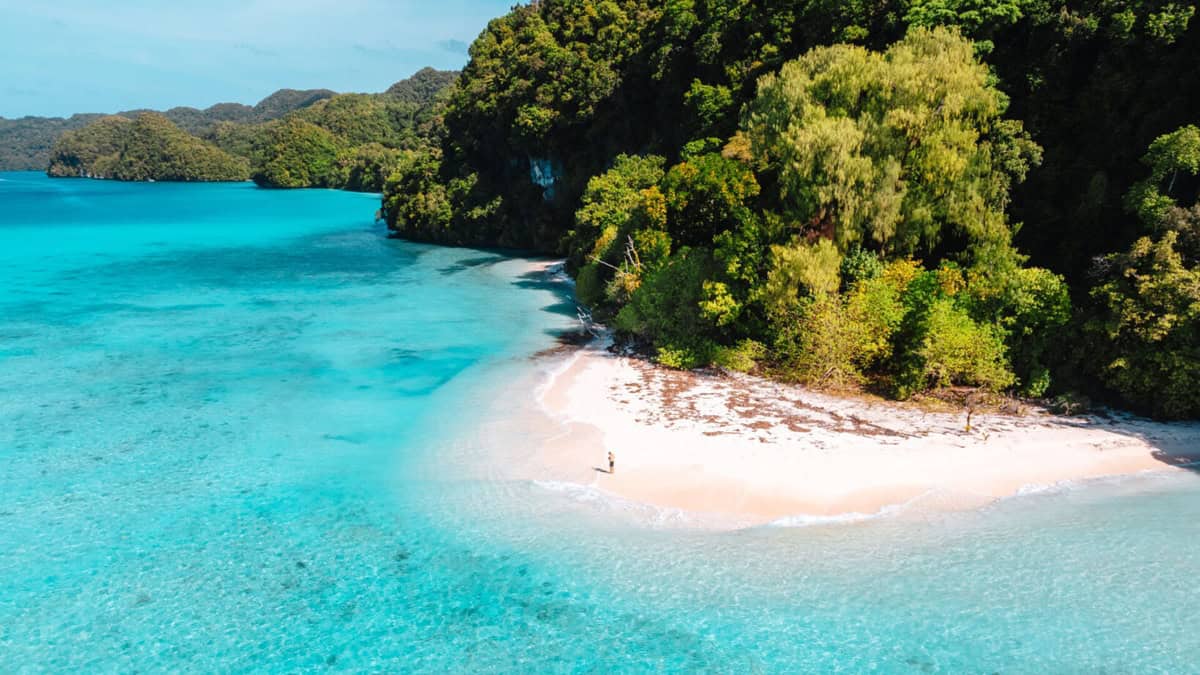
Pacific island destinations are entering a new phase of tourism planning as climate resilience becomes central to protecting visitor economies, coastal infrastructure and marine attractions. Palau, Tuvalu, Marshall Islands, Fiji, Vanuatu, Samoa, Kiribati, Tonga, Solomon Islands and Cook Islands share a common challenge: their tourism industries depend on ecosystems increasingly exposed to climate risks. The latest regional direction is not a single new tourism policy announcement, but a broader shift towards climate-ready destination management, sustainable tourism investment and stronger protection of islands and oceans.
Pacific Islands Tourism Moves From Growth Model Towards Climate Resilience Planning
The Pacific tourism sector is increasingly moving beyond traditional visitor growth strategies and focusing on a more resilient tourism model designed for long-term destination survival.
The exclusive tourism angle emerging from the region is the connection between climate adaptation and future travel competitiveness. For Pacific destinations, sustainability is no longer only an environmental objective. It is becoming a foundation for maintaining resorts, marine activities, cultural experiences, cruise visits and community-based tourism.
The Pacific Tourism Organisation (SPTO) has already positioned resilience, responsible tourism and ecosystem protection as central pillars of regional tourism development through the Pacific Sustainable Tourism Policy Framework. The framework identifies prosperous economies, inclusive communities, cultural protection and healthy islands and oceans as core tourism priorities.
Advertisement
Advertisement
The development matters for international travellers because many of the experiences that attract visitors to the Pacific — coral reefs, beaches, lagoons, diving locations, wildlife encounters and indigenous cultural tourism — depend directly on environmental stability.
Palau Becomes Tourism Reference Point as Pacific Leaders Focus on Climate Action
Palau has emerged as a key reference point in the Pacific’s climate and tourism discussions.
Advertisement
Advertisement
The country hosted the 55th Pacific Islands Forum Leaders’ Meeting in Koror in September 2026, where regional priorities included climate change, ocean governance, economic development and implementation of the Blue Pacific regional vision.
For tourism, Palau represents a destination model built around conservation-led visitor management. Its tourism identity is strongly connected with marine ecosystems, protected ocean areas and responsible travel practices.
Advertisement
Advertisement
The country’s experience demonstrates a wider challenge facing Pacific destinations: increasing visitor demand while ensuring fragile ecosystems remain protected.
Ngerulmud, Palau’s national capital, and Koror, the country’s main tourism and commercial centre, represent two different sides of the destination’s future. Koror remains the gateway for international visitors, hotels, diving operators and tourism services, while Ngerulmud represents national governance and long-term planning.
The connection between these locations highlights a wider regional reality: tourism decisions increasingly require cooperation between government institutions, communities, conservation authorities and private operators.
Country Comparison: How Pacific Destinations Connect Tourism With Climate Resilience
| Country | Tourism Strength | Climate Challenge Affecting Tourism | Strategic Tourism Response |
|---|---|---|---|
| Palau | Marine tourism, diving, conservation experiences | Ocean ecosystem pressure and climate vulnerability | Conservation-focused visitor management |
| Tuvalu | Cultural and island experiences | Extremely low elevation and coastal exposure | Climate adaptation planning |
| Marshall Islands | Coastal heritage and community tourism | Sea-level rise risks | Sustainable tourism development planning |
| Fiji | Resorts, beaches, adventure tourism | Cyclones and coastal impacts | Climate-resilient tourism infrastructure |
| Vanuatu | Nature, volcano, marine and cultural tourism | Extreme weather exposure | Community-focused sustainable tourism |
| Samoa | Cultural tourism and natural attractions | Coastal vulnerability | Responsible destination development |
| Kiribati | Island culture and ocean experiences | High exposure to rising seas | Long-term resilience planning |
| Tonga | Marine tourism including whale experiences | Coastal and ecosystem risks | Protection of tourism assets |
| Solomon Islands | Biodiversity and emerging tourism | Infrastructure and environmental pressures | Sustainable tourism expansion |
| Cook Islands | Lagoon, beach and island tourism | Coastal ecosystem sensitivity | Balanced visitor growth |
Why Climate Resilience Has Become a Tourism Priority Across Island Destinations
Pacific tourism economies share a unique dependency on natural assets.
Advertisement
Advertisement
Unlike large mainland destinations with diversified tourism products, many island destinations rely heavily on a small number of attractions. A damaged reef system, coastal erosion event or extreme weather disruption can affect hotels, excursions, transport providers and local businesses simultaneously.
The Pacific Sustainable Tourism Policy Framework highlights the need for tourism to support communities while protecting island and ocean ecosystems.
The Pacific Tourism Organisation’s Strategic Plan 2025–2029 also identifies climate resilience, sustainable investment and destination management as important areas for strengthening the region’s tourism future.
This creates a different tourism competition model. Future destinations may not compete only on beaches, luxury resorts or visitor numbers. Increasingly, travellers, tour operators and investors are expected to consider environmental responsibility, conservation standards and destination resilience.
Sustainable Tourism Investment Becomes Critical for Pacific Travel Growth
The next phase of Pacific tourism development is expected to focus on investment quality rather than only visitor volume.
Key areas include:
Advertisement
Advertisement
| Tourism Investment Area | Importance for Destinations |
|---|---|
| Climate-ready hotels and resorts | Reduces operational disruption from extreme weather |
| Coastal protection | Protects tourism infrastructure and communities |
| Renewable energy systems | Supports lower-emission tourism operations |
| Waste management | Protects marine environments |
| Sustainable transport | Reduces environmental pressure |
| Community tourism | Ensures tourism benefits reach local populations |
The Pacific Private Sector Development Initiative has supported sustainable tourism planning across Pacific countries, including work with national tourism organisations, tourism policy development and resilience planning.
What Travellers Need to Know Before Visiting Pacific Island Destinations
For travellers, the shift towards climate-resilient tourism does not mean fewer experiences. Instead, it signals a stronger focus on responsible travel.
Visitors may increasingly encounter:
- conservation fees supporting environmental protection
- visitor limits in sensitive marine areas
- sustainability standards for tourism businesses
- stronger community involvement in tourism products
- environmental guidelines for marine activities
Travellers visiting Pacific islands should prepare by checking:
| Traveller Consideration | Recommended Action |
|---|---|
| Weather conditions | Review seasonal climate information before departure |
| Marine activities | Choose licensed operators following conservation rules |
| Local regulations | Follow environmental and cultural guidelines |
| Accommodation | Consider properties with recognised sustainability practices |
| Insurance | Confirm coverage for weather-related disruptions |
Broader Impact on Global Tourism Markets
The Pacific Islands climate tourism shift represents a wider global tourism trend.
Island destinations worldwide face similar pressures, from the Caribbean to the Indian Ocean. The Pacific experience demonstrates how vulnerable destinations are adapting tourism models around resilience rather than simple expansion.
Advertisement
Advertisement
The region’s approach may influence future destination planning by showing how conservation, community participation and tourism economics can be integrated.
The emerging message for travel businesses is clear: destinations that protect their natural assets are strengthening their ability to remain competitive in the international tourism market.
Key Operational Takeaways for Travel Agents and Tour Operators
- Review Pacific island packages with updated climate and seasonal information.
- Work with local operators that follow sustainable tourism standards.
- Highlight conservation-based experiences as premium travel products.
- Prepare customers for weather-related flexibility requirements.
- Include environmental responsibility information in destination briefings.
- Monitor infrastructure changes affecting coastal resorts and marine excursions.
- Prioritise destinations investing in long-term resilience planning.
Conclusion
Pacific island tourism is entering a period where climate resilience is becoming a defining factor in destination competitiveness. Palau, Tuvalu, Marshall Islands, Fiji, Vanuatu, Samoa, Kiribati, Tonga, Solomon Islands and Cook Islands share a common challenge: protecting the natural and cultural resources that support their tourism economies.
The future of Pacific travel will increasingly depend on balancing visitor growth with environmental protection, community benefits and climate adaptation. For international travellers and the global tourism industry, these destinations demonstrate how sustainability is evolving from a tourism preference into a strategic requirement.
FAQs
1. Why are Pacific islands focusing on climate-resilient tourism?
Pacific islands depend heavily on natural attractions such as beaches, marine ecosystems and cultural heritage sites, making climate resilience important for protecting tourism economies.
2. What type of tourism experiences are most affected by climate change?
Marine tourism, coastal resorts, diving, island excursions and nature-based activities are among the experiences most connected to environmental conditions.
Advertisement
Advertisement
3. How can travellers support sustainable tourism in island destinations?
Travellers can support responsible tourism by choosing sustainable operators, respecting conservation rules and reducing environmental impacts during visits.
4. Are Pacific island destinations still suitable for international holidays?
Yes. Pacific destinations continue welcoming visitors while developing stronger approaches to environmental protection and sustainable tourism management.
5. What is changing in Pacific tourism planning?
Tourism planning is increasingly focusing on resilience, conservation, community participation and protecting natural resources for future generations.
Advertisement
