
Saudi Arabia Is Still on the US Travel Warning List as Travellers Must Plan Better Amid Security Risks

Updated
Published
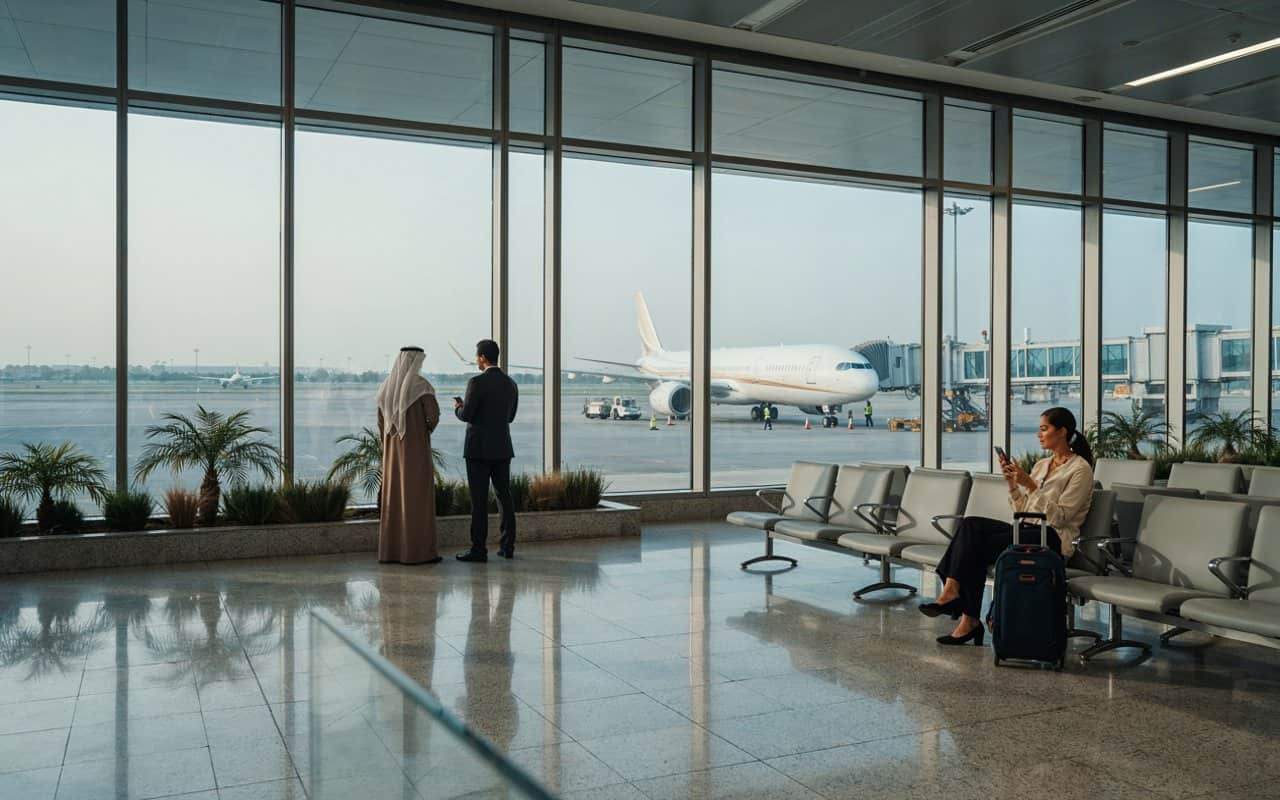
Saudi Arabia stays at a Level 3 on the United States’ “Reconsider Travel” advisory, as of the 15 September 2026 update. The Travel Warning for Saudi Arabia addresses ongoing conflict, attacks by missiles and drones from Iran, Houthi threats, attacks from various groups, exit bans, and local laws. Elevated risk indicators and national threat level have not changed. Revisions add movement controls for employees of the US government. Commercial flights and sanctioned tourism continue, though disruptions remain likely. US citizens traveling for tourism and business as well as pilgrims should consider cancelling their travel plans, avoid high-risk areas, and be prepared for changes to transpot and security.
What the Saudi Arabia Travel Warning Officially Changed
The September revision did not raise Saudi Arabia to a higher nationwide advisory level. Official records show that the country was already at Level 3 before the update. The two risk indicators also remain unchanged. They cover terrorism and other threats, including armed conflict, local laws and restrictions that may prevent travellers from leaving the country. The primary change applies to US government employees. They cannot travel within 20 miles, or around 32 kilometres, of the Yemen border. They are also prohibited from making non-essential journeys to Qatif.
Advertisement
Advertisement
Official employees now need special authorisation before travelling to Jizan, Asir, Najran or Qatif. These restrictions do not automatically apply as legal rules for ordinary American visitors. However, US citizens are advised to follow similar precautions because emergency assistance may be limited in these areas. The Yemen border remains under the stronger Level 4 “Do Not Travel” classification because of terrorism and previous missile, rocket and drone attacks. This means the national Level 3 position must be separated from the more severe restrictions covering the southern border area.
| News component | Share of story | Officially verified finding | Relevance to travellers | Official source |
|---|---|---|---|---|
| National security advice | 35% | Saudi Arabia remains at Level 3 | Americans should reconsider whether their journey is necessary | US Department of State |
| Regional restrictions | 20% | Yemen border remains at Level 4 | Travellers should avoid this area for any reason | US Department of State |
| Government employee rules | 15% | New movement and approval controls apply | Shows where official precautions are strongest | US Department of State |
| Aviation | 10% | Commercial flights remain operational | Short-notice disruption remains possible | US Department of State and US aviation authorities |
| Visas and passports | 10% | No new suspension was announced | Existing Saudi entry arrangements continue | Official Saudi visa authorities |
| Tourism impact | 10% | Tourism remains operational nationally | No official evidence confirms a fall in visitor demand | Saudi tourism and statistical authorities |
| Total | 100% | Editorial assessment based on verified evidence | The main story concerns safety, not a tourism shutdown | Official authorities |
The evidence establishes that security advice and official employee controls have been reinforced. It does not establish that Saudi Arabia has stopped receiving tourists or suspended visas. Travellers should understand that the update changes risk planning rather than the general immigration system.
Advertisement
Advertisement
Why the Travel Warning Matters to Tourism
The advisory identifies airports, transport hubs, hotels, tourist attractions, religious locations, shopping centres, entertainment venues and large gatherings as potential targets. It also warns that missiles and drones have previously targeted cities, infrastructure, airports, military facilities, diplomatic sites and energy installations. Falling debris from intercepted weapons presents another danger. People staying near military bases or major energy infrastructure may face greater exposure, particularly in southern Saudi Arabia and areas closer to Yemen.
Commercial flights continue, but official guidance says services have experienced significant disruption at times. This does not mean every journey will be delayed or cancelled. It means passengers should not assume that a confirmed reservation guarantees an unchanged departure. Regional military activity, security incidents or temporary airspace controls can affect schedules with little notice. Hotels, attractions and religious sites continue operating, but travellers may need flexible bookings, suitable insurance and alternative departure plans. There is no verified evidence that the September update has already reduced bookings, hotel occupancy or international arrivals.
Advertisement
Advertisement
Saudi Arabia Travel Warning and Entry Requirements
No new tourist visa or passport restriction was introduced through the security update. Saudi tourist e-visas, eligible visas on arrival and other authorised entry routes remain available through official channels. Tourist visas generally permit stays of up to 90 days, although the permission recorded on each visa remains decisive. Visitors cannot normally spend more than 180 days within a 12-month period under the tourist system. American guidance also states that passports should remain valid for at least six months beyond arrival and contain two blank pages.
Religious travel continues under separate requirements. Eligible visitors can undertake Umrah with an approved e-visa, Umrah visa or qualifying transit visa outside the restricted Hajj period. Hajj requires a dedicated visa and an approved permit through the official Saudi pilgrimage system. A tourist, business, employment or standard Umrah visa cannot replace Hajj authorisation. Saudi-US dual citizens must use Saudi travel documents when entering and leaving as Saudi citizens. Visa approval allows entry, but it does not remove the need to follow security advice, local laws or regional restrictions.
Advertisement
Advertisement
Practical Travel Warning Steps for Visitors
American leisure travellers, business visitors, workers and pilgrims should review their plans before departure. Immediate cancellation is not required by the nationwide Level 3 classification, but affected visitors are officially advised to reconsider travel. Plans involving the Yemen border should not proceed. Journeys involving Qatif, Jizan, Asir or Najran require stronger risk assessment because these places feature in the restrictions placed on official US personnel.
Travellers should take the following practical steps:
- Check the latest official government security advice before departure.
- Avoid the Yemen border and reconsider unnecessary southern journeys.
- Confirm every flight directly before leaving for the airport.
- Keep passports, visas and insurance records valid and accessible.
- Verify the authorised length of stay shown on the visa.
- Use the official pilgrimage system for Hajj permits and approvals.
- Check whether controlled medicines require advance Saudi authorisation.
- Review insurance exclusions covering conflict and regional disruption.
- Prepare an emergency departure plan independent of government evacuation.
- Retain printed and digital copies of travel documents and reservations.
Travellers do not necessarily need to abandon visits to Riyadh, Jeddah or other established destinations. However, they should remain prepared to change transport, accommodation or activity plans if authorities issue new instructions. Advice can change rapidly when regional hostilities affect airspace or critical infrastructure.
Exit Bans, Local Laws and Verified Tourism Data
Exit bans represent one of the most important non-military risks. Saudi authorities can prevent a person from leaving during criminal investigations, civil cases, financial disputes, employment disagreements or family proceedings. Unpaid visa-overstay penalties can also block departure. Official American guidance says these fines can start at SAR100 per day and may continue until resolved. Some travellers may not learn about an exit restriction until they attempt to leave through an airport or border checkpoint.
Advertisement
Advertisement
Online activity can also create legal problems. Authorities may investigate posts, reposts, photographs, comments or likes considered offensive, critical or disruptive to public order. Material published outside Saudi Arabia or before arrival may still be examined. Visitors must also follow local rules on alcohol, drugs, public conduct, photography and controlled medicines. A valid visa does not protect anyone from local law. Violations may result in detention, financial penalties, deportation or restrictions on departure.
Official tourism figures show the size of the market exposed to changes in travel confidence. Saudi Arabia recorded approximately 122.6 million domestic and inbound tourists in 2025. This included around 93.3 million domestic travellers and 29.3 million international visitors.
Inbound tourists represented approximately 23.9% of total visitor volume, while domestic tourists accounted for around 76.1%. However, inbound visitors generated approximately SAR176.6 billion, or about 58.1% of total tourism spending of SAR303.7 billion. International visitors therefore formed less than one-quarter of tourist volume but produced more than half of expenditure.
Official statistics also recorded 5,937 licensed tourism accommodation facilities during the fourth quarter of 2025. This was an annual increase of 34.2%. Hotel room occupancy exceeded 57.3% during that quarter. These figures show that security perceptions could matter for accommodation, aviation, pilgrimage services and events. However, no official data currently prove that the September advisory caused any decline in visitor numbers or spending.
What Happens Next for the Saudi Arabia Travel Warning
The date for the next formal review has not been scheduled. If security, diplomatic or emergency concerns develop, chances are the classification may change. Travelers are urged to be alert and to monitor the travel advisory, employee restrictions, aviation notices, Saudi visas, the Hajj, and health notices. Saudi Arabia permits authorized travel for business and tourism, and religious travel, and Americans have been advised to consider whether travel is advisable given the risks that exist in the region and the laws that currently exist. The Travel Warning for the Yemen border remains at Level 4, while the national Travel Warning is Level 3. The stated Travel Warning is valid for travelers who have the necessary documents and are flexible and who have made personal arrangements for emergency support. No definitive data indicate a decline in tourism to that country.
Advertisement
