
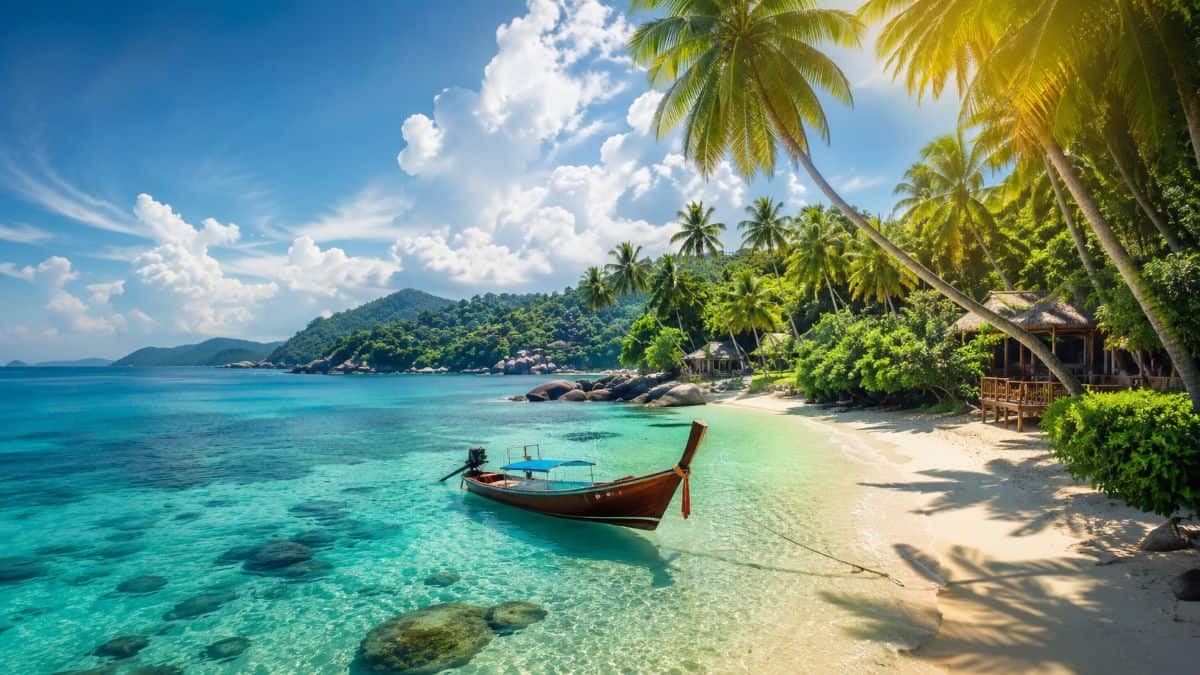
Image generated with Ai
World Coconut Day offers travellers an opportunity to discover destinations where coconut is far more than a tropical crop. Celebrated annually on 2 September, the occasion highlights the importance of coconut cultivation, livelihoods, food traditions and sustainable agricultural practices across coconut-growing regions. For the travel industry, the day also provides a timely reason to explore destinations where coconut palms shape coastal landscapes, local cuisine and everyday culture.
From Goa and Kerala in India to Bali, Thailand, Seychelles, Fiji and Hawaii, coconut has become closely associated with tropical holidays. Visitors can encounter the fruit in everything from freshly served coconut water and regional curries to traditional sweets, desserts and ceremonial dishes. These destinations demonstrate how an agricultural product can become part of a wider tourism experience, connecting food, nature, community traditions and coastal scenery. A World Coconut Day-inspired holiday therefore offers more than a beach escape, giving travellers an opportunity to understand how local communities use a familiar tropical resource in distinctive ways.
Goa is one of India’s most recognisable coastal holiday destinations and provides a natural setting for a World Coconut Day getaway. Coconut palms are deeply associated with the state’s shoreline, villages and culinary traditions, creating a landscape that complements its beaches and relaxed atmosphere.
Travellers can experience coconut through several elements of Goan cuisine. Sorak, a traditional coconut-based curry, reflects the importance of coconut milk in regional cooking, while Bebinca offers a sweeter interpretation of the ingredient. Fresh coconut water is widely associated with tropical refreshment, particularly during warm days spent exploring the coast.
Advertisement
Advertisement
A Goa holiday can also extend beyond the beach. Visitors can explore historic neighbourhoods, local markets, traditional villages and seafood restaurants while observing how coconut features in everyday food preparation. Combining these experiences makes Goa particularly suitable for travellers who want a holiday centred on both nature and regional gastronomy.

Image generated with Ai
The Andaman Islands provide another Indian destination where coconut palms and turquoise waters form a defining part of the landscape. The islands appeal to travellers seeking beaches, marine experiences and a slower tropical atmosphere away from densely populated urban centres.
Chidiyatapu and the beaches around Swaraj Dweep, formerly known as Havelock Island, provide opportunities to experience the islands’ coastal environment. Radhanagar Beach is particularly known for its scenic setting, while other parts of the archipelago offer opportunities for nature-focused excursions and water-based activities.
Coconut also appears in local food traditions, including curries and refreshments. A simple glass of fresh coconut water can become part of an island day, particularly after outdoor activities. For responsible travellers, the destination also presents an opportunity to appreciate the relationship between tourism, fragile island ecosystems and sustainable use of natural resources.
Advertisement
Advertisement
Kerala perhaps offers one of the most complete coconut-centred travel experiences in India. Coconut palms are an unmistakable part of the state’s landscape, appearing around villages, waterways, farms and coastal areas.
The ingredient is central to many aspects of Kerala cuisine. Coconut milk, grated coconut and coconut oil are used across a broad range of dishes, creating flavours that distinguish the state’s culinary identity. Travellers taking a houseboat journey through the backwaters can pair the scenery with a traditional Kerala meal, experiencing how food and landscape complement one another.
Dishes such as avial and desserts including payasam demonstrate different applications of coconut within regional cooking. For visitors, this makes a Kerala itinerary especially appealing because the World Coconut Day theme can be experienced through cuisine rather than simply observed as an agricultural celebration.
Seychelles provides an international interpretation of coconut tourism, combining palm-lined beaches with Indian Ocean cuisine and island culture. Its natural scenery makes it attractive to travellers searching for a tropical escape, while coconut remains an important ingredient in local culinary traditions.
Coconut-based curries and preparations made with coconut milk provide visitors with opportunities to explore Creole flavours. The coconut palm salad, often associated with the local cuisine, offers another example of how the plant can feature directly in regional food culture.
Beyond cuisine, the islands’ beaches and vegetation reinforce the visual connection between coconut and tropical tourism. Travellers can combine coastal exploration with local dining, creating a holiday that connects natural beauty with culinary heritage.
Fiji’s tropical climate and island environment have made coconut an important part of traditional life. The fruit and palm are used in food, cooking and cultural practices, giving visitors an opportunity to discover a broader relationship between coconut and Pacific island communities.
One notable experience is the traditional lovo feast, where food is cooked in an underground earth oven. Coconut leaves can be used as part of the preparation process, demonstrating that the value of the coconut palm extends beyond the fruit itself.
Fresh coconut water and coconut-based dishes can complement a Fiji itinerary that includes beaches, villages and cultural experiences. For travellers, the attraction lies in seeing how a natural resource becomes integrated into food traditions and community life rather than existing solely as a commercial crop.
Bali remains a major tropical destination where coconut is closely connected with food, agriculture and the island’s visual identity. Palm trees, rice landscapes, beaches and traditional settlements provide a diverse backdrop for visitors.
Coconut appears across Balinese cuisine in both savoury and sweet preparations. Travellers exploring local markets can encounter coconut-based snacks and desserts, including klepon, while coconut milk is used in numerous regional dishes.
The experience can be particularly rewarding when visitors move beyond resort areas and explore traditional markets, village communities and local food establishments. Such experiences provide greater insight into the everyday role of coconut while supporting locally rooted tourism.
Thailand is another prominent coconut-producing country where the ingredient is closely linked with the international image of Thai cuisine. Coconut milk appears in curries, soups, desserts and drinks, giving travellers numerous opportunities to encounter it during a holiday.
Mango sticky rice served with coconut cream is one of the country’s best-known sweet dishes, while coconut-based soups and curries offer savoury alternatives. Fresh coconut drinks and coconut shakes are also popular choices in markets and tourist areas.
A Thailand trip can therefore turn World Coconut Day into a culinary journey. Visitors can combine beaches, temples, markets and street food while discovering the different ways coconut contributes to Thai cooking.
Hawaii provides another destination where coconut palms contribute to the tropical holiday experience. Across islands such as Oahu, Maui and Hawaii Island, travellers can encounter coconut in drinks, desserts and traditional food.
Haupia, a coconut-based pudding, is closely associated with Hawaiian cuisine and is commonly encountered as part of local food experiences. Visitors can also find fresh coconut water and coconut-inspired dishes while exploring markets, coastal areas and cultural attractions.
A Hawaiian holiday can combine these culinary experiences with opportunities to learn about Polynesian heritage and local traditions. This creates a wider cultural context around the coconut rather than treating it simply as a holiday refreshment.
| Destination | Coconut travel experience | Signature food experience | Ideal travel appeal |
|---|---|---|---|
| Goa, India | Beaches and palm-lined coast | Sorak and Bebinca | Coastal holidays and food |
| Andaman, India | Tropical islands and beaches | Coconut-based curries | Nature and island escapes |
| Kerala, India | Backwaters and villages | Avial and payasam | Culture and gastronomy |
| Seychelles | Indian Ocean beaches | Coconut curry and palm salad | Luxury island holidays |
| Fiji | Pacific islands and culture | Lovo preparations | Cultural and tropical travel |
| Bali, Indonesia | Beaches, markets and villages | Klepon and coconut dishes | Food and cultural exploration |
| Thailand | Markets and tropical coastlines | Mango sticky rice and coconut dishes | Culinary and leisure travel |
| Hawaii, USA | Beaches and cultural experiences | Haupia | Pacific culture and relaxation |

Image generated with Ai
Coconut tourism can also encourage travellers to think about sustainability. Coconut cultivation supports farmers and communities across many tropical regions, while coconut palms contribute to agricultural landscapes and local food systems.
Tourists can make more responsible choices by supporting locally owned restaurants, purchasing regional products from legitimate producers and respecting agricultural and coastal environments. Avoiding unnecessary waste and choosing experiences that benefit local communities can further strengthen the connection between tourism and sustainable development.
For destinations where tourism places pressure on natural resources, responsible visitor behaviour is particularly important. World Coconut Day can therefore serve as a reminder that attractive tropical landscapes are connected to working communities, agricultural traditions and ecosystems that require long-term protection.
Coconut-rich destinations offer travellers a distinctive combination of palm-fringed beaches, tropical landscapes, regional cuisine and cultural experiences. From Asia and the Indian Ocean to the Pacific and the Caribbean, these destinations showcase how coconut has become an integral part of local life and holiday experiences.
Coconut has a unique position within travel because it connects several elements that modern travellers increasingly seek. It is associated with wellness, fresh food, local cuisine, tropical landscapes, cultural traditions and sustainable agriculture.
The experience is also highly accessible. A traveller does not necessarily need to visit a specialist attraction to discover coconut culture. A local meal, market visit, cooking experience, farm excursion or fresh coconut drink can provide an authentic introduction to the destination.
As travellers increasingly look for experiences rooted in local identity, destinations where coconut is embedded in everyday life have an advantage. They can offer memorable holidays while showcasing agricultural heritage and regional culinary knowledge.
The beauty of these coconut destinations comes from the way natural landscapes, tropical climate, local food and coastal culture come together. Coconut palms are not simply scenic additions; in many places, they are part of everyday life, agriculture, cuisine and traditional practices.
Overall, the beauty of coconut destinations lies in their sense of place. Travellers can enjoy the visual appeal of palm trees and beaches while also experiencing local cuisine, traditions, landscapes and communities shaped by the coconut palm.
make details of travel attractions
These coconut-rich destinations offer far more than beautiful beaches. Travellers can explore historic landmarks, wildlife, backwaters, coral reefs, cultural sites, local markets and food traditions while enjoying landscapes dominated by coconut palms.
The strongest appeal of these destinations is their variety. A holiday does not have to revolve around beaches alone. Visitors can combine coconut-lined coastlines with heritage tourism, local gastronomy, wildlife, adventure activities and cultural experiences.
For World Coconut Day, these destinations provide a particularly relevant travel theme because the coconut palm connects the landscape with local communities and cuisine. Travellers can see coconut plantations, taste regional dishes, visit traditional markets and enjoy coastal environments where coconut palms have become an unmistakable part of the destination’s identity.

Image generated with Ai
These destinations are worth visiting because they offer much more than beautiful coconut palms and beaches. Each place combines tropical scenery, distinctive cuisine, local culture, adventure and memorable experiences, making them ideal choices for travellers looking for a relaxing yet enriching holiday.
The real attraction is the combination of tropical beauty and local identity. These destinations allow travellers to enjoy coconut-fringed beaches while discovering regional food, traditional lifestyles, wildlife, heritage and outdoor activities.
For World Coconut Day, they also offer a meaningful travel theme. A fresh coconut drink on a beach may be memorable, but learning how coconut is grown, cooked and used by local communities can make the journey far more immersive.
World Coconut Day is more than an occasion to celebrate a widely cultivated tropical fruit. It provides a lens through which travellers can understand destinations, their food traditions and the communities that depend on coconut.
Goa and Kerala demonstrate the depth of India’s coconut culture, while the Andaman Islands add an island-focused experience. Seychelles and Fiji bring Indian Ocean and Pacific perspectives, while Bali, Thailand and Hawaii demonstrate how coconut has become deeply connected with distinctive regional cuisines.
For travellers planning a tropical escape, these destinations offer an appealing combination of beaches, cuisine, culture and nature. A World Coconut Day holiday can therefore become a meaningful travel experience, turning an everyday ingredient into a gateway to understanding the places where it grows.
1. When is World Coconut Day celebrated?
World Coconut Day is observed annually on 2 September to highlight the importance of coconut cultivation, production, livelihoods and sustainable development.
2. Why is coconut important to tourism?
Coconut is closely connected with tropical landscapes, local cuisine, traditional food practices and coastal cultures, making it an important part of the visitor experience in many destinations.
3. Why is Goa suitable for a World Coconut Day holiday?
Goa combines coconut-lined beaches with traditional cuisine featuring coconut-based curries, desserts, seafood and refreshing coconut water.
4. What makes Kerala a coconut-focused destination?
Coconut is deeply integrated into Kerala’s landscape and cuisine, including dishes prepared with coconut milk, grated coconut and coconut oil.
5. Are the Andaman Islands suitable for a tropical holiday?
Yes. The Andaman Islands offer beaches, marine environments, tropical scenery and opportunities to experience island cuisine and local culture.
6. What coconut dishes can travellers try in Bali?
Visitors can discover coconut-based Balinese dishes and sweets, including klepon, along with preparations using coconut milk.
7. Why is Thailand associated with coconut cuisine?
Coconut milk and coconut cream are widely used in Thai cooking, including curries, soups, desserts and drinks.
8. What coconut food is popular in Hawaii?
Haupia is a well-known Hawaiian coconut pudding, while fresh coconut and coconut-based dishes can also be encountered during island visits.
9. How does Fiji showcase coconut culture?
Fiji incorporates coconut into food and traditional practices, including aspects of lovo preparation and the use of coconut leaves.
10. How can travellers support sustainable coconut tourism?
Travellers can support local businesses, respect agricultural and natural environments, reduce waste and choose experiences that provide benefits to local communities.
Advertisement
Advertisement
Advertisement













Saturday, September 5, 2026

Friday, September 4, 2026

Saturday, September 5, 2026

Saturday, September 5, 2026

Thursday, September 3, 2026

Wednesday, September 2, 2026

Saturday, September 5, 2026