
Uganda Opens Five Wildlife Areas for Free Entry From 25 to 27 September as Park Days Offer More to See

Published
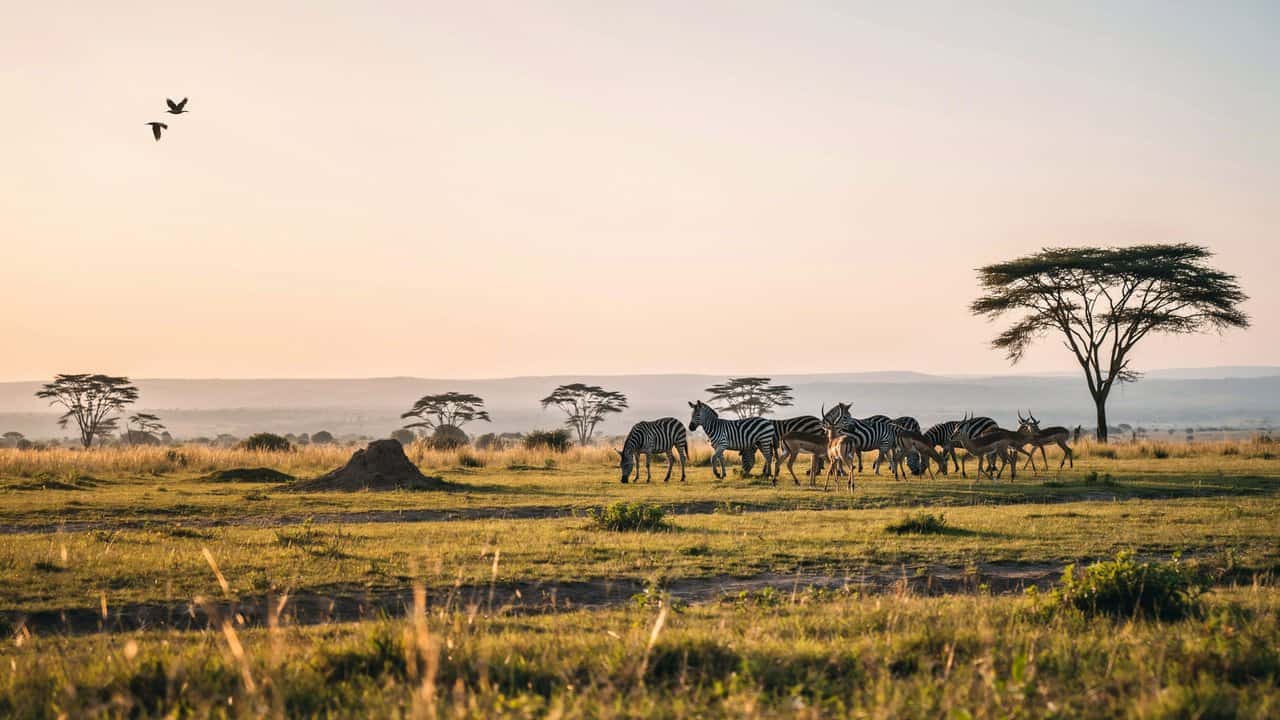
Uganda’s wildlife authority has opened Free Entry at five participating protected areas for 25–27 September 2026. The offer covers Murchison Falls, Queen Elizabeth, Lake Mburo and Kidepo Valley national parks, plus Pian Upe Wildlife Reserve. It runs alongside World Tourism Day on 27 September and removes the entrance charge for an eligible visit. Travellers must still plan for other costs and confirm the terms at their chosen site. No change to Uganda’s visa or passport rules has been announced. The immediate benefit is a lower entrance cost, particularly for people arranging a domestic wildlife trip.
Free Entry and the scope of Uganda’s Open Park Days
The announcement names four national parks and one wildlife reserve. Pian Upe is the reserve; the other four destinations are national parks. That distinction matters because the offer has sometimes been described broadly as free access to Uganda’s national parks. The official announcement refers to participating areas. Uganda’s wildlife authority manages ten national parks and twelve wildlife reserves, so the five named destinations cannot be taken to represent the entire network. Five Wildlife Areas for Free is an accurate description only when it is tied to those locations and the announced three-day period.
The waiver concerns entrance fees. A park entrance charge is the cost of admission to a protected area; it is not necessarily the full price of a visit. The wildlife authority’s published tariffs distinguish admission from separately priced activities and services. Travellers should therefore check the cost of any experience they intend to book, as well as transport, meals and accommodation. The immediate effect of Free Entry is clear, but the saving on a complete trip will differ from one visitor to another. No official event-wide saving per person has been announced.
How much of the story is about travel, tourism and visas?
The central development is a temporary wildlife admission offer. Its strongest verified travel connection is the reduced entrance cost at the named sites. Domestic tourism is relevant because residents can use the opportunity to plan a visit, while international visitors must still satisfy normal entry requirements. The percentages below are an editorial assessment of this story’s focus, not government statistics or measurements of economic impact. They total 100% and keep the minor visa angle in proportion to the main news.
Advertisement
Advertisement
| News component | Share of story | Officially verified finding | Relevance to travellers | Official source |
|---|---|---|---|---|
| Wildlife admission | 50% | Entrance fees are waived at five participating areas from 25–27 September 2026. | Check the destination and dates before travelling. | Uganda Wildlife Authority announcement |
| Domestic tourism | 25% | Uganda reported 3.27 million domestic tourism participants in its wider sector reporting. | The event offers a lower entrance cost for an eligible domestic outing. | Tourism ministry performance reporting |
| Other trip costs | 15% | Published tariffs list admission and certain activities separately. | Do not assume a complete visit is free. | Wildlife authority tariff information |
| Visas and passports | 10% | Existing immigration requirements remain the published rules. | International visitors must check their entry position separately. | Uganda immigration authority |
These shares describe the news coverage, not the proportion of visitors affected or money spent. Official data does not yet show how many people will use the offer. It also does not show whether local bookings or visitor expenditure have changed. Five Wildlife Areas for Free is consequently a limited, confirmed admission story with a clear practical implication, rather than evidence of a measured tourism boom or a new border policy.
The tourism context and what the figures show
Open Park Days takes place amid wider tourism activity in Uganda. The tourism ministry’s 2025 statistical abstract recorded 1,642,215 international visitor arrivals, up 19.7% from 2024. It reported tourism receipts of UGX 5,829.2 billion for 2025. For January–June 2026, the ministry reported 739,815 international visitors, an increase of 3.7% compared with the same months in 2025. These figures describe travel to Uganda across their stated reporting periods. They do not measure attendance at an event that began in September.
Advertisement
Advertisement
The ministry has also reported 3.27 million domestic tourism participants in its wider performance reporting. That number helps explain why a park access initiative may interest people travelling within Uganda. It cannot show how many will make a journey this weekend, which participating site they might choose, or what they will spend after entering. The value of Five Wildlife Areas for Free also varies with distance. Someone making a day trip may have fewer expenses than a visitor who needs an overnight stay, but no official figures establish either group’s likely costs for this event.
The timing is confirmed: the three-day offer starts on 25 September and ends on 27 September 2026, the date of World Tourism Day. Its connection to that occasion explains the calendar placement. The available official evidence does not establish that recent growth in national arrivals caused the entrance-fee decision. Nor does it establish that the waiver will produce a measurable rise in park visitation. Those would be conclusions to assess against later data, if the relevant authorities publish it.
Advertisement
Advertisement
For travellers, the useful comparison is between a normal itinerary and one made during the offer. Free Entry removes the announced admission charge at a participating site. It does not eliminate the cost of reaching that site or establish that every activity there is included. The wildlife authority’s separate tariff categories make that distinction important. Visitors who want a guided activity or another paid experience should ask for the current price before making plans.
What visitors should check before travelling
The first step is to choose the intended destination. Murchison Falls, Queen Elizabeth, Lake Mburo and Kidepo Valley are the four named national parks; Pian Upe is the named wildlife reserve. Visitors should confirm the latest Open Park Days terms with the wildlife authority, including any conditions relevant to their visitor category. They should then check the cost of the activities they actually want to undertake. Advertising Five Wildlife Areas for Free without explaining these limits could leave travellers with the wrong impression of their final bill.
International travellers have an additional check that is independent of park admission. Uganda’s immigration authority sets out the online process for travellers who require a visa. It says approved applicants should present their travel authorisation and a passport or travel document with at least six months’ validity at the point of entry. Requirements can depend on nationality and individual circumstances, so visitors should verify their position with the immigration authority. The park promotion has not announced a visa waiver, a passport exemption or a change to border procedures.
Before leaving, travellers should:
Advertisement
Advertisement
- Confirm the date: The announced offer runs from 25 to 27 September 2026.
- Confirm the site: Check that the planned destination is one of the five named areas.
- Confirm admission terms: Ask whether the waiver applies to the intended visitor category and visit.
- Check separate charges: Establish the prices of any activities or services being booked.
- Plan the full journey: Include transport, meals and accommodation where needed.
- Check entry documents: If travelling from abroad, confirm current visa and passport requirements with Uganda’s immigration authority.
These are checks for an active, short-duration offer, rather than evidence that existing plans must change. Someone already visiting an eligible destination during the three days should confirm how the admission waiver will be applied. Someone travelling later should not assume it will continue beyond 27 September. Five Wildlife Areas for Free has a defined end date in the announcement; a later extension would require a further official update.
What happens next for wildlife travel
The confirmed next milestone is 27 September, when the announced Open Park Days period ends and World Tourism Day takes place. No extension or permanent change to entrance charges has been verified in the information available as of 25 September 2026. Likewise, no official attendance result or assessment of local spending is available at the start of the event. The next useful evidence would be a post-event update from the wildlife authority or tourism ministry. Until such figures appear, the effect on hotels, transport providers and surrounding communities remains unmeasured.
The offer may make an eligible wildlife visit easier to afford, but a lower entrance cost should not be confused with a cost-free holiday. Travellers can act on the confirmed dates and destinations now, while checking the charges and documents specific to their trip. Free Entry applies to the named participating areas for three days; ordinary immigration rules continue to apply to international visitors. Whether the event leads to more visits or wider tourism gains is a separate question for future official reporting.
Advertisement
