
Greece Tourism Soars in 2026 as Iconic Islands Captivate Global Travellers and Hidden Destinations Gain Momentum

Published
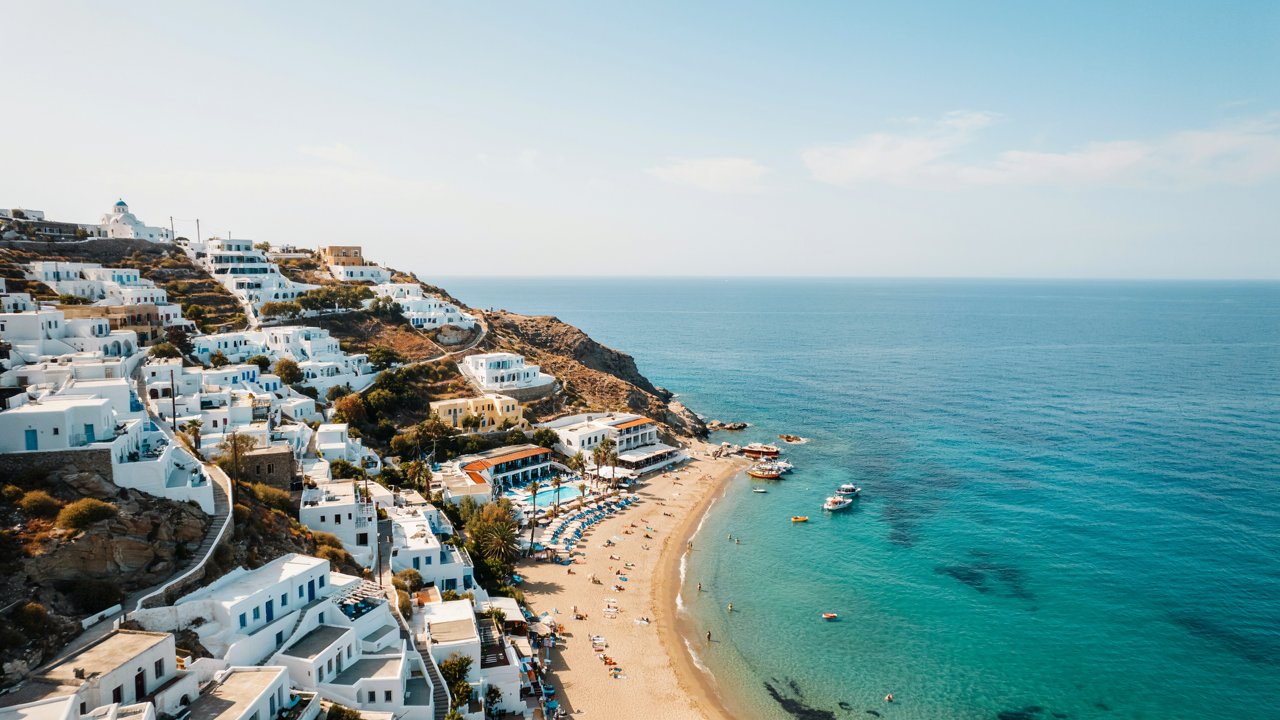
Greece’s tourism industry is entering an important phase in 2026 as strong international demand continues to favour its famous islands, raising concerns about uneven tourism development across the country. While Crete, Rhodes, Corfu, Kos and Zakynthos remain prominent holiday destinations, several mainland regions and lesser-known locations have opportunities to attract a greater share of international visitors. Recent tourism research highlights how visitor activity remains concentrated in a relatively small number of destinations. This imbalance is encouraging greater attention towards regional connectivity, sustainable tourism, cultural experiences and year-round travel opportunities across Greece.
Greece’s Tourism Growth Reveals an Uneven Destination Landscape
Greece remains one of Europe’s established Mediterranean holiday destinations, attracting international travellers through its beaches, ancient heritage, traditional villages and island experiences.
Advertisement
Advertisement
However, the country’s tourism performance reveals considerable differences between destinations.
Popular islands benefit from international flights, established resorts and strong recognition among European holidaymakers.
Advertisement
Advertisement
Meanwhile, several mainland communities and smaller islands attract comparatively limited visitor activity.
This contrast has become an important consideration for Greece’s tourism industry in 2026.
Advertisement
Advertisement
The challenge is to maintain demand in established holiday destinations while encouraging visitors to explore additional regions.
A more balanced tourism economy could support local employment, regional businesses and infrastructure development.
Popular Greek Islands Continue to Shape International Holiday Demand
Crete, Rhodes, Corfu, Kos and Zakynthos illustrate the international appeal of Greece’s established island tourism market.
Crete offers archaeological landmarks, Mediterranean beaches and traditional cuisine.
Rhodes attracts visitors through its medieval Old Town, coastal resorts and cultural heritage.
Corfu combines Venetian-influenced architecture with Ionian Sea landscapes, while Kos offers beaches, cycling routes and historic attractions.
Advertisement
Advertisement
Zakynthos is particularly recognised for its dramatic coastline and marine environments.
These islands benefit from developed accommodation infrastructure and established international travel connections.
Their popularity also highlights the importance of managing seasonal demand, protecting natural environments and maintaining visitor services.
Greece’s Island Tourism and Emerging Travel Opportunities
| Destination | Main tourism appeal | Opportunities in 2026 |
|---|---|---|
| Crete | Beaches, archaeology, gastronomy | Cultural and year-round tourism |
| Rhodes | Medieval heritage, resorts | Heritage and coastal experiences |
| Corfu | Historic towns, Ionian scenery | Nature and cultural tourism |
| Kos | Beaches, cycling, history | Active holidays |
| Zakynthos | Coastal landscapes, marine life | Sustainable nature tourism |
| Athens | Ancient landmarks, museums | Cultural city breaks |
| Thessaloniki | Gastronomy, Byzantine heritage | Urban and conference tourism |
| Epirus | Mountains, traditional villages | Adventure and rural tourism |
| Peloponnese | Archaeology, historic towns | Regional heritage travel |
These destinations represent different tourism opportunities rather than a ranking of international arrivals.
Greece Records Stronger International Travel Demand in 2026
Greece’s tourism industry continues to expand in 2026, with the latest Bank of Greece figures showing growth in both international arrivals and visitor spending.
During January to August 2026, the country welcomed approximately 28.5 million inbound travellers, representing an increase of 10% compared with the same period last year.
Advertisement
Advertisement
Tourism receipts also increased by 9.4%, reaching approximately €18.2 billion.
These figures demonstrate that Greece remains attractive to international holidaymakers despite concerns about uneven regional tourism development.
Mainland Destinations Offer Fresh Opportunities for Tourism Development
Mainland Greece provides considerable opportunities for visitors interested in experiences beyond traditional island holidays.
Athens attracts cultural travellers through its ancient monuments, museums and historic neighbourhoods.
Thessaloniki offers Byzantine heritage, gastronomy and a lively waterfront, while Epirus appeals to visitors seeking mountain scenery and traditional villages.
The Peloponnese combines archaeological attractions, picturesque towns and coastal landscapes.
Advertisement
Advertisement
Improved transport connections and regional promotion could encourage more visitors to explore these destinations, helping local businesses benefit from international tourism.
Sustainable Tourism Becomes an Important Priority
As Greece continues attracting international visitors, managing tourism responsibly is becoming increasingly important.
Popular island destinations face seasonal pressure on accommodation, transport, water supplies and public infrastructure.
Encouraging travel during spring and autumn could help distribute visitor demand more evenly throughout the year.
Greater investment in regional infrastructure, environmental protection and hospitality training could also support tourism development beyond established resorts.
These priorities are particularly relevant as Greece seeks to balance economic growth with the protection of its natural and cultural heritage.
Advertisement
Advertisement
Frequently Asked Questions
1. Is tourism increasing in Greece in 2026?
Yes. Official figures show that international arrivals and tourism receipts increased during the first eight months of 2026.
2. Which Greek islands are popular with international travellers?
Crete, Rhodes, Corfu, Kos and Zakynthos are among Greece’s established island holiday destinations.
3. Why is tourism unevenly distributed across Greece?
Established island resorts benefit from international recognition, transport connections and developed accommodation infrastructure, while many smaller destinations have less tourism activity.
Advertisement
Advertisement
4. Which mainland destinations offer alternatives to island holidays?
Athens, Thessaloniki, Epirus, Thessaly and the Peloponnese offer cultural, historical and nature-based travel experiences.
Greece’s Tourism Future Moves Towards More Balanced Growth
Greece’s tourism industry continues to demonstrate strong international appeal in 2026, but the concentration of visitors in established island destinations highlights the need for broader regional development.
While famous islands remain important to the country’s holiday economy, mainland destinations and smaller communities offer opportunities for future growth.
Strengthening connectivity, promoting cultural experiences and encouraging year-round travel could help Greece develop a more balanced tourism industry while preserving the landscapes and heritage that attract visitors from around the world.
Advertisement
