

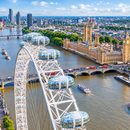
Image generated with Ai
Australia goes hand in hand with the US, UK, Canada, Japan and others as Europe unveils new travel changes for 2026, introducing digital borders, ETIAS rule updates, higher tourist taxes, visitor caps and tougher consumer laws set to affect travellers across the globe. These reforms aim to strengthen border security, manage overtourism, protect cultural destinations and improve traveller rights, creating a major shift in how international visitors enter, explore and experience Europe.
One of the most significant changes affecting international travellers is the rollout of the European Union’s Entry/Exit System (EES). This advanced digital border management platform officially replaces the traditional practice of stamping passports at external Schengen borders. Instead, every entry and exit by a non-EU traveller is recorded electronically, creating a comprehensive digital travel history.
During their first visit under the new system, travellers must provide biometric information, including facial images and fingerprints. The technology automatically records arrivals and departures while calculating the authorised length of stay within the Schengen Area. European authorities believe the EES will strengthen border security, reduce identity fraud, identify visa overstays more efficiently and improve long-term immigration management across member states.
Although the system promises faster border processing in the future, its initial implementation is expected to create longer waiting times at major airports, ferry terminals and land border crossings. Travellers should therefore allow additional time when arriving in Europe or connecting through major international hubs.
Advertisement
Advertisement
| Feature | Details |
|---|---|
| System | Entry/Exit System (EES) |
| Applies to | Non-EU travellers entering the Schengen Area |
| Passport stamps | Replaced by digital records |
| Biometric data collected | Facial image and fingerprints |
| Main objectives | Border security, fraud prevention, automated stay calculations |
| Traveller advice | Allow additional time for immigration processing |
Alongside the Entry/Exit System, Europe is preparing to introduce another major travel requirement through the European Travel Information and Authorisation System (ETIAS). Scheduled to launch during the final quarter of 2026, ETIAS will require citizens from more than 60 visa-exempt countries to obtain online travel authorisation before departing for Europe.
Unlike a traditional visa, ETIAS is a digital pre-screening system. Applicants will complete a simple online application, provide passport information, answer security-related questions and pay a €20 application fee. Travellers under 18 years of age and over 70 years of age will not be required to pay the fee. Once approved, ETIAS will generally remain valid for multiple visits over several years, provided the traveller’s passport remains valid.
European authorities say the system is designed to strengthen security by identifying potential risks before travellers arrive while maintaining visa-free travel for eligible visitors.
| Item | Details |
|---|---|
| Expected launch | Final quarter of 2026 |
| Applies to | Citizens of 60+ visa-exempt countries |
| Application | Online |
| Adult fee | €20 |
| Fee exemptions | Under 18 and over 70 |
| Purpose | Digital pre-travel security screening |
Australians frequently combine multiple European countries during extended holidays. Under ETIAS, they will continue benefiting from visa-free travel but must first complete the online authorisation. European authorities believe the system will improve security while allowing Australians to continue travelling freely throughout the Schengen Area.
American travellers have traditionally enjoyed visa-free access to the Schengen Area for short stays. Under ETIAS, they will continue travelling without a visa but must first receive electronic travel authorisation before departure. The application is expected to take only a few minutes for most travellers, but authorities recommend applying several days before departure to avoid any unexpected travel delays. ETIAS approval will become an essential travel document alongside a valid passport.
Following Brexit, British citizens travelling to Schengen countries will also become subject to ETIAS. While visa-free travel continues, UK passport holders must now complete the online authorisation before travelling. The system adds an extra layer of pre-arrival security while allowing British travellers to continue visiting Europe for holidays, business trips and family visits without obtaining a traditional visa.
Canadian passport holders will likewise require ETIAS before travelling to Europe. Canada remains one of Europe’s largest long-haul tourism markets, with millions of Canadians travelling annually for holidays, cruises and business. Although visa-free access remains unchanged, ETIAS introduces an important additional step before departure.
Japan remains one of Europe’s most valuable Asian visitor markets. Japanese travellers currently enjoy visa-free access to most European destinations and will continue doing so under ETIAS. However, they must first complete the electronic authorisation before departure, helping authorities conduct security screening before arrival.
South Korean visitors travelling for tourism, education, business or family visits will also need ETIAS approval. Europe has become increasingly popular among South Korean travellers, and the new system aims to strengthen border management while maintaining convenient visa-free access.
Singaporean passport holders will also become subject to ETIAS. As one of Asia’s strongest outbound tourism markets, Singapore generates substantial leisure and corporate travel to Europe every year. The digital authorisation system will become a mandatory part of future travel planning while preserving visa-free entry.
Citizens from several Latin American countries currently benefiting from visa-free access to Europe will also need ETIAS authorisation before travelling. Although this introduces an additional administrative requirement, the system does not replace visa-free travel. Instead, it enables European authorities to conduct security assessments before visitors arrive while supporting continued tourism and business travel.
The United Kingdom has also introduced its own Electronic Travel Authorisation (ETA) for eligible visa-exempt visitors travelling to England, Scotland, Wales and Northern Ireland. Unlike ETIAS, which applies to the Schengen Area, the UK ETA applies only to travel into the United Kingdom. Travellers requiring a traditional UK visa, including many Indian passport holders, remain outside the ETA system and must continue following the existing visa application process.
Across Europe, visitors are increasingly contributing directly towards maintaining the destinations they enjoy. Tourist taxes have risen significantly as governments seek additional funding for infrastructure, environmental protection, heritage conservation and public services affected by record visitor numbers. Rather than discouraging tourism, authorities argue these charges help ensure travellers contribute fairly to the destinations they visit.
Amsterdam currently levies one of Europe’s highest tourism taxes at 12.5% of the total accommodation bill. Barcelona applies additional nightly city charges alongside regional taxes, while many French municipalities operate sliding tax scales that exceed €10 per night for luxury accommodation.Destination Tourist Tax Amsterdam 12.5% of accommodation cost Barcelona Flat nightly city tax plus regional charges France Sliding scale exceeding €10 per night for luxury hotels
Europe’s most popular destinations are also introducing new visitor management strategies. Venice now charges a day-entry fee during selected high-demand periods to reduce overcrowding in its historic centre, while Greece has introduced cruise passenger levies for visitors arriving at heavily visited islands including Santorini and Mykonos.Destination Visitor Management Measure Venice Peak-period day visitor fee Santorini Cruise passenger levy Mykonos Cruise passenger levy
Historic landmarks are increasingly limiting visitor numbers to preserve fragile archaeological sites and improve visitor experiences. Attractions such as Pompeii and the Acropolis of Athens now operate daily visitor caps, helping reduce congestion while protecting priceless cultural heritage.Attraction Country Pompeii Italy Acropolis Greece
Europe has significantly strengthened traveller protections through reforms to the Package Travel Directive. Holidaymakers can now cancel qualifying package holidays free of charge during extraordinary circumstances such as natural disasters or geopolitical crises. Tour operators must provide full cash refunds within 14 days, and vouchers can no longer be imposed without the traveller’s consent.Consumer Right Protection Cancellation Free cancellation during extraordinary events Refund period Within 14 days Travel vouchers Cannot be forced upon travellers Covered events Natural disasters, geopolitical crises and major disruptions
Passengers flying within or from Europe will also benefit from clearer guidance on compensation for delayed or cancelled flights, baggage problems and missed connections, helping travellers better understand their rights during disruptions.
New EU rules require booking platforms such as Airbnb and Booking.com to provide verified host information to local governments. Authorities hope these measures will improve tax compliance, identify illegal holiday rentals and protect long-term housing markets in Europe’s most popular cities.
European destinations are increasingly enforcing dress codes and cultural regulations. Visitors entering churches, cathedrals and religious landmarks are expected to dress appropriately, while several coastal cities prohibit walking through public areas wearing only swimwear.Location Restriction Churches and cathedrals Covered shoulders and appropriate clothing Venice No swimwear in public streets Barcelona Restrictions on beachwear away from beaches
Travellers hiring rental cars should also familiarise themselves with local driving regulations. In several European countries, driving barefoot or while wearing loose flip-flops may be considered unsafe if authorities believe the footwear affects vehicle control.
Countries applying these rules include:
Many European cities are taking a firmer approach towards disruptive tourist behaviour. Authorities are imposing heavier penalties for littering, public urination, excessive noise, vandalism and other anti-social activities that reduce destination quality and affect residents’ quality of life.Behaviour Possible Consequence Littering Financial fines Public urination Financial fines Excessive noise Penalties Spitting Penalties Vandalism Heavy fines Anti-social behaviour Local enforcement action
Together, these reforms reflect Europe’s broader shift towards quality tourism, where sustainability, responsible visitor behaviour and long-term destination management take priority over simply increasing visitor numbers. Governments hope these measures will preserve Europe’s cultural heritage, protect local communities, improve visitor experiences and ensure tourism remains economically and environmentally sustainable for decades to come.
Australia goes hand in hand with the US, UK, Canada, Japan and others as Europe unveils new travel changes for 2026, driven by digital borders, ETIAS rule updates, higher tourist taxes, visitor caps and tougher consumer laws designed to improve security, sustainability and traveller protection.
In conclusion, Australia goes hand in hand with the US, UK, Canada, Japan and others as Europe unveils new travel changes for 2026, with digital borders, ETIAS rule updates, higher tourist taxes, visitor caps and tougher consumer laws reshaping travel across the globe. These measures reflect Europe’s effort to strengthen border security, manage rising visitor numbers, protect cultural heritage and create a more sustainable tourism model. While travellers will face additional planning requirements, including digital authorisations and new entry procedures, the reforms aim to deliver safer journeys, clearer protections and better-managed destinations for millions of international visitors exploring Europe.
Advertisement
Advertisement
Advertisement












Saturday, September 5, 2026

Saturday, September 5, 2026

Saturday, September 5, 2026

Saturday, September 5, 2026

Saturday, September 5, 2026

Saturday, September 5, 2026

Saturday, September 5, 2026

Saturday, September 5, 2026



