

Slovakia Pushes EU Tourism Support as Eastern Europe Seeks Stronger SME Recovery

Published
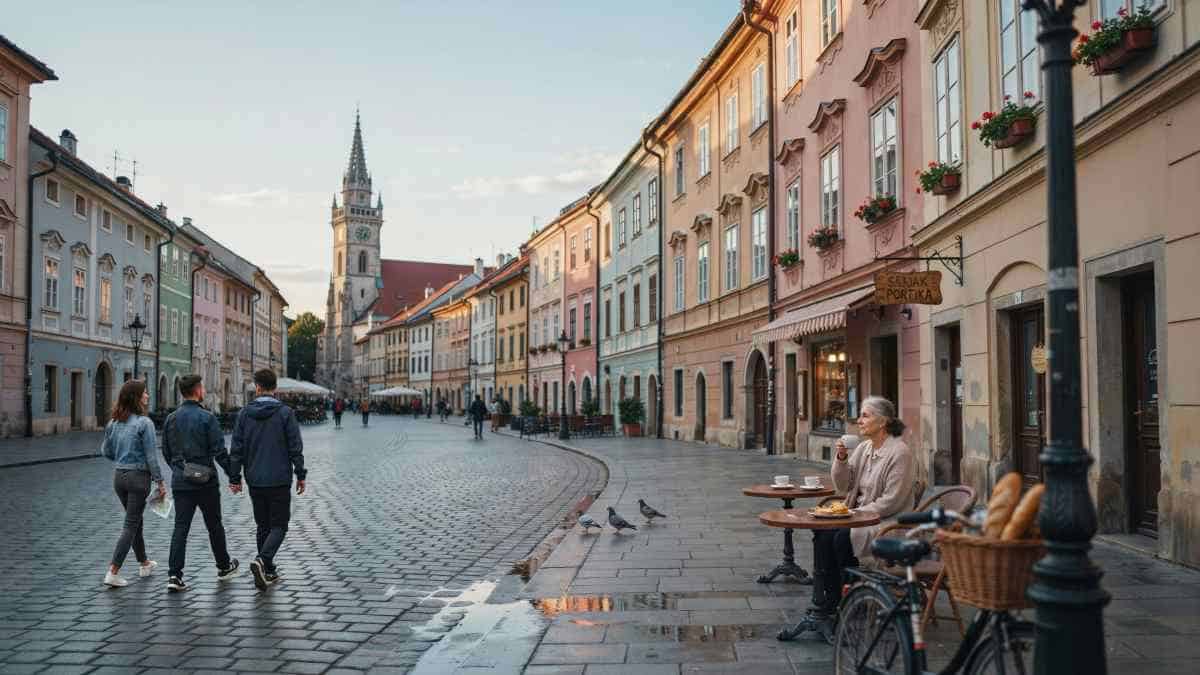
As the EU approaches a more coherent approach to sustainable tourism, Slovakia’s drive for increased support for tourism of SMEs in Eastern Europe comes at an opportune moment. The existing EU initiatives have taken note of the significance of competitiveness, green and digital transformation, connectivity and balanced growth in tourism. With regard to Slovakia and other destinations in the vicinity, the new approach can present an opportunity to enhance the competitiveness of smaller tourism firms and distribute tourist spending outside the metropolitan areas.
Eastern Europe Wants Tourism to Count Differently
The policy discussion is arriving at a significant moment for European tourism.
The European Commission says its forthcoming sustainable tourism strategy is intended to address environmental and social sustainability, competitiveness, resilience, innovation and support for tourism MSMEs. It also identifies cultural tourism, agritourism and rural tourism as areas where European destinations can diversify their tourism offer.
For Central and Eastern Europe, the issue is particularly relevant because tourism businesses are often closely connected to smaller cities, rural communities, heritage sites and regional destinations.
Advertisement
Advertisement
Support directed towards these businesses can therefore have an effect beyond individual hotels, restaurants or tour operators.
Slovakia Sits Within a Wider Eastern Challenge
The tourism appeal forms part of a much broader economic discussion about Europe’s eastern regions.
Advertisement
Advertisement
In February 2026, the European Commission identified Slovakia, Poland, Hungary, Romania, Bulgaria, Estonia, Latvia and Lithuania among EU countries affected by security pressures, economic disruption, demographic decline and connectivity challenges linked to the war in Ukraine. The Commission’s eastern-regions plan includes growth, regional prosperity, transport and digital connectivity among its priorities.
Tourism intersects with several of these areas.
Better transport connections can improve visitor access. Digital investment can help small operators reach international customers. Tourism diversification can create employment outside major cities, while stronger visitor economies can support accommodation, food services, cultural attractions and local transport.
SMEs Are Already a Major EU Tourism Priority
The European Commission’s 2026 funding architecture already places tourism SMEs at the centre of sustainability and competitiveness initiatives.
A 2026 call for proposals allocated €6.9 million to support sustainable tourism competitiveness, including the development of thematic and geographical tourism routes and associated tourism ecosystems. The programme specifically aims to help SMEs become more resilient and competitive while progressing through green and digital transitions.
The EU’s Single Market Programme also identifies SME support as a way to improve innovation, resilience, sustainability and quality throughout the tourism value chain.
Advertisement
Advertisement
The new political appeal therefore comes into an existing policy environment rather than an empty funding landscape.
What the New EU Strategy Could Change
The proposed strategy is intended to coordinate existing and upcoming EU actions rather than create a completely separate tourism system.
The Commission’s preparatory document describes possible measures including stronger destination-management organisations, support for tourism businesses undergoing green and digital transitions, smart tourism solutions and international promotion of Europe as a sustainable destination. It also says measures should consider differences in the needs and capacities of member states and regional and local authorities.
That regional flexibility is particularly important for Eastern Europe.
A rural tourism operator in Slovakia does not face exactly the same challenges as a major coastal hotel in Spain or a city attraction in Paris.
The Regional Balance Question
European tourism has experienced strong recovery, but growth is uneven.
Advertisement
Advertisement
The European Commission says tourism reached record levels in parts of the EU while destinations also face geopolitical tensions, climate events, overtourism, workforce shortages and uneven tourism development. Around €13 billion has already been invested through the Recovery and Resilience Facility in tourism, culture and creative industries across 19 member states.
The Council of the EU has now called for greater balance between heavily visited destinations and places receiving less tourism. Its May 2026 conclusions specifically highlight connectivity and sustainable development in peripheral, rural, island, mountainous and remote destinations.
That creates a direct policy opening for Eastern European destinations.
Tourism Could Support Smaller Destinations
For Slovakia and neighbouring countries, tourism development can extend beyond capital-city breaks.
Bratislava provides an international gateway, but regional tourism can also connect visitors with mountain landscapes, cultural heritage, spa destinations, historic towns, gastronomy and rural experiences.
A stronger SME ecosystem could help these destinations develop accommodation, guided experiences, cycling routes, food tourism and cultural products that encourage visitors to stay longer and travel beyond major urban centres.
Advertisement
Advertisement
That approach also aligns with the EU’s wider goal of distributing tourism benefits more evenly.
What This Means for Travellers
For travellers, greater support for smaller tourism businesses could translate into a wider range of experiences across Central and Eastern Europe.
Visitors may find more developed rural routes, better digital booking systems, improved tourism services and stronger links between accommodation providers and local attractions.
The potential benefit is not simply more tourism capacity. It is a broader choice of destinations and experiences.
The Bigger Destination Lesson
The emerging European policy debate shows that tourism recovery is increasingly being measured through where the money goes, who benefits and how resilient the destination becomes, rather than simply how many visitors arrive.
For Eastern European destinations, targeted SME support could help convert tourism demand into wider regional economic activity.
Advertisement
Advertisement
For the EU, the challenge will be ensuring that funding reaches the businesses and communities that need investment while keeping sustainability, competitiveness and local quality of life aligned.
Frequently Asked Questions
1. Why is Slovakia seeking stronger EU tourism support?
The appeal focuses on strengthening support for tourism SMEs in Central and Eastern Europe as the EU develops its sustainable tourism framework.
2. What is the EU Sustainable Tourism Strategy intended to address?
The proposed strategy focuses on sustainability, competitiveness, resilience, innovation and support for tourism SMEs, alongside stronger destination management.
3. Is EU funding already available for tourism SMEs?
Yes. A 2026 EU programme allocated €6.9 million to sustainable tourism competitiveness, including tourism routes and tourism ecosystems.
Key Dates
18 February 2026: European Commission presented its plan for stronger, more resilient eastern EU regions.
3 March 2026: The EU opened its €6.9 million call supporting sustainable tourism competitiveness.
Advertisement
Advertisement
28 May 2026: EU tourism ministers adopted strategic guidelines for a sustainable and competitive tourism sector.
Summer 2026: The European Commission is finalising its first EU Sustainable Tourism Strategy.
Conclusion
As the EU approaches a more coherent approach to sustainable tourism, Slovakia’s drive for increased support for tourism of SMEs in Eastern Europe comes at an opportune moment. The existing EU initiatives have taken note of the significance of competitiveness, green and digital transformation, connectivity and balanced growth in tourism. With regard to Slovakia and other destinations in the vicinity, the new approach can present an opportunity to enhance the competitiveness of smaller tourism firms and distribute tourist spending outside the metropolitan areas.
Advertisement
