
Manchester Airport Aligns With Heathrow, Gatwick and More in Defending UK Drop-Of Charges as Travellers Face Fees of Up to £10 Amid Growing Government Scrutiny

Published
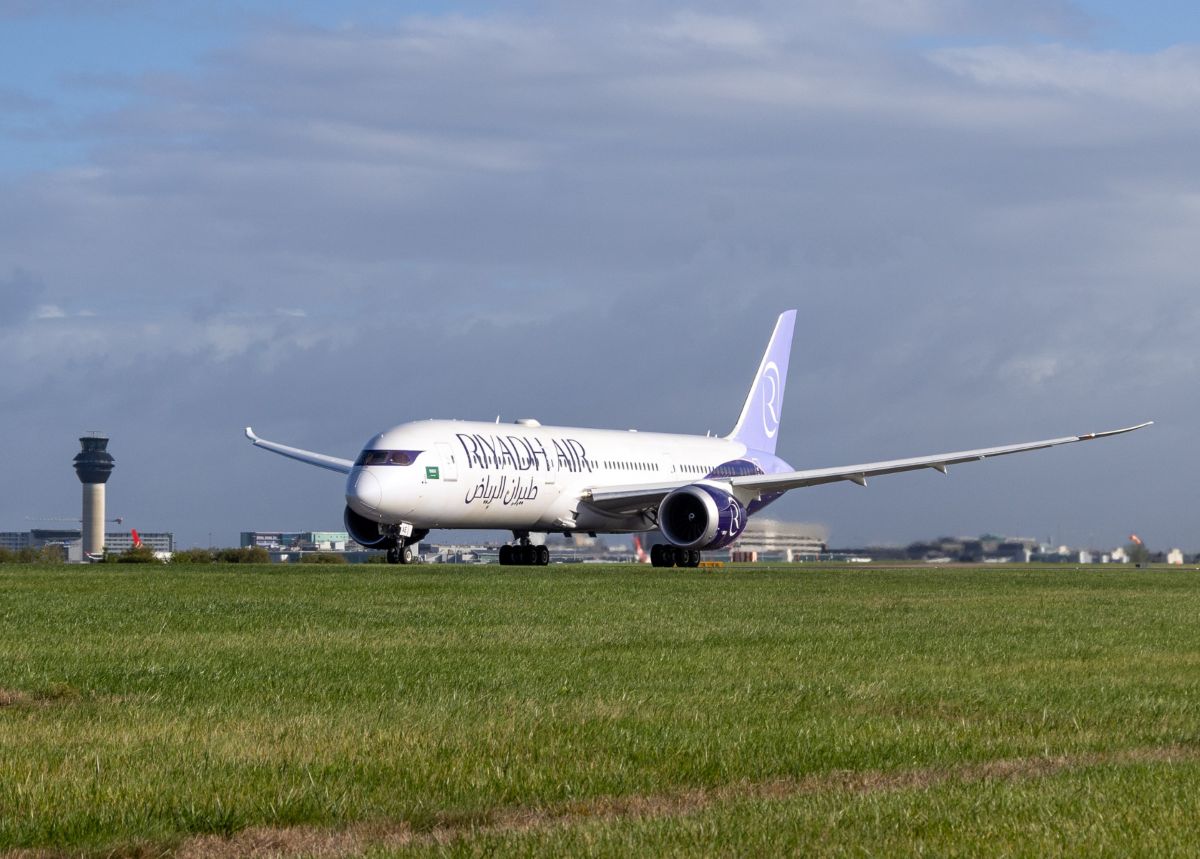
Image Credit: The Manchester Airports Group plc
Manchester Airport Aligns with Heathrow, Gatwick and More in Defending UK Drop-Off Charges as Travellers Face Fees of Up to £10 Amid Growing Government Scrutiny because major airports argue that paid terminal forecourts help manage congestion, support transport investment and keep traffic moving around busy terminals. Manchester Airport charges £5.50 for a five-minute drop-off, Heathrow charges £7, while Gatwick charges £10 for 10 minutes. As Travellers Face Fees of Up to £10, the debate is becoming more politically sensitive. Manchester Airport Joins Heathrow, Gatwick and More in Defending UK Drop-Off Charges by pointing to free or lower-cost alternatives, while Growing Government Scrutiny is placing greater attention on whether these airport access fees remain transparent, proportionate and fair for passengers.
What exactly does Manchester Airport charge for drop-off?
Manchester Airport’s official tariff currently applies at both Terminal 2 and Terminal 3:
| Drop-off duration | Official charge |
|---|---|
| Up to 5 minutes | £5.50 |
| Up to 10 minutes | £6.50 |
| Up to 30 minutes | £25 |
The maximum stay is 30 minutes. Payment must be made online or by phone by midnight on the day after the visit. If payment is not received in time, a £100 Parking Charge Notice may be issued, reduced to £60 if paid within 14 days.
Advertisement
Advertisement
Manchester Airport also states that the drop-off zone is not for passenger collection. A £100 charge can apply to motorists attempting to pick passengers up there.
Is there still a free way to drop passengers off?
Yes.
Advertisement
Advertisement
Manchester Airport maintains a free drop-off facility at JetParks 1, meaning travellers do not have to pay the £5.50 forecourt charge.
The airport says:
- the free site is located at JetParks 1;
- a dedicated shuttle operates 24 hours a day, seven days a week;
- the shuttle journey takes around six minutes;
- marshals are available to assist passengers;
- the shuttle is one-way from the drop-off area to the terminals.
The free facility also has its own conditions. Standard users can remain for up to 60 minutes. Re-entering within 30 minutes can trigger a £25 recirculation charge, while overstaying beyond 60 minutes can also lead to a £25 charge. Blue Badge holders can use the facility for as long as reasonably necessary.
This free alternative is central to Manchester Airport’s defence of the paid forecourt system.
Why does Manchester Airport say the system is “simple”?
The airport’s current drop-off system is barrierless.
Automatic number-plate recognition records the vehicle as it enters and exits, removing the need to stop at a barrier. Motorists then pay after leaving, either online, by telephone or automatically through an AutoPay account.
Advertisement
Advertisement
Manchester Airport says barrierless systems are intended to make journeys quicker and easier by removing queues at entry and exit.
The airport has also previously argued that the terminal forecourt option is designed for people who value convenience, while the JetParks alternative provides a free choice for those prepared to use the shuttle.
The current structure therefore creates three broad options:
- £5.50 for a quick five-minute terminal drop-off;
- £6.50 for ten minutes;
- free off-terminal drop-off with a roughly six-minute shuttle.
That is the basis for the airport’s argument that passengers have a choice rather than being forced to pay.
Why has the government ordered a review?
The review sits within the government’s wider “everyday fixes” cost-of-living programme, led by Prime Minister Andy Burnham.
The government has already announced aviation consumer reforms including ending extra charges for parents who need to sit with children under 14 and requiring greater flexibility for correcting simple booking-name mistakes.
Advertisement
Advertisement
That policy direction puts discretionary travel charges under greater political scrutiny, particularly where families feel they have little practical alternative.
Airport drop-off fees have already attracted local political criticism. An Oldham Council motion in December 2025 called for fairer parking charges at Manchester Airport, citing the then tariff of £5 for five minutes, £6.40 for ten minutes and £25 for 30 minutes. The motion also called for greater transparency, better signage and changes to payment arrangements.
The current £5.50 five-minute tariff is therefore higher than the £5 level cited in that 2025 motion.
How much has the five-minute charge risen?
Using the official figures cited in public records:
- 2025: £5 for five minutes
- 2026: £5.50 for five minutes
That is a rise of 50p, or 10%.
The ten-minute charge has moved from £6.40 to £6.50, an increase of 10p, or about 1.6%.
Advertisement
Advertisement
The 30-minute charge remains £25.
That means the steepest recent percentage increase is concentrated in the shortest forecourt stay.
For travellers making very quick drop-offs, the current charge is equivalent to:
- £1.10 per minute at the five-minute rate;
- 65p per minute at the ten-minute rate;
- about 83p per minute if someone uses the full 30-minute allowance.
Those figures are simple arithmetic based on the airport’s published tariff.
Why does this matter to so many travellers?
Manchester Airport is not a small regional operation.
It handled 32,088,626 passengers in 2025, its busiest year on record, up 4% on 2024. The airport said that total cemented its position as the third-largest airport in the UK, behind Heathrow and Gatwick.
Advertisement
Advertisement
That means even a relatively small access charge can affect a very large number of passenger journeys.
The airport’s growth has continued into 2026. More than 2 million passengers used Manchester Airport in January 2026, and 91% waited five minutes or less to reach security.
May 2026 was also the airport’s busiest May on record, with more than 2.9 million passengers.
Over the Easter 2026 getaway alone, Manchester Airport expected more than 1.7 million passengers in two weeks.
These volumes help explain why forecourt pricing attracts so much attention: millions of passengers rely on relatives, friends, taxis and private-hire vehicles to reach the airport.
| Airport | Current/official charge | How the airport justifies it |
|---|---|---|
| Heathrow | £7 per terminal drop-off | Says the charge reduces airport-related traffic, supports sustainable transport and helps lower overall airport charges |
| London Gatwick | £10 for 10 minutes | Says the charge supports sustainable transport, reduces congestion and originally helped protect jobs and recover from Covid losses |
| London Stansted | Paid Express Set Down | Says revenue supports continued investment and helps the airport serve more destinations |
| Bristol Airport | £8.50 for 10 minutes | Says drop-off traffic creates more car journeys and that charging supports its surface-access strategy and greater public transport use |
| Birmingham Airport | Premium set-down charge | Says premium drop-off pricing is used to manage demand and limit congestion in constrained terminal space |
Heathrow gives one of the strongest official defences
Heathrow currently charges £7 every time a vehicle enters a terminal drop-off zone. The airport says it introduced the charge to discourage a “car-led” recovery, reduce airport-related road traffic and support sustainable surface-access projects.
Advertisement
Advertisement
Heathrow explicitly states that income from the charge contributes to new sustainable transport initiatives, while additional revenue helps lower overall airport charges.
It also points out that passengers do not have to pay: free drop-off is available at Park & Ride car parks, with shuttle buses to the terminals.
Heathrow has therefore used almost the same defence as Manchester Airport: the forecourt charge buys convenience, while a free alternative remains available.
Gatwick has defended its charge on jobs, congestion and sustainability
Gatwick currently charges a minimum of £10 for 10 minutes, followed by £1 per additional minute up to 20 minutes. The maximum charge is £30, with a 30-minute maximum stay.
When Gatwick introduced its drop-off fee in 2021, it gave three main reasons.
First, the airport said it needed a new revenue stream after losing £465.5 million during the pandemic and cutting more than 40% of its workforce. Second, it said the scheme would help reduce road congestion and discourage a car-led recovery. Third, it said some revenue would support sustainable transport projects.
Advertisement
Advertisement
Gatwick still includes a public transport levy within the drop-off tariff, which funds public transport initiatives at the airport.
Travellers can avoid the fee by using the Long Stay car park for up to two hours free, with a shuttle to the terminals.
Stansted openly says the charge helps fund investment
London Stansted is another strong example because the airport directly answers the question: “Why does the airport charge for drop off and pick up?”
Its official response says the revenue generated helps the airport keep investing, adding that more investment supports more destinations.
Stansted has also modernised its Express Set Down area with a barrierless ANPR system as part of a £1.1 billion transformation programme. The airport says removing barriers improves traffic flow, reduces congestion and makes drop-off smoother for passengers and drivers.
That makes Stansted one of the closest comparisons with Manchester because both airports are part of Manchester Airports Group and both use the “investment plus convenience” argument.
Advertisement
Advertisement
Bristol Airport has defended higher charges through its transport strategy
Bristol Airport increased its Drop Off & Pick Up fee from £7 to £8.50 for 10 minutes in January 2026.
The airport linked the increase partly to rising business rates, saying its rates bill would more than double and become its single largest non-operational cost.
It also made a transport-policy argument. Bristol said drop-off and pick-up trips are the highest generator of car traffic because they typically create four journeys: one trip to drop off, the vehicle leaving, another trip to pick up and another departure.
The airport said its surface-access strategy aims to increase public transport use and reduce emissions from journeys to and from the airport.
So Bristol’s defence is broader than simple revenue generation: it links forecourt charging directly to traffic reduction and environmental objectives.
Birmingham Airport says the charge manages congestion
Birmingham Airport has also given a direct official explanation.
Advertisement
Advertisement
In Airport Consultative Committee minutes, Birmingham Airport said its Premium Set Down area is not priced simply to cover maintenance costs. Instead, the charge is intended to manage demand and limit congestion in limited terminal space.
The airport also highlighted an alternative Passenger Drop Off area, which at the time provided 10 minutes free parking and was around a five-minute walk from the terminal through a covered walkway.
This is another useful comparison with Manchester Airport because Birmingham explicitly frames the paid forecourt product as a traffic-management tool rather than simply a revenue source.
Which airports make the strongest case similar to Manchester?
The best direct comparisons are:
- Heathrow — convenience, sustainable transport and congestion reduction.
- Gatwick — congestion, sustainability and revenue/investment.
- Stansted — investment and operational efficiency.
- Bristol — road-traffic reduction, public transport and rising operating costs.
- Birmingham — demand management and congestion in limited forecourt space.
How much has Manchester Airport invested in infrastructure?
Manchester Airport is nearing completion of a £1.3 billion transformation programme, centred on Terminal 2.
The airport says that investment has expanded terminal space, shops, restaurants and passenger facilities while supporting continued traffic growth.
Advertisement
Advertisement
Terminal 1 has now closed as part of the transition, with most airlines operating from Terminal 2 and Ryanair using Terminal 3.
That context matters because airport management can argue that access charges sit within a wider operating and infrastructure environment involving:
- forecourt management;
- road congestion control;
- traffic marshals;
- automated number-plate recognition;
- shuttle operations;
- car-park infrastructure;
- terminal redevelopment.
However, the government review is likely to focus on whether charges remain proportionate and transparent for passengers.
What happens if drivers do not pay on time?
The payment rules are strict.
Drivers must pay by 23:59 on the day after using the drop-off zone. Failure to do so can result in a £100 Parking Charge Notice, reduced to £60 if settled within 14 days.
There are no payment barriers in the forecourt area. Drivers pay after leaving.
Advertisement
Advertisement
Manchester Airport also offers AutoPay, which automatically charges a registered payment card each time the vehicle uses the relevant zone.
The airport says motorists are responsible for ensuring their payment details remain valid.
For occasional visitors, this means remembering to pay after the journey is critical. Someone dropping off a relative before an early flight and then forgetting the online payment could move from a £5.50 charge to a £100 notice.
What special arrangements apply to Blue Badge passengers?
Manchester Airport provides an exemption for eligible Blue Badge users.
The airport says passengers holding a valid Blue Badge can access terminal drop-off areas free of charge, provided the travelling passenger produces the badge to traffic marshals.
At the free JetParks facility, Blue Badge holders are also exempt from the normal 60-minute overstay limit where they remain for a reasonable period.
Advertisement
Advertisement
This is an important practical distinction because passengers with reduced mobility may find an off-terminal shuttle less convenient than the paid forecourt.
How does airport access fit into Manchester’s wider travel costs?
Manchester City Council’s taxi tariff separately lists airport barrier supplements for licensed public taxis.
Its current tariff includes:
- £3 for drop-off at an airport terminal;
- £1.80 for pick-up at an airport terminal;
- 60p for pick-up at the Airport Rail Link.
These are taxi-tariff extras and should not be confused with Manchester Airport’s private-car forecourt tariff.
For travellers, though, they demonstrate how access charges can feed into the total cost of getting to or from the airport, particularly when combined with a taxi fare.
Key Manchester Airport drop-off figures
| Measure | Current official figure |
|---|---|
| Five-minute terminal drop-off | £5.50 |
| Ten-minute terminal drop-off | £6.50 |
| Up to 30 minutes | £25 |
| Free drop-off shuttle | Around 6 minutes |
| Shuttle operation | 24/7 |
| Maximum paid drop-off stay | 30 minutes |
| Late/non-payment charge | £100 |
| Reduced prompt-payment charge | £60 |
| Passenger total in 2025 | 32,088,626 |
| 2025 passenger growth | 4% |
| UK airport ranking | 3rd largest |
| Terminal transformation | £1.3 billion |
| January 2026 security within five minutes | 91% of passengers |
| Easter 2026 expected passengers | 1.7 million+ |
Conclusion
Manchester Airport Joins Heathrow, Gatwick and More in Defending UK Drop-Off Charges as Travellers Face Fees of Up to £10 Amid Growing Government Scrutiny because paid forecourt access has become a widespread part of airport traffic management in Britain. The reason is straightforward: airports say the charges reduce congestion, support infrastructure and encourage passengers to use alternative transport, while critics question affordability and fairness. Manchester Airport charges £5.50 for five minutes, Heathrow £7, and Gatwick £10 for 10 minutes. As Travellers Face Fees of Up to £10, Growing Government Scrutiny means airport operators may face increasing pressure to explain how charges are set, what alternatives are available and whether passengers receive reasonable value for direct terminal access.
Advertisement
Advertisement
Image Credit: The Manchester Airports Group plc
Advertisement
