

Aer Lingus and the US Airlines Face Off: Why This Could Now Change Your Travel Plans

Published
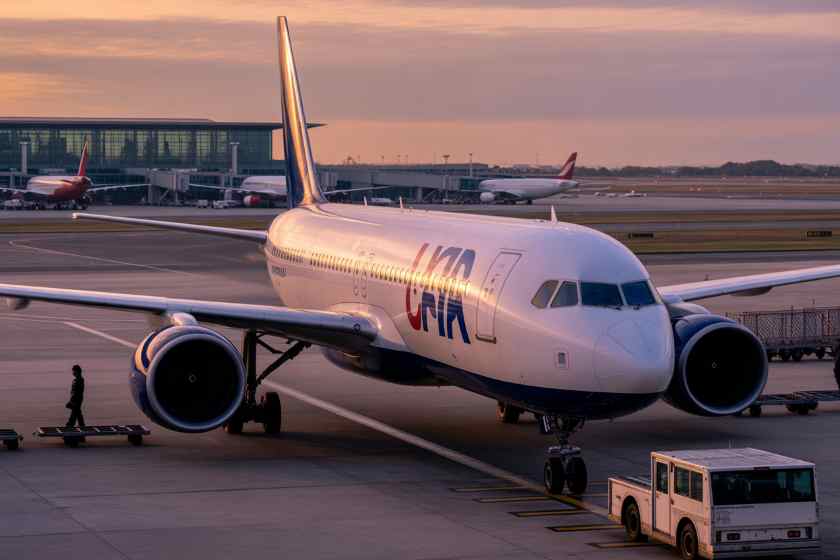 Image generated with Ai
A growing dispute over Dublin Airport’s annual passenger cap has sparked tensions between US carriers and Aer Lingus, with the US airline lobby group, Airlines for America (A4A), now threatening to restrict the Irish carrier’s rights to operate US-bound flights if the cap is not lifted. The cap, which limits the number of passengers at Dublin Airport to 32 million per year, is set to disrupt transatlantic flights and could have wide-reaching implications for both business and leisure travelers.
Since its introduction in 2007 as part of the planning approval for Terminal 2, the passenger cap was intended to mitigate noise pollution for local communities. However, its impact has become increasingly controversial, particularly as Dublin Airport has reached the limit in 2024, putting pressure on growth and limiting competition among airlines serving the transatlantic route.
The Passenger Cap and Its Effects on Transatlantic Travel
Advertisement
Advertisement
Dublin Airport is a critical hub for flights between Europe and North America, with Aer Lingus offering significant service on transatlantic routes. The airport’s 32 million annual passenger cap has become a key point of contention, especially as US carriers like American Airlines, Delta, and United have expanded their operations to and from Dublin in recent years.
A4A argues that the passenger limit is stifling growth and preventing US airlines from fully capitalizing on demand. The group is lobbying for emergency legislation that would lift the cap by February 2026 to ensure that US carriers retain their slots and can continue to expand. Failure to do so, A4A warns, could result in retaliatory measures against Aer Lingus, including restrictions on the airline’s access to US airports.
Advertisement
Advertisement
The cap has created a bottleneck, especially for US carriers that have increased their Dublin services over the years. With the restriction in place, US airlines are now unable to expand their offerings to meet rising demand, forcing them to surrender existing slots or face limited growth opportunities. A4A’s complaint argues that the cap, combined with Aer Lingus’ dominant position in the slot allocation process, gives the Irish carrier an unfair competitive advantage on key transatlantic routes.
Aer Lingus and the US-EU Aviation Agreement
While A4A’s complaint does not mention Aer Lingus directly, the Irish flag carrier stands at the center of the dispute. As the only Ireland-based airline operating flights to the US, any restrictions on Aer Lingus would have a major financial impact on the airline. The carrier’s US network has grown significantly since the pandemic, with service to 17 US destinations, making it a key player in the transatlantic market. A reduction in Aer Lingus’ ability to operate flights would have repercussions for travelers who rely on the airline for convenient one-stop access between the US and Ireland.
Advertisement
Advertisement
A4A’s complaint also raises concerns that the cap is in violation of both EU regulations and the US-EU Air Transport Agreement. The group argues that by imposing a cap that limits passenger numbers, Ireland is breaching its obligations under these agreements, which are meant to ensure open competition in the aviation market.
Legal Developments and Potential Impact on Business Travel
The ongoing legal battle over the cap is currently being reviewed by the Court of Justice of the European Union. The case was brought forward after the Irish government’s planning body, Fingal County Council, took enforcement action against Dublin Airport for exceeding the passenger limit in summer 2025. A decision from the court’s advocate general is expected in February 2026, with a final ruling likely to follow later in the year.
Advertisement
Advertisement
For business travelers, the outcome of this dispute could have significant implications. If the cap remains in place, there could be reduced transatlantic capacity, higher airfares, and route changes that disrupt efficient travel. Business travelers, who often rely on frequent flights to and from major hubs like Dublin, are especially vulnerable to the knock-on effects of this dispute.
The Ripple Effect on Tourism and US-Ireland Travel
Tourism between the US and Ireland is also at risk, as limited flight availability could affect both inbound and outbound tourism. Dublin is a major entry point for tourists visiting Ireland’s rich cultural sites, scenic landscapes, and historic landmarks. A cap that restricts flight options could lead to fewer tourists traveling to the country, impacting hotels, tour operators, and local businesses.
The Beachcomber Trail and other tourism events in Ireland rely on a steady flow of international visitors, particularly from North America. Any restrictions on flights could lead to reduced visitor numbers during peak seasons, affecting the country’s tourism revenue.
What’s Next for the Dispute?
As the February 2026 deadline looms, the pressure is mounting on the Irish government to act quickly to resolve the issue. The proposed restrictions by A4A could escalate to the point of involving the White House, further complicating the situation. If the cap is not lifted, A4A has indicated that it will move forward with measures that could limit Aer Lingus’ access to US airports, disrupting both business and
d Ireland but could also have lasting effects on how airports handle capacity and competition. With Ireland’s ambitions to become a leading global business hub, it will need to balance the needs of airlines with its environmental concerns to avoid further economic consequences.
Advertisement
