
Africa Surges as Global Tourism Powerhouse as Visitor Growth Outpaces Europe and Asia, Fueled by Strategic Connectivity and Diverse Experiences: All You Need to Know

Published
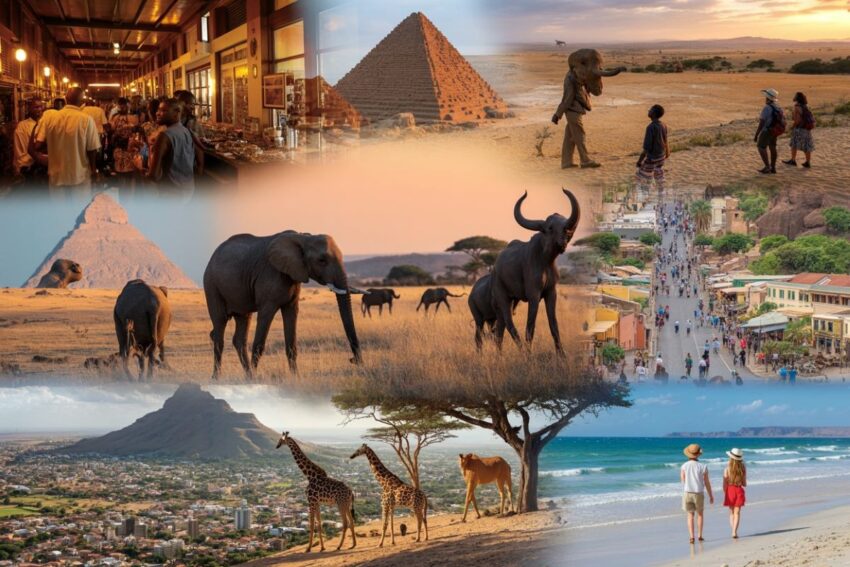 Image generated with Ai
In the latest tourism landscape, Africa has emerged as one of the most dynamic and fastest‑growing regions in the world, challenging long‑dominant players such as Europe and Asia. According to UN Tourism Barometer data, the continent recorded more than 80 million international visitors in 2025, marking an approximate 8 percent rise from the previous year. This growth rate outpaced several established tourism regions, reflecting Africa’s rising appeal to travellers globally.
This expansion is more than a short‑term trend; it reflects a sustained shift in global travel patterns as demand grows for diverse and authentic experiences — from wildlife safaris to cultural cities, sun‑soaked beaches to urban innovation hubs. Investment in the industry is also increasing, driven by both public and private sector strategies designed to improve infrastructure, connectivity, and destination offerings across the continent.
Advertisement
Advertisement
Record Visitor Numbers Fuel Tourism Optimism
International arrivals across Africa climbed significantly in 2025, surpassing the levels seen in many other regions. The continent’s overall visitor growth — around 8 percent year‑on‑year — was higher than Europe’s approximately 4 percent and Asia’s rebound in the mid‑single digits, positioning Africa as a leading growth engine in the global tourism recovery.
Several African countries contributed strongly to this surge. Morocco, one of the continent’s most visited destinations, attracted millions of tourists, while Egypt saw robust increases in international guest numbers. These gains reflect the broadening of Africa’s tourism profile far beyond its iconic wildlife safaris to include cultural, beach, culinary and business tourism experiences.
Advertisement
Advertisement
Scholars and tourism analysts also note that this visitor growth is not only from renewed travel demand but also from enhanced international connectivity. Airlines have expanded flights and new routes connecting Africa with Europe, the Middle East, and other key markets, making the continent more accessible than ever before.
Strategic Shifts in Travel Patterns Boost Africa’s Appeal
Part of Africa’s rise in the tourism sector is attributed to global external factors reshaping travel flows. Instability or conflict in some regions has prompted travellers to explore alternatives, redirecting demand to destinations perceived as stable and diverse in offerings. This shift has boosted countries like Kenya, South Africa, Morocco, and Egypt, which offer a range of attractions from natural landscapes to vibrant urban centres.
Advertisement
Advertisement
Beyond leisure travel, Africa also attracts business travellers, conference delegates and incentive groups, particularly in cities with growing economic hubs such as Nairobi and Johannesburg. These developments are expanding the traditional tourism model in Africa and encouraging business travel to become an integral part of the sector’s growth trajectory.
Economic and Social Benefits of Rising Tourism
Tourism’s economic impact across Africa is significant and growing. According to official government figures, countries such as South Africa have seen notable increases in tourism arrivals — for example, 10.5 million international visitors in 2025, a sharp rise compared with previous years — contributing directly to national GDP, job creation, and local business opportunities.
Across the continent, tourism supports millions of jobs, from hospitality workers and tour operators to small‑business entrepreneurs and artisans. Growth in visitor numbers has a multiplier effect, stimulating local economies and enabling communities to benefit from expanded travel demand and investment. This support for employment is particularly valuable in regions where tourism provides one of the most accessible paths to meaningful income and economic participation.
Furthermore, investment trends indicate that tourism infrastructure development — from improved airport facilities to enhanced hotel capacities and cultural sites — is generating confidence among investors and travellers alike. Development of visitor‑friendly amenities and services is helping Africa compete more effectively with traditional tourism hubs in Europe and Asia.
Visa Policy and Connectivity: Overcoming Barriers to Growth
Despite strong performance, Africa’s tourism industry still faces challenges — particularly in connectivity and mobility within the continent itself. While many international flights link Africa with global markets, intra‑Africa air travel can remain complex and costly, limiting multi‑destination travel and ease of regional exploration. Improving these networks is essential for sustaining long‑term growth.
Visa policy is another critical area. Some African nations are responding by simplifying or removing visa requirements for many nationalities, which has the potential to increase demand quickly. As more destinations adopt traveller‑friendly entry policies, the continent becomes a more accessible choice for global tourists.
Advertisement
Advertisement
Modernising regulatory frameworks, streamlining border processes and investing in high‑quality transportation links will be pivotal if Africa is to build on its momentum and close the gap with other major tourism regions.
Diverse Tourism Offerings Beyond Traditional Icons
While African safaris remain iconic, the continent’s tourism appeal now spans a much broader spectrum. From the Mediterranean beaches of North Africa and historical sites in Egypt to wine routes in South Africa and cultural festivals across West and East Africa, travellers have more reasons than ever to visit. Local cuisine, art, heritage attractions, and community‑led experiences are all part of this expanding tourism mosaic.
Natural wonders, such as the Sahara Desert, Victoria Falls, and Kilimanjaro, attract global travellers seeking adventure, while urban centres like Marrakech, Cape Town and Nairobi are becoming popular for business meetings, arts festivals and multicultural tourism. This diversified strategy helps destinations attract varied demographics, from young explorers to luxury travellers.
A Continent Positioned for Continued Tourism Growth
Looking forward, official tourism data and research point to sustained expansion for Africa’s travel sector. With international visitor arrivals continuing to rise and strategic investments strengthening infrastructure and marketing, the continent is well positioned to rival established regions in global rankings.
Government support, public‑private partnerships, and continental cooperation — including initiatives to improve air connectivity and visa facilitation — will be pivotal in realising the tourism sector’s full potential. As Africa builds its reputation for rich and varied tourism experiences, the future outlook suggests continued growth, with visitor demand likely to rise further in 2026 and beyond.
Advertisement
