
Global Dining Etiquette That Turns Discerning Travellers Into Cherished Guests Across Key Cities

Published
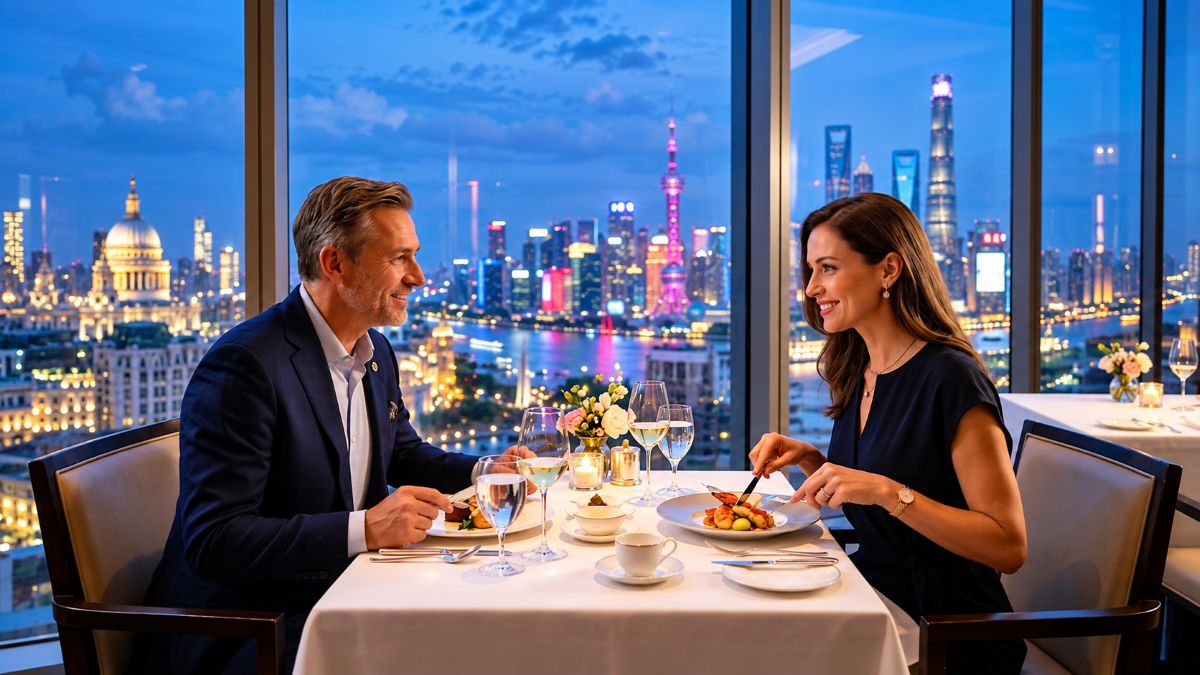
Fine culinary exploration represents one of the most rewarding pursuits for modern globetrotters, yet stepping into dining rooms across contrasting cultures requires far more than an adventurous palate. Local culinary traditions carry centuries of social nuances, philosophical principles, and community values that dictate how hosts and visitors interact at table. A traveller who honours native table customs signals profound respect for regional heritage, immediately transforming what could have been a transactional meal into an intimate hospitality exchange. Across heritage establishments, Michelin-calibre tasting rooms, and neighbourhood bistros worldwide, small gestures often define whether patrons remain mere spectators or emerge as warmly embraced guests.
True hospitality operates as a mutual language governed by situational awareness, patience, and deference to regional ritual. Seasoned diners understand that intuitive observation of local rhythms—such as when to drink water, how to position resting utensils, or the precise moment to request an accounting—differentiates crude tourism from cultivated journeying. Gaining expertise in nuanced protocols eliminates awkward cross-cultural friction and reassures culinary teams that their craftsmanship meets appreciative understanding. By investing time into internalising fundamental table decorum before departing, discerning voyagers ensure their presence enriches communal dining environments across diverse culinary capitals.
Understanding Chopstick Precision and Sacred Rituals Across Tokyo
Navigating refined dining spaces in Tokyo demands an acute reverence for unspoken boundaries and Buddhist culinary heritage. Diners must never leave chopsticks planted vertically inside a bowl of rice, as this exact arrangement belongs exclusively to ancestral funeral rites. Passing morsels of food directly from one set of chopsticks to another evokes the ceremonial handling of cremated remains, making it one of the most severe taboos in Japanese gastronomy. Chopsticks belong horizontally across ceramic rests whenever one pauses between mouthfuls, ensuring the tips never face fellow guests across the counter.
Refined counter dining, particularly within traditional sushi venues, places absolute primacy on pristine presentation and immediacy. Patrons ought to consume nigiri promptly after the chef presents it on the glazed counter plate, preventing the seasoned rice from losing optimal body temperature. Dipping nigiri into soya sauce requires flipping the morsel so only the seafood meets the liquid, thereby preserving the delicate seasoning of the vinegared rice. Pouring drinks for dining companions before permitting them to reciprocate deepens social harmony, cementing a reciprocal bond that traditional hosts hold in highest esteem.
Advertisement
Advertisement
Mastering Continental European Bread Etiquette and Table Geometry
Classic European dining venues in cities like Paris and Rome operate under rigorous geometric logic shaped by centuries of aristocratic court dining. Silverware arranged outward-in dictates courses, but table manners surrounding daily bread reveal true familiarity with continental norms. In French dining rooms, bread serves as an accompaniment throughout the progression, resting directly upon the tablecloth to the upper left rather than balanced on a side plate. Diners tear off bite-sized morsels with clean hand movements rather than biting directly into whole rolls, never slicing the loaf with table knives.
In Italian dining institutions, requesting additions or alterations to classic regional recipes represents an implicit critique of culinary balance. Bread appears on the table primarily to clean remaining sauce from plates during casual family repasts through the beloved tradition of scarpetta, though this practice is restrained in formal Michelin establishments. Ordering milk-heavy espresso drinks like cappuccino after eleven in the morning strikes local hosts as counterproductive to healthy digestion, with black espresso served solely at the conclusion of the meal. Keeping both hands visible above the table edge, wrists gently resting beside plates, demonstrates classic continental posture.
Advertisement
Advertisement
Navigating Modern Communal Banquets Across Asian Metropolises
Communal banqueting in gastronomic hubs such as Singapore and Hong Kong celebrates unity and collective generosity through rotating lazy susans and shared tureens. Etiquette dictates that individual diners must never serve themselves first; polite guests always serve elders and companions before allocating portions to their personal bowls. Serving spoons or dedicated public chopsticks accompany communal dishes, ensuring personal utensils never touch shared platters. Grasping teapots to refill adjacent teacups before refreshing one’s own glass signifies attentive companionship, acknowledged gracefully by tapping table surfaces with two fingers.
Table positioning within private dining suites reflects structured hierarchies that international guests must navigate gracefully. The seat facing the main entrance traditionally belongs to the guest of honour or senior host, with descending ranks seated outward toward the service doorway. Diners allow the principal host to initiate toasts and taste each dish first before sampling communal presentations. Finishing every grain of rice signals personal satisfaction, while leaving an empty platter during private family feasts implies the host failed to provide adequate volume, requiring visitors to preserve a balanced, polite visual remainder.
Advertisement
Advertisement
Comparative Global Dining Customs Across Gastronomic Capitals
| City | Key Cultural Protocol | Utensil Practice | Tipping and Service Norm |
| Tokyo | Slurp hot broth noodles to show culinary appreciation | Never cross or stick chopsticks into rice | No tipping; superior service is considered baseline duty |
| Paris | Tear bread by hand; rest it directly on cloth | Keep fork in left hand, knife in right throughout | Service included; small rounding up is customary for excellence |
| Rome | Order black espresso post-meal to support digestion | Do not use spoons to twirl spaghetti strands | Coperto covers bread and cover; modest coins left for staff |
| Singapore | Tap table fingers to signal gratitude for poured tea | Utilize serving spoons for communal lazy susan dishes | Ten percent service charge usually incorporated into bill |
| London | Pass port decanters strictly clockwise to the left | Rest cutlery at four twenty position upon completion | Twelve to fifteen percent discretionary service added |
| New York | Wait for all table companions before dining | American zig-zag or Continental styles acceptable | Standard gratuity ranges eighteen to twenty-two percent |
Harmonising Tipping Conventions and Post Meal Appreciation
Discerning travellers recognise that navigating financial transactions at the conclusion of dining requires thorough comprehension of regional economic structures. In North American metropolitan centres, waitstaff compensation relies heavily on discretionary gratuities, making eighteen to twenty-five percent standard etiquette for attentive service. Conversely, attempting to leave loose banknotes on tables across Tokyo or Kyoto causes deep embarrassment, as professional pride and cultural dignity deem exceptional hospitality an inherent requirement rather than a service purchased through monetary tips.
European dining establishments generally embed hospitality charges directly into itemised bills through statutory service inclusions or regional cover charges. Leaving modest sums by rounding up the final amount remains an elegant gesture of appreciation for memorable attentiveness, rather than a mathematical obligation. Across Southeast Asia and the United Kingdom, discretionary service charges appear clearly on printed statements, affording patrons the liberty to inspect calculations before processing final payments. Graceful hosts universally appreciate quiet vocal thanks delivered to kitchen brigades upon exiting dining rooms.
Frequently Asked Questions
Is it acceptable to cut pasta using a table knife in Italy?
No, cutting long pasta like spaghetti or tagliatelle with a knife is considered a breach of basic Italian table manners. Pasta should be twirled neatly against the inner curve of the plate using only a fork.
Advertisement
Advertisement
Where should bread rest on a formal French dining table?
Unless a dedicated bread plate is provided, bread rests directly on the tablecloth to the upper left of your place setting. It should be torn into bite-sized pieces by hand rather than cut with a knife.
Why is it offensive to pass food between chopsticks in Japan?
Passing food directly from one set of chopsticks to another mirrors the Japanese Buddhist funerary ritual of transferring bone fragments after cremation. Always place food on a plate before another guest picks it up.
Should one finish every morsel of food on a plate in China?
Leaving a completely clean plate during a private hosted banquet can imply the host did not provide enough food to satisfy you. Leaving a small portion demonstrates that the hospitality was exceedingly generous.
Advertisement
Advertisement
What is the significance of tapping fingers on the table during Chinese tea service?
Tapping the index and middle fingers lightly on the table signifies silent gratitude toward the person refilling your teacup, allowing conversations to proceed uninterrupted without vocal breaks.
Is slurping noodles genuinely considered polite in Japanese dining culture?
Slurping hot noodles such as ramen and soba is encouraged because it aerates the noodles to release complex aromatics while cooling the broth, demonstrating sincere appreciation to the chef.
How should cutlery be positioned to signal that a meal is finished?
In formal Continental and British settings, placing the knife and fork parallel to each other vertically or angled toward the four o’clock position signals that you have finished your course.
Advertisement
Advertisement
Is tipping expected in luxury dining venues across Japan?
Tipping is not customary in Japan, even in luxury and Michelin-starred restaurants. Outstanding hospitality is viewed as standard professional conduct, and leaving extra money can cause confusion or offence.
When is it appropriate to order a cappuccino in Italy?
Cappuccinos and other milk-heavy coffees are enjoyed strictly in the morning hours before eleven o’clock. Italians avoid dairy-heavy beverages after lunch or dinner because milk is believed to hinder digestion.
Which hand should hold the fork when dining in formal European restaurants?
Under European continental dining etiquette, the fork remains continuously in the left hand with tines facing downward, while the right hand holds the knife throughout the meal.
Advertisement
