
Sepang Motorsport Weekend Triggers Massive Spike in Malaysian Holiday Accommodation Demand

Published
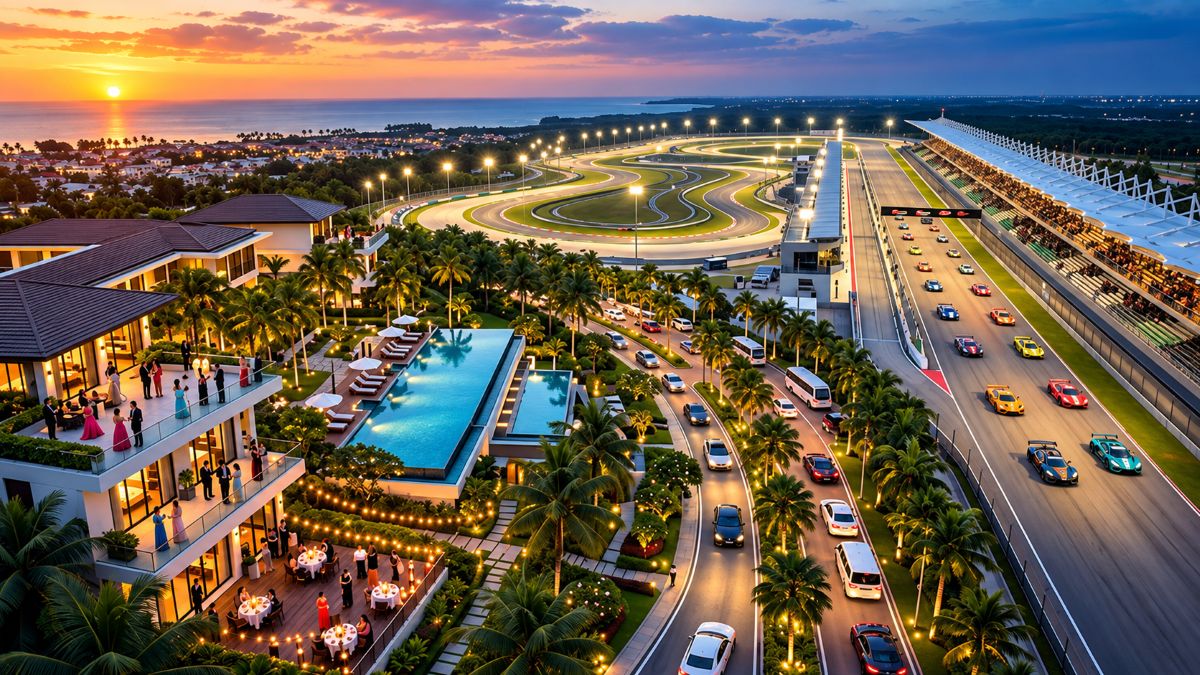
International interest in short-term accommodation across Greater Kuala Lumpur and Selangor has escalated sharply ahead of the flagship motorsport event at Sepang this weekend. Search volumes for regional holiday stays surged by more than 160% year-on-year for the primary race dates running from 2 to 4 October, highlighting how premier sporting fixtures continue to operate as substantial catalysts for inbound leisure travel across the nation.
Data detailing booking interest reveals that overseas visitors account for roughly three-quarters of all accommodation inquiries, turning a brief sporting calendar window into prolonged regional exploration. Rather than limiting their passage to direct trackside hubs, incoming tourists are predominantly establishing headquarters within the federal capital, leveraging high-speed transport networks to access the circuit while actively spending their leisure budgets across local hospitality and urban retail sectors.
Advertisement
Advertisement
International Travellers Dominate Surge in Trackside Accommodation Interest
The dramatic uptake in booking enquiries reflects an expanding appetite for experiential tourism, where sports fans plan comprehensive itineraries around world-class competitive events. Overseas markets represent 75% of the total search footprint, with regional neighbours such as Singapore, China, and Indonesia demonstrating strong engagement alongside long-haul visitors travelling from Australia, the United Kingdom, and the United States. Domestic holidaymakers account for the remaining quarter of market activity.
Industry market analysts note that modern event attendees routinely combine ticketed spectator access with broader cultural discovery. By utilising flexible private holiday rentals, visitors gain domestic autonomy, access to multi-room apartments, and distinct neighbourhood amenities that conventional hotel lodgings may not offer during periods of elevated seasonal demand.
Advertisement
Advertisement
Extended Itineraries Transform Weekend Spectators into Long-Stay Tourists
Rather than treating the motorsport weekend as an isolated, fly-in fly-out engagement, international visitors are converting race passes into extended holiday commitments. Approximately 80% of current lodging searches span beyond the immediate three-day race schedule, pushing the median intended length of stay to nearly six nights.
Group travel dynamics further characterise this inbound migration, with couples comprising more than a third of registered demand and parties of two or more guests representing almost seven in ten searches. This extended timeframe delivers an economic footprint well past ticket concessions, funnelling foreign exchange into suburban gastronomy, independent heritage tours, and local transit infrastructures throughout the Klang Valley.
Advertisement
Advertisement
| Destination Area | Share of Search Demand | Dominant Visitor Type | Average Intended Stay Duration |
|---|---|---|---|
| Kuala Lumpur Central | Exceeds 60% | International couples and groups | Six nights |
| Sepang District | Approaches 25% | Track enthusiasts and airport transit | Three to four nights |
| Petaling and Hulu Langat | Balance of remaining volume | Long-term leisure and family travellers | Five to seven nights |
Urban Hubs Maintain Accommodation Dominance over Peripheral Circuit Districts
Geographic analysis indicates that while track proximity remains valuable, urban connectivity governs consumer preference. Kuala Lumpur captured upwards of 60% of search focus, while the Sepang district commanded just under 25%, with the remainder distributed across Petaling and Hulu Langat.
Modern transport infrastructure enables international racegoers to reside within prime retail zones whilst maintaining direct access to rural circuit complexes via toll corridors and high-speed rail lines. Consequently, metropolitan districts benefit from consistent occupancy rates, distributing tourist expenditure directly into community-driven accommodation providers, family-run cafes, and independent hospitality venues situated far outside the race perimeter.
Frequently Asked Questions
What caused the sudden rise in accommodation searches around Kuala Lumpur and Sepang? A prominent international motorsport weekend hosted at the Sepang International Circuit generated an annual search increase exceeding 160% for regional short-term holiday stays.
Which dates reflected the highest volume of rental searches? The peak search window centred on stays booked between 2 October and 4 October, aligning with the primary qualifying and race schedule.
What percentage of accommodation interest came from foreign travellers? International visitors generated roughly 75% of total search activity, with domestic Malaysian travellers making up the remaining 25%.
Which countries recorded the highest outbound interest for the event? The most pronounced interest originated from Singapore, China, Indonesia, Australia, the United Kingdom, and the United States.
Advertisement
Advertisement
Why are racegoers choosing to stay in Kuala Lumpur rather than near the track? Kuala Lumpur provides wider cultural, dining, and shopping experiences alongside transport links that permit efficient day trips to the Sepang circuit.
What is the median intended duration of stay for incoming race fans? The median intended duration of stay among visitors searching for accommodation reached nearly six nights.
Are visitors extending their trips beyond the official race dates? Approximately 80% of searches extended past the core race weekend, indicating that guests are treating the sports fixture as an extended regional holiday.
What group sizes dominate the accommodation enquiries? Two-person travel parties made up over a third of inquiries, while bookings for two or more guests accounted for roughly 70% of total demand.
Which secondary districts experienced an uptick in holiday rental interest? Beyond the primary hubs of Kuala Lumpur and Sepang, peripheral districts such as Petaling and Hulu Langat recorded notable search increases.
How does this accommodation surge benefit the broader domestic economy? Extended multi-day visits distribute foreign tourist spending into local transport networks, independent retail establishments, food culture, and suburban rental proprietors.
Advertisement
