
Air Canada Cancels Montreal To Tel Aviv And Delhi Routes For Summer 2026, Cutting Three Weekly Flights And Shifting Long-Haul Operations To Toronto’s Gigantic Hub For Greater Connectivity

Published
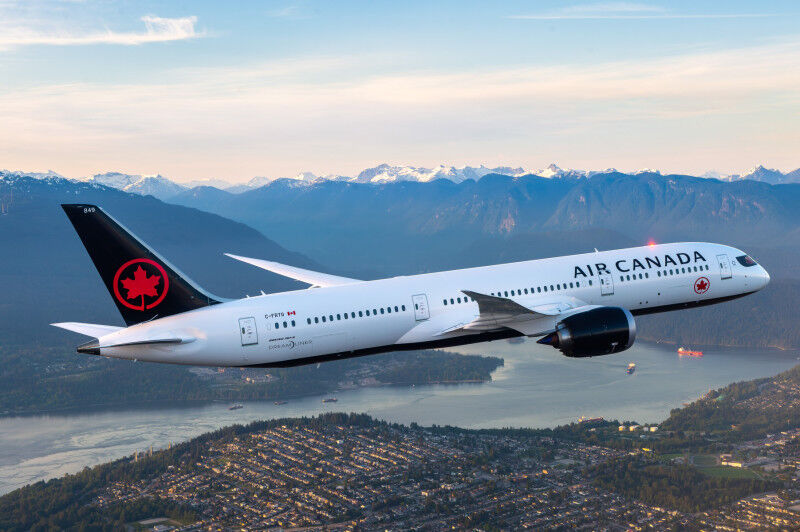 Image generated with Ai
Air Canada plans to cancel its flights and operations between Montreal and Tel Aviv and Delhi for the summer 2026 schedule, a decision that cuts out the three times a week Montreal Tel Aviv flights and a further operational reduction. Air Canada plans to move its long-haul flights to Toronto’s large hub. Toronto is Air Canada’s main international gateway and with the new operational plans, Air Canada will better schedule its aircraft, increase service and better connect passengers to and from Toronto. This is part of Air Canada’s operational plans to optimize its international operations and now Toronto will be visa versa international hub along with new long-haul destinations.
In a significant development for travelers planning international flights from Montreal, Air Canada has announced the suspension of two transatlantic routes for the summer of 2026. The airline will halt its service between Montreal Trudeau Airport (YUL) and two key destinations: Tel Aviv Ben Gurion Airport (TLV) and Delhi Indira Gandhi Airport (DEL). This decision, driven by commercial reasons, marks a shift in Air Canada’s operational focus and has sparked changes in the flight schedules for travelers flying from Montreal to these popular destinations.
Impact of the Suspension on Montreal Routes
Air Canada’s flight cancellations between Montreal and these two cities, originally scheduled to restart in May 2026, are set to affect travelers who had anticipated resuming their summer journeys. Both the Montreal to Tel Aviv and Montreal to Delhi routes were initially planned to operate three times a week on Boeing 787 aircraft. However, with the recent suspension, these services will no longer be available for the Northern Summer 2026 season.
Advertisement
Advertisement
This decision represents a strategic move by Air Canada, as the airline continues to consolidate its long-haul routes, particularly to destinations in the Middle East and South Asia. Travelers who were booked on the affected flights will be offered alternative routing options or refunds, as the airline works to ensure a smooth transition for its customers.
Changes to Air Canada’s Flight Schedule
Advertisement
Advertisement
The suspension of these two routes means that the Montreal to Delhi service will be temporarily halted from May 1, 2026, to October 24, 2026, with service expected to resume on October 25, 2026. Similarly, the Montreal to Tel Aviv route, originally slated for a restart on May 3, 2026, has been removed entirely from the airline’s summer schedule.
Both routes, however, will continue to operate from Toronto Pearson Airport (YYZ), which remains Air Canada’s primary gateway for these markets. The Toronto to Delhi route will operate daily, offering more frequent service than the Montreal option. Likewise, the Toronto to Tel Aviv route will increase its frequency to five times per week, up from the winter season schedule.
This consolidation of services to the Toronto hub allows Air Canada to optimize its aircraft utilization while maintaining consistent connectivity to these key international markets. Montreal, while a vital hub for Canadian travelers, will not support the same long-haul service capacity as Toronto, particularly during the peak summer season when demand is highest.
Airline’s Commitment to Global Connectivity
Despite the temporary suspension of these two routes, Air Canada has reiterated its commitment to the Indian and Israeli markets. The airline emphasized that its focus on Toronto as the central hub for these destinations ensures continued service to these regions, albeit through different routes. The strategic changes reflect a broader trend in the aviation industry toward centralizing operations in larger hubs to increase efficiency and manage passenger traffic more effectively.
For travelers affected by the cancellation of these flights, Air Canada has outlined a series of customer support measures. These include rebooking options through alternative gateways, such as Toronto, as well as full refunds for passengers who no longer wish to travel. The airline has also taken steps to ensure that customers are informed well in advance, reducing uncertainty and providing ample time for travelers to adjust their plans.
Advertisement
Advertisement
Operational Strategy and Future Prospects
Air Canada’s decision to suspend the Montreal to Tel Aviv and Montreal to Delhi routes highlights a key aspect of the airline’s ongoing operational strategy: focusing on optimizing aircraft utilization while maintaining the flexibility to adjust to market demands. The carrier is looking to consolidate its resources and streamline long-haul operations, especially for routes where Montreal may not offer the same level of demand and connectivity as Toronto.
Toronto Pearson Airport, as Canada’s largest international gateway, is better positioned to support high-frequency services and long-haul routes to key destinations like Tel Aviv and Delhi. The city of Toronto continues to serve as a strategic hub for the airline, with daily flights to both cities scheduled to meet growing demand. By focusing its efforts on Toronto, Air Canada can ensure consistent service while continuing to provide valuable options for travelers headed to the Middle East and South Asia.
For the Montreal market, the suspension is a reminder that airlines must continually adapt to shifting market conditions. Air Canada’s decision to suspend these routes is driven by commercial factors, including the need to balance demand with capacity and optimize service offerings across its network. With changes in passenger travel patterns and the evolving landscape of international travel, the airline’s decision reflects its efforts to prioritize long-term sustainability and operational efficiency.
Customer Support and Alternative Arrangements
Passengers who were booked on the now-suspended Montreal to Tel Aviv or Montreal to Delhi flights are being offered several options to mitigate the disruption. Those affected will be able to rebook their tickets on alternate routes through Toronto or other available gateways. Additionally, Air Canada is providing full refunds to passengers who prefer not to rebook.
Advertisement
Advertisement
The airline has committed to handling customer service matters swiftly and efficiently. The aim is to minimize inconvenience and ensure that all affected travelers have access to the best possible alternatives for their journeys. The airline’s customer service team will be working with passengers to provide clarity regarding route cancellations and assist with rescheduling.
A Shift in Long-Haul Operations
The suspension of the Montreal to Tel Aviv and Montreal to Delhi routes may also reflect broader trends in the aviation sector. Airlines worldwide are increasingly focusing their efforts on more profitable routes and hubs, especially as passenger traffic continues to fluctuate due to global events and changing consumer preferences. For Air Canada, the focus on Toronto for long-haul routes is a strategic response to these market shifts, as the airline works to maintain its competitive edge in a dynamic and competitive global aviation landscape.
Moreover, the decision to streamline operations by consolidating services to Toronto reflects a growing trend among major carriers to concentrate resources on their busiest hubs. With international air travel expected to continue its gradual recovery, Air Canada’s strategy of optimizing its long-haul service network positions the airline for greater operational flexibility in the future.
Air Canada’s suspension of the Montreal to Tel Aviv and Montreal to Delhi routes for Summer 2026 marks a significant change in the airline’s long-haul flight network. While the decision impacts travelers departing from Montreal, Air Canada remains committed to serving key international markets through its Toronto hub. The adjustments to the airline’s schedule are a reflection of broader shifts in the aviation industry, where operational efficiency and demand-driven decisions continue to shape the future of air travel.
Air Canada is canceling its Montreal to Tel Aviv and Delhi routes for Summer 2026, cutting three weekly flights to streamline operations and shift long-haul services to Toronto’s larger hub for improved connectivity and efficiency.
For travelers, the changes highlight the importance of staying informed and flexible in the face of evolving flight schedules. Air Canada’s proactive approach to customer support, including rebooking and refunds, ensures that affected passengers have ample time to adjust their plans and explore alternative routes. Whether through Toronto or other gateways, travelers can continue to rely on Air Canada’s global network to connect them to destinations around the world.
Advertisement
