
Air Canada joins British Airways, Qatar Airways, Cathay Pacific, Lufthansa, Emirates, Singapore Airlines, Delta Air Lines & United Airlines in Reshaping Canada, UK, Qatar & Hong Kong Travel for Tourism Boom — How the Airbus A350-1000 Order Is Changing Long-Haul Aviation Forever

Published
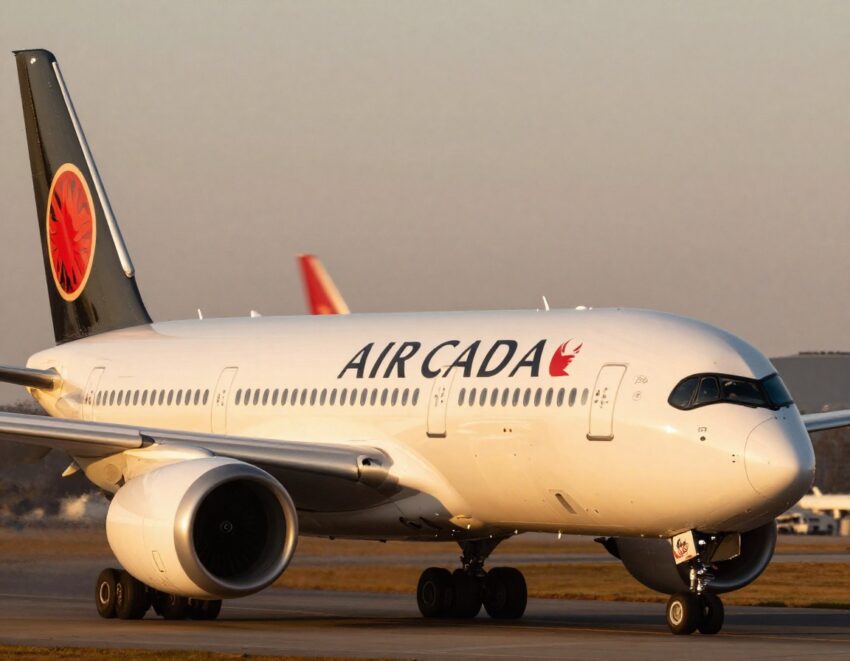 Image generated with Ai
Air Canada, British Airways and Qatar Airways are accelerating a new chapter in global long-haul travel as fleet modernization, rising international demand and strategic aircraft investments reshape connectivity between Canada, the United Kingdom, the Middle East and Asia. Air Canada’s confirmed order for eight Airbus A350-1000 aircraft, scheduled to enter service from 2030, places the carrier firmly alongside leading global operators already using next-generation widebodies to expand ultra-long routes and enhance passenger experience. The Airbus A350-1000, known for its extended range of roughly 16,000 kilometers and significantly lower fuel burn compared to previous-generation aircraft, is designed to unlock nonstop opportunities across continents while reducing operating costs and emissions. At a time when international passenger volumes at major hubs such as Toronto Pearson, London Heathrow and Doha’s Hamad International Airport have rebounded strongly, airlines are racing to secure capacity that meets both premium demand and sustainability goals. This move is not simply about adding aircraft; it reflects a broader competitive shift among global carriers seeking to strengthen transatlantic and transpacific networks, attract high-yield leisure and business travelers, and stimulate tourism flows that directly benefit hotels, airports and hospitality sectors in gateway cities. As travel demand continues its steady recovery and long-haul passengers prioritize comfort, nonstop convenience and environmental performance, the strategic deployment of advanced aircraft like the A350-1000 signals how leading airlines intend to compete for the next decade of global tourism growth.
Air Canada, British Airways, Qatar Airways, Cathay Pacific, Lufthansa, Emirates, Singapore Airlines, Delta Air Lines & United Airlines Reshape Canada, UK, Qatar & Hong Kong Travel for Tourism Boom —
Advertisement
Advertisement
Global aviation is entering a decisive phase of transformation. Air Canada’s confirmed order for eight Airbus A350-1000 aircraft, with deliveries scheduled from 2030, signals more than a fleet update. It marks a strategic shift in long-haul planning. The move positions Canada’s largest airline alongside global heavyweights such as British Airways, Qatar Airways, Cathay Pacific, Lufthansa, Emirates and Singapore Airlines — all carriers that operate advanced long-range fleets to dominate premium intercontinental markets. The competitive landscape across Canada, the United Kingdom, the Middle East and Asia is tightening. Airlines are investing in fuel-efficient aircraft to unlock longer nonstop routes while improving profitability and passenger experience.
According to official airline disclosures, the Airbus A350-1000 offers approximately 25 percent lower fuel burn and emissions compared to previous-generation widebodies of similar capacity. That reduction matters. Fuel remains one of the largest operating expenses for airlines worldwide. Lower fuel consumption allows carriers to open thinner long-haul routes with improved margins. For travelers, it means more nonstop options and potentially more competitive pricing on ultra-long sectors.
Advertisement
Advertisement
Air Canada, British Airways, Qatar Airways & Cathay Pacific Strengthen Canada, UK, Qatar & Hong Kong Connectivity as Long-Haul Travel Demand Surges
International travel demand continues to rebound strongly. Canada welcomed more than 18 million international arrivals in 2023 according to national tourism data, with steady growth continuing into 2024. The United Kingdom recorded over 37 million inbound visits recently, while Qatar reported record passenger volumes at Hamad International Airport, surpassing 45 million passengers in a single year. Hong Kong International Airport has also seen traffic rebound significantly following reopening, with passenger numbers climbing sharply year over year.
Advertisement
Advertisement
These figures show one clear trend. Long-haul travel is back. Airlines are responding by upgrading fleets. The Airbus A350-1000 plays directly into this recovery cycle. With a range of roughly 16,000 kilometers, the aircraft allows carriers to connect distant city pairs nonstop. For Air Canada, this means potential expansion from Toronto, Montreal and Vancouver to high-growth markets in South Asia, Southeast Asia and Australia.
British Airways and Lufthansa have long used modern widebodies to strengthen London and Frankfurt as global hubs. Qatar Airways and Emirates have built Doha and Dubai into mega-connectors between Europe, Asia and Africa. Cathay Pacific continues to leverage Hong Kong’s geographic position to connect North America with Asia-Pacific. Air Canada’s new aircraft strategy ensures it remains competitive in that same global network game.
Advertisement
Advertisement
Airbus A350-1000 Technology Gives Airlines Cost Power and Route Flexibility
The Airbus A350-1000 is powered by Rolls-Royce Trent XWB engines and built largely from advanced composite materials. The lighter airframe improves fuel efficiency. The aircraft typically seats between 350 and 410 passengers depending on airline configuration. That capacity closely matches older Boeing 777-300ER fleets while delivering improved economics.
For airlines like Air Canada and British Airways, replacing aging widebodies with next-generation aircraft reduces maintenance costs and improves dispatch reliability. Modern aircraft also enable better cargo capacity on long-haul flights. Cargo remains a crucial revenue stream, especially on transpacific and transatlantic routes.
In addition, the aircraft is certified to operate with up to 50 percent sustainable aviation fuel today, aligning with decarbonization commitments made by major global airlines. Canada, the UK and the European Union have all outlined aviation sustainability roadmaps, encouraging fleet modernization.
Advertisement
Advertisement
How the Order Impacts Air Canada’s Global Network Strategy
Air Canada already operates a long-haul fleet that includes Boeing 787 Dreamliners and Boeing 777 aircraft. The addition of the A350-1000 provides extra range and seating capacity for future growth. Analysts suggest potential nonstop routes could include Toronto to Sydney, Montreal to Singapore or Vancouver to emerging Asian markets.
Toronto Pearson International Airport handled more than 44 million passengers recently, making it one of North America’s busiest hubs. Montreal and Vancouver also continue to expand international connections. By deploying ultra-long-range aircraft, Air Canada can reduce dependence on connecting hubs abroad and keep traffic flowing through Canadian gateways.
For travelers, this translates into fewer layovers. Nonstop flights reduce total travel time and minimize baggage transfer risks. Business travelers value time savings. Leisure travelers appreciate convenience.
British Airways, Lufthansa, Emirates & Singapore Airlines Intensify Premium Cabin Competition
Premium travel demand has remained resilient. Airlines report strong bookings in business and premium economy cabins on long-haul routes. The Airbus A350 family is widely praised for its quieter cabin, lower cabin altitude and improved humidity levels. These features reduce fatigue on flights exceeding 12 hours.
Advertisement
Advertisement
British Airways has invested heavily in upgraded business suites on its A350 fleet. Lufthansa is rolling out new Allegris cabin products. Emirates continues to refine its premium offerings on long-haul aircraft. Singapore Airlines remains a benchmark for service quality. Air Canada has signaled that its A350-1000 aircraft will introduce next-generation cabin standards, likely including upgraded connectivity and enhanced in-flight entertainment systems.
This matters for tourism and hospitality sectors. Premium travelers spend more per trip. According to tourism boards in Canada and the UK, long-haul visitors from Asia and the Middle East often have higher average daily expenditure compared to short-haul travelers.
Marriott, Hilton, Fairmont, Hyatt & Global Hotel Brands Prepare for Long-Haul Visitor Growth
The hospitality industry closely follows airline fleet announcements. When airlines add capacity on long-haul routes, hotel occupancy often rises in key gateway cities. Toronto, London, Doha and Hong Kong each host large portfolios from global hotel brands including Marriott, Hilton, Fairmont and Hyatt.
Canada’s tourism spending surpassed pre-pandemic levels recently, driven partly by international arrivals. The UK hospitality sector reported steady recovery in international overnight stays. Doha has invested heavily in hotel infrastructure following major global sporting events. Hong Kong continues to position itself as a regional business and leisure hub.
More nonstop flights from North America to Asia and the Middle East stimulate two-way tourism flows. Canadian travelers gain easier access to destinations such as Doha and Hong Kong. Inbound visitors from Europe and Asia find more direct routes into Canadian cities.
Advertisement
Advertisement
Tourism Impact on Canada, UK, Qatar & Hong Kong
Canada’s tourism sector contributes tens of billions of dollars annually to the national economy. The UK remains one of the world’s top inbound tourism markets. Qatar has focused on diversifying its economy through tourism and aviation expansion. Hong Kong relies heavily on international business and leisure travel.
Increased long-haul connectivity supports convention travel, corporate travel and luxury tourism. Airlines like Qatar Airways and Emirates often attract connecting traffic beyond their home markets. When Air Canada expands its long-haul footprint, it strengthens Canada’s global tourism competitiveness.
Government tourism strategies in Canada emphasize attracting high-yield visitors from Asia-Pacific and the Middle East. Direct flights increase destination appeal. Travelers often prefer nonstop options over multi-stop itineraries.
Flight Details and Route Trends Tourists Should Know
Air Canada currently operates direct flights from Toronto to London, Paris, Tokyo and Delhi among others. British Airways flies nonstop from London to Toronto, Vancouver and Montreal. Qatar Airways connects Doha with major Canadian cities. Cathay Pacific operates services linking Hong Kong with Vancouver and Toronto. Lufthansa serves Frankfurt to Canadian gateways. Emirates connects Dubai with Toronto. Singapore Airlines connects North America with Asia via long-haul routes including New York and Los Angeles.
Advertisement
Advertisement
Ultra-long-haul flights typically range between 13 and 16 hours. Aircraft like the A350-1000 are optimized for these sectors. Airlines often deploy them on routes exceeding 10,000 kilometers.
Travelers should monitor seasonal schedule adjustments. Airlines expand frequencies during peak summer months. Booking early secures better fares, particularly in premium cabins.
Travel Tips for Long-Haul Flyers
Choose seats wisely. On A350 aircraft, many airlines offer 1-2-1 business class layouts with direct aisle access. Premium economy provides extra legroom and wider seats. Economy passengers benefit from larger windows and quieter cabins compared to older aircraft.
Stay hydrated during ultra-long flights. Modern cabins maintain lower altitude pressure, but long journeys still require rest and movement. Select flights with convenient departure times to minimize jet lag.
Check visa requirements early. Canada, the UK, Qatar and Hong Kong each have specific entry regulations. Electronic travel authorizations may be required for transit passengers.
Advertisement
Advertisement
Consider loyalty programs. Air Canada is part of Star Alliance. British Airways and Qatar Airways belong to oneworld. Lufthansa is part of Star Alliance. Emirates operates independently but partners with multiple carriers. Frequent flyers can maximize benefits by aligning bookings strategically.
Sustainability and the Future of Long-Haul Travel
Sustainable aviation fuel adoption is increasing gradually. Major airlines have pledged net-zero emissions targets by 2050. Modern aircraft like the A350-1000 reduce per-seat emissions significantly compared to older jets.
Airports in Canada and Europe are investing in greener infrastructure. Travelers increasingly consider environmental impact when choosing airlines. Airlines promoting newer aircraft often highlight lower carbon footprints per passenger kilometer.
The Competitive Landscape Ahead
Air Canada’s eight-aircraft order may appear modest compared to mega orders placed by Gulf carriers. However, its strategic value is substantial. The aircraft enter service in 2030, positioning the airline for the next decade of global growth.
Advertisement
Advertisement
British Airways, Lufthansa, Emirates, Singapore Airlines and Qatar Airways will continue upgrading fleets. Delta and United are also investing heavily in next-generation widebodies.
Long-haul aviation remains capital intensive. Airlines carefully match aircraft type to route demand. The A350-1000 bridges capacity and range, making it a versatile choice.
Why This Matters for Tourists
More nonstop routes mean more options. Increased competition often leads to fare competition. Premium cabin improvements enhance comfort. Expanded schedules support flexible travel planning.
Gateway cities such as Toronto, London, Doha and Hong Kong stand to benefit from higher visitor flows. Hotels, restaurants and tourism operators prepare for steady long-haul growth.
Air Canada’s fleet modernization represents confidence in global travel demand. As British Airways, Qatar Airways, Cathay Pacific, Lufthansa, Emirates, Singapore Airlines, Delta Air Lines and United Airlines compete across continents, travelers gain from better aircraft, better service and better connectivity.
Advertisement
Advertisement
Air Canada, British Airways and Qatar Airways are intensifying long-haul competition as Air Canada confirms its order for eight Airbus A350-1000 aircraft, signaling a major shift in global connectivity between Canada, the UK and the Middle East.
With rising international passenger demand and next-generation aircraft promising greater range, efficiency and comfort, the move positions airlines and hospitality sectors for a fresh wave of premium long-haul tourism growth.
The Airbus A350-1000 is not merely an aircraft addition. It represents a structural shift in how airlines approach ultra-long-haul travel. For the tourism and hospitality industries, it signals sustained international mobility. For travelers, it promises a more connected and comfortable world.
Advertisement
