
Airlines and Travellers at Risk as US Imposes Sanctions on Companies Linked to Iran’s Weapons Sector, Impacting Global Routes and Aviation Compliance

Published
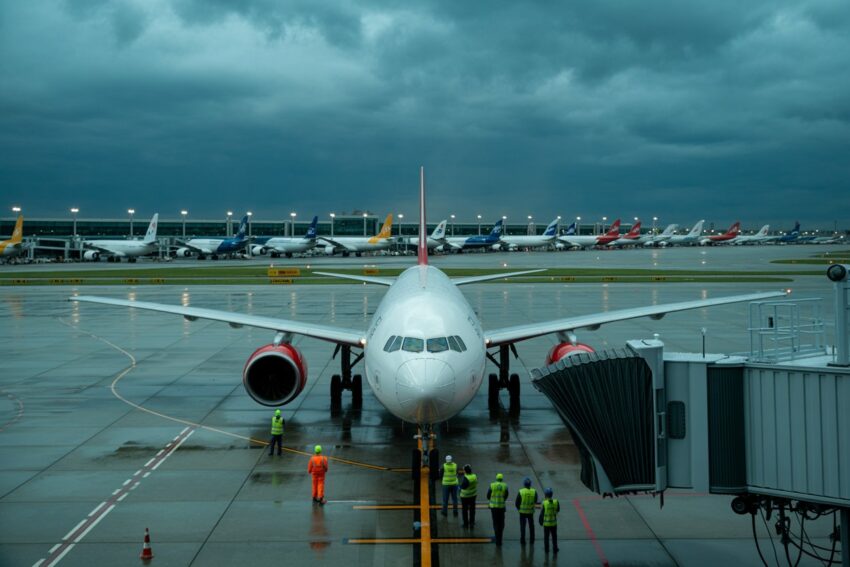 Image generated with Ai
The United States Treasury Department on May 8, 2026 unveiled a significant sanctions package targeting 10 individuals and companies accused of aiding Iran’s weapons procurement efforts, including components used in drones and ballistic missiles — a move that sends ripples across travel, aviation, shipping and global logistics sectors.
Sanctions issued under U.S. economic powers aim to curb Iran’s military‑industrial capacity and disrupt supply chains that could indirectly affect airlines, freight carriers, travel planners and tourist routes linking Asia, the Middle East and Europe.
Advertisement
Advertisement
Officials stress that this action is not just a diplomatic gesture, but part of a broader economic strategy designed to apply systemic pressure on Iran’s global support networks and potentially deter airlines or maritime operators from becoming entangled in illicit commerce.
What the US Treasury Declared: Hard Economic Measures
The U.S. Treasury said it has sanctioned 10 individuals and business entities, including several based in China and Hong Kong, accusing them of assisting Tehran in sourcing raw materials and components critical to the manufacture of Shahed drones and ballistic missiles.
Advertisement
Advertisement
This action is part of Washington’s continued efforts to tighten controls on supply chains linked to Iran’s war economy. The sanctions include asset freezes and prohibitions on U.S. transactions, essentially cutting off the targets from American financial systems and discouraging global partners from engaging with them.
Notably, the Treasury statement emphasised readiness to expand sanctions to any foreign company that facilitates Iran’s illicit commerce — including airlines and financial firms connected to independent refineries.
Advertisement
Advertisement
Implications for Airlines and Flight Operations
Although the sanctions primarily target firms accused of supporting weapons supply chains, the Treasury signalled that any airline or logistics operator profiting from or aiding Iran’s sanctioned trade networks could face secondary sanctions.
This warning places global carriers on alert, especially those operating in the Middle East, Asia and connecting long‑haul routes through hubs with overlapping commercial ties to affected entities or regions.
Travel industry analysts believe this could spur enhanced compliance checks for cargo flights and tighten aviation fuel, parts and services transactions in countries that maintain ties with Iranian markets.
Timing of Sanctions: Ahead of High‑Stakes Diplomacy
The sanctions move comes just days before US President Donald Trump’s scheduled visit to China for talks with Chinese President Xi Jinping — a summit expected to touch on broader strategic issues including Middle East peace efforts and regional security.
This diplomatic backdrop underscores the geopolitical weight of the sanctions, signalling that the U.S. remains firm in its push to isolate networks that support Iran’s military apparatus even amid negotiations with global powers.
The Strait of Hormuz and Global Travel Routes
Central to the travel and commerce conversation is the Strait of Hormuz — a strategic marine corridor through which about a fifth of the world’s crude oil and liquefied natural gas passes.
Advertisement
Advertisement
Shipping and transit through the Strait have been severely disrupted since the conflict escalated earlier this year, with Iran shutting the narrow waterway at times, impacting fuel prices, airline operations and route planning across the Middle East and beyond.
Analysts say this underscores how military sanctions and geopolitical tensions can cascade into broader travel and logistics disruption, affecting everything from flight costs to cruise itineraries and cargo carrier schedules.
Expert Insights: Strategic Objectives Behind Sanctions
Security analysts argue the sanctions are a calibrated effort to curb Iran’s military influence while limiting the impact on broader civilian and commercial channels.
According to experts, the move is aimed at disrupting Iran’s ability to threaten regional allies and interfere with international maritime traffic — a factor that could otherwise destabilise travel confidence and airline scheduling in the Gulf, Indian Ocean and Indian subcontinent corridors.
Still, certain observers note that these sanctions are narrowly focused and may allow Iran time to adapt or reroute its procurement channels. These dynamics could, in turn, influence global travel risk assessments.
Sanctioned Entities: Geographical Spread and Focus
Among the firms listed in U.S. sanctions are companies tied to China, Dubai and Hong Kong that allegedly supplied materials and logistical support to Iran’s military supply chains.
Advertisement
Advertisement
Sanctions on these entities sever their access to the U.S. financial system and shine a spotlight on the complexity of global commerce — where front companies, intermediaries and cross‑border logistics often blur lines between legitimate trade and sanctioned activity.
This global scope suggests travel and trade sectors should maintain vigilance around compliance, routing and cargo documentation to avoid entanglement with sanctioned networks.
What Travellers Should Know Now
While these sanctions do not directly target tourists or travellers, the broader geopolitical tension they reflect can influence travel decisions and airline operations:
- Flight timetables in and out of hubs near the Persian Gulf may experience changes.
- Oil price fluctuations — influenced by Strait of Hormuz disruptions — could affect ticket prices.
- Airlines might revise cargo and supply chain protocols to ensure regulatory compliance.
Travel agencies, corporate travel planners and individual tourists should stay informed via official government travel advisories from respective foreign ministries and aviation authorities.
Conclusion: Shifting Geopolitics Meets Global Mobility
The U.S. Treasury’s latest sanctions against companies accused of aiding Iran’s weapons sector underscore a widening intersection between geopolitics and global travel mobility. As the world navigates escalating tensions in the Middle East, airlines, passengers and freight operators are placed in a dynamic landscape where security compliance, route planning, and economic volatility become part of travel decision‑making.
While sanctions seek to restrict the flow of weapons and materials that fuel conflict, their ramifications extend well beyond diplomatic circles into the domains of travel, logistics, energy and international commerce. Travellers and industry stakeholders alike should monitor updates from authoritative government sources to adapt to evolving travel and regulatory conditions.
Advertisement
