
Queensland Tourism Overhauls Across Cairns And Townsville Are Absolutely Reinventing The Future Of Travel And Australian Exploration

Published
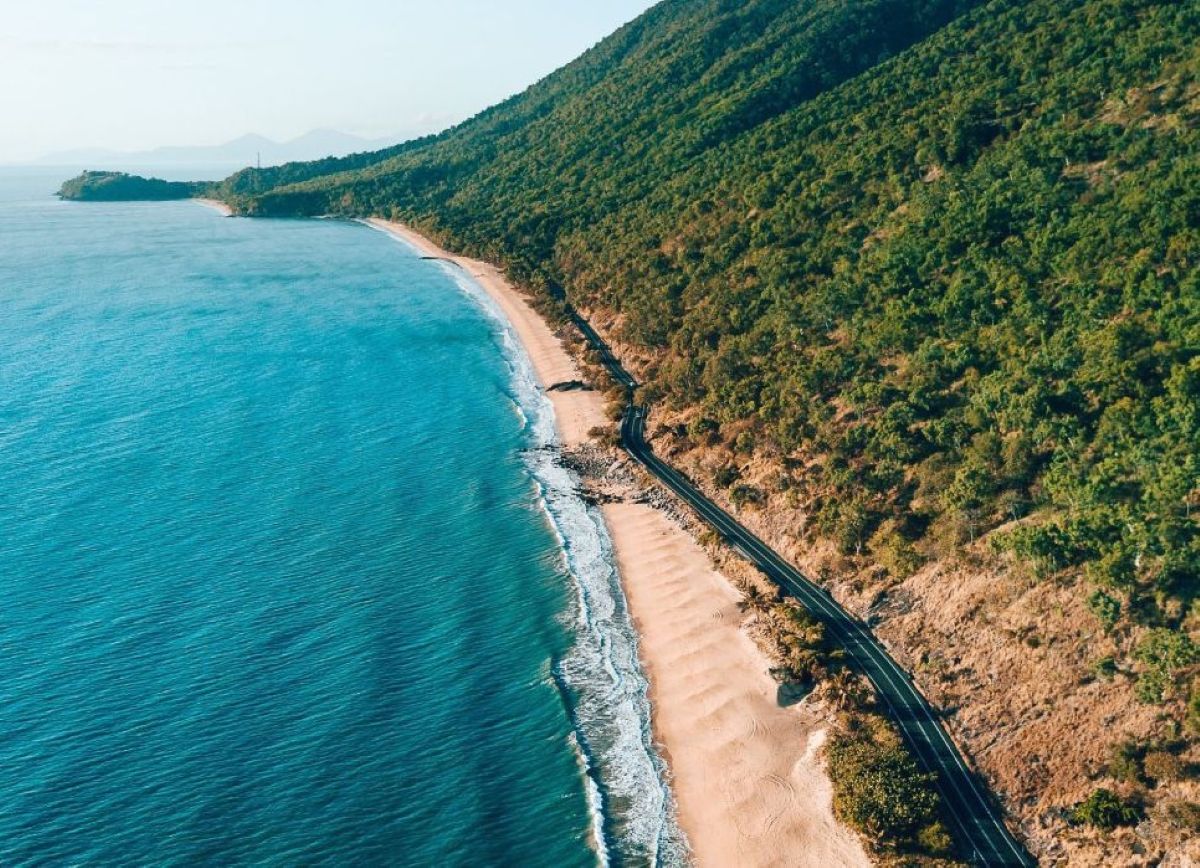
Image Credit queensland.com
I packed my bags year just to chase that unbeatable Queensland sunshine. Let me tell you watching this place reinvent itself has been nothing of magical. From the buzz of the city streets to the sea breeze crashing against golden shores something massive is shifting. Guided by visions iconic hubs, like Brisbane, Gold Coast, Cairns, Townsville and the Sunshine Coast are completely rewriting the rules of travel. They aren’t just welcoming visitors anymore; they are crafting experiences that pull at your heartstrings and supercharge travel sectors across Australia.
Advertisement
Advertisement
Why Is Brisbane Spearheading Urban Renewal and Mega-Event Tourism Across Capital Districts?
Brisbane is transitioning from a traditional stopover destination into a vibrant, world-class global lifestyle and cultural capital. Destination governance and organisational transformation are led by the Brisbane Economic Development Agency (BEDA), which operates as the city’s key economic and tourism engine, aligning closely with state frameworks like TEQ to drive high-yield business and leisure tourism.
Advertisement
Advertisement
The supercharging strategy relies heavily on major cultural and sporting infrastructure upgrades. The long-term extension of the NRL Magic Round at Suncorp Stadium through 2032 and the massive success of locally-born global phenomena like Bluey’s World—which generated over $156 million and drew more than 500,000 visitors, now extended to February 2028—have completely transformed urban tourism. Furthermore, the staging of exclusive international acts—such as Sting’s original musical The Last Ship at the Queensland Performing Arts Centre (QPAC)—demonstrates Brisbane’s pivot toward high-value cultural tourism, injecting immense economic value into local hospitality networks.
How Does the Gold Coast Balance Mass Appeal with Digital Integration in Coastal Regions?
Advertisement
Advertisement
As Australia’s premier playground, the Gold Coast is redefining its tourism architecture to balance mass-market appeal with specialized, high-yield niches. Destination governance is championed by Destination Gold Coast (DGC), which works alongside local industry operators to restructure marketing around data-driven personalization and sustainable destination management.
The supercharging strategy anchors future growth in major international events and accessibility upgrades. The Gold Coast is a core co-host for the upcoming 2026 Rugby League World Cup matches at Cbus Super Stadium and is preparing to host the 2027 World Archery Para Championships, serving as a critical qualifier for the Los Angeles 2028 Paralympics. These high-octane events are paired with continuous investments in smart-destination infrastructure to manage visitor flows smoothly and maximize visitor expenditure across local business districts.
Advertisement
Advertisement
Why Are Cairns and Tropical North Queensland Championing Eco-Luxury and Cultural Integration?
Cairns and the Tropical North Queensland region are shifting paradigms toward deep sustainability, regenerative tourism, and First Nations cultural integration. Destination governance is driven by Tourism Tropical North Queensland (TTNQ), which oversees a network of specialized Local Tourism Organisations (such as Tourism Port Douglas Daintree and Tourism Atherton Tablelands), focusing heavily on decentralizing visitors across the broader region.
The supercharging strategy spearheads global ecotourism standards. Backed by partnerships with groups like Ecotourism Australia (headquartered in Queensland) and the Association of Marine Park Tourism Operators (AMPTO), Cairns is scaling up world-class Indigenous-led tourism experiences. This strategy protects the fragile Great Barrier Reef while capturing booming global demand for authentic, low-impact, high-value cultural immersion.
What Makes Townsville North Queensland’s Ultimate Premier Sports and Entertainment Hub?
Advertisement
Advertisement
Townsville is leveraging its strategic position as the gateway to North Queensland and Magnetic Island by scaling up major event hosting capabilities and infrastructure upgrades. Destination governance is led by Townsville Enterprise, which acts as the designated regional economic development and tourism organization, driving advocacy, infrastructure investment, and visitor attraction.
The supercharging strategy has firmly established Townsville as a premier northern sports and entertainment capital, anchored by the state-of-the-art Queensland Country Bank Stadium. The city has secured high-profile fixtures for the 2026 Rugby League World Cup (highlighted by major matchups like Australia versus Fiji). This targeted focus fills local hospitality networks, drives regional dispersal, and elevates North Queensland’s profile on international broadcasting channels.
How Is the Sunshine Coast Pioneering Wellness, Agritourism, and Regenerative Travel Trends?
The Sunshine Coast is steering away from traditional volume-based tourism, pivoting instead toward a sophisticated, nature-forward, and wellness-oriented visitor economy. Destination governance is spearheaded by Visit Sunshine Coast (VSC), which drives regional tourism strategies with a heavy emphasis on community alignment, local business accreditation (through QTIC programs), and low-carbon travel initiatives.
The supercharging strategy capitalizes on a burgeoning agritourism sector (represented via state bodies like Agritourism Queensland), boutique coastal luxury developments, and nature-based wellness trails. By integrating Sunshine Coast Airport expansion capabilities with targeted eco-certified experiences, the region successfully attracts conscious travelers looking for longer stays and deeper regional engagement.
Analyzing the Macro-Economic Scale and Multi-Billion Dollar Footprint of Queensland’s Thriving Visitor Economy
Advertisement
Advertisement
Tourism functions as an irreplaceable economic anchor across Queensland, generating a staggering forty-three billion five hundred million dollars in total visitor expenditure, which averages out to one hundred and nineteen million one hundred thousand dollars every single day. This immense economic momentum directly contributes thirty-seven billion six hundred million dollars toward the Gross State Product, underpinning financial security and regional prosperity from major metropolitan centers to remote coastal communities. Furthermore, the sector directly and indirectly provides two hundred and seventy-seven thousand filled jobs, supporting roughly one in every eleven working Queenslanders. More than ninety percent of the state’s sixty-five thousand tourism-related enterprises operate as small businesses, demonstrating that statewide visitor growth directly empowers local families, independent operators, and regional entrepreneurs.
The broader economic framework relies heavily on resilient employment pipelines and widespread micro-business participation that stretches far beyond primary capital city hubs. Over half of all tourism-related businesses operate outside the Brisbane region, ensuring that economic benefits are deeply decentralized across regional towns and coastal hamlets. Strategic state policies focus on safeguarding this immense labor force by streamlining administrative burdens and encouraging sustainable private investment, ensuring long-term financial resilience against external market shocks.
Decoding the Destination 2045 Master Blueprint and Its Bold Eighty-Four Billion Dollar Horizon
The Queensland Government’s landmark twenty-year strategic blueprint, known as Destination 2045, establishes an ambitious roadmap designed to double total visitor spending to eighty-four billion dollars over the next two decades. This comprehensive master framework is supported by a record four hundred and forty-six million dollars in new state funding allocations, creating a stable foundation to supercharge infrastructure development and accelerate global competitiveness. The strategic vision revolves around six core priorities: advancing sustainable ecotourism, establishing Queensland as the undisputed events capital, optimizing transport connectivity, expanding transformative visitor experiences, elevating global brand positioning, and future-proofing industry capabilities.
Industry leaders and regional stakeholders are actively encouraged to align their commercial strategies with these foundational pillars to capitalize on upcoming international spotlights and shifting consumer preferences. By dismantling regulatory red tape and fostering a pro-business environment, the state administration aims to unlock unprecedented private sector investment in tourism assets. This proactive approach guarantees that regional operators possess the administrative freedom and financial backing required to modernize their offerings and meet evolving global standards.
Examining Brisbane’s Seventeen Billion Dollar Urban Surge and Extraordinary International Milestones
Advertisement
Advertisement
Brisbane has firmly cemented its status as a world-class lifestyle and cultural capital, with its visitor economy surging to seventeen billion dollars on the back of soaring international interest. International visitor spending alone reached three billion six hundred million dollars, representing a remarkable fourteen-eight percent year-on-year increase driven heavily by key inbound markets such as the United Kingdom. Mega-drawcards like the globally celebrated Bluey’s World exhibition have transformed urban tourism metrics, generating over one hundred and fifty-six million dollars in economic impact and welcoming more than five hundred thousand enthusiastic visitors.
Urban renewal initiatives are further supercharged by exclusive cultural programming and high-profile sporting fixtures that draw affluent travelers seeking premium urban experiences. The long-term extension of major events at Suncorp Stadium, paired with exclusive theatrical productions like The Last Ship at the Queensland Performing Arts Centre, demonstrates the city’s sophisticated pivot toward high-yield cultural tourism. These calculated investments ensure that Brisbane maintains continuous momentum as it prepares to host billions of global viewers during the upcoming 2032 Olympic and Paralympic Games.
Unlocking the Gold Coast’s Smart-Destination Infrastructure and Global Sports Competitiveness Playbook
As Australia’s premier coastal playground, the Gold Coast is successfully modernizing its tourism architecture by blending high-volume appeal with data-driven smart-destination management tools. Regional authorities deploy advanced digital infrastructure to monitor visitor density, optimize traffic flows, and enhance traveler satisfaction across bustling beachfront precincts and hinterland sanctuaries. This technological integration ensures that rapid tourism growth coexists harmoniously with local community infrastructure and environmental preservation standards.
The city’s future growth is anchored securely in major international sporting events designed to attract high-yield visitors outside traditional peak holiday periods. Serving as a core co-host for upcoming marquee fixtures like the 2026 Rugby League World Cup matches at Cbus Super Stadium and the 2027 World Archery Para Championships elevates the Gold Coast’s international profile. These premier sporting showcases act as critical qualifiers for major global events like the Los Angeles 2028 Paralympics, drawing thousands of international athletes, support staff, and dedicated sports tourists.
Exploring Cairns and Tropical North Queensland’s Regenerative Reef Economics and Eco-Luxury Leadership
Advertisement
Advertisement
Cairns and the broader Tropical North Queensland region are pioneering a revolutionary shift toward deep environmental sustainability, regenerative tourism, and authentic First Nations cultural integration. Collaborative frameworks involving regional organizations and conservation bodies like the Association of Marine Park Tourism Operators are actively implementing zero-net-impact tourism models. These initiatives ensure that vulnerable marine ecosystems around the Great Barrier Reef remain pristine while continuing to welcome conscious global travelers seeking immersive ecological adventures.
Regional development strategies heavily emphasize decentralizing visitor traffic away from sensitive coral sites by promoting rich inland experiences across the Atherton Tablelands and Port Douglas Daintree regions. By scaling up world-class, Indigenous-led cultural tourism ventures, Cairns captures soaring international demand for low-impact, high-value heritage education. This balanced paradigm protects ancient rainforests and marine habitats while delivering substantial economic rewards to traditional custodians and local eco-operators.
Evaluating Townsville’s Northern Sports Capital Evolution and Strategic Regional Dispersal Framework
Townsville leverages its strategic position as the vibrant gateway to North Queensland and Magnetic Island by continuously expanding its major event hosting capacity and municipal infrastructure. Anchored by the state-of-the-art Queensland Country Bank Stadium, the city regularly records multi-million-dollar hospitality turnovers during high-profile entertainment and sporting spectacles. Securing major fixtures for the 2026 Rugby League World Cup, highlighted by blockbuster international matchups such as Australia versus Fiji, places Townsville firmly in the global broadcast spotlight.
Regional leaders utilize this intense sporting focus to drive effective visitor dispersal throughout northern Queensland, encouraging sports fans to explore inland wilderness areas and coastal islands. This strategic distribution alleviates urban congestion while filling regional accommodation networks, restaurants, and tour operator schedules throughout the off-peak calendar. Consequently, Townsville successfully balances robust economic expansion with the preservation of its trademark tropical laid-back lifestyle.
Investigating the Sunshine Coast’s Agritourism Expansion and Low-Carbon Regenerative Travel Transition
Advertisement
Advertisement
The Sunshine Coast is deliberately pivoting away from traditional volume-driven tourism models to cultivate a sophisticated, nature-forward, and wellness-oriented visitor economy. Backed by supportive Agritourism Queensland frameworks, local farmers and boutique operators are launching farm-gate trails, artisan food experiences, and secluded eco-lodges that appeal directly to discerning travelers. These offerings attract conscious explorers who prioritize extended lengths of stay and deep, meaningful engagement with local agrarian communities.
Environmental stewardship remains central to the region’s modernization, with local tourism organizations promoting low-carbon travel initiatives and strict business accreditation standards. By integrating regional airport capacity enhancements with eco-certified accommodation networks, the Sunshine Coast ensures sustainable growth that respects local community values. This forward-thinking approach positions the coastal haven as a benchmark for regenerative destination management across the entire Australian tourism landscape.
Analyzing Aviation Connectivity Rebound and Global Airline Seat Capacity Expansion Strategies
Restoring and expanding international airlift capacity stands as a cornerstone of Queensland’s strategy to superregulate inbound travel markets ahead of the 2032 Olympic and Paralympic Games. Targeted state investment funds have successfully secured direct route agreements with major international carriers, resulting in double-digit percentage growth across crucial visitor markets. For instance, key Asian markets like Japan have recorded surges reaching millions of visitor nights, while emerging European and North American routes continue to experience robust upward trajectories.
Collaborative aviation attraction initiatives between regional airports and tourism authorities ensure seamless long-haul connectivity directly into gateway cities like Brisbane, Cairns, and the Gold Coast. This enhanced global accessibility removes traditional travel friction, making it significantly easier for international tourists to explore multiple regional hubs during a single itinerary. By continuously optimizing airline seat capacity, Queensland safeguards its competitive edge in the highly lucrative global tourism marketplace.
The Rise of Astro-Tourism and Dark Sky Sanctuaries in Outback and Regional Queensland
Advertisement
Advertisement
Outback and regional Queensland are successfully capturing surging global demand for pristine nocturnal landscapes by establishing world-class stargazing infrastructure. Groundbreaking initiatives like the Jump-Up Dark Sky Sanctuary in Winton seamlessly combine daytime dinosaur canyon trails with multi-sensory night sky viewing, drawing extended-stay travelers away from crowded coastal strips. Regional tourism bodies actively partner with international astronomical networks to certify dark sky preserves, reducing artificial light pollution and creating high-yield, low-impact nocturnal itineraries that diversify regional economies past sunset.
Premium Culinary Tourism and Native Ingredient Traceability Networks Across Regional Hubs
Modern consumer behavior shifts heavily toward food traceability, prompting dining venues across Cairns, the Sunshine Coast, and Brisbane to integrate native ingredients and authentic local sourcing. Regional hospitality networks now feature indigenous bush foods like Davidson plums and lemon myrtle alongside hyper-local farm-gate produce, satisfying tourists seeking genuine gastronomic storytelling. These collaborative culinary trails serve as primary conversion tools, increasing visitor length-of-stay and maximizing dining expenditure across local producer cooperatives.
Cliffside Adventure Parks and Extreme Nature-Based Adrenaline Tourism in the Hinterland
Queensland continues to expand world-first adventure infrastructure within protected hinterland and ancient rainforest ecosystems to attract high-yield thrill-seekers. The introduction of high-end adrenaline offerings—such as the Happitat cliffside adventure park in the Gold Coast hinterland featuring 200-metre ziplines, via ferrata climbing routes, and suspended rope bridges over Gondwana Rainforests—provides scalable, low-footprint thrills. These developments rely on private-public environmental management models, allowing eco-engineered structures to connect visitors directly with nature without compromising World Heritage conservation values.
Off-the-Grid Island Treks and Capped-Number Wilderness Expedition Tourism
Advertisement
Advertisement
Environmental preservation is successfully managed through strict visitor caps and fully supported, Indigenous-guided multi-day hiking expeditions across fragile island habitats. High-profile trail integrations—such as the Ngaro Track in the Whitsundays developed alongside the Ngaro People and guided treks along the Thorsborne Trail on Hinchinbrook Island—rely on restricted visitor numbers and purpose-built low-impact camps. Commercial expedition partners work closely with traditional land custodians to deliver immersive, low-density walking tourism that prioritizes ecological health and authentic cultural education over mass-market volume.
Bleisure Travel Convergence and the Redesign of Hybrid Hospitality Spaces
Urban and coastal properties are rapidly adapting hotel and resort infrastructure to accommodate the surging crossover between corporate business travel and remote leisure. Industry metrics indicate that over seventy-six percent of Asia-Pacific business travelers now combine work with leisure trips, driving a massive design shift across hotel lobbies, co-working lounges, and shared social areas. Urban properties in Brisbane and regional coastal hubs are retrofitting these common spaces to function as high-performance workspaces by day and vibrant entertainment venues by night, capturing higher average daily rates and extended booking windows.
The Final Verdict
Leaving Queensland always feels like leaving a part of your heart beneath a golden sky. Watching Brisbane, the Gold Coast, Cairns, Townsville and the Sunshine Coast pour their hearts into ideas is truly inspiring. This is not about new travel ads or shiny buildings; it is, about keeping the magic of our natural wonders alive and welcoming each traveler like a family member. Seeing Brisbane, the Gold Coast, Cairns, Townsville and the Sunshine Coast step boldly into the future makes you wish to return before you even board your flight home.
Frequently Asked Questions
Advertisement
Advertisement
What is the primary master framework guiding Queensland’s tourism transformation?
Queensland’s tourism evolution is guided by Destination 2045: Delivering Queensland’s Tourism Future, a 20-year master strategic plan supported by a record $1 billion state investment package designed to make Queensland a global tourism leader.
How are local cities preparing for the Brisbane 2032 Olympic and Paralympic Games?
Cities across the state—including Brisbane, the Gold Coast, and the Sunshine Coast—are fast-tracking transport infrastructure, expanding airport capabilities, upgrading sporting stadiums, and modernizing destination governance organizations to handle international visitor influxes.
What role do regional tourism organizations play in Queensland?
Entities like BEDA, Destination Gold Coast, TTNQ, Townsville Enterprise, and Visit Sunshine Coast align local marketing, infrastructure investments, and sustainability mandates with state-level directives from Tourism and Events Queensland (TEQ).
Advertisement
