
Boston Joins Atlantic City, Hilo and More US Cities to Face Flooding, Damaging Winds and Travel Chaos as Hurricane Nolo Brings Heavy Rains

Published
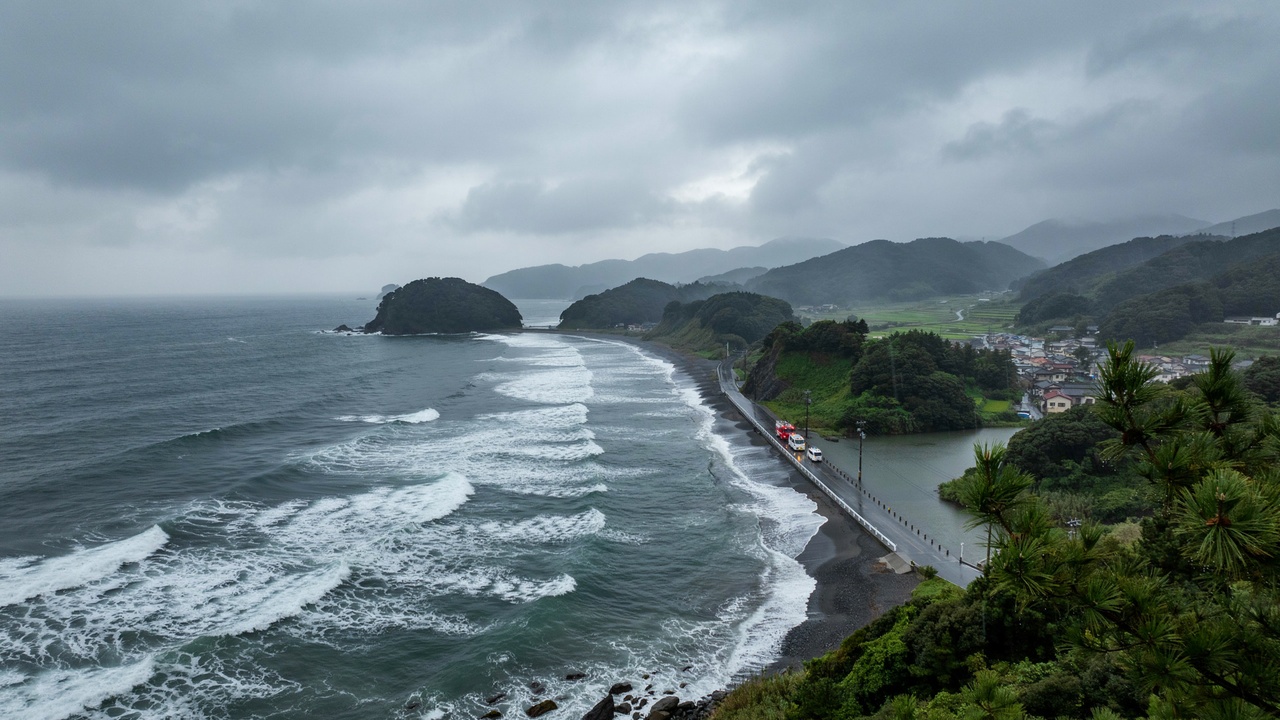
Image generated with Ai
Boston joins Atlantic City, Hilo and more US cities facing flooding, damaging winds and travel chaos as Hurricane Nolo brings heavy rains across parts of the United States. Meanwhile, coastal communities continue to monitor dangerous water levels, strong gusts and transport disruption.
A powerful nor’easter brought flooding, damaging waves, road closures and widespread power cuts across the US Northeast, disrupting travel during the weekend. At the same time, Hurricane Nolo pushed heavy rain towards Hawaii, flooding roads and threatening transport links.
Advertisement
Advertisement
Further south, Hurricane Polo approached Mexico after reaching Category 5 strength, raising concerns over dangerous winds, storm surge and flash flooding. Meanwhile, a separate wildfire forced evacuations on Maui, while scientists monitored volcanic activity on the Big Island. Adding to the unusual weather picture, the Atlantic’s “zombie storm” Fay returned before weakening, and Tropical Storm Hanna formed on Monday.
Nor’easter Disrupts Travel Across the Northeast
The first major weather event to affect travellers was the season’s first nor’easter, which battered parts of the Northeast with powerful winds, coastal flooding and large waves.
Advertisement
Advertisement
More than 200,000 electricity customers lost power during the storm, adding another layer of disruption for residents, businesses and visitors. The storm also produced dangerous conditions along exposed coastal communities, where repeated high tides prevented floodwater from draining quickly.
In New York City, a New York City Housing Authority employee was killed after a falling tree struck him on Saturday. The incident highlighted the dangers created by strong winds even away from the immediate coastline.
Advertisement
Advertisement
For travellers, the wider impact extended beyond individual communities. Flooded roads, coastal erosion, damaged infrastructure and electricity outages can affect road transport, public services, accommodation and local tourism operations.
Hurricane Nolo — Passing West of Hawaii
Hurricane Nolo is not forecast to make a direct landfall on the main Hawaiian Islands. As of the latest National Weather Service information, Nolo is several hundred miles west-southwest of Honolulu and is moving north-westward. It is expected to weaken while passing west of Kauai before moving away from Hawaii later in the week.
The current path means the western Hawaiian Islands, particularly Kauai, Oahu and Niihau, can still experience enhanced tropical moisture, showers and gusty winds even though the hurricane’s centre remains offshore. The National Weather Service expects increased rainfall over Kauai and Niihau, followed by Oahu, before conditions gradually become drier towards the weekend.
US destinations along or near the affected area:
- Hilo / Hawaiʻi Island — heavy rain impacts already occurred
- Kailua-Kona / Hawaiʻi Island
- Honolulu / Oahu
- Kauai
- Niihau
Most important travel point: Nolo’s centre is moving away from the main islands, but tropical moisture and unsettled weather can continue after the hurricane itself has passed.
New Jersey Sees Major Coastal Flooding and Rescues
New Jersey experienced some of the most serious coastal flooding associated with the nor’easter.
Advertisement
Advertisement
Water surrounded homes and submerged roads along the Jersey Shore, prompting emergency responders to carry out numerous rescues. In Sea Bright, first responders reported about 90 rescues on Saturday as seawater entered residential areas.
The Route 72 bridge serving Long Beach Island was also closed because of flooding. Meanwhile, wind gusts reached 74 mph on Long Beach Island, while more than 69,000 New Jersey customers lost electricity.
Such conditions create immediate problems for tourism. Coastal hotels, restaurants, attractions and transport operators can face temporary closures, while travellers may encounter road restrictions and delays even after the worst weather has passed.
North Carolina Highway Damage Threatens Outer Banks Access
North Carolina’s Outer Banks also suffered significant damage as persistent onshore winds pushed seawater across exposed sections of the coast.
Parts of N.C. Highway 12 were closed after ocean overwash damaged the road. An initial assessment identified approximately 1,000 feet of undermined or broken roadway near the Pea Island Visitor Center.
Highway 12 is an important transport link for communities and visitors travelling across the Outer Banks. Its disruption therefore has consequences beyond commuting, affecting tourism, deliveries and access to Hatteras Island.
Advertisement
Advertisement
An emergency ferry service, which had not been used for nearly 13 years, was brought back into operation to transport people and supplies between Hatteras Island and mainland North Carolina.
The return of the ferry demonstrates how severe coastal weather can force destinations to reactivate alternative transport infrastructure when roads become unsafe or impassable.
Virginia’s Hampton Roads communities also continued to deal with flooding. In some neighbourhoods, water had insufficient time to drain before another high tide arrived, prolonging disruption.
Nor’easter Erosion Reveals Possible 1884 Shipwreck
The storm also produced an unexpected historical discovery on Nantucket.
Erosion along the island’s southern shore exposed wooden wreckage believed to belong to the Warren Sawyer, a schooner that ran aground in December 1884.
The newly exposed remains illustrate how extreme coastal conditions can dramatically reshape beaches and reveal material that has remained buried for generations.
Advertisement
Advertisement
For destinations such as Nantucket, coastal erosion is therefore not simply an environmental issue. It can also affect cultural heritage, visitor access and archaeological sites, particularly when major storms remove large quantities of sand.
Hurricane Nolo Brings Heavy Rain and Flooding to Hawaii
While the Northeast dealt with its nor’easter, Hawaii faced another major weather threat from Hurricane Nolo.
Nolo strengthened into a Category 4 hurricane on Sunday while remaining south of Hawaii. Although the centre of the storm stayed offshore, its wider circulation brought substantial impacts to the islands.
Three-day rainfall totals exceeded 17 inches at some locations on the Big Island. Heavy rainfall flooded roads, while high winds forced the closure of Kohala Mountain Road.
Statewide power outages exceeded 16,000 early Sunday, creating additional challenges for communities and the tourism sector.
Hawaii relies heavily on tourism, making the condition of roads, electricity networks and major transport corridors particularly important for visitors. Flooding can also affect access to accommodation, beaches, attractions and airports, even when a storm does not make a direct landfall.
Advertisement
Advertisement
Maui Wildfire Adds Another Layer of Disruption
Hawaii was simultaneously dealing with a separate emergency on Maui.
A brush fire broke out near Olowalu Village on Saturday, triggering evacuations and temporarily closing Honoapiʻilani Highway.
The combination of flooding, hurricane-related weather and wildfire conditions created a complex operating environment for emergency services and travellers.
Some Hawaiian communities were also continuing their recovery from earlier hurricanes Lala and Lowell, meaning the latest weather threats arrived while parts of the islands were still dealing with previous impacts.
On the Big Island, scientists from the Hawaiian Volcano Observatory continued monitoring Kīlauea after venting activity was observed ahead of Nolo’s close approach.
The situation demonstrates how multiple natural hazards can overlap in a destination that is simultaneously managing tourism, emergency response and infrastructure resilience.
Advertisement
Advertisement
Hurricane Polo Heads Towards Mexico After Category 5 Strength
Hurricane Polo added another major element to the Pacific weather picture.
Polo had previously reached Category 5 strength, with maximum sustained winds of 180 mph on Friday. Although the hurricane weakened afterwards, it remained a significant threat to north-western Mexico.
The storm made its first landfall in Baja California Sur as a Category 2 hurricane, with another landfall on mainland Mexico expected. Forecasters warned of damaging winds, life-threatening storm surge and flash flooding.
These hazards can have direct consequences for coastal communities and tourism destinations. Airports, roads, hotels, ports and excursion operators may all face operational disruption when strong winds, flooding or storm surge affect a destination.
Travellers in affected areas should therefore monitor official emergency instructions and transport updates rather than relying solely on normal journey schedules.
Hurricane Polo Triggers Mexico Travel Alerts as Hawaii Monitors Nolo and Boston Recovers From Nor’easter
Severe weather continues to reshape travel conditions across parts of North America, with Hurricane Polo, Hurricane Nolo and the aftermath of a powerful nor’easter creating different levels of disruption for travellers. While Mexico faces the most immediate tropical-storm-related travel concerns, Hawaii continues to monitor Nolo-related rain and surf, and Boston is dealing with lingering flooding and airport operational issues.
Advertisement
Advertisement
Where Is Hurricane Polo Affecting Travel?
Hurricane Polo is currently the most significant active travel concern for Mexico. The storm crossed the Gulf of California after affecting Baja California Sur and was moving towards Sonora, where heavy rainfall could trigger flooding and road closures.
The US Embassy’s Consulate General in Hermosillo issued a weather alert on September 29, warning about significant rainfall associated with Polo. Travellers in Sonora were advised to remain alert to changing conditions, particularly because flooding can quickly make roads impassable.
The UK Foreign, Commonwealth & Development Office has also updated its Mexico travel advice in connection with the hurricane, highlighting the potential effects of severe weather on travel and infrastructure.
For visitors travelling through Baja California Sur, Sinaloa or Sonora, road conditions, accommodation arrangements and transport schedules should therefore be checked before departure.
Mexico Faces Flooding and Road Disruption Risks
The biggest concern for tourism in Mexico is not simply strong winds but the combination of heavy rain, flash flooding and transport disruption.
Flooding can affect highways linking resort areas with airports and towns, while local roads can become unsafe within a short period. Travellers who are already in affected areas may also experience changes to excursions, transfers and intercity transport.
Advertisement
Advertisement
Airlines and hotels may continue operating normally in some locations while nearby communities face serious flooding. This makes checking conditions at the precise destination particularly important rather than relying on a general national weather forecast.
Polo’s remnants are also expected to move towards the southwestern United States, potentially bringing additional rainfall after crossing Mexico.
Hawaii Continues to Monitor Hurricane Nolo
Hawaii faces a different situation as Hurricane Nolo moves west of the main islands.
The National Hurricane Center has placed Nolo hundreds of miles west of Honolulu, with the system moving north-westward. Although the hurricane’s centre is not expected to make a direct landfall on the main Hawaiian Islands, its rain bands can continue to influence local weather.
The Hawaii Tourism Authority has advised visitors to continue checking with airlines and accommodation providers. Additional showers are possible across Kauaʻi and Oʻahu, while high surf remains another concern.
For travellers, the main risks include heavy rainfall, strong winds, rough ocean conditions and local road disruption.
Advertisement
Advertisement
Honolulu and Kauaʻi Remain Relevant to Travellers
Honolulu remains operational as a major international tourism gateway, but travellers should continue monitoring weather updates before heading to beaches, hiking areas or other outdoor attractions.
Kauaʻi is particularly relevant because Nolo’s moisture can bring additional rainfall even as the hurricane’s centre stays offshore. Heavy rain can create localised flooding and affect mountain roads and outdoor activities.
Visitors should therefore distinguish between the overall condition of Hawaii’s tourism infrastructure and localised weather hazards. A destination can remain open while individual roads, beaches, trails or attractions temporarily close because of weather.
Boston Moves Into Storm Recovery
Boston and other parts of the Northeast are now in a different phase of the weather event.
The powerful nor’easter that caused flooding, strong winds and widespread disruption has moved away, but residual coastal flooding and infrastructure problems continue to affect travel.
Boston Logan International Airport has experienced operational pressure following weather-related delays to fuel deliveries. Airlines have taken measures to maintain operations, but travellers may still encounter delays or schedule changes.
Advertisement
Advertisement
The storm previously caused extensive flight cancellations and disruption across the Northeast, affecting airports in Boston, New York and surrounding areas.
New York and Atlantic City Face Lingering Impacts
New York City and Atlantic City are also primarily dealing with the aftermath rather than the core of the nor’easter.
Coastal flooding, damaged infrastructure and waterlogged roads can continue to affect travel after the strongest winds have passed. Atlantic City, with its exposed barrier-island location, remains particularly sensitive to coastal flooding and beach erosion.
New York-area airports, including LaGuardia and Newark, also experienced weather-related disruption during the storm. Travellers should therefore verify flight status directly with airlines rather than assuming that schedules have completely returned to normal.
California Moves Sea Turtle Eggs Ahead of Coastal Impacts
The effects of Polo also extended to California, where conservation teams worked to protect approximately 200 olive ridley sea turtle eggs.
Two olive ridley sea turtles had laid the first recorded nests of their kind in California during the previous week. The eggs were moved from historic coastal nesting locations because of concerns about the approaching storm and its potential impact on the shoreline.
Advertisement
Advertisement
The unusual event links extreme weather with wildlife conservation. Coastal storms can rapidly alter beaches through erosion, wave action and flooding, creating risks for vulnerable nests and other coastal ecosystems.
For tourism destinations, such incidents also underline the importance of balancing visitor activity with environmental protection and emergency conservation measures.
Atlantic Weather Takes Another Turn with Fay and Hanna
The Atlantic added further complexity to the weekend weather pattern.
Tropical Storm Fay entered the weekend after an unusual revival. The system had lost its tropical characteristics before reorganising and regaining tropical storm status, leading to the unofficial description of a “zombie storm”.
By Monday, Fay had weakened into a tropical depression.
Another system then formed. Tropical Storm Hanna developed late Monday morning approximately 850 miles northeast of Bermuda, becoming the Atlantic season’s eighth named storm.
Advertisement
Advertisement
Hanna had sustained winds of 45 mph and was moving east. Forecast information indicated that direct impacts on the United States were not expected.
The development nevertheless shows how quickly the Atlantic weather pattern can change during an active tropical season.
What Comes Next for Travellers?
The immediate priority for travellers is to monitor local weather alerts, transport notices and emergency instructions in areas affected by flooding, hurricanes or coastal storms.
The Northeast was expected to experience improving conditions as the nor’easter moved away, although coastal flooding could continue in locations where water remained slow to drain.
Road conditions may also take longer to return to normal than the weather itself. Damaged highways, flooded streets and infrastructure inspections can keep routes closed after winds and rainfall have eased.
In Hawaii and Mexico, the situation remained more dependent on the evolution and movement of tropical systems. Travellers should check directly with airlines, airports, hotels and local authorities before travelling through affected areas.
Advertisement
Advertisement
Why This Weather Pattern Matters for Travel
The weekend’s events demonstrate the growing operational importance of weather resilience for the travel industry.
Coastal destinations face several simultaneous risks, including storm surge, erosion, flooding and high winds. At the same time, inland transport networks can be disrupted by fallen trees, power failures and damaged roads.
The events across the Northeast, Hawaii, Mexico and California also show that different hazards can occur simultaneously. A traveller may encounter a hurricane threat, wildfire evacuation, flooded highway or infrastructure closure within the same wider regional weather pattern.
For tourism businesses, preparedness increasingly involves backup transport arrangements, emergency communications, flexible booking policies and close coordination with local authorities.
For travellers, flexibility is equally important. Checking conditions shortly before departure, allowing additional travel time and understanding alternative routes can reduce the risk of being caught in rapidly changing conditions.
The weekend’s extreme weather created a complex travel picture across the United States, Hawaii and Mexico. The nor’easter flooded coastal communities, damaged roads and left more than 200,000 customers without power, while Hurricane Nolo brought heavy rainfall, flooding and outages to Hawaii. Hurricane Polo added another major threat as it approached and struck parts of Mexico, while California conservation teams protected sea turtle eggs from coastal impacts. Meanwhile, wildfire and volcanic monitoring added further challenges in Hawaii, and Atlantic systems Fay and Hanna kept forecasters busy.
Advertisement
Advertisement
What Travellers Should Do Now
The current weather picture requires travellers to treat each destination separately.
Those travelling to Mexico should monitor official hurricane information, local authorities and transport operators, particularly in Sonora and other areas affected by Polo. Visitors should avoid flooded roads and reconsider non-essential journeys if authorities issue warnings.
In Hawaii, travellers should check airline and hotel updates while monitoring rainfall, surf and local road conditions. Outdoor activities may require additional caution even if airports remain operational.
In Boston and the wider Northeast, the priority is checking for residual flooding, airport delays and road restrictions as communities recover from the nor’easter.
The key message for travellers is simple: the storms are not producing identical risks everywhere. Mexico faces the most immediate hurricane-related disruption from Polo, Hawaii continues to experience Nolo-related weather, while Boston and the Northeast are moving through recovery. Conditions can change quickly, making official alerts and direct transport updates essential before and during any journey.
Advertisement
