
New Caledonia Travel Update Draws Attention After Loyalty Islands Earthquake Without Visitor Impact

Updated
Published
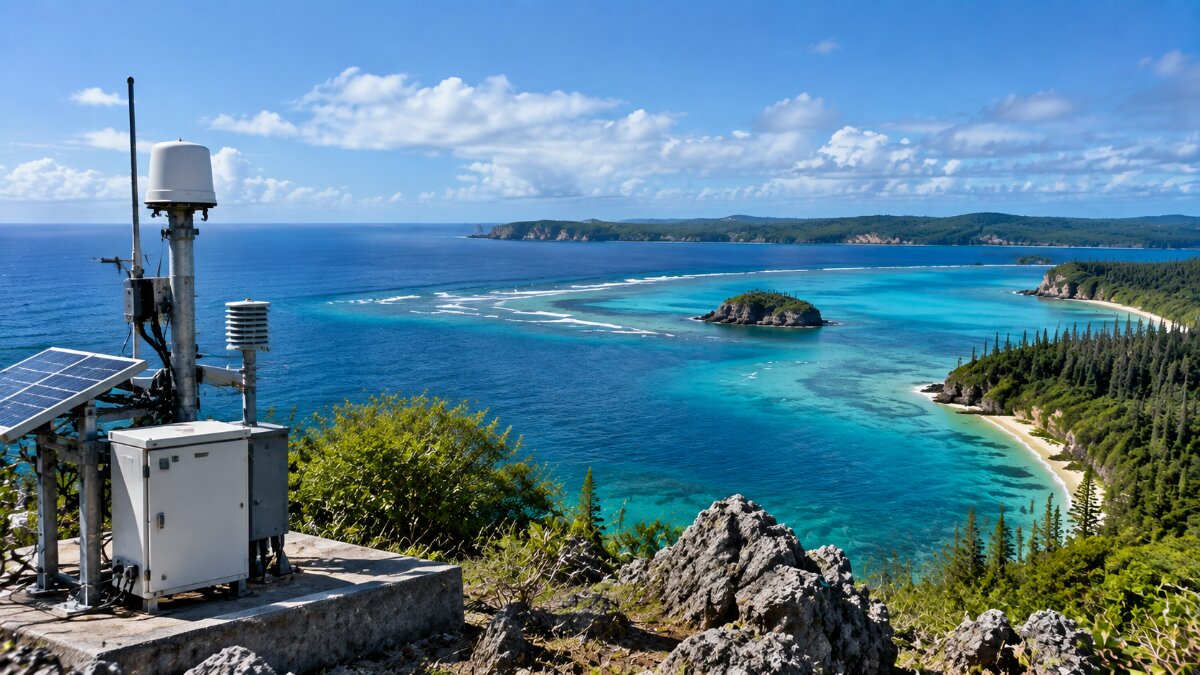
Image generated with Ai
A major offshore earthquake near New Caledonia’s Loyalty Islands has placed destination safety monitoring at the centre of traveller concerns after a magnitude 7.0 seismic event struck the region. The Pacific Tsunami Warning Center confirmed that there was no tsunami warning, advisory, watch or threat following the earthquake, while authorities continued monitoring the possibility of aftershocks. For international visitors, airlines, tour operators and travel advisers, the immediate message is that New Caledonia remains accessible, but travellers should continue following official safety updates before and during journeys.
The earthquake occurred at 21:23 UTC on 25 September 2026 near the Loyalty Islands, in one of the Pacific’s most active seismic zones. Official tsunami monitoring data recorded the earthquake at magnitude 7.0, with a depth of approximately 17 kilometres. The event was located near the Loyalty Islands region of New Caledonia, prompting international monitoring because of the area’s exposure to offshore seismic activity.
Advertisement
Advertisement
New Caledonia Travel Alert Focuses On Visitor Safety Rather Than Tourism Shutdown
The latest development is not a tourism closure event but a destination risk-management alert. The absence of a tsunami threat and the lack of confirmed major infrastructure impacts mean the travel industry focus has shifted towards preparedness, communication and responsible visitor guidance.
For travellers planning trips to New Caledonia, the most important considerations are not widespread disruption but awareness of local conditions, emergency procedures and official updates. Earthquakes in island destinations can affect coastal confidence even when transport networks and tourism facilities continue operating normally.
Advertisement
Advertisement
| Travel Area | Current Status | Traveller Consideration |
|---|---|---|
| Tsunami threat | No warning, advisory, watch or threat issued | Normal travel planning can continue while monitoring updates |
| International arrivals | No confirmed disruption reported | Travellers should check airline information before departure |
| Hotels and resorts | No confirmed widespread damage reported | Visitors should follow property safety guidance |
| Coastal activities | Monitoring advised | Operators may adjust activities if local conditions change |
| Future aftershocks | Possible following major earthquakes | Visitors should remain aware of emergency information |
The travel industry response to seismic events increasingly depends on accurate information rather than immediate cancellation decisions. For destinations located across the Pacific, maintaining confidence through transparent updates has become an essential part of tourism resilience.
Loyalty Islands Earthquake Highlights Pacific Destination Risk Management Challenge
New Caledonia sits within the wider Pacific seismic environment, where tectonic movement between major plates creates frequent earthquake activity. The Loyalty Islands are particularly exposed because of their location near complex underwater geological structures.
Advertisement
Advertisement
The latest event reinforces why island destinations require strong emergency communication systems. For tourism operators, the ability to provide rapid updates to visitors, coordinate with authorities and maintain clear evacuation procedures is becoming a core operational requirement.
The earthquake also highlights a wider challenge for Pacific tourism markets. Many island destinations depend heavily on international visitors who may have limited familiarity with local emergency systems. Clear travel advisories therefore play a crucial role in preventing unnecessary disruption while ensuring visitor safety.
New Caledonia Tourism Infrastructure Remains Under Monitoring After Offshore Seismic Event
New Caledonia’s tourism sector relies on a combination of coastal resorts, marine experiences, domestic transport links and international aviation access. The Loyalty Islands, including popular island destinations around Maré and surrounding areas, attract visitors seeking beaches, diving, cultural experiences and nature-based tourism.
Because the earthquake occurred offshore, the immediate operational priority is monitoring rather than recovery. Offshore earthquakes can create different levels of impact depending on magnitude, depth, tsunami generation potential and proximity to populated areas.
According to the Pacific Tsunami Warning Center assessment, the earthquake did not create a tsunami threat requiring action. This significantly reduced the immediate risk to coastal tourism operations across the Pacific region.
| Key Earthquake Information | Official Details |
|---|---|
| Destination affected | New Caledonia Loyalty Islands |
| Event time | 21:23 UTC, 25 September 2026 |
| Magnitude | 7.0 |
| Depth | 17 kilometres |
| Main monitoring concern | Potential tsunami and aftershock activity |
| Tsunami outcome | No tsunami threat issued |
Travel Agents And Tour Operators Need Updated New Caledonia Risk Guidance
For travel advisers selling Pacific holidays, the latest event demonstrates the importance of real-time destination intelligence. Travellers increasingly expect agencies to provide not only booking support but also accurate safety information during unexpected events.
Advertisement
Advertisement
The correct industry approach is communication without unnecessary alarm. A major earthquake does not automatically indicate a destination closure. Instead, operators should assess transport availability, accommodation conditions and official safety announcements.
Tour operators handling New Caledonia itineraries should maintain contact with local partners and ensure travellers understand emergency procedures. This is particularly important for island destinations where transport options can be more limited compared with larger urban tourism markets.
Recommended operational checks include:
- Confirming official safety updates before departure.
- Advising travellers to keep emergency contacts available.
- Monitoring airline and airport information.
- Maintaining communication with local accommodation providers.
- Reviewing contingency plans for island transfers and marine activities.
Why The New Caledonia Earthquake Matters For Pacific Tourism Recovery And Growth
The earthquake arrives at a time when Pacific destinations continue strengthening their tourism resilience strategies. Natural events remain one of the biggest external factors affecting island economies because tourism demand depends heavily on visitor confidence.
However, modern destination management increasingly focuses on preparedness rather than avoidance. International travellers are becoming more familiar with climate, weather and geological risks, while tourism organisations are improving crisis communication systems.
For New Caledonia, maintaining visitor confidence after a seismic event is closely connected with the speed and accuracy of official information. A transparent response can help reduce uncertainty among travellers, airlines, cruise operators and international tourism partners.
Advertisement
Advertisement
The event also reinforces the importance of sustainable tourism planning across Pacific destinations. Infrastructure investment, emergency preparedness and digital communication systems are becoming essential components of long-term tourism competitiveness.
Critical Travel Industry Takeaways After New Caledonia Earthquake
Travel agents, tour operators and destination partners should consider the following operational priorities:
- Monitor official New Caledonia and Pacific emergency updates before confirming traveller guidance.
- Avoid unnecessary cancellations unless authorities or operators identify direct impacts.
- Inform visitors about possible aftershocks following significant earthquakes.
- Maintain flexible itinerary planning for island activities.
- Confirm coastal excursion operations with local providers.
- Encourage travellers to follow accommodation safety procedures.
- Keep emergency communication channels active throughout visitor stays.
The New Caledonia earthquake currently represents a travel alert and monitoring situation rather than a tourism disruption crisis. The long-term impact will depend on aftershock activity, infrastructure assessments and continued official communication. For global travel markets, the event underlines a growing industry reality: destination resilience, safety communication and crisis preparedness are now central factors shaping traveller confidence in island tourism.
New Caledonia Travel Outlook
The Loyalty Islands earthquake has reinforced the importance of real-time safety communication and preparedness across Pacific destinations. With no tsunami threat issued and no immediate major tourism disruption reported, New Caledonia continues to remain accessible for travellers while authorities monitor ongoing conditions. The event highlights the need for travel operators and visitors to rely on verified updates and maintain awareness when travelling to naturally active island regions.
Advertisement
