
South Korea Updates Digital Nomad Visa Rules As Seoul Draws Global Travellers
Published
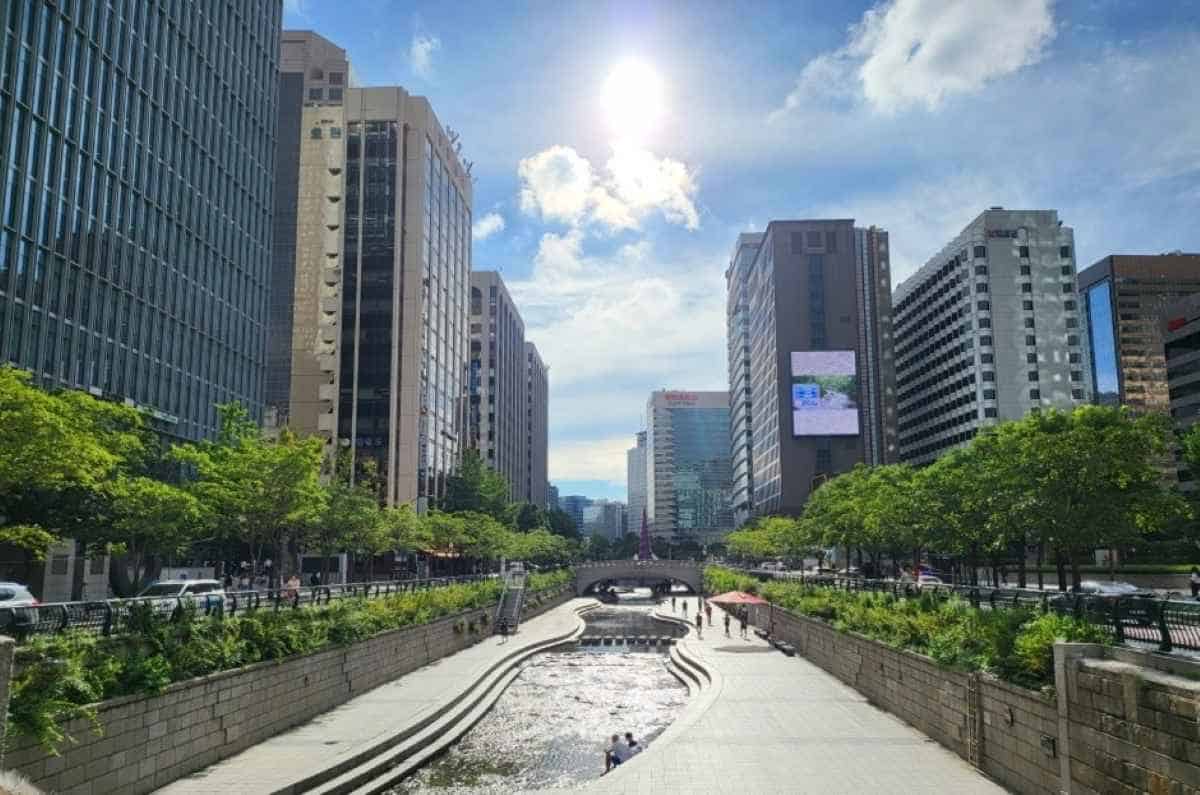
Both South Korea and its capital city, Seoul, continue to improve the country’s immigration system, which is designed for foreign visitors, remote professionals, and business travellers, as more digital services are provided by the government of the country and some changes take place regarding the F-1-D Digital Nomad or Workation Visa. This particular visa was created to help overseas entrepreneurs and employees of international firms live in South Korea working remotely on behalf of their overseas enterprises. This visa became one of the tools that the country uses to attract foreign visitors while adhering to certain immigration requirements regarding employment. From the perspective of the traveller, this information is important since South Korea now provides two different types of travel experiences for foreigners, namely short-term visits based on visiting places such as Seoul, Busan, and Jeju and long stays for qualified remote professionals.
F-1-D Connects Work With Extended Travel
The Digital Nomad Visa is designed for overseas business owners and employees affiliated with international companies who can work remotely.
Advertisement
Advertisement
Applicants must meet specific professional, income, insurance and documentation requirements. The original framework set the financial threshold at more than twice the previous year’s Korean GNI per capita, with the income figure therefore changing as national economic data is updated.
The Ministry of Justice has since moved the scheme into formal operation after its initial pilot period, with changes including adjustments to income requirements and the permitted period of stay.
Advertisement
Advertisement
The income figure cited in the supplied September 2026 development should therefore be checked against the latest Ministry of Justice application guidance before travellers make financial or visa decisions. The official framework remains tied to the relevant GNI calculation rather than a permanently fixed amount.
Seoul Becomes A Natural Workation Base
For eligible remote professionals, Seoul offers an unusually broad combination of business infrastructure and tourism experiences.
Advertisement
Advertisement
The capital brings together high-speed connectivity, extensive public transport, cafés, cultural venues, shopping districts and an international hospitality sector.
A longer stay also changes how travellers experience the city. Instead of concentrating sightseeing into a few days, visitors can explore neighbourhoods such as Insadong, Ikseon-dong, Hongdae and Seongsu between working hours.
Advertisement
Advertisement
Weekend trips can then extend the experience beyond the capital.
Beyond Seoul For Longer Stays
South Korea’s relatively compact geography allows digital nomads and long-stay visitors to combine urban and regional travel.
Busan offers beaches, seafood markets, coastal walks and cultural attractions, while Jeju Island provides a contrasting environment of volcanic landscapes, hiking routes, villages and coastal scenery.
Travellers can also explore historic destinations such as Gyeongju, where ancient Silla heritage sites provide a very different experience from Seoul’s modern cityscape.
Advertisement
Advertisement
The F-1-D framework is therefore relevant to tourism beyond the capital because a longer permitted stay gives eligible visitors more time to distribute their travel across several regions.
K-ETA Remains Important For Short Visits
Alongside the long-stay visa framework, South Korea continues to operate the Korea Electronic Travel Authorization, or K-ETA, for nationals of countries that require it for visa-free entry.
The K-ETA is not a visa. Eligible visa-free travellers must obtain approval before boarding, while the final decision on entry remains with an immigration officer at the border.
South Korea has also extended a temporary K-ETA exemption for eligible countries and regions through 31 December 2026. Travellers covered by the exemption do not need to apply for K-ETA during the exemption period, although they may voluntarily apply to receive associated benefits such as exemption from submitting an arrival card.
This means visitors should check their nationality-specific status rather than assuming that every visa-waiver traveller follows the same process.
Autumn Business Travel Adds Another Layer
Seoul’s autumn calendar brings together tourism, exhibitions, conferences and international business events, creating additional demand for efficient entry procedures.
Advertisement
Advertisement
For short-term business visitors, the distinction between K-ETA eligibility, temporary exemption and visa requirements is particularly important. Conference participation does not automatically create a separate immigration category, so travellers should match their planned activities with the appropriate entry rules.
Those considering longer workations face a different set of requirements under the F-1-D system.
What Travellers Should Prepare
Visitors should check their passport eligibility, intended purpose of travel, length of stay and current immigration requirements before booking.
Digital nomads should prepare evidence relating to employment, income, insurance and professional status where required. The Ministry of Justice’s published F-1-D framework also requires medical insurance coverage and supporting documentation.
Short-stay visitors should separately check whether they need K-ETA approval or fall within the temporary exemption.
The practical difference is important: K-ETA supports eligible visa-free short-term entry, while F-1-D is a long-stay status designed for qualifying remote professionals.
Seoul’s Travel Landscape Keeps Expanding
There have been changes in the trend of immigration policy, which have paved ways for clear guidance that should be followed by various foreigners. In the case of tourism, K-ETA has importance when one wants to stay in South Korea for a shorter period of time. F-1-D is an essential category for remote workers who want to work in South Korea for a longer period for foreign companies. It would be better for those people coming to South Korea in fall 2026 to learn about official requirements.
Advertisement
