

Apex Aviation’s Role in Taiwan’s Defense Strategy: How Civilian Aircraft Are Boosting National Security—Everything You Need to Know

Published
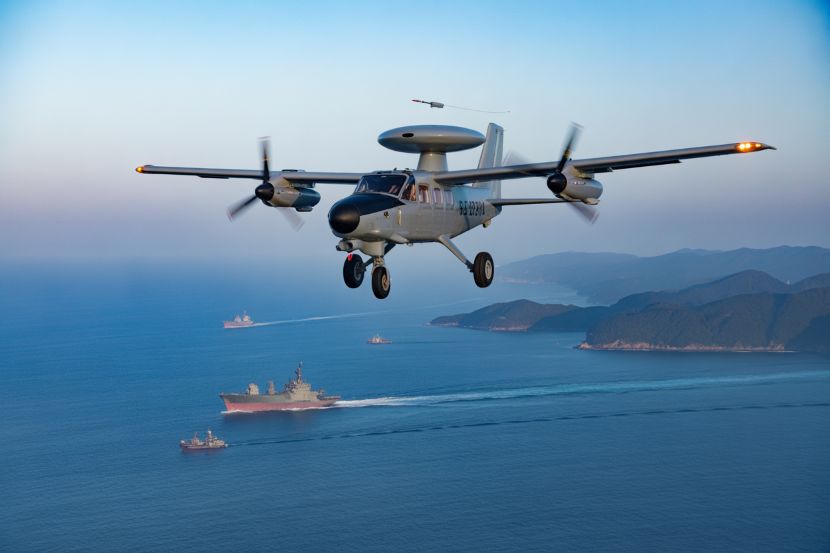 Image generated with Ai
In Taiwan, where security concerns are mounting due to China’s growing military presence, Apex Aviation, a small but ambitious airline known for pilot training and chartered flights, is stepping forward to play a pivotal role in national defense. The company has proposed a new initiative that combines civilian capabilities with military needs, marking an innovative approach to Taiwan’s defense strategies. By offering surveillance flights that monitor Chinese ships in the region, Apex aims to assist Taipei’s security forces in their daily struggle against increasing incursions from China. This collaboration represents a growing trend where private businesses are being encouraged to contribute to national defense as part of Taiwan’s “whole of society resilience” initiative.
Taiwan’s New Military-Civilian Collaboration Model
Taiwan’s approach to national defense is undergoing a significant transformation. Traditionally, military operations have been the sole responsibility of the armed forces, but the escalating pressure from Chinese military activities has prompted the Taiwanese government to seek greater involvement from the civilian sector. This strategy encourages businesses, research groups, and other non-defense entities to support the military in areas such as logistics, cybersecurity, and intelligence gathering. Apex Aviation’s surveillance flights could become an essential component of this shift toward public-private collaboration.
Advertisement
Advertisement
While this collaboration is not entirely novel, it is a fresh concept for Taiwan, where the military has historically operated independently. Apex Aviation’s proposal to carry out surveillance missions using its modified aircraft with high-tech radar systems offers a cost-effective solution to an ever-increasing challenge. The radar equipment used in the planes is capable of tracking small objects, such as Chinese warships, and providing critical data to Taiwan’s military and coast guard. This shift to civilian-operated surveillance is not only about augmenting Taiwan’s military capacity but also about taking proactive steps toward self-reliance in defense operations.
Cost-Effective Surveillance for Taiwan
The challenge Taiwan faces is not just about maintaining a robust defense system but doing so efficiently. Apex Aviation’s solution involves the modification of a small, Italian-made Tecnam P2012 Traveler, which has been upgraded to carry advanced radar systems. This modified aircraft can track even small objects with precision and at a fraction of the cost compared to military aircraft. Given Taiwan’s increasingly limited military resources, this cost-effective approach could play a significant role in complementing the nation’s defense strategy.
Advertisement
Advertisement
Expanding Beyond Taiwan’s Borders
Apex’s ambitions extend beyond just supporting Taiwan’s defense. The company envisions exporting its surveillance services to other nations in the region facing similar threats from China. Apex’s relatively low-cost surveillance capabilities could appeal to countries that are keen to monitor Chinese activities in their waters. The company’s expertise in building both aircraft fleets and drone systems makes it well-positioned to cater to a broad market of nations that are increasing their focus on maritime security.
Taiwan’s defense ministry, however, has been cautious in welcoming external civilian contributions to surveillance and intelligence gathering. Although Taiwan’s coast guard is enhancing its reconnaissance efforts, it remains wary about involving civilian firms in enforcement operations, which could be perceived as a step toward private sector involvement in military action. Legal and operational uncertainties surround this initiative, as questions regarding the enforcement of law by civilian companies have been raised.
Advertisement
Advertisement
Potential Risks and Legal Implications
One of the significant challenges in this public-private partnership is the legal framework that governs the use of civilian aircraft for military purposes. Taiwan’s security experts have voiced concerns about the vulnerability of civilian aircraft to potential Chinese retaliation. The growing presence of Chinese military planes near Taiwan’s airspace poses significant risks to any civilian aircraft involved in surveillance, and Apex Aviation has already faced incidents of harassment from Chinese planes, highlighting the potential dangers involved in such missions.
While Apex has remained undeterred by these risks, emphasizing its commitment to national security, these issues are not trivial. The legalities surrounding the use of civilian surveillance in military contexts are still being debated. As the initiative progresses, the government will need to establish clear legal guidelines to determine whether such operations are permissible and under what circumstances civilian companies can participate in military surveillance.
What Travelers Should Know About Taiwan’s Evolving Defense Landscape
As Taiwan navigates these challenging defense dynamics, tourists and travelers should be aware of the increasing tension in the region. While Taiwan remains a safe and vibrant destination for international visitors, travelers should understand that the security situation could have broader implications for the tourism industry. Taiwan’s focus on resilience and self-reliance in defense means that more technological and military initiatives could shape the travel experience in the coming years. Whether this will affect tourism infrastructure or government policies remains to be seen, but it is important for travelers to stay informed about the geopolitical climate.
How This Initiative Shapes Taiwan’s Future
Taiwan’s strategy of blending civilian innovation with military readiness represents a pioneering model that could inspire other countries facing similar geopolitical pressures. Apex Aviation’s role in this public-private partnership underscores the importance of adaptability in the face of modern security challenges. By engaging the private sector in national defense, Taiwan is not only boosting its surveillance capabilities but also creating new opportunities for businesses to contribute to national security in innovative ways.
As Apex continues to pitch its surveillance services, the evolution of Taiwan’s defense strategy will likely have a long-lasting impact on the region. Whether this partnership will expand to involve more civilian companies remains uncertain, but the growing demand for national resilience and technological innovation signals a shift in how countries approach their security needs
Advertisement
