

Lithuania Sparks a New Era of Rural Tourism in 2026 as Sacred Landmarks and Historic Pilgrimage Routes Shine: Everything You Need to Know

Published
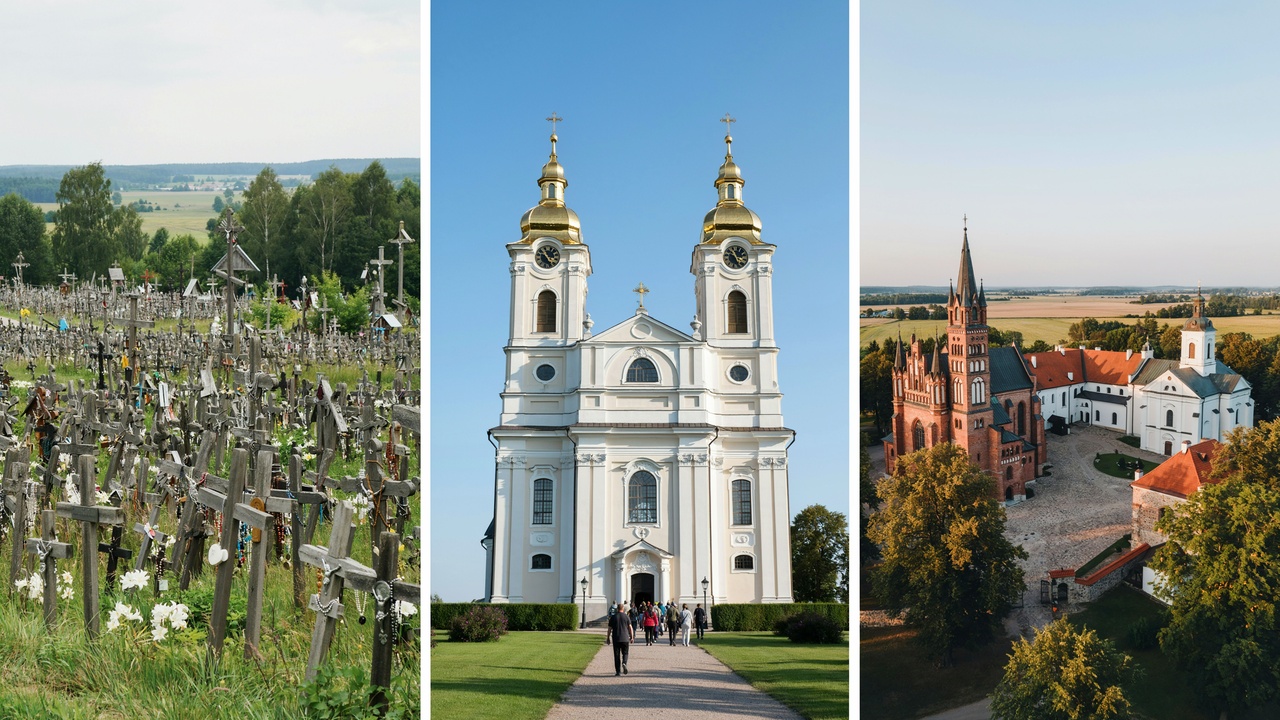
Lithuania is bringing its historic countryside into the tourism spotlight in 2026, with religious landmarks, ancient monasteries and centuries-old pilgrimage traditions creating fresh opportunities for rural travel. From the internationally recognised Hill of Crosses to the sacred sanctuary of Šiluva, the country’s smaller towns are increasingly positioned as destinations for cultural exploration, spiritual journeys and heritage tourism. Religious attractions offer opportunities to support local accommodation, restaurants and community businesses while preserving Lithuania’s distinctive cultural identity. As travellers explore experiences beyond conventional city breaks, the country’s sacred landscapes provide an opportunity to connect historic traditions with modern tourism development.
Lithuania’s Rural Tourism Landscape Embraces a New Cultural Travel Opportunity
Lithuania’s countryside offers a rich collection of religious monuments, historic churches and pilgrimage destinations that extend beyond its major cities.
In 2026, these attractions are gaining attention as potential drivers of rural tourism development.
Small settlements such as Šiluva, Žemaičių Kalvarija and Tytuvėnai have maintained religious traditions for generations.
Advertisement
Advertisement
Their historic churches and pilgrimage celebrations provide reasons for visitors to travel beyond Vilnius and Kaunas.
Religious tourism also appeals to people interested in architecture, history, traditional communities and peaceful countryside experiences.
Advertisement
Advertisement
For rural destinations, attracting these visitors may create additional business opportunities while encouraging the preservation of important cultural landmarks.
Hill of Crosses Showcases Lithuania’s Extraordinary Religious Heritage
The Hill of Crosses, located near Šiauliai in northern Lithuania, is one of the country’s most recognisable pilgrimage destinations.
Advertisement
Advertisement
Thousands of crosses cover the site, reflecting generations of religious devotion, remembrance and national identity.
The landmark gained particular historical significance during Soviet occupation, when authorities repeatedly attempted to remove the crosses.
Despite these actions, the tradition of placing crosses continued.
Pope John Paul II visited the site in 1993, strengthening its international recognition.
Advertisement
Advertisement
Today, the Hill of Crosses attracts pilgrims, cultural visitors and travellers interested in Lithuania’s history.
Its location outside the country’s principal cities also offers opportunities for nearby communities to benefit from tourism services and regional excursions.
Šiluva Emerges as a Historic Centre for Spiritual and Cultural Tourism
Šiluva, situated in central Lithuania, is among the country’s most important Marian pilgrimage destinations.
The town is associated with an apparition of the Virgin Mary traditionally dated to 1608.
Its Basilica of the Nativity of the Blessed Virgin Mary and Chapel of the Apparition form the centre of the religious complex.
Annual September celebrations, commonly known as Šilinės, attract pilgrims and visitors interested in Lithuania’s spiritual traditions.
Advertisement
Advertisement
The town’s importance extends beyond religious observance.
Historic architecture, local heritage and the surrounding countryside also contribute to its tourism appeal.
For the community, pilgrimage-related travel offers opportunities for local accommodation providers, restaurants and small businesses.
Žemaičių Kalvarija Preserves Centuries of Religious Tradition in Western Lithuania
Žemaičių Kalvarija is a historic pilgrimage destination in Lithuania’s Samogitia region.
The settlement is known for the Basilica of the Visitation of the Blessed Virgin Mary and its traditional Stations of the Cross.
The pilgrimage route stretches approximately 4.5 kilometres through the settlement and includes numerous chapels associated with Catholic devotion.
Advertisement
Advertisement
Annual religious celebrations take place in July, maintaining traditions that have shaped the community’s identity for centuries.
Visitors can explore historic architecture while experiencing the surrounding countryside.
The destination demonstrates how religious heritage can help smaller towns establish a recognisable tourism identity.
Its sacred landscape also provides opportunities for cultural walking routes and regional excursions.
Tytuvėnai Combines Monastery Architecture With Countryside Tourism
Tytuvėnai offers a distinctive combination of religious architecture, history and rural surroundings.
The town is home to a historic Bernardine monastery and church complex featuring Gothic, Renaissance and Baroque architectural influences.
Advertisement
Advertisement
The complex is one of Lithuania’s notable examples of religious heritage architecture.
Visitors can explore the church, monastery surroundings and religious monuments while learning about the town’s history.
Tytuvėnai also offers access to natural landscapes, making it suitable for travellers interested in combining cultural sightseeing with countryside experiences.
Its historic attractions provide opportunities for regional tourism while supporting interest in the preservation of religious buildings and traditional local heritage.
Krekenava and Pivašiūnai Expand Lithuania’s Pilgrimage Tourism Network
Krekenava and Pivašiūnai add further depth to Lithuania’s religious tourism landscape.
Krekenava is associated with the Basilica of the Assumption of the Blessed Virgin Mary, an important Marian pilgrimage destination.
Advertisement
Advertisement
Religious celebrations surrounding the Feast of the Assumption form a significant part of its traditions.
Pivašiūnai, located in southern Lithuania, is also recognised for its church and Marian pilgrimage heritage.
Both towns attract visitors interested in religious observance, historic buildings and regional culture.
Their significance illustrates how smaller settlements can contribute to national tourism without relying on large-scale entertainment attractions.
For local communities, maintaining these traditions can help preserve cultural identity while encouraging visitor activity.
Lithuania’s Leading Religious Tourism Destinations in 2026
| Destination | Region | Major attraction | Visitor experience |
|---|---|---|---|
| Hill of Crosses | Šiauliai district | Historic sacred landmark | Pilgrimage, heritage and history |
| Šiluva | Raseiniai district | Marian sanctuary | Religious celebrations and architecture |
| Žemaičių Kalvarija | Plungė district | Basilica and Stations of the Cross | Traditional walking pilgrimage |
| Tytuvėnai | Kelmė district | Bernardine monastery | Religious architecture and heritage |
| Krekenava | Panevėžys district | Basilica of the Assumption | Marian pilgrimage |
| Pivašiūnai | Alytus district | Church of the Assumption | Spiritual tourism and rural culture |
| Vilnius | Vilnius | Gates of Dawn | Religious heritage and city sightseeing |
| Trakai | Trakai district | Basilica of the Visitation | Pilgrimage and cultural tourism |
| Kaunas | Kaunas | Cathedral Basilica | Sacred architecture and urban heritage |
These destinations represent established cultural and religious attractions, rather than a ranking based on 2026 visitor arrivals.
Advertisement
Advertisement
Vilnius Strengthens Lithuania’s Spiritual Tourism Through Historic Religious Landmarks
Lithuania’s capital offers an important starting point for travellers exploring the country’s sacred heritage.
Vilnius contains numerous historic churches and religious monuments.
The Gates of Dawn is among its best-known pilgrimage attractions, particularly because of its revered image of the Virgin Mary.
The Shrine of Divine Mercy is another important destination associated with Catholic religious traditions.
Vilnius Cathedral and the city’s historic churches contribute to its wider cultural identity.
Visitors can combine these attractions with excursions to rural pilgrimage destinations.
Advertisement
Advertisement
This allows travellers to experience both the capital’s architectural heritage and the religious traditions preserved in smaller Lithuanian settlements.
Lithuania’s Pilgrimage Walking Routes Open New Possibilities for Countryside Exploration
Lithuania’s Way of St James routes provide another opportunity for cultural and spiritual travel.
Four established routes cross different parts of the country, connecting historic towns, religious landmarks and rural communities.
These routes allow travellers to explore Lithuania through walking experiences rather than conventional sightseeing alone.
Pilgrimage walking can appeal to religious visitors, outdoor enthusiasts and tourists interested in discovering lesser-known destinations.
Smaller settlements along these routes may benefit from demand for accommodation, refreshments and visitor services.
Advertisement
Advertisement
However, accessibility, route maintenance and clear visitor information remain important considerations.
The network illustrates how religious heritage and outdoor tourism can complement one another.
Religious Tourism Could Create Wider Economic Opportunities for Rural Lithuania
Religious tourism has the potential to contribute to local economic development beyond the preservation of churches and monuments.
Visitors travelling to pilgrimage destinations may use restaurants, guesthouses, shops and transport services.
Annual religious celebrations can also generate concentrated periods of visitor activity.
For smaller communities, such demand may provide additional opportunities for locally operated tourism businesses.
Advertisement
Advertisement
Heritage-based travel can encourage interest in traditional food, craftsmanship, local history and countryside attractions.
However, successful tourism development depends on suitable infrastructure and responsible visitor management.
Historic religious sites must retain their spiritual significance while accommodating visitors.
Balancing heritage preservation with commercial activity will remain important for Lithuania’s rural tourism development.
What Makes Lithuania’s Religious Tourism Different From Conventional Holidays?
Lithuania’s sacred destinations offer experiences centred on history, spirituality and cultural identity.
Unlike conventional resort tourism, religious journeys often involve visiting historic sanctuaries, participating in pilgrimage traditions or exploring places associated with longstanding local beliefs.
Advertisement
Advertisement
Many destinations are situated in small settlements where traditional architecture and countryside landscapes remain important parts of the visitor experience.
The Hill of Crosses provides a particularly distinctive example, combining religious symbolism with Lithuania’s historical experiences.
Šiluva and Žemaičių Kalvarija demonstrate the continuing role of annual pilgrimage traditions.
Tytuvėnai and Krekenava offer opportunities to explore sacred architecture and historic communities.
Together, these destinations broaden Lithuania’s tourism offering beyond its major cities.
Frequently Asked Questions
1. What is Lithuania’s most famous religious tourism destination?
Advertisement
Advertisement
The Hill of Crosses near Šiauliai is among Lithuania’s best-known pilgrimage landmarks, recognised for its extraordinary collection of crosses and historical significance.
2. Why is Šiluva important for religious tourism?
Šiluva is associated with a Marian apparition traditionally dated to 1608 and hosts important Catholic pilgrimage celebrations.
3. Which Lithuanian destinations offer historic monastery experiences?
Tytuvėnai is particularly recognised for its historic Bernardine monastery and church complex.
4. Can tourists visit Lithuania’s religious landmarks without participating in religious activities?
Advertisement
Advertisement
Yes. Many destinations welcome visitors interested in architecture, history, cultural heritage and sightseeing. Visitors should respect religious services and site-specific access rules.
5. How can religious tourism benefit Lithuania’s rural communities?
It can create opportunities for local accommodation providers, restaurants, guides and transport businesses while supporting heritage preservation.
6. Is religious tourism in Lithuania limited to summer?
No. Many heritage attractions can be explored throughout the year, although important pilgrimage celebrations take place on specific dates and some visitor services may be seasonal.
Conclusion: Lithuania’s Sacred Countryside Opens New Doors for Heritage Tourism in 2026
Lithuania’s religious heritage presents an opportunity to strengthen rural tourism while preserving historic traditions.
Advertisement
Advertisement
The Hill of Crosses, Šiluva, Žemaičių Kalvarija, Tytuvėnai and other sacred destinations demonstrate the cultural richness of the country’s smaller communities.
These landmarks offer travellers experiences combining spirituality, history, architecture and countryside exploration.
For regional tourism businesses, pilgrimage destinations provide opportunities to attract visitors beyond established urban attractions.
As Lithuania develops its tourism offering in 2026, its historic religious sites could play an increasingly important role in connecting heritage preservation with rural economic opportunities.
Advertisement
