

Pulau Tuba Is The Ancient Secret Gem Quietly Rewriting The Future Of Sustainable Island Travel In Malaysia

Published
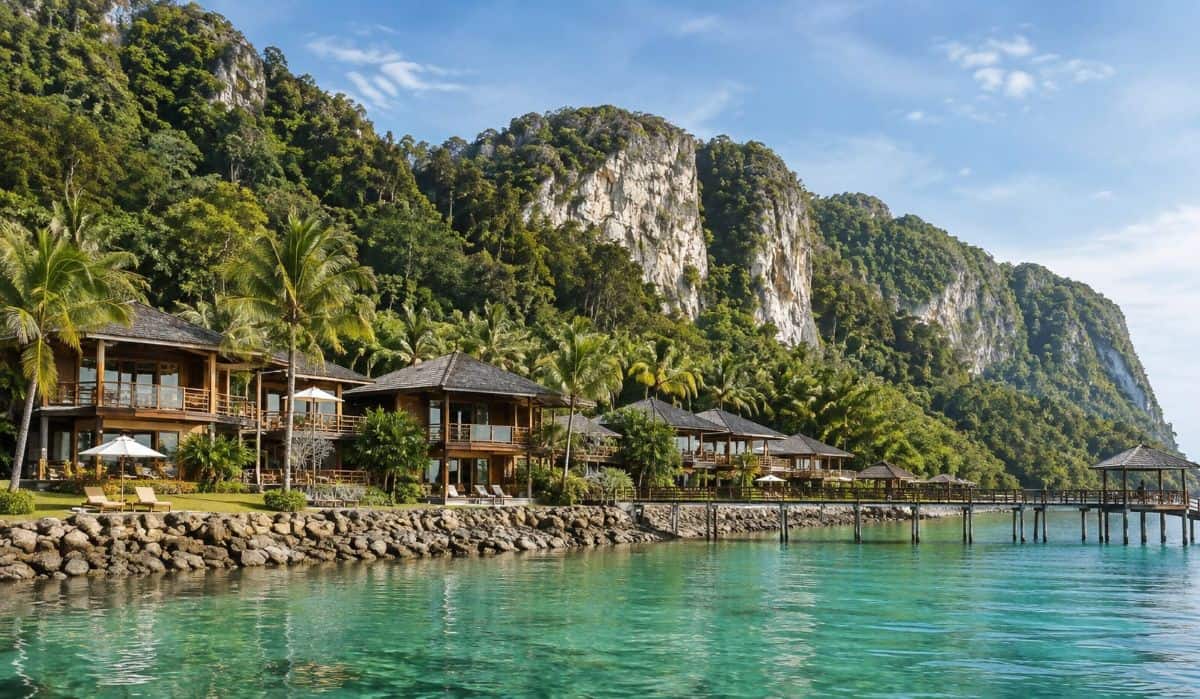
Nothing beats escaping the sounds of the world except for the Jetty at Kuah. As most travelers on their way to Langkawi have little time to check out this hidden gem, you have to do it the quick way by taking the boat to Pulau Tuba. This is the best escape to take from the everyday noise. Throw in a herd of chilled buffaloes as Pulau Tuba’s greeters, and you take a path to the neighboring fishing village to see how the locals live. There are no lavish, high-end resorts like the ones found everywhere, just analog clocks and television as the only lights at night. Don’t expect noise from a bar or shop, you’re only one of the 5000 people enjoying the peaceful countryside. Many places are worth seeing, but for trips with sustainability and purpose, you’ll want to avoid Overused and Over-visited travel spots. A visit to Pulau Tuba is your answer to feel the most closest to warm nature in the most real and unspoiled way.
Unlocking the Great Potential of Pulau Tuba as Langkawi’s Next Major Eco-Tourism Haven
Langkawi, Malaysia welcomes millions of vacationers each year. However, Pulau Tuba remains a quiet, peaceful sanctuary that most travelers pass right by. Consequently, regional tourism initiatives are spotlighting Pulau Tuba as Langkawi’s premier untapped paradise! This serene destination lies just a quick 15-to-20-minute boat journey away from Kuah Jetty. Furthermore, the island offers an authentic, unhurried escape far removed from bustling commercial centers. Visitors instantly discover a landscape where traditional life thrives completely undisturbed.
The strategic push to promote Pulau Tuba represents a major turning point for international travel dynamics. Worldwide travelers are actively seeking out authentic, eco-friendly escapes over artificial entertainment complexes. By highlighting quiet coastal hamlets, regional developers are establishing new benchmarks for sustainable growth across Kedah and all of Southeast Asia. Furthermore, redistributing visitor traffic protects natural ecosystems while directing economic wealth straight to indigenous families.
Advertisement
Advertisement
Expanding the horizons of regional travel requires a deliberate move toward sustainable community support. Observers noted that when large volumes of tourists concentrate in a single core zone, local ecosystems suffer severe environmental degradation. By encouraging exploration across lesser-known islands, tourism planners effectively alleviate pressure on overcrowded beaches while creating new, sustainable revenue streams for rural residents. This shift aligns seamlessly with the evolving desires of international wanderers who prioritize meaningful interactions over staged entertainment. Vacationers from across the globe are increasingly eager to escape urban stress and immerse themselves in serene, natural surroundings. Destinations that successfully safeguard their quiet environments stand to gain significant prestige, setting an exemplary standard for destination management organizations across the globe.
On a global scale, this movement challenges traditional resort-heavy tourism models that often alienate local populations. As global vacationers gravitate toward low-impact travel options, governments and developers are forced to reconsider the wisdom of endless infrastructure expansion. Preserving the delicate equilibrium of small island ecosystems ultimately yields long-term economic stability and higher visitor satisfaction. In addition, the long-term impact on global travel behavior suggests a permanent pivot toward slow travel practices. Instead of rushing through exhaustive checklists of commercial attractions, tourists are increasingly choosing to spend extended periods in single, tranquil locations. This profound shift fosters deeper cross-cultural understanding, reduces individual carbon footprints, and ensures that tourism acts as a positive force for regional preservation.
Advertisement
Advertisement
Preserving Authentic Island Traditions and Untouched Rural Landscapes Across Kedah
Reports indicated that Pulau Tuba maintains an intimate population of roughly 5,000 residents, consisting predominantly of dedicated fishermen and local agricultural workers. Observers noted that these islanders have successfully protected their ancestral lifestyle, maintaining a peaceful, traditional rhythm that has largely vanished from modernized vacation hubs. Travelers journeying across the island’s serene countryside encounter water buffaloes roaming freely across green meadows, creating a distinctive rustic atmosphere that cannot be duplicated anywhere else within Langkawi.
Advertisement
Advertisement
Rural charm of this caliber provides an irreplaceable window into traditional maritime culture that is rapidly disappearing worldwide. Local residents continue to practice age-old fishing techniques and farming methods passed down through generations. This deep commitment to heritage ensures that the community retains its true identity, offering visitors a rare opportunity to witness an authentic, self-sustaining lifestyle. Moreover, the peaceful scenery offers visual and psychological relief to travelers weary of city noise and pollution. The idyllic sight of livestock grazing in open fields beneath mountain backdrops evokes a deep sense of tranquility. For global tourists seeking stress recovery and mental wellness, these undisturbed landscapes serve as powerful natural sanctuaries.
From an industry perspective, safeguarding rural landscapes prevents the homogenizing effect of mass tourism. When destinations succumb to uniform resort architecture, they lose the distinct character that made them attractive in the first place. By strictly preserving native agricultural lands and fishing hamlets, local planners safeguard their most valuable asset. Ultimately, the global travel community benefits when authentic cultural enclaves are shielded from hasty urbanization. Such preservation efforts prove that local heritage and modern travel can co-exist harmoniously. Tourists return home with enriched perspectives, while native communities maintain complete ownership over their traditional way of life.
The Strategic Value of Modern Infrastructure Absence in Building Authentic Escape Zones
Industry leaders emphasized that the complete absence of concrete shopping malls, glitzy high-rise hotels, and noisy entertainment venues constitutes the island’s greatest asset for the modern travel sector. International wanderers seeking genuine human connections are increasingly drawn toward peaceful, unpretentious destinations. By preserving its pure rural charm, the community demonstrates that authentic cultural immersion provides far greater luxury than standard resort facilities.
Advertisement
Advertisement
The intentional decision to forgo heavy commercial developments ensures that natural habitats remain entirely unpolluted. Free from high-density concrete complexes and artificial lighting, the island preserves its pristine air quality, natural night skies, and peaceful acoustic environment. These environmental qualities are becoming exceptionally scarce across popular holiday destinations worldwide. Furthermore, the lack of mega-structures encourages visitors to engage directly with local homestays and family-run establishments. This dynamic fosters genuine personal connections between travelers and hosts, turning simple holidays into memorable cultural exchanges. Such human-centric experiences represent the true core of modern experiential travel.
Across the international travel market, high-end consumers are redefining what constitutes true holiday luxury. Premium value is no longer measured solely by opulent amenities, but by privacy, quietude, and untouched surroundings. By offering an environment undisturbed by commercial noise, the destination appeals directly to discerning global travelers. Concurrently, this approach provides a viable roadmap for other emerging destinations attempting to avoid the pitfalls of over-development. By proving that economic value can be generated without constructing massive resort complexes, local authorities inspire eco-friendly development strategies globally.
Exploring the Ancient 290-Million-Year-Old Geological Marvels of Dayang Bunting Marble Geoforest Park
Geological studies verified that the territory forms a core component of the world-famous Dayang Bunting Marble Geoforest Park, boasting rock formations that originated over 290 million years ago. Researchers noted that these ancient formations offer visitors an exceptional look into the planet’s distant geological past. Explorers journeying through the lush terrain can discover magnificent subterranean sites such as Gua Kelawar, also known as Bat Cave, alongside the stunning Gua Wang Buluh, both housing elaborate collections of ancient stalactites and stalagmites.
The geological heritage embedded within these 290-million-year-old rock faces provides an invaluable natural classroom for scientists, students, and curious travelers alike. Walking among rock formations that predated the dinosaurs offers a profound perspective on earth’s history. Guided tours through these ancient sites emphasize minimal environmental impact while maximizing educational engagement. In addition, sites like Gua Kelawar and Gua Wang Buluh harbor unique cave ecosystems that support specialized flora and fauna. Responsible exploration protocols ensure that sensitive bat populations and delicate subterranean structures remain completely undisturbed by human activity. This careful balance ensures that eco-adventures remain safe, educational, and sustainable.
On a global level, incorporating protected geological zones into travel itineraries promotes worldwide environmental literacy. When travelers personally experience the grandeur of ancient cave systems, they develop a stronger personal commitment to conservation efforts globally. This heightened awareness directly influences their choices as conscious consumers. Furthermore, the geo-park status guarantees international oversight and rigorous protection standards. By adhering to eco-tourism guidelines, local management sets a powerful precedent for how delicate natural wonders should be integrated into national travel strategies without compromising their integrity.
Advertisement
Advertisement
Elevating Geological Conservation and World Heritage Recognition Across Southeast Asia
Preserving these ancient natural monuments significantly elevates Malaysia’s standing within global geological conservation initiatives. Conscious adventurers around the world are continuously prioritizing low-impact exploration opportunities within certified geo-parks. By placing these unique subterranean networks on the global stage, local guardians are demonstrating how priceless natural heritage can be responsibly managed to inspire long-term ecological conservation.
International conservation networks frequently highlight the region as an outstanding model for balance between public access and environmental protection. Strict management policies prevent commercial exploitation, ensuring that delicate rock formations remain undamaged for centuries to come. This dedication earns international trust and attracts eco-conscious researchers and vacationers. Moreover, elevating geological sites encourages neighboring regions across Southeast Asia to assess their own natural assets. Rather than razing natural forests for short-term commercial gain, governments are recognizing the long-term economic and environmental benefits of establishing protected geo-parks.
Global travelers benefit immensely from the expansion of protected geo-parks, as these zones guarantee pristine, unpolluted environments for recreation. As more countries invest in geo-conservation, the global network of sustainable, educational travel destinations expands significantly. Ultimately, international recognition reinforces local pride and community commitment. When residents see visitors from across the globe arriving to admire their geological heritage, they become even more dedicated to safeguarding their natural environment against illegal exploitation or careless pollution.
Savoring Authentic Gastronomic Heritage and the Iconic Local Dish Mee Udang
Beyond its stunning landscapes and ancient geological wonders, the island has built a formidable reputation among local culinary enthusiasts. Food experts pointed out that the destination is widely famous throughout Kedah for preparing Mee Udang, a remarkably rich and savory prawn noodle soup. Local food critics and seasoned travelers frequently assert that the small island eateries serve what is arguably the most delicious rendition of prawn noodles found anywhere across Langkawi.
Advertisement
Advertisement
Culinary traditions on the island reflect a deep connection between the sea and the kitchen. The famous Mee Udang relies entirely on wild prawns caught daily by native fishermen using sustainable methods. This direct supply chain guarantees unmatched freshness while supporting the local marine economy directly without intermediaries. Visitors dining at modest seaside stalls enjoy far more than just a meal; they participate in an authentic cultural ritual. The complex blends of regional spices and fresh seafood represent generations of culinary refinement. Tasting this iconic dish in its native setting offers a sensory experience that commercial urban restaurants simply cannot replicate.
Globally, food tourism has evolved into a dominant driver of travel decisions. Jetsetters and culinary explorers actively seek out regional specialties that reflect true local character. Highlighting iconic native dishes positions small communities as top-tier culinary destinations on the international stage. Furthermore, celebrating native cuisine protects culinary heritage from being swallowed up by standardized fast-food chains. By fostering pride in local recipes, the community ensures that traditional cooking methods remain vibrant, celebrated, and economically viable for future generations.
The Economic Impact of Native Culinary Tourism on Rural Fishing Communities
The rapid rise of culinary tourism has driven international travelers to seek out original, regional recipes that tell a story. Celebrating local specialties such as Mee Udang illustrates how coastal communities can utilize their everyday food culture to attract global interest. For visiting travelers, enjoying traditional dishes prepared directly by the fishing families who gathered the ingredients creates a deeply meaningful, unforgettable bond with the island’s culture.
Direct financial benefit is one of the most immediate outcomes of food-driven travel. When vacationers buy meals from family-operated eateries, their expenditure directly supports local boat owners, cooks, and market vendors. This economic model creates a resilient local financial cycle that keeps capital within the native village. In addition, food tourism encourages young community members to remain in their ancestral homes rather than migrating to crowded cities for employment. Mastering heritage recipes and establishing small culinary ventures offers viable, dignified career paths rooted in community pride.
On a global scale, the success of native food tourism encourages travelers to value authenticity over convenience. Modern tourists are increasingly eager to step off the beaten track to discover true regional flavors, driving economic growth in previously overlooked rural zones. In summary, native food culture serves as a bridge that connects diverse cultures around a shared table. The simple act of sharing a home-cooked bowl of Mee Udang fosters cross-cultural appreciation, proving that culinary heritage is one of the most effective tools for sustainable tourism.
Advertisement
Advertisement
Transforming Global Travel Patterns Through Sustainable Destination Management
Analysts concluded that while standard holidaymakers continue crowding into Langkawi’s primary tourist centers, Pulau Tuba remains perfectly positioned for a prosperous, eco-conscious future. Tourism strategists expressed firm conviction that as global awareness grows, the destination will serve as a glowing model of responsible tourism development. This dedicated effort to showcase an unhurried, culturally rich sanctuary demonstrates how rural island communities can flourish in the modern age while maintaining their core identity.
Developing sustainable destination management frameworks requires a careful balance between economic ambitions and environmental limits. By setting strict boundaries on commercial construction, regional planners protect the island from the destructive forces of mass tourism, ensuring long-term prosperity. Furthermore, this forward-thinking strategy provides a blueprint for small island nations worldwide struggling with over-tourism. Demonstrating that high-quality, low-volume travel generates stable revenue while protecting natural assets offers a compelling alternative to high-density resort expansion.
Global travelers increasingly applaud destinations that prioritize sustainability. As eco-conscious vacationers choose where to spend their travel budgets, communities that actively defend their environment will naturally enjoy higher visitor loyalty and positive global publicity. Ultimately, managing tourism sustainably ensures that future generations of travelers will inherit a world filled with vibrant, pristine destinations. The successful stewardship of rural islands proves that economic progress and nature conservation can walk hand in hand.
Setting a Global Industry Benchmark for Future Low-Impact Eco-Tourism Development
For the international tourism industry, the ongoing emergence of Pulau Tuba marks an essential transition away from high-density, environmentally stressful travel models. As vacationers worldwide demand ecologically responsible and culturally enriching journeys, tourism managers globally are compelled to rethink traditional development strategies. By proving that a community can prosper while protecting its 5,000 residents’ traditional heritage, its 290-million-year-old geological landmarks, and its cherished culinary traditions, this island sets a powerful benchmark for future travel destinations worldwide.
Advertisement
Advertisement
Shifting the global travel industry toward low-impact development requires bold leadership and community cooperation. Destinations that prioritize ecological health over rapid profit set inspiring standards that challenge convention, forcing resort developers globally to adopt greener practices. Moreover, international travelers who experience low-impact tourism firsthand become passionate advocates for environmental protection. Their high expectations drive demand for eco-friendly choices in other travel markets, creating a widespread global demand for responsible travel options.
From an economic perspective, sustainable development protects valuable natural resources from irreversible depletion. By keeping ecosystems healthy and cultures intact, destinations ensure that their appeal remains timeless, avoiding the boom-and-bust cycles typical of over-developed resorts. In conclusion, the story of this quiet island offers a message of hope for the future of global travel. By honoring its historical roots, safeguarding its geological treasures, and celebrating its authentic food culture, the community proves that pristine natural beauty remains the ultimate holiday destination.
A gentle promise of the future of travel
Pulau Tuba is the type of place that pictures the impact we can deliberately opt to leave on the environment, and it is the perfect example of a minimizing impact location. Unfortunately, in the present world, many aesthetically pleasing locations are almost irrevocably spoiled by urbanization. This location maintains its identity because of its quiet nature. There is an almost calming energy that comes over your body from the combination of the white sand, the breeze, the fishermen, and the caves. It is this place that reminds us of why we travel, to engulf and overcome us with a feeling that is greater than what we have felt before allow this place to overwhelm us. Keeping this place in Pulau Tuba preserves this promise to our children. It shows them that they will travel to an actual spiritual destination that will fulfill them with inner peace on their holiday. We preserve Pulau Tuba and the spiritual side of travel for our children. We are not preserving just a beautiful island of Langkawi.
Advertisement
