
Asia’s Travel Trends in 2026: Why Secondary Cities and Authentic Experiences Are Stealing the Spotlight!

Published
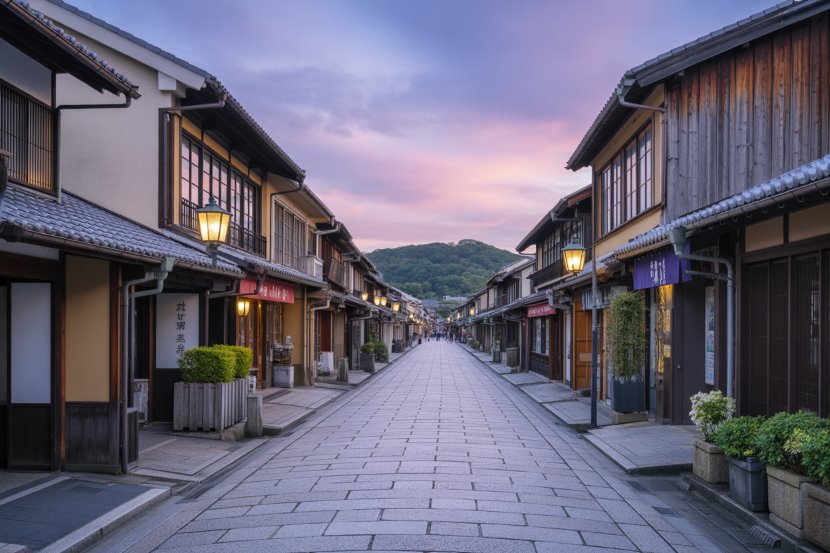 Image generated with Ai
As we approach 2026, Asia’s tourism industry is undergoing a significant transformation. While major cities like Tokyo, Bangkok, and Singapore will always have their place in the hearts of tourists, travellers are beginning to seek out authentic experiences, lesser-known destinations, and eco-friendly options. This shift in travel behaviour is being driven by changing consumer preferences, a renewed focus on sustainability, and the growing popularity of secondary cities. Here’s a look at the key travel trends that will shape Asia’s tourism landscape in 2026.
1. The Rise of Secondary Cities: Exploring Beyond the Megacities
In 2026, secondary cities in Asia are set to take centre stage. These cities, often overshadowed by their larger counterparts, offer authentic experiences without the crowds. Whether it’s Kanazawa in Japan, Bhuj in India, or Vientiane in Laos, these cities are attracting more travellers who seek to immerse themselves in local culture and explore hidden gems away from the typical tourist trails.
Why Secondary Cities Are Gaining Popularity:
- Authenticity: These cities offer a more intimate experience, allowing tourists to engage deeply with local traditions, food, and culture.
- Less Crowded: With fewer tourists, travellers can enjoy the destination at a slower pace, avoiding overcrowded tourist hubs.
- Affordable Travel: Many secondary cities offer lower travel costs compared to their larger counterparts, making them an attractive choice for budget-conscious travellers.
Tourism boards across the region are beginning to promote these secondary cities as alternatives to the heavily visited capitals, ensuring that tourism flows are more evenly distributed.
2. The Demand for Authentic Travel Experiences: Cultural Immersion and Local Connections
Travellers in 2026 are shifting their focus from traditional sightseeing to more immersive and authentic experiences. People want to connect with local communities, understand different cultures, and participate in unique, hands-on activities that give them a real taste of life in the destination.
Advertisement
Advertisement
Key Elements of Authentic Travel in 2026:
- Local Cultural Experiences: Visitors are seeking opportunities to engage with local traditions, such as cooking classes, local music performances, or participating in traditional festivals.
- Experiential Travel: This trend focuses on doing things, not just seeing them. Travellers may go on a village trek, explore a local handicraft market, or volunteer with community-driven projects.
- Culinary Tourism: With food being one of the most engaging aspects of any culture, culinary tourism is booming. Food tours, cooking workshops, and dining experiences with local families are becoming increasingly popular.
This trend is closely tied to the growing desire for sustainable and responsible tourism as people want to ensure their trips are positively impacting the communities they visit.
3. Sustainability in Tourism: Eco-friendly Choices and Responsible Travel
Sustainability is no longer just a buzzword—it’s a critical factor shaping travel decisions in 2026. With rising awareness about climate change and overtourism, more travellers are actively seeking eco-friendly travel options. In response, governments, tourism boards, and businesses are prioritising sustainable practices across the industry.
Advertisement
Advertisement
How Sustainability is Shaping Tourism:
- Eco-friendly Accommodations: There is a surge in demand for green hotels and eco-resorts that focus on reducing environmental footprints. This includes using renewable energy, waste reduction practices, and supporting local ecosystems.
- Low-carbon Travel: Travellers are opting for public transport, train travel, and other low-carbon methods of transportation instead of flying, where possible. More airlines are also introducing carbon offset programs.
- Conservation Tourism: Some destinations are promoting conservation tourism, where visitors contribute to environmental or wildlife preservation efforts during their stay.
Governments and tour operators in Asia are increasingly incorporating sustainability into their tourism strategies, providing eco-friendly travel options that attract responsible travellers.
4. Experience-driven Travel: What’s Next for 2026?
As travellers become more selective in how they spend their time and money, experience-driven travel is a key trend for 2026. This trend emphasises not just visiting a destination but creating lasting memories through personalized, hands-on experiences.
Experience-driven Travel in 2026:
- Adventure Tourism: Activities such as trekking in the Himalayas, scuba diving in the Philippines, and biking through rural Thailand are growing in popularity.
- Wellness Travel: Mindfulness, meditation retreats, and wellness resorts are becoming sought-after destinations for travellers looking to rejuvenate both physically and mentally.
- Digital Detox: Some travellers are opting for more remote destinations that offer a chance to disconnect from technology and reconnect with nature or local culture.
Experience-driven travel aligns with the demand for authenticity and sustainability, as people seek out meaningful moments and hands-on activities that enhance their overall well-being.
5. The Impact of Technology on Travel: Personalization and Virtual Reality
Technology continues to revolutionise the tourism industry, particularly in how travellers research and book their trips. In 2026, expect even greater integration of artificial intelligence (AI) and virtual reality (VR) to enhance travel experiences.
Key Technological Trends in 2026:
- AI and Personalization: AI-driven platforms will provide more personalized recommendations based on travel preferences, previous trips, and real-time data, ensuring that travellers get the most relevant options for their trips.
- Virtual Reality: VR will allow travellers to explore destinations before booking, helping them make more informed decisions about where to go. Some destinations are even offering virtual tours of cultural landmarks, museums, and heritage sites.
- Smart Travel Tech: The use of smart luggage, contactless check-ins, and digital travel assistants will become standard in the travel industry, streamlining the entire travel process.
These advancements are making travel more accessible, convenient, and customized to meet the specific needs and desires of each individual traveller.
Conclusion: The Future of Travel in Asia
The tourism landscape in Asia for 2026 is being shaped by travellers’ growing demand for authentic experiences, sustainable practices, and secondary city exploration. These trends indicate a shift from traditional mass tourism to more meaningful, immersive, and responsible travel. As secondary cities rise in popularity, and the focus on eco-friendly travel intensifies, the region’s tourism industry is undergoing a profound transformation.
For travellers seeking to explore Asia in a new light, 2026 offers the perfect opportunity to embrace these exciting trends and discover the hidden gems that the continent has to offer.
Advertisement
