 Angana Dutta
Angana Dutta
Angana Dutta
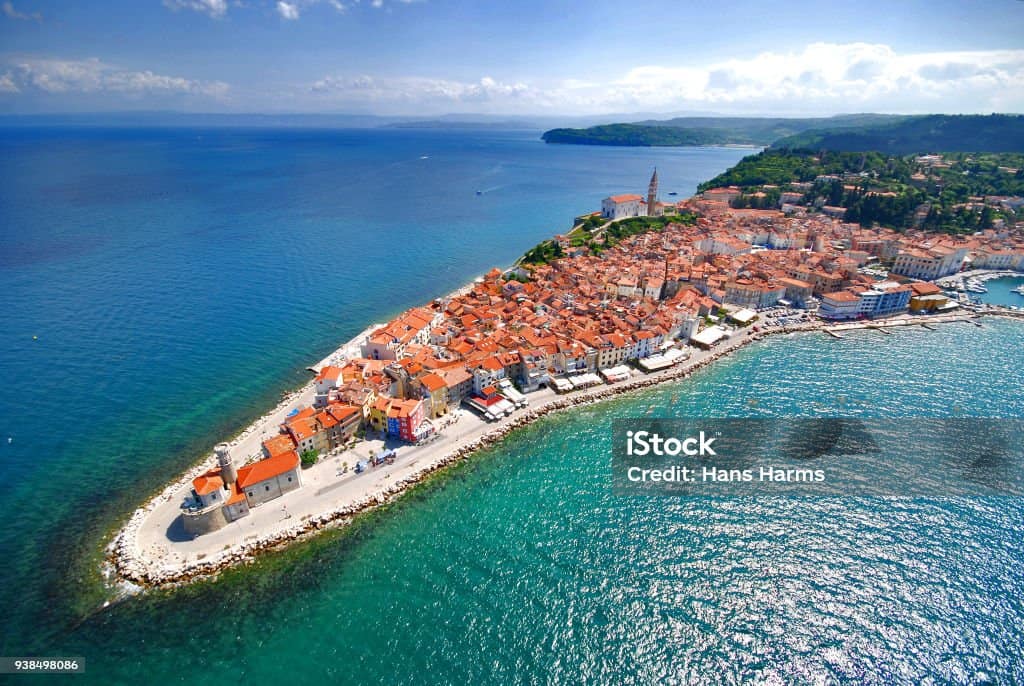
As Slovenia moves beyond the growth stage of tourism management, visitor flow is now a primary concern. Tourism for 2026 has been marked as successful in Slovenia by the government and officials as millions of travelers made arrivals and overnights stays in key regions. However, it is now time for these officials to think about the other challenges as involved in the success of a tourism destination, such as balanced development, seasonal spreading, and good management of visitor flow. This is also a challenge present in other European regions. As successful destinations try to improve sustainability, they must also find ways to harmoniously grow their economies. Slovenia’s way of addressing tourism sustainability will benefit other smaller regions.
For many years, tourism success was measured by one simple question: How many visitors arrived?
Slovenia is now changing that approach.
The country is increasingly focusing on a more complex question:
Advertisement
How can a destination welcome more travellers while protecting the places, communities and experiences that attract them?
This change is becoming important as Slovenia tourism growth continues at a strong pace.
According to the Slovenian Tourist Board and data from the Statistical Office of the Republic of Slovenia (SURS), the country recorded almost 5.2 million tourist arrivals and 13.6 million overnight stays in the first eight months of 2026. Both figures increased by around 6% compared with the same period a year earlier. (I feel Slovenia)
The growth has created new opportunities for hotels, restaurants, tour operators and local businesses.
Advertisement
Advertisement
But it has also increased pressure on popular destinations.
Places such as Lake Bled, Ljubljana, Alpine regions and coastal towns must balance visitor demand with environmental protection and resident quality of life.
Slovenia’s tourism strategy is therefore moving from expansion alone towards managed growth.
Slovenia has transformed itself from a lesser-known European destination into a recognised nature, culture and wellness destination.
The country’s appeal comes from its combination of:
This development has delivered strong economic results.
The OECD Tourism Trends and Policies 2026 report noted that Slovenia welcomed around 7 million tourists in 2025, an increase of 6.2% compared with 2024. Overnight stays reached approximately 17.8 million, growing by 5.9%. (OECD)
Foreign visitors have become increasingly important.
The Slovenian Tourist Board reported that foreign tourists generated nearly 13.4 million overnight stays in 2025, representing around three-quarters of total overnight stays. (I feel Slovenia)
Germany, Italy, Austria, Croatia and the Czech Republic remained among the country’s leading international markets. (OECD)
This strong international demand has helped businesses recover and expand.
However, tourism authorities recognise that rapid concentration of visitors can create problems.
The issue is not tourism growth itself.
The issue is where and when visitors arrive.
Many European destinations are facing similar pressures.
Historic centres, coastal areas and natural attractions are experiencing increased demand during peak periods.
Slovenia’s response is to encourage travellers to discover more regions and visit throughout the year.
The Slovenian Tourist Board has repeatedly highlighted the importance of:
The latest summer 2026 results show why this approach matters.
Slovenia recorded 2.2 million tourist arrivals and 6.3 million overnight stays during July and August 2026, with both figures increasing by around 7% year-on-year. (I feel Slovenia)
International visitors represented the majority of overnight stays.
The strongest foreign markets included Germany, Czechia, the Netherlands, Italy and Poland. (I feel Slovenia)
The growth has been especially visible in Alpine Slovenia, where travellers increasingly seek outdoor experiences and cooler summer destinations.
This creates economic benefits.
It also creates a responsibility to manage trails, transport, accommodation capacity and natural areas.
A major part of Slovenia’s tourism strategy is built around sustainability.
The country created the Green Scheme of Slovenian Tourism, a national programme designed to support sustainable practices among destinations and tourism businesses.
The scheme connects environmental responsibility with tourism development.
It encourages destinations and companies to improve areas such as:
The Slovenian Government describes the Slovenian Tourist Board as the central organisation responsible for promoting Slovenia internationally as a green boutique destination. (Portal GOV.SI)
The programme has become an important part of Slovenia’s international tourism identity.
Rather than competing only through mass tourism, Slovenia has positioned itself around:
quality experiences, nature protection and authentic local connections.
Managing tourism requires accurate information.
Slovenia is investing in better tourism data systems to understand visitor behaviour.
Ljubljana, the capital city, has developed the Ljubljana FLOWS platform, which uses tourism data to help analyse visitor movement and improve destination planning.
The platform includes predictive modelling that considers tourism traffic, events, holidays and important source markets. (Visit Ljubljana)
Such systems allow destinations to understand:
For travellers, better data management can improve experiences.
It can help destinations reduce congestion, improve transport planning and create smoother visits.
The shift towards managed tourism growth affects every part of the travel industry.
Hotels benefit from higher demand, but strong growth also creates challenges.
The Slovenian Tourist Board noted that hospitality businesses continue to face pressures including:
A successful tourism future depends not only on attracting guests but ensuring businesses can operate sustainably. (I feel Slovenia)
Growing international demand supports air connectivity.
Foreign markets remain essential for Slovenia because international visitors represent the majority of overnight stays.
Ljubljana Jože Pučnik Airport remains a key gateway for international travellers, connecting Slovenia with important European markets.
Tour operators are increasingly expected to create experiences beyond the most famous attractions.
This supports Slovenia’s goal of encouraging visitors to explore:
Restaurants, guides, farmers, craft producers and family businesses benefit when tourism spreads beyond major hotspots.
A wider visitor distribution can help smaller communities receive more economic benefits.
Slovenia’s tourism policy is increasingly built around the idea that long-term success depends on quality rather than unlimited volume.
The country’s tourism strategy promotes a model where visitors stay longer, spend more locally and discover different parts of the country.
The Slovenian Tourism Strategy 2022–2028, adopted by the Government of Slovenia, places strong emphasis on sustainable development, improved visitor experiences, digital transformation and balanced regional tourism growth.
The strategy aims to strengthen Slovenia’s position as a green, boutique and responsible destination.
Key priorities include:
The strategy reflects a wider European trend.
Destinations that became highly popular after the pandemic are now moving away from simple growth targets.
Instead, governments are focusing on managing demand.
For Slovenia, this means encouraging travellers to explore more than the country’s most famous attractions.
A visitor who spends time in the Julian Alps, wine regions, thermal areas, forests or smaller towns creates economic benefits beyond the traditional tourism centres.
A major part of Slovenia’s visitor-management approach is spreading tourism across different regions.
The country has several tourism zones with different strengths.
The Alpine region remains one of Slovenia’s strongest tourism areas.
It attracts visitors interested in:
Lake Bled is internationally recognised, but increased popularity has also created challenges during peak periods.
The destination must manage traffic, parking, environmental pressure and visitor movement while maintaining its appeal.
The capital city has become a major cultural and city-break destination.
Ljubljana has invested in sustainable urban mobility and visitor management.
The city promotes walking, cycling and public transport as alternatives to private vehicles.
The Adriatic coastline attracts visitors seeking beaches, heritage towns and Mediterranean experiences.
However, coastal areas face the challenge of balancing summer demand with environmental protection.
Slovenia’s thermal destinations support year-round tourism.
They help reduce dependence on the traditional summer season through wellness, medical tourism and relaxation experiences.
This regional balance is central to Slovenia’s future tourism model.
Tourism continues to play an important role in Slovenia’s economy.
The sector supports employment across accommodation, food services, transport, culture, retail and local production.
According to official tourism data, the strong increase in arrivals and overnight stays in 2026 has continued to support businesses across the country.
The growth of international visitors is particularly important because foreign travellers generally contribute higher export value through spending on accommodation, experiences, food and services.
Tourism also supports rural development.
Small communities benefit when visitors spend money with:
The government’s focus is therefore not only about protecting popular locations.
It is also about ensuring tourism income reaches more communities.
For international travellers, Slovenia’s shift towards managed tourism growth will not reduce travel opportunities.
Instead, it is designed to improve the visitor experience.
Travellers can expect stronger promotion of:
Visitors planning trips during busy periods should consider:
Slovenia remains accessible through Ljubljana Jože Pučnik Airport and European transport connections.
The country is also well connected by road and rail with neighbouring Austria, Italy, Croatia and Hungary.
For responsible travellers, Slovenia offers opportunities to experience nature and culture while supporting local communities.
Air access remains an important factor in Slovenia’s tourism development.
Ljubljana Airport is the country’s main international gateway.
The airport connects Slovenia with major European cities and supports inbound tourism from key markets.
Improved connectivity helps attract:
However, Slovenia’s tourism model is not based only on increasing passenger numbers.
The focus is on attracting visitors who contribute positively to the destination.
This approach aligns with wider European aviation and tourism trends where airports and destinations are increasingly considering environmental impact, regional benefits and year-round demand.
Slovenia’s official tourism direction points towards continued growth combined with stronger management.
The country’s future priorities include:
The Slovenian Tourist Board continues to promote the country through the identity of a green, active and healthy destination.
The goal is not simply to increase visitor numbers.
The goal is to create a tourism system where visitors enjoy better experiences and communities receive long-term benefits.
As international demand continues, Slovenia’s approach could become an example for other smaller European destinations facing similar challenges.
Yes. Slovenia remains open to international visitors and continues to record strong tourism growth. The country is improving visitor management to protect popular destinations while creating better experiences for travellers.
Spring and autumn are generally less crowded than peak summer months. These seasons offer opportunities for hiking, cultural travel, wellness tourism and city breaks with fewer visitor pressures.
Yes. Places such as Lake Bled, Ljubljana and Alpine regions remain major highlights. Travellers can improve their experience by visiting during quieter periods and exploring nearby destinations beyond the main tourist areas.
The success of Slovenia’s tourism sector exemplifies the changing priorities of most successful destinations. Slovenia is starting to move past evaluating success solely on the amount of visitors by focusing on balanced development and sustainability, as well as the overall visitor experience. Positive tourism results in 2026 have opened new avenues of business, but convenience has come at the cost of the need for a more refined approach to the management of the destination. The use of green tourism policies, digital infrastructure, and regional development will allow Slovenia to prepare for more travel growth. A similar trend can be observed across Europe aiming to protect destinations, enhance travel experiences and frequent more quality visits rather than larger visits of lower quality.
Slovenian Tourist Board – Tourism Statistics and Analysis
https://www.slovenia.info/en/business/research-and-analysis/tourism-in-numbers
Statistical Office of the Republic of Slovenia (SURS)
https://www.stat.si/StatWeb/en
Government of Slovenia – Promotion of Slovenia
https://www.gov.si/en/topics/promotion-of-slovenia/
Advertisement
Tags: crowd management, Slovenia, Tourism news, Travel News
Advertisement
Advertisement












Friday, September 4, 2026
Friday, September 4, 2026

Friday, September 4, 2026

Friday, September 4, 2026

Thursday, September 3, 2026

Wednesday, September 2, 2026
Friday, September 4, 2026
Friday, September 4, 2026


