 Somudranil Sarkar Somudranil Sarkar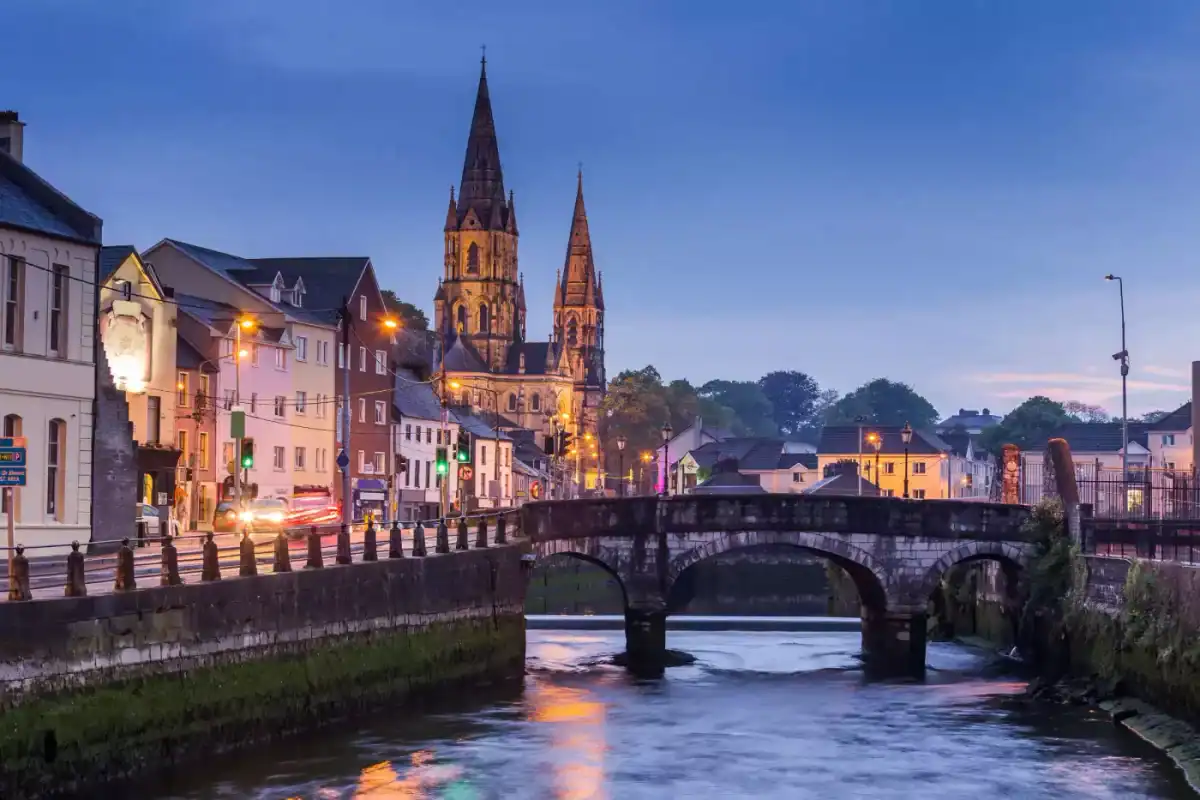
Image generated with Ai
Europe’s sleep tourism trend is moving beyond luxury resorts and expensive wellness retreats, with smaller and medium-sized cities increasingly being chosen by travellers seeking quieter nights, cooler temperatures and better conditions for restorative rest.
Verified reports and rankings published in September 2026, including the European Sleep Index and Eminent’s Sleep Rankings, highlight several European cities that are emerging as leading destinations for dedicated sleepcations. Instead of relying solely on specialist hotel amenities, these destinations are gaining attention because of environmental factors including low noise and light pollution, cooler summer nights and favourable air quality.
Among the destinations standing out are Cork, Kaunas, Dresden, Poznan and Gothenburg, each offering a different combination of climate, urban conditions and tranquillity.
Cork, Ireland, has secured a position among the top five destinations in September 2026 sleep tourism rankings.
Advertisement
The city’s strongest advantage is its relatively cool climate and reduced ambient disruption, making it particularly attractive to travellers who prioritise comfortable sleeping conditions over intense sightseeing schedules.
Cork averages approximately 14°C (57°F) overnight during summer, while overnight temperatures reportedly do not exceed 20°C.
For sleep-focused travellers, cooler nighttime conditions can create a more comfortable environment during the summer months. The city’s smaller scale also provides an alternative to the intensity and noise associated with larger Western European capitals.
This makes Cork particularly suited to travellers looking for a quieter city break where rest can become a central part of the itinerary.
Advertisement
Advertisement
Kaunas, Lithuania, is emerging as one of Europe’s notable destinations for the growing do-it-yourself sleepcation trend.
Rather than being marketed exclusively through high-end wellness resorts, the city’s appeal comes from its comparatively quiet urban environment and lower levels of tourism intensity.
According to the supplied 2026 data, Kaunas records a remarkably low noise and light pollution reading of 26 out of 100.
The figure places the Lithuanian city among destinations offering particularly favourable conditions for travellers attempting to escape the sensory intensity of larger metropolitan areas.
Its relatively low disruption levels also distinguish Kaunas from many better-known Nordic and European capitals, making it an increasingly interesting option for travellers searching for a quieter urban break.
Dresden, Germany, provides a different proposition by combining cultural attractions with an environment suited to restorative travel.
Located along the Elbe River, the city has been highlighted for its balanced combination of urban character and comparatively well-regulated acoustic conditions.
Dresden holds a regional runner-up position in sleep tourism metrics, recording an overall sleep index score of 8.13 out of 10.
The city’s performance is attributed significantly to local noise controls and relatively low urban light glow.
For visitors, this creates the possibility of experiencing a culturally rich European destination without necessarily sacrificing the quieter nighttime conditions increasingly sought by sleep tourists.
Dresden therefore demonstrates how sleep tourism does not have to mean travelling to remote countryside locations. A historic city can also become attractive to rest-focused travellers when environmental conditions support better nighttime tranquillity.
Poznan, Poland, has emerged as another important destination within Europe’s growing regenerative travel movement.
Poland has increasingly attracted attention among travellers seeking wellness and restorative experiences, and Poznan has become particularly relevant to visitors interested in improving their sleep routines and resetting their circadian rhythm.
The city has recorded a sleep tourism score of 8.10 out of 10.
One of its key strengths is its relatively low level of light pollution, helping create darker nighttime conditions.
For travellers who associate restful sleep with genuinely dark nights, this environmental advantage can make Poznan an attractive alternative to brightly illuminated major capitals.
The destination also provides the opportunity to combine sleep-focused travel with the wider cultural and urban experiences available in a historic Polish city.
Gothenburg, Sweden, has developed a particularly strong reputation as both a coolcation destination and a sleep-focused European city.
The city recorded zero tropical nights over the summer, according to the supplied data.
Overnight temperatures average approximately 14°C, providing relatively cool conditions compared with destinations where summer nights can remain uncomfortably warm.
Gothenburg also records a noise and light pollution score of 33 out of 100, indicating relatively limited environmental disruption.
The combination of cool summer nights and low levels of noise and light disturbance gives Gothenburg a particularly strong proposition for travellers seeking rest during the warmer months.
The rise of these destinations reflects an important shift in the sleep tourism market.
Travellers do not necessarily need to book an expensive wellness resort to build a sleep-focused holiday. A destination’s natural and urban environment can have an equally important influence on the experience.
Cool nighttime temperatures, dark skies, lower traffic noise and clean air can all contribute to a setting that feels more conducive to rest.
This has helped smaller and medium-sized cities compete with traditional tourism capitals.
Instead of travelling to a major European capital filled with nightlife, traffic and artificial light, sleep-focused travellers can choose destinations where the pace is slower and nighttime environmental disruption is reduced.
Temperature is particularly important in the emerging sleep tourism market.
Cork and Gothenburg, for example, both record average summer nighttime temperatures of around 14°C.
The absence of excessively warm nights can make these destinations particularly attractive during summer, when heat can become a significant concern for travellers seeking comfortable sleeping conditions.
Gothenburg’s reported zero tropical nights further strengthens its coolcation credentials.
As travellers increasingly consider climate when selecting destinations, cooler European cities could gain an advantage over hotter summer destinations for wellness and restorative travel.
Environmental disruption is another key factor distinguishing the emerging sleep tourism destinations.
Kaunas records a noise and light pollution score of 26 out of 100, while Gothenburg records 33 out of 100.
Poznan is also highlighted for its exceptionally low light pollution.
These characteristics matter because sleep-focused travellers are increasingly looking beyond hotel rooms and considering the wider environment surrounding their accommodation.
A comfortable bed and premium bedding may have limited value if visitors are staying in an intensely illuminated or noisy urban district.
The emerging sleep tourism model therefore places greater emphasis on destination-wide environmental conditions.
The growth of these cities also reflects a broader evolution in wellness travel.
Sleep tourism was once closely associated with specialist hotels offering sleep programmes, advanced bedding systems, wellness treatments and personalised services.
The emerging European trend suggests that travellers are increasingly capable of creating their own DIY sleepcations.
Instead of purchasing an expensive package, visitors can select a destination based on cooler temperatures, low noise, limited artificial light and clean air, then design a slower itinerary around rest.
This makes sleep tourism accessible to a wider range of travellers and gives smaller cities an opportunity to compete within the wellness market.
| Destination | Key Strength | Sleep-Related Data |
|---|---|---|
| Cork, Ireland | Cool climate and lower urban disruption | 14°C average summer overnight temperature |
| Kaunas, Lithuania | Quiet, less crowded urban environment | 26/100 noise and light pollution |
| Dresden, Germany | Riverside tranquillity and urban controls | 8.13/10 sleep index |
| Poznan, Poland | Darker nights and circadian-focused travel | 8.10/10 sleep tourism score |
| Gothenburg, Sweden | Cool summer conditions and minimal disruption | 14°C average overnight temperature; 33/100 noise and light pollution |
The growing popularity of sleepcations reflects a wider change in how travellers define a successful holiday.
For some visitors, the priority is no longer maximising the number of attractions visited each day. Instead, the journey itself is being designed around recovery, slower schedules and improved nighttime conditions.
That trend creates an opportunity for smaller European cities.
Cork, Kaunas, Dresden, Poznan and Gothenburg can provide visitors with the infrastructure and cultural interest of an urban destination while offering environmental characteristics that support a quieter experience.
Their appeal therefore sits between traditional city tourism and wellness travel.
Cork, Kaunas, Dresden, Poznan and Gothenburg are emerging as notable European destinations for sleep tourism in 2026, as travellers increasingly look beyond conventional luxury hotels for restorative holiday experiences.
Cork stands out for its cool 14°C average summer overnight temperature, while Kaunas records a particularly low 26/100 noise and light pollution reading. Dresden has achieved an 8.13/10 sleep index, with Poznan recording 8.10/10. Gothenburg combines an average overnight temperature of 14°C, zero tropical nights and a 33/100 noise and light pollution score.
Together, the destinations illustrate how climate, darkness, clean air and reduced noise can become major tourism assets.
The trend also signals a broader transformation in wellness travel. Travellers are increasingly able to create their own sleepcations by choosing destinations based on environmental conditions rather than paying exclusively for premium sleep-focused hotel packages.
For Europe’s smaller and medium-sized cities, that shift could create a powerful new tourism opportunity, positioning quieter urban destinations as alternatives to the noise, heat and intensity of traditional capital-city breaks.
Advertisement
Advertisement
Advertisement












Friday, September 4, 2026

Friday, September 4, 2026

Friday, September 4, 2026

Friday, September 4, 2026

Thursday, September 3, 2026

Wednesday, September 2, 2026

Friday, September 4, 2026

Friday, September 4, 2026


