
Spain Tourism 2030 Puts Residents and Businesses at the Heart of a New Sustainable Travel Era

Published
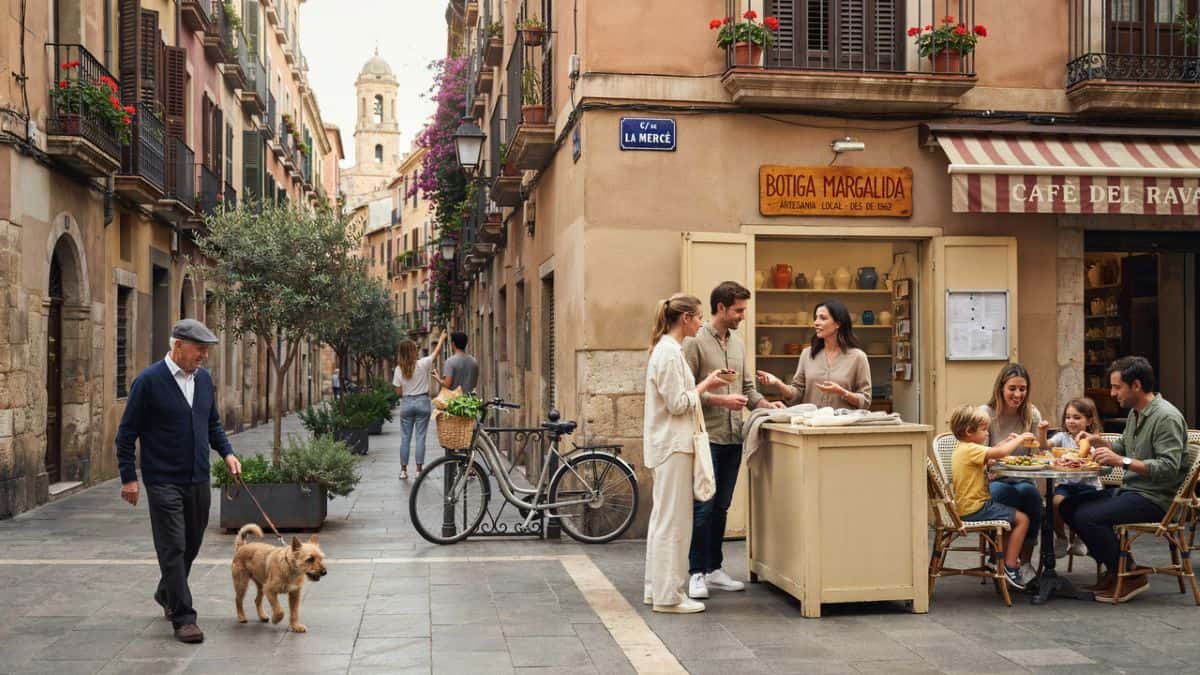
Image generated with Ai
Spain, Madrid, Barcelona and Málaga are entering a new phase of tourism planning as the country moves to put residents, businesses, workers and travellers at the centre of its Tourism 2030 strategy. For visitors, the change could eventually mean a different kind of Spanish holiday — one that puts greater emphasis on less-crowded destinations, local communities, responsible travel and experiences beyond the country’s busiest tourist hotspots.
Spain Moves From Tourism Strategy to Implementation
The Spanish government approved the Spain Tourism 2030 Strategy in October 2025 after a participatory process involving public administrations, tourism businesses, social organisations and other stakeholders.
Advertisement
Advertisement
Rather than measuring tourism only by visitor numbers and spending, the strategy takes a broader approach built around three forms of sustainability: economic, social and environmental.
The framework contains 50 measures and 148 concrete instruments, involving 18 of Spain’s 22 ministries. Its five main areas cover destinations, businesses, tourism workers, residents and tourists.
Advertisement
Advertisement
The strategy has now moved beyond planning. Spain’s Ministry of Industry and Tourism says implementation has begun on 45% of the 148 instruments, while the government prepares its 2026–2027 Biennial Plan to prioritise measures over the next two years.
Residents Become Part of Spain’s Tourism Model
One of the most notable changes is the government’s decision to treat residents as a central part of tourism policy.
Advertisement
Advertisement
The strategy seeks to strengthen social cohesion, balance tourism with the use of public spaces and protect local culture and heritage. It also aims to improve the relationship between visitors and the communities that host them.
This approach comes as Spain continues to experience exceptionally strong international tourism demand. The country received 11.5 million international tourists in July 2026, an increase of 4.6% from July 2025. During the first seven months of the year, more than 58.1 million international visitors travelled to Spain, also representing 4.6% growth year on year.
For communities in highly visited destinations, managing that growth is becoming increasingly important.
A New Focus on Tourism Pressure and Visitor Flows
Spain is developing an Atlas of Tourism Intensity to provide better information about visitor flows and tourism pressure.
The government says the tool is intended to support decision-making and improve coexistence between tourism and local life. The wider strategy also includes measures designed to improve the management of destinations, public resources and tourist flows.
For travellers, this could gradually change how popular destinations manage demand.
Advertisement
Advertisement
Instead of concentrating visitors in the same cities, beaches and attractions, Spain wants tourism to become more geographically and seasonally distributed.
That creates an opportunity for lesser-known Spanish destinations to receive greater attention while established hotspots face less pressure.
Businesses Will Have a Larger Role in Sustainable Tourism
Tourism companies are another central part of the 2030 framework.
Spain’s strategy calls for greater innovation and digitalisation, stronger responsible-business practices and the development of a circular economy within tourism.
Small and medium-sized tourism businesses are particularly important to this transition, with government programmes designed to improve their digital capabilities and competitiveness.
The objective is not simply to bring more visitors into Spain. It is to create a tourism economy where businesses can generate value while destinations and communities also benefit.
Advertisement
Advertisement
That distinction could become increasingly important as travellers become more interested in locally rooted and environmentally responsible experiences.
More Attention on Rural and Inland Spain
Spain’s tourism strategy also aims to reduce the concentration of travel around traditional hotspots.
The government wants to promote green and inland tourism, encourage geographic diversification and strengthen destinations outside the country’s busiest tourist centres. Its tourism programme also includes responsible marketing intended to spread demand across different destinations and periods of the year.
For international visitors, that could mean greater visibility for rural communities, inland cities, cultural destinations and nature-based experiences.
Instead of travelling only during the busiest summer months, visitors could increasingly be encouraged to explore Spain during shoulder and off-peak periods.
Strong Tourist Demand Makes the Shift More Urgent
Spain’s tourism boom shows why the government is focusing on how growth is managed.
Advertisement
Advertisement
International tourist expenditure reached €18.218 billion in July 2026, increasing 10.9% compared with the same month a year earlier. Average expenditure per visitor rose 5.9% to €1,579, while average daily expenditure reached €218.
During the first seven months of 2026, international tourist spending reached €82.054 billion, up 7.8% year on year.
These figures underline the economic importance of tourism while also highlighting why Spain is looking beyond simple visitor growth.
Sustainability Extends to Aviation and Climate Resilience
Spain’s tourism transition is also reaching transportation.
The government’s 2026–2027 implementation work includes energy-efficiency measures, climate adaptation and support for Sustainable Aviation Fuel (SAF) as part of efforts to reduce emissions from tourism-related air travel.
The strategy also calls for destinations to become more resilient to climate change while improving the environmental management of tourism.
Advertisement
Advertisement
This matters for international travel because Spain remains heavily dependent on air connectivity, particularly for visitors arriving from long-haul and European markets.
What the Changes Could Mean for Travellers
For travellers, Spain Tourism 2030 is unlikely to mean an immediate overhaul of holidays.
Instead, the changes are likely to emerge gradually through destination management, marketing, accommodation policies, digital tourism services and efforts to spread visitor demand.
Travellers may increasingly encounter recommendations that steer them toward lesser-known destinations, off-season travel and experiences connected with local culture and communities.
The strategy also encourages responsible marketing and greater environmental and social awareness among tourists, making the visitor an active participant in Spain’s future tourism model rather than simply a consumer.
Spain Wants Tourism Growth Without Losing Its Appeal
The challenge for Spain is balancing two realities: tourism is an enormous economic engine, but the country’s most popular destinations also have to remain liveable for residents.
Advertisement
Advertisement
The government’s current approach attempts to address both sides by giving residents a formal place in tourism planning while continuing to support businesses, workers and international visitors.
With millions more travellers continuing to arrive and billions of euros flowing into the economy, Spain’s Tourism 2030 strategy represents an attempt to redefine what successful tourism looks like.
For travellers, that could ultimately mean a Spain that asks them to look beyond the familiar — to discover quieter places, travel at different times of the year and experience destinations in ways that create value not only for visitors, but also for the people who call them home.
Advertisement
