
Iraq Steps Forward To Protect Cross-Border Travel As Iranian Flights Face US Restrictions

Published
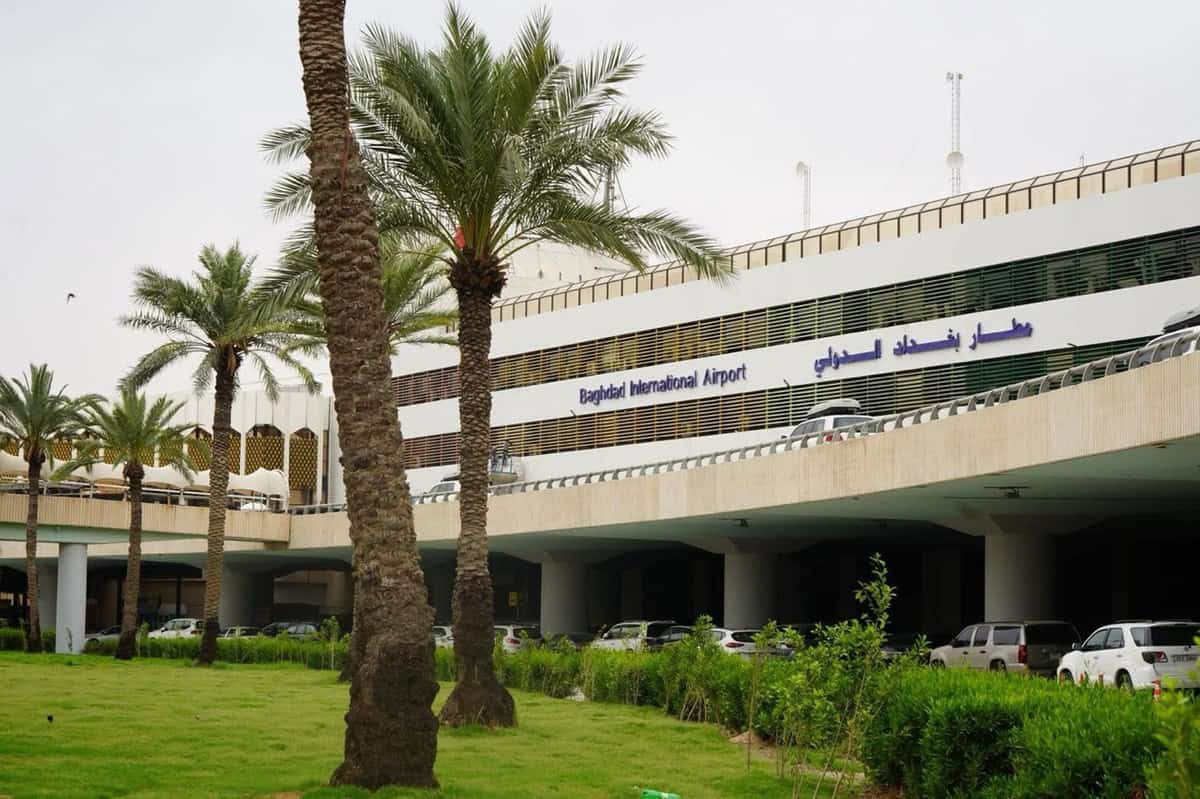
Iraq is making progress on permitting air connections by negotiating waivers with the U.S. after restrictions on Iranian flights cut air links. Baghdad is asking for permission to operate the flights to carry out transportation of students for educational and medical purposes as well as to and from religious destination. Iraq is also attempting to limit the negative consequences of the sanctions on the passengers by allowing the flights.
The request highlights growing concerns over the effect of aviation restrictions on passengers who depend on cross-border flights. As regional tensions continue, Iraq is attempting to maintain essential travel links while engaging with international partners.
Iraq Negotiates Special Arrangements To Keep Vital Flights Operating
Iraq has started talks with US authorities to secure special permissions that could allow certain Iranian flights to resume operations through Iraqi airports.
The proposed exemptions are designed around humanitarian needs rather than wider commercial expansion. Iraqi officials have identified medical journeys, educational travel and religious visits as key areas where uninterrupted air connectivity remains necessary.
Advertisement
Advertisement
Flights between Iraq and Iran support a large number of passengers due to the close relationship between the two neighbouring countries. Many travellers rely on these routes for planned journeys that cannot easily be replaced by alternative transport options.
The Iraqi government’s request reflects an effort to prevent ordinary passengers from facing additional difficulties because of broader international disputes.
Advertisement
Advertisement
Sanctions Measures Disrupt Iran’s Regional Aviation Connections
Restrictions affecting Iranian airlines have created significant challenges for regional air travel. The measures have limited some carriers’ ability to maintain international operations and have affected connections between Iran and nearby destinations.
Iraqi airports have become a central point in the discussions because of their importance in regional passenger movement. Disruptions to Iranian airline services have reduced available travel options and created uncertainty for passengers planning essential journeys.
The impact has been particularly noticeable for travellers who depend on scheduled flights for healthcare, education and religious purposes.
The situation demonstrates how aviation networks are closely connected to international policies. Decisions affecting airlines in one country can quickly influence airports, passengers and businesses across neighbouring markets.
Humanitarian Travel Becomes Key Focus Of Baghdad’s Request
Iraq’s appeal for exemptions is centred on protecting civilian movement during a period of increased restrictions.
Medical travel is among the main concerns, as patients often require reliable transportation to access healthcare services outside their home locations. Education-related travel is another important area, with students depending on international connections to continue their studies.
Advertisement
Advertisement
Religious tourism also remains a significant factor. The movement of visitors between Iraq and Iran supports communities, local businesses and travel operators connected with religious journeys.
By highlighting these areas, Iraq is seeking a framework that allows essential passengers to continue travelling while wider diplomatic disagreements remain unresolved.
Baghdad Calls For Diplomatic Solutions To Ease Regional Pressure
Alongside discussions over aviation exemptions, Iraq has urged greater dialogue to reduce tensions affecting the region.
The Iraqi government has warned that ongoing crises are creating additional uncertainty and making regional challenges more difficult to manage.
Iraq’s diplomatic approach focuses on maintaining stability and preventing further disruption to economic and social connections. The country’s position reflects the challenges faced by nations that maintain close ties with different international partners.
The government is seeking practical measures that can protect civilian interests while broader political issues continue to be discussed at the international level.
Advertisement
Advertisement
US Pressure Campaign Continues To Shape Iran Travel Restrictions
The aviation restrictions are part of a wider US strategy involving economic measures against Iran.
The measures have affected multiple sectors, including transportation and international connectivity. Aviation has become one of the areas where restrictions have created visible consequences for airlines and passengers.
While sanctions are aimed at increasing pressure on Iran, their effects extend beyond government and business activities. They can also influence ordinary citizens who require international travel for personal, educational or medical reasons.
For neighbouring countries such as Iraq, managing the effects of these restrictions has become a complex task. Authorities must consider international requirements while responding to domestic and regional travel needs.
Future Of Iran-Iraq Flights Depends On Ongoing Discussions
The continuation of Iranian airline services through Iraqi airports will depend on the outcome of negotiations between Iraq and the United States.
If exemptions are approved, affected flights could gradually return, restoring important connections for passengers travelling for essential purposes.
Advertisement
Advertisement
However, wider uncertainty remains as diplomatic tensions continue to influence aviation networks across the Middle East.
Airlines and travellers are closely monitoring developments because changes in international policies can quickly affect flight schedules, airport operations and regional connectivity.
The situation shows the growing relationship between geopolitics and global mobility, where diplomatic decisions can directly shape how people move between countries.
Iraq Attempts To Balance Regional Links And International Requirements
Iraq’s efforts to secure exemptions reflect the challenge of maintaining strong regional connections while operating within an environment shaped by international restrictions.
The government is attempting to protect civilian travel routes without becoming further affected by wider political disputes.
Reliable air connectivity remains important for passengers, communities and economic activity. Restoring affected services would provide relief for travellers who depend on these routes for essential purposes.
As discussions continue, the future of Iranian flights through Iraqi airports will remain closely linked to diplomatic developments between Baghdad and Washington. The outcome could determine whether important regional travel connections return or remain restricted.
Advertisement
