
Italy Walks Alongside Spain And Others As European Tourism Hotspots Tighten Beach Rules To Safeguard Public Access And Improve Visitor Experiences

Updated
Published
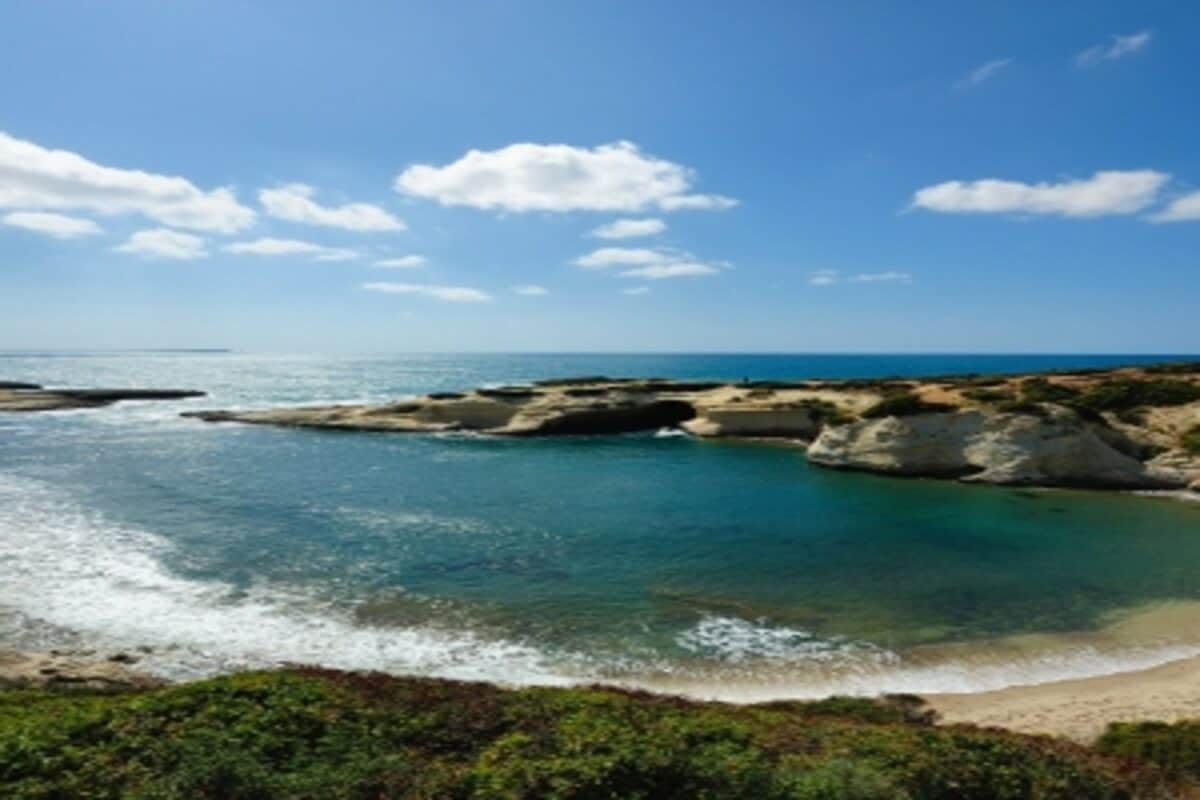
New beach rules in Italy and other countries increase fines for leaving personal items on the beach, particularly sun loungers. In Spain, authorities have impounded thousands of sun loungers. Britain’s Foreign Commonwealth Office (FCO) issued a travel advisory for Italy, notifying the public that unoccupied beach items, such as sun umbrellas and loungers, may be removed, and people may be fined for blocking public beaches. Italy’s coastguard has the right to remove any personal items from public beaches.
Italy’s coastal areas attract millions of international visitors every year, including holidaymakers from the United Kingdom and across Europe. However, authorities are reminding travellers that public beaches are shared spaces and cannot be privately claimed by leaving items overnight or for extended periods.
Advertisement
Advertisement
The enforcement campaign highlights a wider challenge faced by Mediterranean destinations, including Spain, Portugal, Greece, Croatia and France, where rising visitor numbers have increased pressure on popular beaches and encouraged governments and local authorities to introduce stronger measures to maintain fair access.
Italy Strengthens Beach Rules As Authorities Target Unattended Sunbeds And Umbrellas
Italian authorities have increased inspections at several coastal locations to prevent visitors from occupying sections of public beaches without being present. Leaving parasols, towels, chairs or tables on the sand overnight is considered an unauthorized occupation of public coastal areas rather than a simple beach habit.
Advertisement
Advertisement
At Laghetto beach in Torre del Greco, near Naples, local officials and Coast Guard teams removed dozens of abandoned items, including umbrellas, chairs and tables that had been left behind for extended periods. Some equipment reportedly remained on the beach for more than two days, preventing other visitors from using available space.
Under Italian regulations, confiscated items can be removed by authorities, while offenders may face financial penalties. Fines can reach around €500, depending on local rules and circumstances, with additional costs possible if seized equipment requires disposal or replacement.
Advertisement
Advertisement
The measures are designed to ensure that beaches remain accessible to all visitors rather than allowing individuals to unofficially reserve preferred areas before arriving later in the day.
Spain Introduces Stronger Coastal Management As Tourist Numbers Rise
Spain, one of Europe’s most visited beach destinations, has also faced increasing pressure on its coastal areas due to record international tourism demand. Popular destinations such as the Balearic Islands, Canary Islands, Costa del Sol and Valencia coastline regularly experience high visitor numbers during peak travel periods.
Advertisement
Advertisement
Many Spanish municipalities have introduced local beach regulations covering activities such as beach furniture placement, overnight occupation, litter control and public safety. While rules differ between regions, authorities increasingly focus on protecting shared coastal spaces and ensuring beaches remain available for residents and travellers.
Spain’s approach reflects a broader European trend where destinations are balancing tourism growth with environmental protection and visitor management. The country continues to attract millions of international travellers seeking Mediterranean beaches, cultural experiences and coastal holidays, making effective beach management an important part of destination planning.
Portugal Protects Public Beaches As Coastal Destinations Manage Growing Demand
Portugal’s Atlantic coastline has become increasingly popular among international travellers, particularly in destinations such as the Algarve, Lisbon coast and Madeira. With growing visitor numbers, local authorities have strengthened efforts to maintain clean, safe and accessible beaches.
Portuguese beaches operate under public access principles, and visitors are encouraged to avoid behaviours that restrict others from enjoying coastal areas. Authorities regularly monitor issues including unauthorized commercial activity, environmental damage and improper use of beach facilities.
Advertisement
Advertisement
As Portugal continues to expand its appeal among British and European holidaymakers, maintaining high-quality coastal experiences has become a key priority. Sustainable tourism management is increasingly important as popular beaches face greater demand during holiday periods.
Greece And Croatia Focus On Fair Beach Access Amid Mediterranean Tourism Growth
Greece remains one of Europe’s most sought-after summer destinations, attracting visitors to islands such as Crete, Rhodes, Santorini and Corfu. However, the rapid growth of coastal tourism has increased discussions around beach access, environmental protection and responsible visitor behaviour.
Greek authorities have introduced measures aimed at preventing illegal occupation of beaches and protecting public areas from excessive commercial use. The country has placed greater attention on ensuring that beaches remain accessible while preserving the natural beauty that attracts millions of travellers every year.
Croatia has experienced similar challenges as destinations along the Adriatic coast welcome increasing numbers of international visitors. Famous coastal locations, including areas around Dubrovnik, Split and island destinations, have introduced stronger visitor management practices to protect beaches, historic areas and natural landscapes.
For travellers, the message across both Greece and Croatia is clear: enjoying coastal destinations comes with responsibility. Visitors are encouraged to respect local regulations and avoid actions that limit access for others.
France Expands Coastal Protection Efforts As Tourism Pressure Increases
France’s Mediterranean coastline, including the French Riviera, remains a major attraction for global travellers. Popular destinations such as Nice, Cannes and coastal towns across southern France experience significant demand during holiday seasons.
Advertisement
Advertisement
French authorities have long focused on protecting public coastal areas through environmental rules, safety measures and local beach management policies. Similar to Italy and other Mediterranean countries, France emphasises that beaches are public spaces that must remain accessible.
Growing tourism numbers have encouraged destinations across Europe to rethink how beaches are managed. Authorities are increasingly combining visitor education with enforcement measures to prevent overcrowding, environmental damage and unfair use of shared areas.
Travellers Across Europe Advised To Respect Beach Rules And Avoid Penalties
The rising number of beach-related enforcement actions across Europe reflects a common challenge for popular holiday destinations. Mediterranean countries are welcoming record numbers of visitors while attempting to protect public spaces and ensure equal access.
For travellers visiting Italy, Spain, Portugal, Greece, Croatia or France, simple precautions can help avoid unnecessary problems. Visitors should remove personal belongings when leaving the beach for the day, avoid placing equipment overnight and follow instructions provided by local authorities.
Authorities are not targeting visitors who briefly enter the sea or step away while actively using a beach area. The concern is focused on long-term occupation of public spaces by leaving items unattended for hours or overnight.
As Europe’s coastal destinations prepare for continued tourism growth, responsible beach behaviour is becoming an essential part of the travel experience. Respecting local rules allows visitors to enjoy world-famous beaches while helping communities preserve these destinations for future generations.
Advertisement
Advertisement
Advertisement
