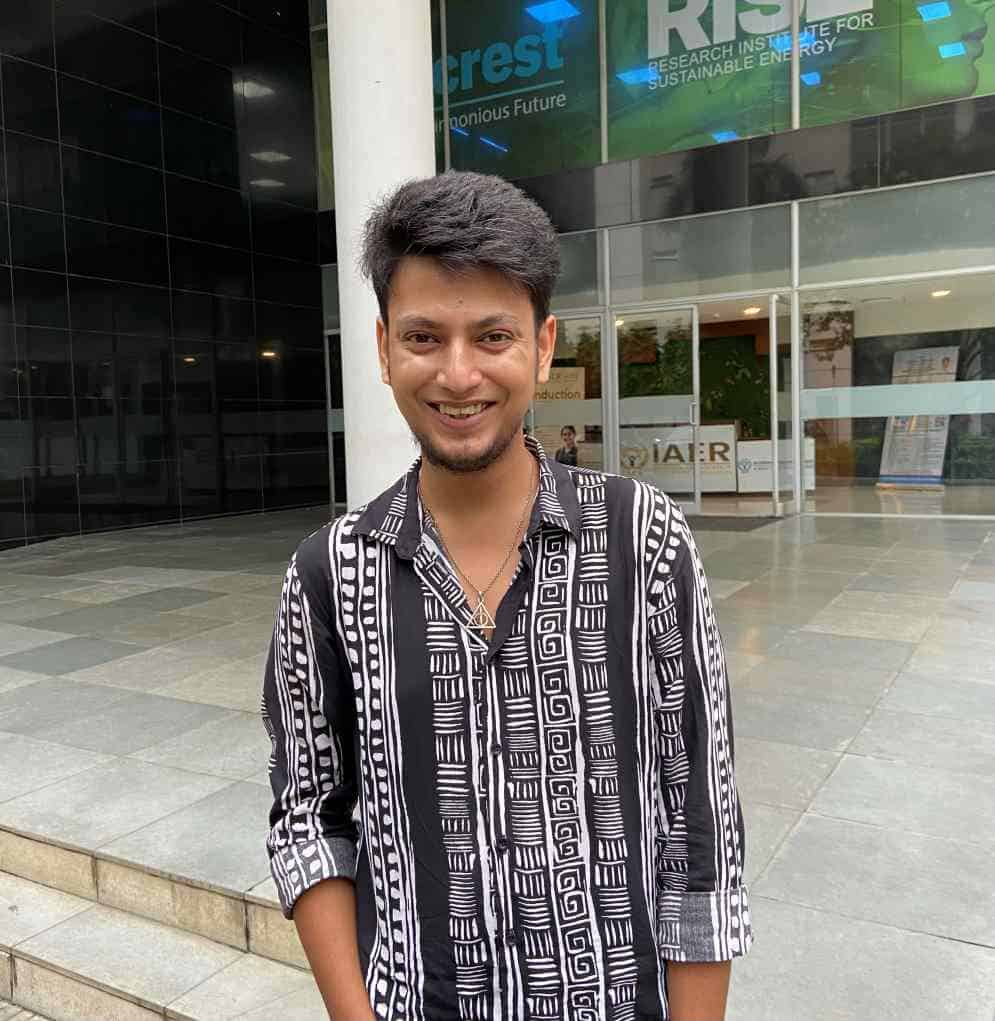

Image generated with Ai
Johor Bahru’s position as one of Southeast Asia’s busiest cross-border destinations is generating new economic opportunities while simultaneously creating pressure on parking, local businesses and the cost of living for residents.
Commercial districts in the Malaysian city are experiencing increasing competition for parking as commuters working in Singapore leave vehicles in Johor Bahru for extended periods before continuing their journeys across the border.
The situation has prompted Johor Bahru City Council to examine new approaches to public parking, including mechanisms that could discourage motorists from occupying commercial parking spaces for an entire working day.
At the same time, strong visitor demand from Singapore continues to support restaurants, retail, hotels, entertainment and other businesses in Johor.
Advertisement
Advertisement
The economic benefits, however, have created another debate.
Residents and businesses have raised concerns that stronger spending power among Singapore visitors is contributing to higher prices in some parts of Johor Bahru, although official data do not establish that food across the city is universally more expensive than Kuala Lumpur.
For tourism, the situation demonstrates both the commercial power and the urban challenges created when a destination experiences intense cross-border demand.
| Key Area | Current Situation |
|---|---|
| Country | Malaysia |
| Neighbouring market | Singapore |
| Main destination | Johor Bahru |
| State | Johor |
| Key issue | Parking pressure in commercial areas |
| Major parking users | Local commuters, visitors and Singapore-bound workers |
| Council response | Reviewing parking management measures |
| Potential approach | Charges or restrictions discouraging long stays |
| Tourism driver | Strong Singapore visitor demand |
| Economic benefit | Retail, dining, hospitality and entertainment spending |
| Resident concern | Higher living and dining costs |
| Inflation context | Johor recording comparatively elevated inflation |
| Key tourism challenge | Balancing visitor spending with local affordability |
| Future connectivity | Johor Bahru–Singapore RTS Link |
Johor Bahru’s unusual economic geography helps explain the problem.
Thousands of Malaysians travel between Johor and Singapore for employment, taking advantage of higher salaries across the border while maintaining homes or family connections in Malaysia.
Not every commuter drives a vehicle all the way into Singapore.
Some motorists park in Johor Bahru and continue their journey using buses, motorcycles or other cross-border transport.
When vehicles occupy public spaces for most of the working day, parking availability for customers visiting nearby restaurants, shops and other businesses becomes restricted.
This creates a conflict over how public parking should function.
A parking bay intended to support customer turnover in a commercial district produces less economic activity when the same vehicle occupies it for many consecutive hours.
Johor Bahru City Council is examining mechanisms designed to encourage greater turnover of public parking spaces.
The objective is not simply to increase parking revenue.
Instead, authorities are looking at how pricing or parking rules could discourage motorists from treating public commercial spaces as long-term private parking.
A progressive system could potentially make extended stays more expensive while preserving more affordable parking for shorter visits.
Details would need to be finalised before implementation.
The challenge for authorities is balancing several groups.
Commuters need practical places to leave vehicles, local residents need access to neighbourhood facilities and businesses need sufficient parking turnover for customers.
Tourists and Singapore day-trippers add another layer of demand.
Parking might appear to be a minor municipal issue, but it can directly affect the visitor experience.
Johor Bahru attracts large numbers of travellers who arrive by road.
Visitors come for restaurants, shopping centres, entertainment, healthcare, hotels and family activities.
If tourists spend excessive time searching for parking, the inconvenience can influence where they choose to eat, shop or stay.
Businesses can also lose potential customers.
A restaurant with empty tables may still struggle to attract diners if every nearby parking space is occupied by vehicles whose owners are working in Singapore.
Effective parking management can therefore support tourism by improving access to commercial districts.
The economic relationship between Singapore and Johor Bahru is unusually close.
The cities are separated by an international border but function in many respects as part of a wider cross-border economic zone.
Singapore residents regularly visit Johor Bahru for dining, shopping, entertainment, healthcare and short breaks.
Currency differences can increase the purchasing power of Singapore-based visitors when spending Malaysian ringgit.
That makes Johor Bahru attractive for discretionary purchases and leisure trips.
For Malaysian businesses, this creates access to a large and relatively affluent visitor market located immediately across the border.
Restaurants, shopping centres and entertainment businesses can generate substantial revenue from Singapore customers without depending exclusively on conventional international tourists arriving by air.
The answer is more complicated than a simple yes or no.
Strong demand from visitors with greater purchasing power can influence prices in tourism-heavy commercial areas.
Businesses operating close to the border or in districts popular with Singapore customers may be able to charge prices that local residents consider expensive.
However, visitor spending is only one factor affecting prices.
Businesses also face rent, labour, ingredients, electricity, transport and other operating costs.
Inflation can additionally vary between food categories and neighbourhoods.
It would therefore be misleading to attribute every increase in Johor Bahru prices directly to Singapore tourism.
The more accurate conclusion is that cross-border visitor demand can contribute to pricing pressure in particular markets when combined with wider cost increases.
Claims that Johor Bahru food prices have universally surpassed Kuala Lumpur should be treated cautiously.
Individual residents may find specific restaurants, dishes or neighbourhoods more expensive than comparable options in the capital.
That does not establish a city-wide statistical rule.
Malaysia’s official Consumer Price Index provides a better indication of broader inflation trends.
Johor has recorded relatively strong inflation compared with several other Malaysian states, demonstrating that household costs are genuinely increasing.
But CPI data do not support a blanket statement that every meal or food category in Johor Bahru now costs more than Kuala Lumpur.
For tourism reporting, this distinction matters.
Anecdotal price comparisons can illustrate resident concerns, but they should not be presented as comprehensive economic data.
Despite affordability concerns, Singapore visitor spending provides substantial economic benefits.
Restaurants gain customers.
Retailers receive additional sales.
Hotels benefit from weekend and short-break stays.
Entertainment attractions and family businesses can draw visitors from a major metropolitan market without relying on long-haul promotion.
Transport companies and healthcare providers also participate in the cross-border economy.
This spending supports jobs and encourages investment.
The challenge for Johor is therefore not to discourage Singapore visitors.
It is to capture the economic benefits while ensuring that infrastructure and local affordability do not deteriorate to a point where residents feel excluded from their own commercial districts.
Poorly designed parking charges could create frustration, but effective parking management can actually improve the tourism experience.
The key issue is turnover.
If long-term commuters occupy scarce commercial spaces throughout the day, short-term visitors may be unable to park even when they are willing to pay.
A pricing structure encouraging long-stay motorists to use dedicated facilities could free spaces closer to restaurants and shops.
That can increase customer access.
Tourism destinations around the world use parking prices as a demand-management tool rather than simply a revenue source.
Johor Bahru faces the additional challenge of managing commuter and international visitor demand simultaneously.
One potential long-term solution is to separate commuter parking from commercial visitor parking.
Workers travelling into Singapore need facilities where vehicles can remain safely for many hours.
Retail districts need parking designed around shorter customer visits.
When both groups compete for the same spaces, neither system functions efficiently.
Park-and-ride facilities linked with cross-border public transport could reduce pressure on commercial streets.
Such infrastructure becomes increasingly important as travel volumes rise.
The development of stronger public transport links between Johor Bahru and Singapore could eventually reshape these travel patterns.
The Johor Bahru–Singapore Rapid Transit System Link represents one of the most important transport projects for the future of cross-border travel.
The railway will connect Bukit Chagar in Johor Bahru with Woodlands North in Singapore.
Once operational, it is expected to significantly increase public transport capacity across the border.
For tourism, the implications could be substantial.
Singapore visitors may find it easier to enter Johor Bahru without driving, potentially reducing some road and parking pressure.
Malaysian commuters could similarly have a more efficient alternative to leaving vehicles in commercial areas before crossing the border.
The RTS Link will not eliminate parking demand, but it could change where and how people choose to park.
Johor Bahru occupies a distinctive position within Malaysia’s tourism economy.
Unlike destinations heavily dependent on international aviation, the city has immediate access to Singapore’s large resident and visitor population.
This supports spontaneous travel.
A Singapore resident can decide to visit Johor Bahru for a meal, shopping trip or overnight stay without planning a conventional international holiday months in advance.
That creates a resilient short-haul tourism market.
It also makes Johor Bahru particularly sensitive to border-processing times, road congestion, parking availability and exchange-rate movements.
Infrastructure therefore becomes an essential component of destination competitiveness.
Businesses need to balance two different customer groups: visitors and local residents.
Singapore customers may have greater spending power because of currency differences, creating opportunities for premium products.
However, businesses that price exclusively for visitors risk alienating local consumers.
A diverse tourism economy benefits from having products across several price points.
Hotels, restaurants and attractions can therefore capture Singapore demand while maintaining offerings accessible to Malaysian residents.
This balance is particularly important for destinations where tourists and residents share the same commercial districts.
Johor Bahru’s tourism growth will be more sustainable if local communities perceive clear benefits rather than simply higher prices and congestion.
Dependence on a nearby high-spending market creates both advantages and risks.
Singapore provides Johor Bahru with an enormous pool of potential visitors.
However, changes in exchange rates, border restrictions, economic conditions or travel behaviour could rapidly affect demand.
The pandemic demonstrated how vulnerable cross-border economies can become when movement is interrupted.
Johor therefore benefits from diversifying its visitor base while continuing to serve Singapore travellers.
Domestic Malaysian tourism, regional visitors and longer-stay international tourists can complement cross-border day trips.
The current parking debate demonstrates why destination management must keep pace with visitor growth.
Attracting tourists is only one part of tourism policy.
Cities also need roads, parking, public transport, pedestrian infrastructure and efficient border facilities capable of handling those visitors.
Affordability matters as well.
If residents increasingly associate tourism growth with congestion and higher living costs, public support for further expansion can weaken.
Johor Bahru therefore needs policies that allow businesses to benefit from Singapore spending while protecting the everyday functionality of the city.
Johor Bahru City Council’s parking review could become an important component of the city’s response to rapidly growing cross-border mobility.
Any new system will need to distinguish between commuters who require long-term parking and visitors who need short-term access to commercial areas.
At the same time, inflation and affordability will remain politically and economically sensitive issues.
Singapore visitor spending is valuable to Johor’s tourism economy, but strong demand can place pressure on businesses, infrastructure and prices.
The long-term answer is unlikely to involve discouraging tourism.
Instead, Johor Bahru needs infrastructure capable of handling the extraordinary volume of people moving between Malaysia and Singapore while ensuring that tourism growth continues to benefit local communities.
The forthcoming RTS Link could eventually change cross-border travel patterns considerably, but parking and affordability challenges require attention now.
For Malaysia’s tourism industry, Johor Bahru illustrates both sides of successful cross-border tourism: a powerful stream of visitor spending can generate jobs and commercial growth, but without effective urban management it can also create congestion and local frustration.
How the city manages that balance will become increasingly important as Malaysia and Singapore become even more closely connected.
Advertisement
Tags: Cross Border Travel, Johor Bahru Parking, Johor Bahru Prices, Johor Bahru tourism, Johor Tourism
Advertisement
Advertisement












Saturday, September 5, 2026

Saturday, September 5, 2026

Saturday, September 5, 2026

Saturday, September 5, 2026

Saturday, September 5, 2026
Saturday, September 5, 2026
Saturday, September 5, 2026

Saturday, September 5, 2026



