
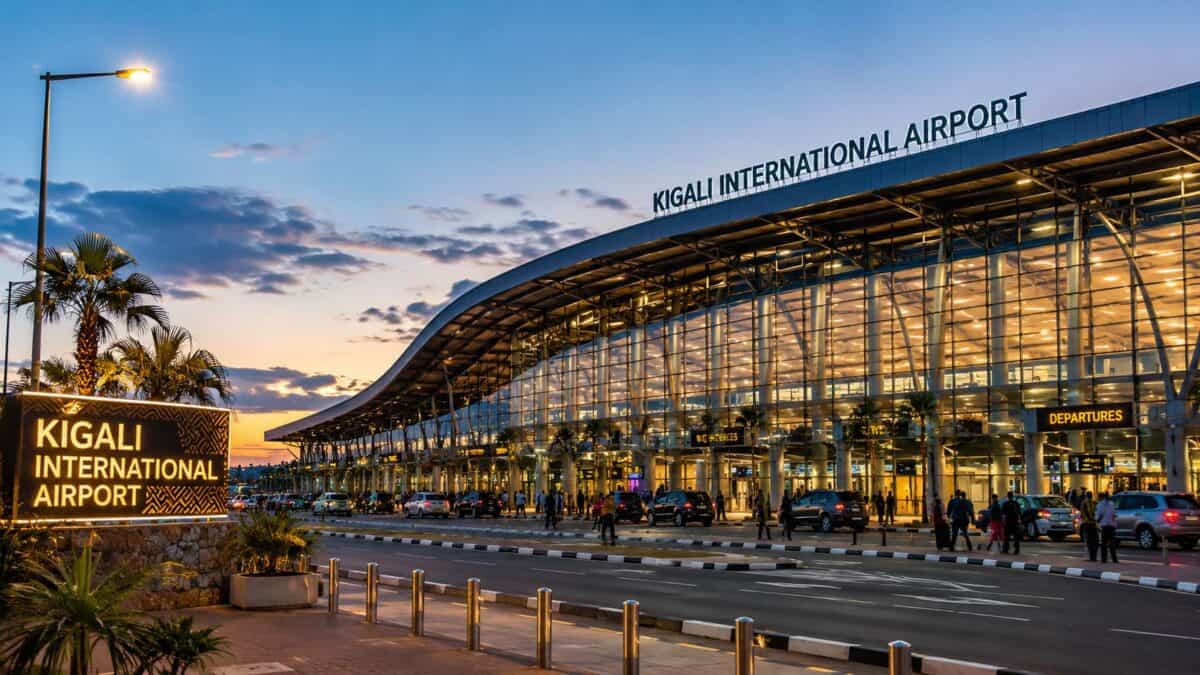
Image generated with Ai
Nigeria’s latest success against an international drug trafficking network is more than a major law enforcement victory. It also carries important implications for travellers, airlines, airports and the wider tourism industry across West Africa. The National Drug Law Enforcement Agency (NDLEA) has dismantled a sophisticated clandestine methamphetamine production facility linked to Mexican criminal operatives and Nigerian collaborators, highlighting the government’s continued efforts to strengthen national security and protect international transport networks. For visitors planning holidays, business trips or regional connections through Nigeria, the operation is expected to reinforce security confidence while also leading to enhanced customs and baggage inspections at airports and other transport gateways.
Nigeria’s National Drug Law Enforcement Agency announced that it had uncovered and dismantled an industrial-scale clandestine methamphetamine laboratory hidden in Oyo State. During the operation, officers arrested multiple suspects, including a Mexican national identified by the agency as a technical expert working alongside Nigerian collaborators. Authorities recovered large quantities of methamphetamine, precursor chemicals and industrial production equipment capable of manufacturing synthetic drugs on a significant scale. The NDLEA described the operation as one of its most important actions against transnational organised crime and warned that Nigeria would not become a safe base for international drug syndicates.
Advertisement
The discovery follows earlier enforcement actions against similar criminal operations, reflecting a broader campaign to prevent organised drug networks from establishing manufacturing facilities within Nigeria.
Most international visitors will notice no disruption to scheduled travel. Flights continue to operate normally, hotels remain open, and tourism attractions across Nigeria continue welcoming visitors.
Advertisement
Advertisement
However, travellers should expect authorities to maintain a heightened focus on customs enforcement and border inspections. Airports serving international passengers may continue applying detailed baggage examinations, cargo inspections and customs screening as agencies work to prevent narcotics trafficking through commercial aviation routes.
For legitimate travellers, these measures generally translate into:
These procedures are standard responses following major international criminal investigations and are designed to protect both passengers and transport systems.
Nigeria serves as one of West Africa’s largest aviation markets, connecting passengers throughout Africa, Europe, the Middle East and North America.
Successful action against organised criminal networks helps strengthen confidence in Nigeria’s aviation security systems. International airlines place significant importance on robust security oversight when evaluating operational risks, cargo integrity and passenger safety.
By dismantling sophisticated trafficking infrastructure before illicit products enter international transport channels, authorities reduce potential threats to aviation operations while supporting compliance with international security standards.
Although enhanced inspections may modestly increase processing times for some passengers, stronger enforcement contributes to the long-term integrity of Nigeria’s aviation sector.
Nigeria’s principal international airports are likely to continue close coordination with customs, immigration and anti-narcotics agencies following the investigation.
Passengers may experience:
Random inspections remain a normal part of international travel but may become more frequent following major drug seizures.
Cargo operators transporting international freight can expect continued examination of selected shipments to prevent illegal exports.
Security agencies increasingly share information with foreign counterparts to identify suspicious travel patterns linked to organised crime.
For ordinary tourists and business travellers carrying legitimate documentation, these procedures should involve only limited inconvenience.
Importantly, the operation does not indicate restrictions on tourism activity within Nigeria.
Hotels, resorts, conference venues, cultural attractions and domestic tourism businesses continue operating without interruption. Domestic flights, road transport networks and visitor attractions remain accessible.
International tour operators generally monitor government travel advice, security developments and transport conditions before adjusting itineraries. At present, the dismantling of a criminal operation represents a law enforcement success rather than a tourism disruption.
In fact, visible enforcement efforts often strengthen international perceptions that authorities are actively protecting public safety and national infrastructure.
Nigeria’s hospitality industry is unlikely to experience immediate operational consequences from the investigation.
Business hotels in Lagos, Abuja and other commercial centres continue serving corporate travellers, conference delegates and international visitors. Leisure accommodation providers similarly remain unaffected.
The indirect benefit comes through improved confidence that security agencies continue targeting organised criminal activity before it can threaten broader economic stability.
Hospitality investors generally favour destinations demonstrating effective governance and coordinated security responses to transnational crime.
The investigation focused on illegal drug production rather than passenger transport infrastructure.
Rail services, intercity road transport, domestic aviation and maritime passenger operations continue functioning normally.
Commercial logistics companies may encounter additional cargo verification procedures, but passenger transport services remain unaffected.
Cruise tourism within West Africa is similarly expected to continue without operational changes resulting from this enforcement action.
Tourism depends heavily on traveller confidence.
International visitors seek destinations that demonstrate effective policing, reliable institutions and strong border management. Successfully dismantling organised criminal infrastructure supports those objectives by reinforcing the government’s commitment to public safety.
Nigeria has invested in expanding tourism, business travel and international connectivity in recent years. Protecting airports, ports and transport corridors from organised criminal exploitation supports those broader economic ambitions.
Continued collaboration between Nigerian authorities and international partners also strengthens cross-border intelligence sharing, an increasingly important component of modern tourism security.
Visitors travelling to or through Nigeria should consider several practical steps:
These recommendations represent good practice for international travel generally and are particularly relevant whenever enhanced border enforcement is underway.
The latest enforcement action reflects an ongoing regional effort to combat transnational organised crime without disrupting legitimate travel and tourism.
As governments across West Africa continue strengthening border security, intelligence sharing and customs enforcement, travellers may periodically experience enhanced screening procedures. Such measures are increasingly common worldwide and aim to safeguard international transport systems rather than discourage tourism.
For Nigeria, continued success against organised criminal networks may ultimately strengthen confidence among airlines, tourism investors and international visitors. A secure transport environment supports sustainable tourism growth, encourages business travel and protects the country’s reputation as an important gateway to West Africa.
Nigeria’s dismantling of a major Mexican-linked methamphetamine production network represents a significant law enforcement achievement with broader implications for travel and tourism. While international passengers may notice more comprehensive customs inspections and enhanced airport security, the country’s tourism infrastructure continues operating normally. Airlines, hotels, tour operators and transport providers remain unaffected by the investigation itself, while stronger security oversight reinforces confidence in Nigeria’s aviation and tourism sectors. Over the longer term, continued action against transnational organised crime supports safer travel, stronger international partnerships and a more resilient tourism economy across Nigeria and the wider West African region.
Advertisement
Advertisement
Advertisement













Saturday, September 5, 2026

Saturday, September 5, 2026

Saturday, September 5, 2026

Saturday, September 5, 2026

Saturday, September 5, 2026

Saturday, September 5, 2026

Saturday, September 5, 2026