
Arizona Joins Washington, Georgia, Colorado, North Carolina, Tennessee and Other US States with Massive Nearly One Billion Tax Cut as Governor Katie Hobbs Strikes Rare Bipartisan Deal That Could Reshape Jobs of This Grand Canyon State with Water Security and Family Finances

Published
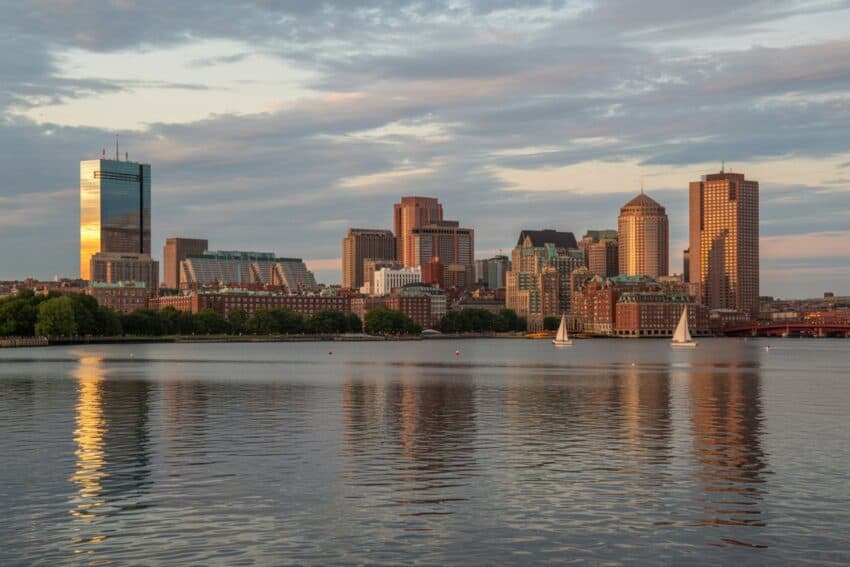
Arizona joins Washington, Georgia, Colorado, North Carolina, Tennessee and other US states with a massive tax cut strategy as Governor Katie Hobbs secures a rare bipartisan deal focused on jobs, water security and strengthening family finances across the Grand Canyon State. Arizona joins Washington, Georgia, Colorado, North Carolina, Tennessee and other US states with a massive nearly one billion tax cut as Governor Katie Hobbs strikes a rare bipartisan deal that could reshape jobs of this Grand Canyon State with water security and family finances. Consequently, Arizona is placing economic stability at the centre of its agenda. Moreover, the agreement aims to lower costs, create jobs and strengthen long-term resource protection.
Meanwhile, families could receive meaningful financial relief. As a result, Arizona is attempting to balance growth with sustainability while positioning the Grand Canyon State for a stronger economic future.
Advertisement
Advertisement
The Bipartisan Budget Agreement is becoming increasingly important for California, Florida, New York, Texas, Nevada, Illinois, Georgia and more US states because it supports infrastructure, airports, tourism promotion and global event readiness. Consequently, America’s travel economy could experience a significant boost over the next several years. Moreover, federal funding certainty helps destinations attract international visitors while simultaneously improving airports, roads, national parks and hospitality services. As a result, states with large tourism sectors are preparing for stronger growth. The Bipartisan Budget Agreement is no longer simply a political compromise. Instead, it is becoming an economic opportunity for the entire US tourism industry.
Yes, the Bipartisan Budget Agreement could positively transform US tourism because stable federal spending supports airports, roads, national parks, destination marketing, event preparedness and hospitality jobs. California, Florida, New York, Texas, Nevada, Illinois, Georgia, Arizona, Utah, Colorado, Hawaii and several other states are positioned to benefit the most due to their strong tourism ecosystems.
Advertisement
Advertisement
US States Could See Tourism Boom as Bipartisan Budget Agreement Creates New Economic Momentum
The Bipartisan Budget Agreement has become an increasingly important federal mechanism that influences much more than government operations because it ultimately affects tourism, transportation and visitor economies across America. Stable federal funding creates confidence for investors, airlines, hotel operators and destination marketers who depend upon long-term planning.
Tourism is one of America’s largest economic sectors, and every major destination requires dependable government support systems to operate efficiently. Airports need security funding, national parks require maintenance, roads demand upgrades and international marketing campaigns need investment to remain competitive globally.
Advertisement
Advertisement
What is the Bipartisan Budget Agreement?
A Bipartisan Budget Agreement is a compromise reached by both political parties in Congress to determine government spending priorities and avoid disruptions such as government shutdowns. These agreements establish funding levels for multiple sectors, including transportation, security, infrastructure and public services.
For tourism, budget certainty allows industries and local governments to plan long-term investments. Airports, national parks and visitor destinations can operate more efficiently when funding remains stable.
Why Do Bipartisan Budget Agreements Matter for Tourism Jobs?
A bipartisan budget agreement is a compromise between Democrats and Republicans that determines how federal money is allocated across numerous sectors. While tourism is not funded through a single dedicated programme, many parts of the industry rely on government-supported systems.
Hotels, restaurants, airlines, attractions and convention centres operate more effectively when infrastructure projects continue uninterrupted. Stable budgets also reduce uncertainty, allowing businesses to confidently expand operations and hire more workers.
Tourism is an interconnected industry, and any disruption to transportation, security or public infrastructure can quickly affect visitor numbers and employment opportunities.

How Do Airports Help Create More Tourism Employment?
Airports are among the biggest beneficiaries of stable federal funding because they depend on security operations, staffing and infrastructure investments to function efficiently. Modern airports serve as gateways that connect destinations with millions of travellers every year.
Advertisement
Advertisement
When airports improve their facilities and increase efficiency, airlines gain confidence to expand services. This creates employment opportunities for pilots, cabin crew, baggage handlers, airport retailers, maintenance teams, security personnel, transport operators and hospitality workers.
Stronger airport systems ultimately support broader economic growth in tourism-dependent communities.
Why Are Infrastructure Projects Important for Tourism Growth?
Infrastructure investments create both immediate and long-term employment opportunities. Roads, bridges, public transportation systems and visitor facilities make destinations easier and safer to access.
Construction projects generate thousands of jobs initially. Afterwards, improved infrastructure encourages tourism businesses to expand their operations. Hotels may increase capacity, restaurants may open additional locations and attractions may invest in enhanced visitor experiences.
This creates a cycle of economic growth that benefits local communities throughout the country.
How Could National Parks and Major Events Boost Tourism Jobs?
National parks and heritage destinations are major contributors to local economies. Stable funding helps maintain these attractions and supports businesses that depend on visitor spending.
Advertisement
Advertisement
The United States is also entering a major period for international events, including the FIFA World Cup 2026, America250 celebrations and the Los Angeles 2028 Olympic Games. These events will require large workforces across hospitality, transportation, security and event management sectors.
Tourism-related businesses are expected to increase hiring as visitor numbers grow around these occasions.

Which States Could Benefit the Most?
California, Florida, New York and Texas are expected to be among the biggest beneficiaries due to their enormous tourism economies and international visitor volumes.
California relies heavily on international airports, entertainment tourism and national parks. Florida depends on cruise tourism, beaches and theme parks, while New York attracts millions of international travellers annually. Texas is also strengthening its tourism position through business travel and preparations for the FIFA World Cup 2026.
Other states such as Nevada, Illinois, Georgia, Hawaii, Arizona, Utah and Colorado may also experience significant gains.
How Could Infrastructure Investments Support Tourism?
Tourism growth depends on efficient infrastructure. Federal budget agreements support airport modernisation, road upgrades, public transportation and security operations.
Advertisement
Advertisement
Improved infrastructure creates smoother visitor experiences from arrival to departure. It also encourages airlines to expand routes and hospitality businesses to invest in new developments.
National parks and heritage destinations could also benefit from improved maintenance and conservation efforts supported through federal spending.
Why Does This Matter for America’s Future Tourism Growth?
The United States is entering a major period for global tourism with events such as the FIFA World Cup 2026, America250 celebrations and the Los Angeles 2028 Olympic Games approaching.
Stable bipartisan agreements provide confidence to tourism stakeholders and investors. While challenges remain, long-term funding certainty could help strengthen America’s competitiveness and support tourism growth across numerous US states for years to come.
Why is the Bipartisan Budget Agreement becoming important for US tourism?
The Bipartisan Budget Agreement matters because tourism is interconnected with numerous federally funded systems that travellers often do not immediately notice. Transportation, security, immigration processing and destination promotion all depend upon federal financial stability.
When Congress reaches bipartisan agreements, industries receive certainty about future spending priorities. Consequently, airlines can expand routes, airports can accelerate projects and tourism boards can coordinate long-term campaigns aimed at attracting visitors from Europe, Asia, Latin America and the Middle East.
Advertisement
Advertisement
According to the official US Travel Association at https://www.ustravel.org, America is entering a decade of mega-events that requires substantial federal support. Therefore, sustained investments could become a competitive advantage for the country’s tourism industry.

Which US states could benefit the most from the Bipartisan Budget Agreement?
The states positioned to gain the most are those with extensive tourism infrastructure, large international airports and globally recognised attractions. California, Florida, New York and Texas sit at the top because they collectively attract millions of domestic and international visitors annually.
Nevada, Illinois, Georgia, Hawaii, Arizona, Utah, Colorado, Pennsylvania and Massachusetts also stand to benefit considerably. These states depend upon conventions, leisure tourism, historical attractions, outdoor recreation and international air connectivity that require stable federal support.
Very High Impact States
California
Tourism drivers:
- Los Angeles
- San Francisco
- San Diego
- Yosemite National Park
- Napa Valley
Benefits:
Advertisement
Advertisement
- International airport improvements
- Security funding
- Infrastructure upgrades
- Global tourism marketing
Florida
Tourism drivers:
- Orlando
- Miami
- Tampa
- Key West
Benefits:
- Cruise infrastructure
- Airport expansion
- Beach preservation projects
- International visitor services
New York
Tourism drivers:
- New York City
- Niagara Falls
- Hudson Valley
Benefits:
Advertisement
Advertisement
- Aviation security
- Public transportation upgrades
- International tourism marketing
Texas
Tourism drivers:
- Dallas
- Houston
- Austin
- San Antonio
Benefits:
- FIFA World Cup infrastructure
- Airport modernisation
- Convention growth
Arizona Unveils Bipartisan Budget Agreement with $1.4 Billion Tax Cut, Water Security Investments and Job Creation Plans
Arizona Governor Katie Hobbs and bipartisan legislators have reached a budget agreement focused on reducing costs for working families, investing in jobs, strengthening education and protecting long-term water resources while implementing spending restraint measures.
Arizona has unveiled a new bipartisan budget agreement that Governor Katie Hobbs says will prioritise economic opportunity, public safety and financial relief for residents across the state. The agreement, negotiated between the Governor’s Office and lawmakers from both political parties, aims to balance immediate economic needs with long-term sustainability goals.
The proposal includes a $1.4 billion tax cut targeted at working-class families, alongside investments in job creation, education and water security initiatives.
Advertisement
Advertisement
Why is the bipartisan budget agreement significant for Arizona?
The agreement represents a rare example of cross-party cooperation at a time when political divisions continue to dominate legislative discussions across the United States. Governor Hobbs described the compromise as a practical approach that places the needs of Arizona communities ahead of political disagreements.
State leaders believe the measures will help reduce financial pressure on households while ensuring that critical public services remain protected. The budget also signals a commitment to maintaining fiscal discipline by balancing new investments with spending controls.

What are the key measures included in the agreement?
The package focuses on several priorities that directly affect Arizona residents. The centrepiece is the $1.4 billion tax cut designed to provide financial relief for working-class families.
Additional investments will support workforce development, educational programmes and long-term water security efforts. One of the most closely watched provisions is a moratorium on the data centre tax exemption, which officials say will allow policymakers to establish a more sustainable framework that protects water resources and potentially lowers utility costs.
How could the agreement shape Arizona’s future?
If approved, the bipartisan budget agreement could strengthen Arizona’s economic resilience while addressing critical resource challenges. State leaders argue that investing in jobs, education and water infrastructure today will create a more secure future for residents tomorrow.
Governor Hobbs has indicated that she will continue working with legislators from both parties in the coming days to secure passage of the agreement and advance policies aimed at making Arizona stronger, safer and more prosperous.
Advertisement
Advertisement
How could California become one of the biggest tourism winners?
California possesses one of the world’s most diversified tourism economies because it combines entertainment, wine tourism, national parks, luxury hospitality and international business travel. Stable federal funding directly strengthens this ecosystem.
Los Angeles International Airport, San Francisco International Airport and San Diego International Airport depend upon continued security and infrastructure investments. Furthermore, Yosemite National Park benefits from conservation programmes supported through federal spending initiatives.
California could also benefit from America250 celebrations and future international sporting events. Consequently, hotel occupancy, airline passenger traffic and visitor spending may continue growing over the coming years.
Why is Florida heavily dependent upon federal tourism investments?
Florida’s tourism industry relies upon multiple interconnected systems that require federal support to function effectively. Airports, cruise terminals, customs operations and disaster resilience programmes are all essential components.
Miami International Airport and Orlando International Airport are major international gateways that process millions of passengers annually. Therefore, efficient immigration procedures and security operations directly influence visitor experiences.
Furthermore, Florida’s cruise industry depends upon smooth port operations. Federal investments help ensure that international travellers continue choosing Florida as a preferred destination for leisure, family holidays and luxury travel.
Advertisement
Advertisement
How will New York maintain its position as America’s international tourism gateway?
New York remains one of the world’s most visited cities because of its cultural significance and international accessibility. However, maintaining this status requires continuous investments in infrastructure and traveller services.
The city depends heavily upon federal security programmes, transportation systems and destination promotion efforts. Stable budget agreements provide confidence for tourism stakeholders who plan years ahead.
Moreover, New York is expected to remain a focal point during America’s major global events. Consequently, hotels, museums, theatres and restaurants could continue benefiting from sustained visitor demand.
Why is Texas becoming an emerging tourism powerhouse?
Texas has transformed into one of America’s fastest-growing tourism markets because it successfully combines business travel, sports tourism, cultural attractions and large-scale events. The state is becoming increasingly important globally.
Preparations for the FIFA World Cup 2026 have accelerated infrastructure investments across host cities. Consequently, airports, public transportation systems and hospitality providers are expanding capacities.
Texas also attracts convention travellers and technology professionals throughout the year. Therefore, stable federal funding provides additional support for long-term tourism expansion strategies.
Advertisement
Advertisement
Which other states could gain substantial tourism advantages?
Several states beyond the traditional tourism giants could experience significant benefits.
High Impact States
Nevada
- Las Vegas conventions
- Entertainment tourism
- Sporting events
Illinois
- Chicago business tourism
- International conferences
- Cultural attractions
Georgia
- Atlanta airport connectivity
- Convention tourism
- Entertainment industry growth
Arizona
- Grand Canyon tourism
- Outdoor recreation
Utah
Advertisement
Advertisement
- National parks tourism
Colorado
- Mountain tourism
- Adventure travel
Hawaii
- International tourism
- Sustainable tourism initiatives
Medium Impact States
Pennsylvania
- America250 celebrations
- Historical tourism
Massachusetts
- Boston heritage tourism
Louisiana
- New Orleans cultural tourism
Tennessee
Advertisement
Advertisement
- Nashville music tourism
South Carolina
- Coastal tourism
North Carolina
- Mountain and beach tourism
Michigan
- Great Lakes tourism
Alaska
- Cruise tourism
How could airports become the biggest beneficiaries?
Airports are perhaps the most immediate beneficiaries because they depend heavily upon federal funding streams for security, staffing and infrastructure projects. Efficient airports directly influence traveller satisfaction.
Modern travellers expect seamless experiences from arrival to departure. Therefore, investments in baggage systems, terminal upgrades and technology improvements become increasingly important.
Advertisement
Advertisement
States with large international airports could see increased airline confidence. Consequently, more routes may emerge while visitor accessibility continues improving.
Could mega-events create long-term tourism gains?
The answer is yes because America is entering an unprecedented decade of international events. Large gatherings create immediate economic benefits while also producing long-term destination awareness.
The FIFA World Cup 2026, America250 celebrations and the Los Angeles 2028 Olympic Games represent enormous opportunities. Federal coordination becomes essential for successful execution.
These events could generate billions in visitor spending while strengthening America’s global tourism brand. Therefore, the Bipartisan Budget Agreement indirectly supports future tourism prosperity.

What challenges could still affect tourism growth?
Several risks remain despite positive developments because tourism is highly sensitive to policy changes and global economic conditions. Funding agreements alone cannot guarantee success.
International perceptions, visa processing efficiency and labour shortages still require attention. Furthermore, some budget negotiations may involve spending reductions that affect tourism programmes.
Advertisement
Advertisement
Nevertheless, stable bipartisan agreements generally reduce uncertainty. Consequently, tourism stakeholders can make informed investments with greater confidence.
Anup Kumar Keshan, Founder and Editor-in-Chief, Travel And Tour World says “The Bipartisan Budget Agreement demonstrates that tourism is no longer a secondary economic activity but a strategic national priority that connects transportation, infrastructure, hospitality and international diplomacy. California, Florida, New York, Texas and numerous other states possess an extraordinary opportunity to accelerate visitor growth over the next decade. If policymakers continue supporting airports, national parks, destination marketing and global event preparations, the United States could strengthen its position as one of the world’s most influential tourism destinations. Collaborative policymaking ultimately creates confidence, and confidence remains the strongest currency in global tourism development.”
The Bipartisan Budget Agreement is emerging as an important economic driver that extends far beyond politics because it directly influences tourism infrastructure nationwide. California, Florida, New York, Texas and numerous other states could benefit from stronger airports, improved security systems, destination marketing investments and preparations for major international events. Furthermore, national parks, convention centres and hospitality businesses may experience additional growth opportunities. Although challenges remain, long-term funding stability creates confidence across the travel sector. Ultimately, bipartisan cooperation could become one of the most important foundations supporting the future expansion of American tourism.
Arizona faced growing pressure to support working families, strengthen water resources and maintain economic competitiveness while managing future growth. Governor Katie Hobbs and bipartisan legislators negotiated a compromise budget that combines tax relief with investments in jobs, education and water security.US State leaders believe that balancing economic growth with responsible resource management will create long-term stability. The agreement also introduces a moratorium on the data centre tax exemption, allowing policymakers to reassess future development plans while protecting water supplies and potentially lowering utility costs for Arizona residents.
Arizona’s bipartisan budget agreement represents a significant shift towards collaborative policymaking and long-term economic planning. By combining tax cuts, workforce investments and water security measures, state leaders are attempting to create a sustainable path forward. The agreement also demonstrates that bipartisan cooperation can produce policies focused on practical outcomes rather than political divisions. If approved, Arizona could strengthen its position as one of the fastest-growing economies in the United States while protecting critical resources for future generations. Ultimately, the Grand Canyon State is pursuing a strategy that links financial relief, economic opportunity and environmental responsibility together.
Advertisement
