
UK Expands eGate Access With New Requirements Allowing More Travellers Faster Border Entry in 2026

Published
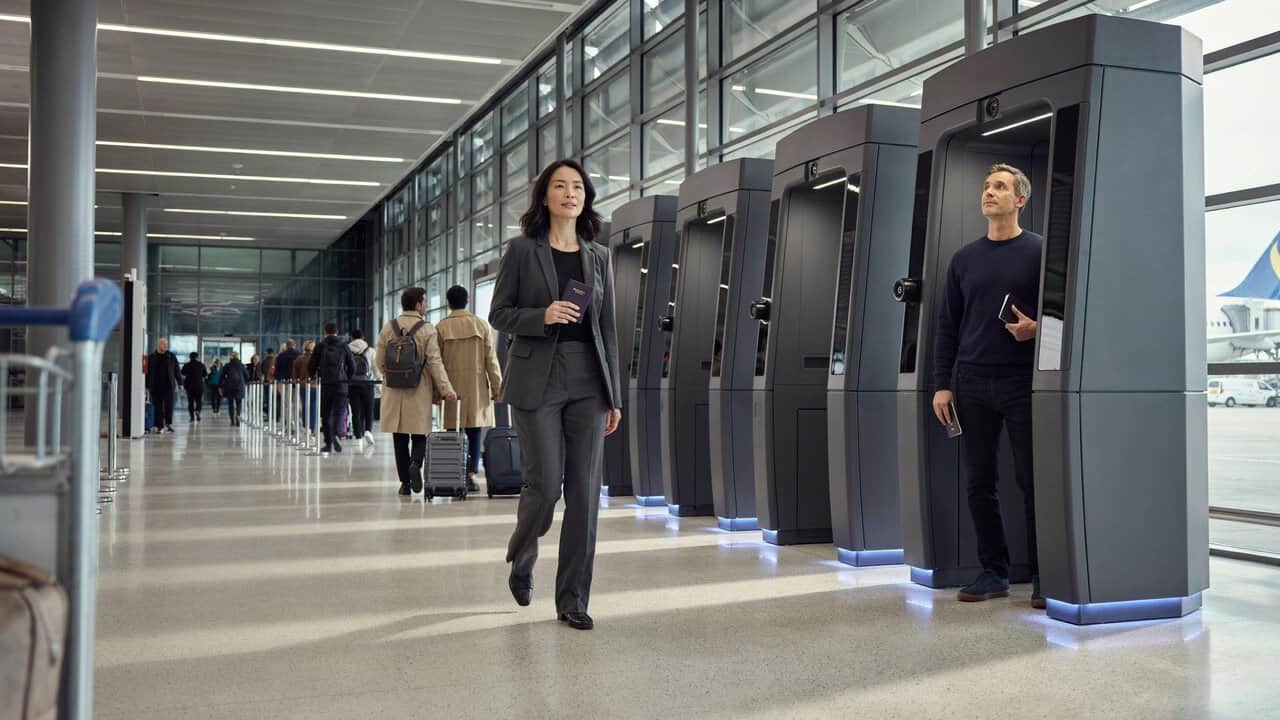
Image generated with Ai
The UK eGate access expansion is changing how international travelers arrive by letting more people finish border checks quicker using automated passport technology. The United Kingdom has changed its eGate rules allowing people with passports from certain countries to use digital border systems when they come into major airports and train stations. This change helps make travel easier takes some of the load off the Border Force. Makes the experience better, for travelers. Now having a passport and proper travel documents is important. The newest changes show that the UK is moving towards a safe and high-tech way to manage its borders, which is needed because more people are traveling around the world.
UK Expands eGate Access as Digital Border System Creates Faster Travel Opportunities
The United Kingdom is strengthening its digital border infrastructure by expanding access to automated passport gates (eGates) and introducing clearer requirements for eligible international travellers. The updated system allows qualified visitors to complete immigration checks through facial recognition technology instead of waiting for manual passport inspection.
Advertisement
Advertisement
The development is part of the UK Government’s wider strategy to create a faster, more secure, and digitally connected border environment. As international tourism, business travel, and family visits continue to increase, automated border processing has become a major priority for improving passenger movement while maintaining immigration controls.
Under the updated rules, travellers must meet specific conditions before using UK eGates. These include holding an eligible passport, having the required immigration permission where applicable, carrying a biometric passport, and meeting age and height requirements.
Advertisement
Advertisement
The expansion has significant implications for global travellers from approved countries, airlines, airports, and the wider tourism economy as the UK continues modernising its arrival experience.
Advertisement
Advertisement
What Are UK eGates and Why Are They Important for International Travel?
UK eGates are automated passport control systems designed to verify traveller identities using biometric technology. Instead of speaking with a Border Force officer at a traditional immigration desk, eligible passengers scan their passports and allow facial recognition technology to confirm their identity.
The system uses information stored in biometric passports, including digital photographs, to compare the traveller’s face with passport data. When successful, passengers can proceed through the border without additional manual checks.
The UK Government has installed more than 290 eGates across 15 air and rail ports, helping millions of passengers complete border checks more efficiently.
The technology has become a central part of the UK’s border transformation programme, supporting faster processing while allowing Border Force officers to focus resources on cases requiring additional assessment.
For international visitors, especially frequent travellers, the system provides a smoother arrival process and reduces waiting times during busy travel periods such as summer holidays, Christmas, and major international events.
Advertisement
Advertisement
UK eGate Requirements: Two Key Conditions Travellers Must Meet
Travellers cannot automatically use UK eGates simply because they are visiting the country. The UK Government has established specific eligibility requirements to ensure security standards are maintained.
The two main requirements include:
1. Travellers Must Hold an Eligible Biometric Passport
A traveller must have a passport with a biometric symbol on the cover. These passports contain an electronic chip that stores identity information and enables automated verification through border technology.
Biometric passports have become a global standard for secure international travel, allowing governments to improve border protection while providing faster processing options.
Travellers without a suitable biometric passport may be required to complete traditional immigration checks with a Border Force officer.
Advertisement
Advertisement
2. Travellers Must Have Valid Travel Permission or Immigration Status
Eligible passengers must also have the appropriate permission to enter the UK. This may include a valid Electronic Travel Authorisation (ETA), eVisa, digital record of exemption, or another recognised immigration status.
The requirement reflects the UK’s broader move towards digital immigration management, where physical documents are increasingly being replaced by electronic records.
The UK’s ETA system provides digital permission for eligible visitors who do not need a visa for short stays. It does not replace a visa and does not guarantee entry, but it allows travellers to receive permission before travelling.
Which Countries Can Use UK eGates?
The UK eGate system is available to citizens from a wide range of countries holding eligible biometric passports.
According to UK Government guidance, eligible nationalities include:
Advertisement
Advertisement
- British citizens
- Citizens of European Union countries
- Australia
- Canada
- Iceland
- Japan
- Liechtenstein
- New Zealand
- Norway
- Singapore
- South Korea
- Switzerland
- United States
The inclusion of multiple major tourism and business markets reflects the UK’s effort to improve travel connectivity with important international visitor economies.
Countries such as the United States, Japan, Australia, Canada, and EU nations represent significant sources of inbound tourism, student travel, corporate movement, and long-haul aviation demand.
By enabling faster arrivals for these travellers, the UK aims to strengthen its position as a globally connected destination.
UK Expands eGate Access for Younger Travellers and Families
One of the most notable developments in the UK border system has been the expansion of eGate access for younger passengers.
The UK Government announced that children aged eight and nine years old who meet eligibility conditions can use eGates when accompanied by an adult. Previously, younger travellers faced greater restrictions.
Advertisement
Advertisement
To qualify, children must:
- Hold an eligible biometric passport
- Be at least 120 centimetres tall
- Travel with an accompanying adult
The change is expected to benefit approximately 1.5 million additional children based on previous UK arrival figures.
The move has been designed to improve family travel experiences by reducing queues and making arrivals easier for parents travelling with children.
For airports and tourism operators, smoother family arrivals could contribute to stronger visitor satisfaction and improved perceptions of the UK as a welcoming destination.
Digital Transformation of UK Border Controls
The expansion of eGates is part of a wider digital transformation of the UK immigration system.
Advertisement
Advertisement
The country has been moving towards a system where travel permissions, immigration status, and border checks are increasingly managed electronically.
The introduction of Electronic Travel Authorisation (ETA) represents a major step in this transition. The system requires eligible visa-exempt visitors to obtain digital travel permission before travelling to the UK.
The UK Government states that ETA applications are completed digitally and are linked directly to the traveller’s passport.
This approach allows authorities to complete security checks before passengers arrive at UK borders.
For travellers, the benefit is a more predictable journey process. For authorities, the system provides improved visibility over incoming visitors.
Advertisement
Advertisement
Impact on Tourism and International Travel
The expansion of UK eGate access has important implications for the tourism industry.
The UK remains one of the world’s most visited destinations, attracting international travellers for leisure, business, education, and cultural experiences.
Faster border processing can influence visitor satisfaction, particularly for first-time travellers who often judge a destination experience from the moment they arrive.
Airports are among the biggest beneficiaries of improved automated processing. Faster immigration movement can reduce congestion in arrival halls and improve passenger flow during peak periods.
For airlines, efficient border systems can support smoother operations by reducing delays associated with large arrival waves.
Advertisement
Advertisement
Tourism businesses, including hotels, attractions, restaurants, and transport providers, also benefit when visitors experience fewer barriers during their journey.
A seamless arrival experience can encourage positive reviews, repeat visits, and stronger destination reputation.
Economic Importance of Faster UK Border Processing
Efficient borders play a critical role in supporting international commerce and tourism spending.
Visitors arriving in the UK contribute to local economies through accommodation, retail, transportation, entertainment, and hospitality spending.
By improving entry processes for eligible travellers, the UK Government is supporting infrastructure that enables easier movement while maintaining security standards.
Advertisement
Advertisement
The expansion of automated border technology also reflects global competition among destinations seeking to attract international visitors.
Countries worldwide are investing in smart border solutions as travellers increasingly expect digital, efficient, and convenient experiences similar to those offered in other parts of their journey.
For the UK, maintaining competitive travel infrastructure is important as destinations compete for international tourism growth.
How UK eGates Support the Future of Smart Border Management
The expansion of UK eGate access represents a major step in the country’s transition towards a smarter and more technology-driven border environment. Around the world, governments are increasingly adopting biometric systems to balance two important priorities: strengthening security and improving traveller convenience.
For the UK, automated border technology provides an opportunity to modernise passenger processing while maintaining strict immigration controls. The system allows routine checks to be completed digitally, enabling Border Force officers to focus on more complex cases involving security, immigration compliance, or additional verification.
Advertisement
Advertisement
The move is particularly significant as international travel volumes continue to recover and grow following major disruptions in previous years. Airports and border facilities are facing increasing pressure from rising passenger numbers, making digital solutions essential for managing future demand.
The UK Government’s approach combines biometric verification, digital travel permissions, and advanced border systems to create a more efficient arrival process. This transformation supports the wider objective of making the UK border one of the most technologically advanced in the world.
Role of eVisas in the UK’s Digital Immigration Transformation
Alongside UK eGate access expansion, the transition from physical immigration documents to digital status has become a central element of the UK’s border strategy.
The UK has introduced the eVisa system, which provides a digital record of a person’s immigration status. Instead of relying on physical documents such as biometric residence permits, eligible individuals can access their immigration information electronically.
This change affects millions of people who live, work, study, or travel in the UK. The digital approach aims to make immigration status easier to verify while reducing dependence on paper-based documentation.
Advertisement
Advertisement
For international travellers, digital immigration records create a more connected journey between visa approval, airline checks, and border entry systems.
The integration of digital permissions with automated border technology allows authorities to confirm eligibility more efficiently before travellers reach passport control.
The development also aligns with wider international trends, where governments are moving towards digital identity systems and automated travel authorisation processes.
Airports Benefiting From Faster Automated Border Processing
Major UK airports are expected to continue benefiting from expanded eGate usage.
Facilities such as:
Advertisement
Advertisement
- Heathrow Airport
- Gatwick Airport
- Manchester Airport
- Birmingham Airport
- Edinburgh Airport
handle significant volumes of international passengers every year and rely heavily on efficient border operations.
During peak travel periods, immigration halls can experience significant pressure as thousands of passengers arrive within short periods.
Automated systems help reduce queues by allowing eligible travellers to complete checks independently.
For airports, faster passenger movement can improve terminal efficiency and reduce congestion in arrival areas.
For airlines, smoother processing contributes to a more predictable passenger journey and can improve overall customer satisfaction.
Advertisement
Advertisement
Why Faster UK Border Entry Matters for Global Tourism Recovery
International travellers increasingly consider the entire journey experience when selecting destinations.
A holiday experience does not begin when visitors reach their hotel. It starts from booking flights, completing travel permissions, arriving at airports, and passing through border controls.
The expansion of UK eGate access supports the UK’s competitiveness by reducing friction during one of the most important stages of international travel.
Tourism authorities worldwide have recognised that easier entry procedures can influence destination choice. Countries offering efficient arrival systems often gain advantages among travellers who value convenience.
For long-haul visitors travelling many hours to reach the UK, shorter border processing times can create a stronger first impression.
Advertisement
Advertisement
This is particularly relevant for important visitor markets including:
- North America
- Europe
- Asia-Pacific
- Gulf countries
These regions contribute significantly to UK tourism demand through leisure travel, business visits, education-related journeys, and cultural tourism.
Business Travel and International Connectivity Benefits
The impact of improved border technology extends beyond leisure tourism.
The UK remains a major global business destination, attracting conferences, investment meetings, academic exchanges, and corporate travel.
Efficient arrival systems support business mobility by reducing unnecessary waiting times for eligible travellers.
Advertisement
Advertisement
International companies often consider connectivity and ease of movement when selecting locations for meetings, offices, and events.
A modern border system strengthens the UK’s reputation as a globally connected economy.
For international executives, researchers, and entrepreneurs, faster entry procedures can improve productivity and create a more seamless travel experience.
The development also supports the UK’s aviation sector by improving passenger confidence and strengthening international connectivity.
Security Measures Remain Central to UK eGate Expansion
While the UK is increasing automated border access, security remains the foundation of the system.
Advertisement
Advertisement
eGates do not remove immigration checks. Instead, they use advanced technology to complete identity verification more efficiently.
Every traveller must still meet UK entry requirements and may be referred to a Border Force officer if additional checks are required.
The automated system uses biometric information to compare passport data with the traveller’s identity.
If the system cannot confirm identity or detect eligibility, passengers are directed towards manual processing.
This approach allows technology and human expertise to work together.
Advertisement
Advertisement
The UK Government continues to emphasise that modern border systems must provide both convenience and strong security protection.
Challenges Associated With Automated Border Technology
Despite the benefits, digital border systems also face operational challenges.
Technology reliability, passenger awareness, accessibility requirements, and data protection remain important considerations.
Travellers unfamiliar with biometric systems may require additional guidance when using automated gates for the first time.
Airports must ensure clear instructions are available, particularly for elderly passengers, families, and travellers requiring additional assistance.
Advertisement
Advertisement
Technical interruptions can also affect passenger flows, making contingency procedures essential.
The UK Government continues to monitor the performance of automated systems and improve processes to ensure reliability.
Maintaining public confidence is another important factor, particularly regarding the responsible use of biometric information.
Strong privacy protections and transparent policies remain essential for long-term acceptance of digital border technology.
UK Border Modernisation and Future Travel Trends
The continued development of UK eGate access reflects a broader transformation in global travel.
Advertisement
Advertisement
Future border systems are expected to become increasingly digital, with passengers completing more steps before reaching airports.
Possible developments include:
- Greater use of digital identity verification
- Expanded automated border facilities
- More integrated travel authorisation systems
- Increased use of artificial intelligence-supported processing
However, governments must maintain a balance between innovation, security, and passenger privacy.
The UK’s border strategy demonstrates how technology can reshape international travel while preserving essential immigration controls.
As global tourism continues evolving, efficient border management will remain a key factor influencing destination competitiveness.
Advertisement
Advertisement
Outlook: UK eGate Expansion Could Reshape Traveller Experience
The continued expansion of UK eGate access is expected to play an important role in improving the country’s international travel infrastructure.
By allowing eligible travellers to complete border checks more efficiently, the system supports tourism growth, business connectivity, and passenger convenience.
The combination of biometric passports, digital travel permissions, and automated processing represents a major shift in how international arrivals are managed.
For travellers, the biggest advantage is a smoother and faster arrival experience. For the tourism industry, improved accessibility can strengthen the UK’s appeal as a global destination.
As international mobility increases, smart border solutions will become increasingly important for countries competing in the global tourism market.
Advertisement
Advertisement
The UK’s investment in digital border technology positions it to meet future travel demand while maintaining secure and efficient entry procedures.
Conclusion
UK eGate access expansion is a step toward making travel faster smarter and safer, for all visitors who qualify. By using passports, digital permissions and automated border technology the UK moves people more quickly while still keeping security very high. The UK’s plan helps travellers, airlines, airports, businesses and the whole tourism economy. As people want to travel good border systems become more important for a place that wants to attract visitors. The UK’s digital border strategy shows how new ideas can change how people arrive and help all of tourism grow.
Advertisement
